
Seafarers' Employment Rights
Seafarer – a person who works on board a vessel and is engaged in the navigation, operation, or maintenance of the ship. The term covers all ranks from deck cadet to chief engineer. A seafarer’s rights are protected by a combination of nati…
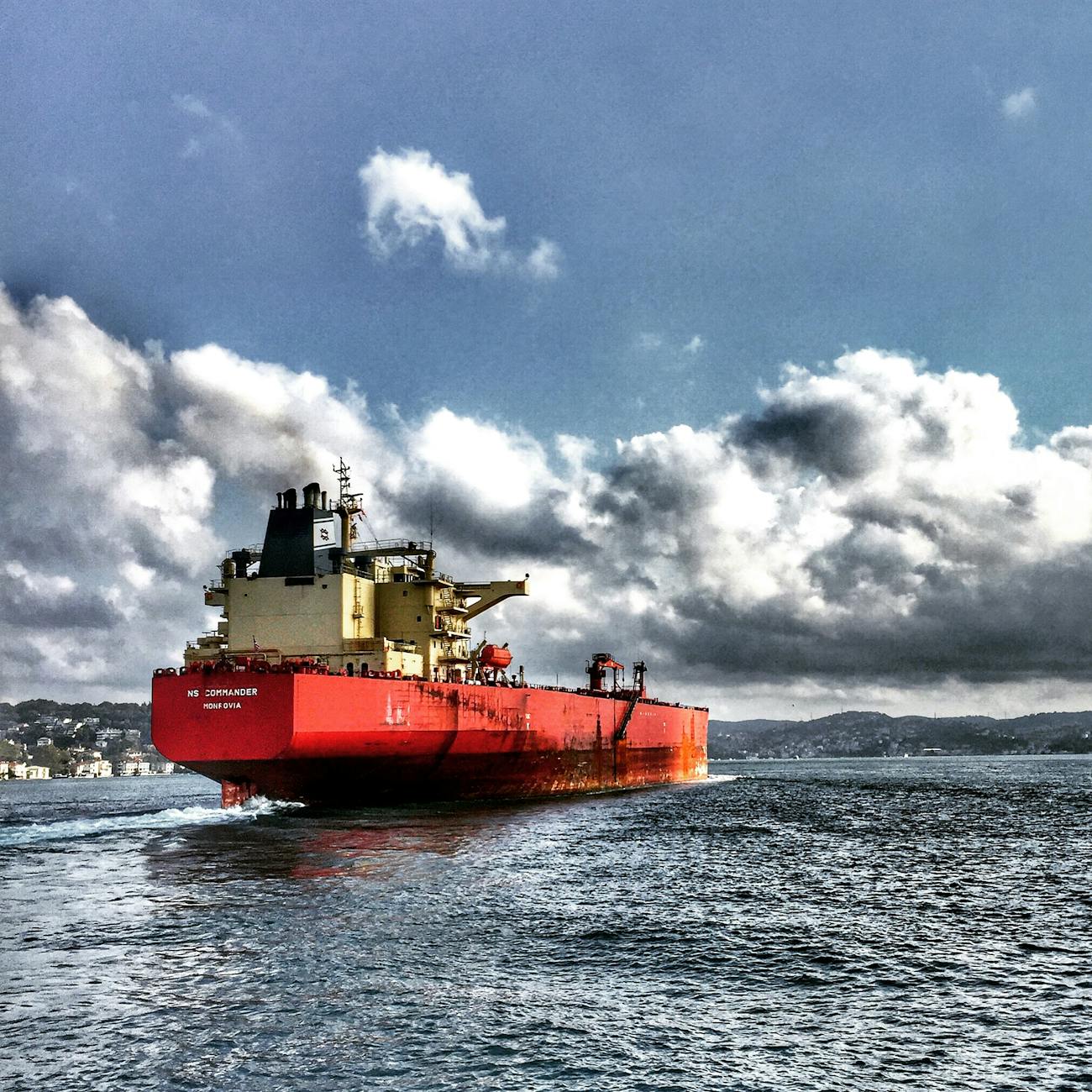
Seafarer – a person who works on board a vessel and is engaged in the navigation, operation, or maintenance of the ship. The term covers all ranks from deck cadet to chief engineer. A seafarer’s rights are protected by a combination of national legislation, collective agreements, and international conventions. For example, a deck officer on a bulk carrier sailing under a Panamanian flag is still entitled to the same minimum standards of wage and repatriation as a Philippine‑registered crew member, provided the ship is subject to the Maritime Labour Convention (MLC) 2006.
Employment contract – the written agreement that sets out the terms and conditions of a seafarer’s service on a particular vessel. The contract must specify the duration of the engagement, the wage rate, the place of payment, the hours of work, the leave entitlement, and the procedures for termination. Under the MLC, the contract must be in a language understood by the seafarer and must be provided at least one month before the start of the employment. An example of a breach occurs when a shipowner changes the vessel’s itinerary without notifying the crew, thereby violating the agreed‑upon “place of work” clause.
Flag State – the country under whose laws the vessel is registered. The flag state is responsible for ensuring that the ship complies with international standards, including the MLC, the International Convention on Standards of Training, Certification and Watchkeeping (STCW), and the International Convention for the Safety of Life at Sea (SOLAS). A ship flying the Liberian flag, for instance, must be inspected by Liberian authorities to confirm that the crew’s contracts meet MLC requirements, even if the crew members are from many different nationalities.
Shipowner – the legal entity that holds the title to the vessel and is responsible for the operational, financial, and legal aspects of the ship. The shipowner’s obligations include paying the agreed wage, providing safe working conditions, and ensuring that the vessel’s crew receives adequate medical care. In practice, the shipowner may delegate these duties to a management company; however, the ultimate liability remains with the shipowner under international law.
Collective Bargaining Agreement (CBA) – a negotiated contract between a seafarers’ union and a shipowner or a shipping company that sets out uniform terms of employment for a group of workers. CBAs often address issues such as overtime rates, holiday pay, and dispute‑resolution mechanisms. For example, the German Seafarers’ Union has a CBA that guarantees a minimum monthly wage of €2,200 for all deck officers on German‑flagged vessels, irrespective of the vessel’s size or trade.
Maritime Labour Convention 2006 (MLC) – the primary international instrument governing seafarers’ rights, often described as the “fourth pillar” of international maritime law alongside SOLAS, MARPOL, and STCW. The MLC consolidates more than 68 existing conventions and sets minimum standards for employment conditions, health and safety, accommodation, and social protection. A ship that fails to produce a valid MLC Certificate of Compliance can be detained by port state control authorities.
International Labour Organization Convention 181 (ILO 181) – the Seafarers’ Identity Document (SID) convention, which establishes a uniform identity document for seafarers to facilitate travel and shore‑leave. The SID contains biometric data and is recognized by all signatory states. A practical challenge arises when a seafarer’s SID expires while on a long‑haul voyage; the shipowner must arrange for renewal at the next port, or the seafarer may be denied shore leave.
Wage – the remuneration paid to a seafarer for services rendered. Wages may be expressed as a monthly salary, a daily rate, or a piece‑rate for specific tasks. The MLC requires that wages be paid in a “timely, regular and full” manner, and that any deductions be clearly stipulated in the contract. An example of a dispute is when a shipowner withholds a portion of a crew member’s wage to cover alleged “damage” to equipment, without providing evidence or an opportunity for the seafarer to contest the claim.
Repatriation – the right of a seafarer to be returned to their home country at the end of the contract or in the event of illness, injury, or ship abandonment. The MLC obliges the shipowner to bear the cost of repatriation, including travel expenses and any necessary medical treatment en route. A common challenge is the “crew change” bottleneck that occurs during global health crises, when limited flight capacity makes it difficult to repatriate crew members promptly, leading to prolonged stays on board and heightened fatigue.
Leave – the period of rest and shore‑time to which a seafarer is entitled. The MLC specifies a minimum of 30 days of paid annual leave for each year of service, which may be taken in one block or split into shorter periods. In practice, many seafarers negotiate for “shore leave” in ports of call, but the availability of such leave depends on the vessel’s schedule, the port’s regulations, and the shipowner’s operational needs. An example of a conflict arises when a crew member wishes to take leave in a port that does not allow foreign workers to disembark, thereby infringing on the crew member’s contractual right.
Medical care – the provision of health services to seafarers while on board or ashore. The MLC requires shipowners to ensure that adequate medical facilities are available on the vessel, and that crew members have access to shore‑based medical treatment when necessary. A practical application is the requirement for a ship’s medical chest to contain specific medicines and equipment, as listed in the MLC Annex III. Challenges emerge when a seafarer suffers a chronic condition that requires regular treatment; the shipowner must coordinate with the seafarer’s home country medical providers to arrange suitable care, which can be logistically complex.
Seafarers’ Identity Document (SID) – a biometric passport‑type document that proves the holder’s identity and seafaring status. The SID facilitates visa‑free travel in many jurisdictions and simplifies the process of obtaining shore leave. The document must be renewed every five years, and the holder must carry a copy of the current employment contract when travelling. A common challenge is that some ports still require a traditional passport in addition to the SID, creating confusion and potential denial of entry.
Cabotage – the transport of goods or passengers between two ports within the same country by a vessel that is not registered under that country’s flag. Many states restrict cabotage to protect domestic shipping industries, and these restrictions can affect seafarers’ employment rights. For instance, a vessel flagged in the Marshall Islands may be prohibited from performing cabotage services in the United States, limiting the opportunities for its crew to work on domestic routes.
Flag of Convenience (FOC) – a practice where shipowners register vessels in a country with lenient regulatory standards to reduce costs. While FOCs can lower operating expenses, they may also result in weaker enforcement of seafarers’ rights. A practical illustration is a ship registered in Liberia but managed by a European company; the crew may experience difficulties in obtaining timely wage payments if the flag state’s inspection regime is less rigorous.
Port State Control (PSC) – the authority of a coastal state to inspect foreign‑registered vessels that enter its ports for compliance with international conventions. PSC officers can detain a ship if they find violations of the MLC, such as inadequate living quarters or missing documentation. An example of PSC impact is the “Black List” of vessels that have been repeatedly found non‑compliant; ships on this list may be denied entry to certain ports, pressuring owners to improve crew conditions.
Watch‑keeping – the system of rotating duty periods that ensures continuous operation of the vessel’s navigation, engineering, and safety functions. International standards, such as those in the STCW, limit watch‑keeping hours to a maximum of 14 hours in any 24‑hour period and require a minimum rest period of 10 hours. Violations of watch‑keeping limits can lead to fatigue‑related accidents, and they also constitute a breach of the seafarer’s right to safe working conditions.
Fatigue Management – policies and procedures designed to mitigate the risk of crew fatigue. The MLC requires shipowners to develop a fatigue management plan that includes proper scheduling, monitoring of rest periods, and provision of adequate accommodation. A practical challenge is balancing operational demands, such as meeting tight delivery deadlines, with the need to maintain safe watch‑keeping schedules. Failure to manage fatigue can result in legal liability for the shipowner if an accident occurs.
Accommodation standards – the minimum requirements for crew living spaces, including size, ventilation, lighting, sanitation, and privacy, as set out in the MLC Annex III. For example, the MLC mandates that each crew member must have a personal sleeping berth of at least 2 square meters in a single‑berth configuration. Non‑compliance may be identified during PSC inspections, leading to remedial actions or detention.
Food standards – the quality and quantity of meals provided to seafarers. The MLC requires that food be nutritious, varied, and served at regular intervals. It also obliges shipowners to provide drinking water that meets the standards of the International Standards for Drinking Water Quality. Practical issues arise when a vessel’s galley is poorly equipped, resulting in inadequate meals and potential health problems for the crew.
Social security – the system of benefits, such as pensions, unemployment insurance, and health coverage, that a seafarer may be entitled to under the law of the flag state or their home country. The MLC encourages the establishment of social security arrangements that protect seafarers when they are away from their home jurisdiction. A challenge is the coordination of social security contributions for multinational crews, particularly when the flag state and the seafarer’s home state have different systems.
Seafarers’ Union – an organization that represents the interests of maritime workers, negotiates collective agreements, and provides legal assistance. Unions play a crucial role in enforcing employment rights, especially in disputes over wages, repatriation, or unsafe working conditions. For instance, the International Transport Workers’ Federation (ITF) has a network of national unions that can intervene on behalf of a crew member facing unjust dismissal.
Dispute resolution – the mechanisms by which conflicts between seafarers and shipowners are settled. The MLC requires that a shipowner provide access to an independent grievance procedure, which may include mediation, arbitration, or litigation in the courts of the flag state. A practical example is an arbitration clause in the employment contract that directs disputes to a designated maritime arbitration panel, providing a faster and more specialized forum than general courts.
Termination clause – the part of the employment contract that outlines the conditions under which the contract may be ended by either party. The MLC stipulates that termination must be for a “just cause” and that the seafarer must receive appropriate notice and compensation. An example of a wrongful termination is when a shipowner dismisses a crew member without providing the statutory notice period, leading to a claim for damages.
Seafarer’s pension – the retirement benefit accrued through contributions made during the seafarer’s career. Under many national legislations, such as the U.S. Merchant Marine Act, seafarers are entitled to a pension based on years of service and earnings. Practical challenges include the portability of pension benefits when a seafarer works for multiple shipowners across different flag states.
Off‑hire – a period during which a vessel is temporarily taken out of service, often for repairs or maintenance, and the crew may be placed on standby. The MLC requires that the shipowner continue to pay the crew’s wages during off‑hire periods, unless otherwise agreed. An example of an off‑hire dispute occurs when a shipowner claims that the crew is “unavailable” and withholds pay, contrary to contract terms.
Seafarer’s insurance – coverage that protects the crew against injury, illness, or death while on board. The MLC mandates that shipowners provide adequate insurance, typically in the form of a war risk or personal injury policy. A practical scenario is the need for medical evacuation insurance when a crew member suffers a serious injury far from the nearest port; the shipowner must arrange for rapid evacuation and cover the associated costs.
Training and certification – the qualifications required for seafarers to perform their duties safely and competently. The STCW Convention sets out the minimum standards for training, certification, and watch‑keeping. For example, a chief engineer must hold a valid STCW Certificate of Competency for the appropriate engine room rank. Non‑compliance can result in the vessel being deemed unseaworthy and the crew being denied the right to work.
Health and safety management system (HSMS) – a structured approach to identifying hazards, assessing risks, and implementing controls on board a vessel. The HSMS must be documented and communicated to all crew members. Practical application includes regular safety drills, such as fire and abandon‑ship exercises, and the use of safety data sheets for hazardous chemicals stored on board.
Work‑hour limitations – the legal limits on the number of hours a seafarer may work in a given period, designed to prevent fatigue. The MLC specifies a maximum of 14 hours of work in any 24‑hour period and a minimum of 10 hours of rest. Violations may be detected during PSC inspections if logbooks show excessive working hours.
Living‑aboard allowance – an additional payment that may be provided to seafarers who reside on a vessel for extended periods, to compensate for the lack of a permanent home. Not all contracts include this allowance, but it is often negotiated through a CBA. An example of a dispute arises when a crew member works on a vessel for more than twelve months without receiving the agreed allowance, leading to a claim for back pay.
Seafarer’s rights to shore leave – the entitlement to disembark at a port for rest, recreation, or personal business. The MLC requires that shipowners facilitate shore leave where it is permitted by the port state. Practical challenges include restrictions imposed by immigration authorities, especially in ports with strict entry controls for foreign workers. In such cases, the shipowner must coordinate with local agents to obtain the necessary visas or permits.
Freedom of association – the right of seafarers to join or form a union and to engage in collective bargaining. The ILO guarantees this right in Convention 98, and the MLC reinforces it by requiring shipowners to respect union activities. A practical example is a crew’s decision to elect a union representative on board; the shipowner must allow the representative reasonable time and resources to communicate with the union.
Anti‑discrimination provisions – rules that prohibit unfair treatment based on race, nationality, gender, religion, or other protected characteristics. The MLC includes anti‑discrimination clauses that apply to recruitment, employment, training, and promotion. A challenge arises when a shipowner preferentially hires crew from a particular nationality, leading to claims of discriminatory hiring practices.
Recruitment agencies – third‑party firms that source and place seafarers on vessels. The MLC requires that agencies operate transparently, provide accurate information about wages and conditions, and refrain from charging excessive fees to the crew. An example of a violation is when an agency deducts recruitment fees from the seafarer’s salary, contrary to the convention’s prohibition on “pay‑to‑play” practices.
Pay‑to‑play – the illegal practice of requiring seafarers to pay a fee to secure a job, often resulting in debt bondage. The MLC explicitly bans this practice, and many flag states have enacted legislation to criminalize it. Practical enforcement involves monitoring agency contracts and conducting spot checks during PSC inspections.
Maritime Labour Inspectorate – the authority in a flag state responsible for enforcing the MLC and related labour standards. Inspectors conduct vessel surveys, review crew contracts, and verify compliance with accommodation and welfare requirements. For instance, a Liberian maritime labour inspector may board a vessel to ensure that the crew’s wages are being paid in the agreed currency and that the employment contracts are accessible.
Seafarer’s grievance procedure – the formal process by which a crew member can raise concerns about violations of their rights. The MLC requires that the procedure be accessible, confidential, and free from retaliation. Practical steps include submitting a written complaint to the shipowner, seeking assistance from the union, and, if unresolved, escalating the matter to the flag state’s labour authority.
Repatriation fund – a financial reserve that shipowners must maintain to cover the costs of returning crew members to their home ports. The MLC mandates that the fund be sufficient to cover all crew members in the event of ship abandonment or bankruptcy. A real‑world challenge is ensuring that the fund remains solvent when a shipping company experiences financial distress, as delays in repatriation can lead to legal action by the crew.
Seafarer’s medical certificate – a document confirming that a crew member is fit for duty and meets the health requirements for the specific type of vessel. The certificate is often required for issuance of a STCW competency card. Practical application includes periodic medical examinations, typically every two years, to verify that the seafarer’s health status remains acceptable for the demanding environment of maritime work.
Safety Management System (SMS) – a systematic framework established by a shipowner to ensure safe operation and compliance with international regulations. The SMS must be documented, regularly audited, and integrated with the vessel’s daily routines. For example, the SMS will outline procedures for reporting near‑miss incidents, conducting risk assessments, and implementing corrective actions.
Port‑state health certification – a health document issued by a port authority that confirms a vessel’s compliance with medical and sanitary standards. The certification is often required for vessels entering ports with strict health regulations, such as those in the European Union. A practical difficulty occurs when a ship arrives with an expired health certificate, leading to quarantine or denial of entry until the vessel obtains the necessary documentation.
Seafarer’s wage protection scheme – a mechanism, often established at the national level, that guarantees the payment of wages in case the shipowner defaults. In some jurisdictions, the scheme is funded by contributions from shipping companies and provides a safety net for crew members. An example is the United Kingdom’s “Maritime Wages Guarantee Fund,” which steps in to pay outstanding wages when a company goes into liquidation.
Contract of Employment – Fixed‑term – a contract that specifies a set duration of service, typically tied to a particular voyage or a defined period. Fixed‑term contracts are common for offshore support vessels, where crew members sign on for a six‑month rotation. The MLC requires that the contract clearly state the end date and the conditions for renewal or termination.
Contract of Employment – Indefinite – a contract without a predetermined end date, offering greater job security for the seafarer. Indefinite contracts are more prevalent in state‑owned shipping lines and large commercial fleets. Practical considerations include the need for periodic performance reviews and the provision of career development opportunities.
Seafarer’s pension scheme – Defined benefit – a pension plan where the benefit is calculated based on a formula that includes the seafarer’s salary and years of service. The shipowner guarantees a specific payout upon retirement. A challenge for defined‑benefit schemes is the financial risk borne by the employer, especially when market conditions affect the fund’s assets.
Seafarer’s pension scheme – Defined contribution – a pension plan where contributions are made by the shipowner (and sometimes the employee) into an individual account, and the eventual benefit depends on investment performance. This type of scheme transfers investment risk to the seafarer. Practical issues include ensuring that contributions are made in a timely manner and that the seafarer receives regular statements.
Seafarer’s right to training – the entitlement to receive appropriate instruction and skill development to perform duties safely and efficiently. The MLC obliges shipowners to provide on‑board training and to support attendance at approved courses. An example of a challenge is the limited availability of training facilities in remote ports, which may delay the crew’s certification renewal.
Seafarer’s right to personal protective equipment (PPE) – the requirement that shipowners supply appropriate gear, such as helmets, safety shoes, gloves, and hearing protection, to protect crew members from workplace hazards. The MLC specifies that PPE must be maintained in good condition and replaced when worn out. Practical enforcement includes regular checks during safety inspections and ensuring that crew members understand the proper use of the equipment.
Seafarer’s right to a clean water supply – the provision of safe drinking water that meets the standards of the World Health Organization. The MLC mandates that water be stored in sanitary containers and that regular testing be conducted. A common problem arises on older vessels where water tanks may become contaminated, requiring the shipowner to implement remedial measures promptly.
Seafarer’s right to sanitation facilities – the availability of adequate toilets, showers, and laundry services. The MLC sets minimum standards for the number of facilities relative to crew size, as well as requirements for cleanliness and privacy. Practical challenges include maintaining these facilities in harsh marine environments, where corrosion and limited space can impede proper upkeep.
Seafarer’s right to communication – the ability to maintain contact with family and friends while at sea. The MLC encourages shipowners to provide means of communication, such as satellite phones or internet access, and to allow reasonable time for personal calls. An example of a dispute is when a shipowner restricts internet usage to operational purposes only, limiting the crew’s ability to communicate with loved ones.
Seafarer’s right to recreation – the provision of leisure spaces and activities on board, such as gyms, libraries, or entertainment systems. While not explicitly mandated by the MLC, recreation contributes to crew welfare and mental health. Practical application includes scheduling regular recreational periods and ensuring that facilities are safe and well‑maintained.
Seafarer’s right to privacy – the protection of personal space and belongings. The MLC requires that cabins provide a reasonable degree of privacy, including lockable doors and secure storage for personal items. Violations may occur when shipowners allow unauthorized access to crew cabins, leading to complaints and potential legal action.
Seafarer’s right to a grievance hotline – a confidential channel through which crew members can report concerns, harassment, or unsafe conditions without fear of retaliation. The MLC recommends that shipowners establish such hotlines, either on‑board or accessible via shore‑based support services. Practical challenges include ensuring that the hotline is truly anonymous and that reports are acted upon promptly.
Seafarer’s right to legal representation – the ability to obtain counsel in disputes with the shipowner, especially in cases of termination, wage claims, or disciplinary action. The MLC stipulates that crew members should have access to legal assistance, either through unions or independent lawyers. A common obstacle is the high cost of legal services, particularly for seafarers from low‑income countries.
Seafarer’s right to safe embarkation and disembarkation – the requirement that the shipowner ensures the physical safety of crew members during boarding and leaving the vessel. This includes providing appropriate ladders, gangways, and personal protective equipment. Practical incidents, such as slips on a wet gangway, can lead to injuries and subsequent liability for the shipowner.
Seafarer’s right to non‑discriminatory recruitment – the principle that hiring practices must be based on merit and qualifications, not on nationality, gender, or other protected characteristics. The MLC’s anti‑discrimination provisions apply to recruitment agencies as well as shipowners. An example of a breach is when a crew member is rejected solely because of their ethnicity, prompting a claim under the convention’s anti‑discrimination clause.
Seafarer’s right to overtime compensation – the entitlement to additional pay for work performed beyond the normal working hours, as defined in the employment contract. The MLC requires that overtime rates be clearly specified and that overtime work be limited to prevent fatigue. Practical enforcement involves maintaining accurate logbooks that record overtime hours and corresponding remuneration.
Seafarer’s right to a safe vessel – the overarching duty of the shipowner to provide a ship that meets international safety standards, including structural integrity, fire protection, and emergency equipment. The MLC integrates safety standards from SOLAS and requires that the ship be regularly surveyed. A practical scenario is the discovery of a cracked hull plate during a PSC inspection, which must be repaired before the vessel can continue operations.
Seafarer’s right to a fair disciplinary process – the requirement that any disciplinary action be conducted transparently, with the opportunity for the crew member to present their case and appeal decisions. The MLC mandates that disciplinary procedures be documented in the employment contract and that sanctions be proportionate to the alleged misconduct. An example of a violation is when a crew member is suspended without being informed of the specific charges.
Seafarer’s right to occupational health monitoring – the provision of regular medical examinations to detect work‑related health issues, such as hearing loss, respiratory problems, or musculoskeletal disorders. The MLC encourages shipowners to implement health surveillance programs, especially for crew members exposed to hazardous substances. Practical challenges include coordinating medical assessments in ports where occupational health services are limited.
Seafarer’s right to cultural and religious accommodation – the recognition that crew members may require specific arrangements to observe religious practices, such as prayer times or dietary restrictions. The MLC supports reasonable accommodations, provided they do not compromise safety. An example is providing halal meals for Muslim crew members or allowing a quiet space for prayer.
Seafarer’s right to documentation – the entitlement to receive copies of all relevant documents, including the employment contract, wage statements, and certificates of training. The MLC requires that these documents be provided in a language the seafarer understands. Practical issues arise when documents are only available in the shipowner’s language, creating barriers to understanding contractual obligations.
Seafarer’s right to a transparent recruitment process – the obligation of recruitment agencies and shipowners to disclose all costs, fees, and terms of employment before the seafarer signs the contract. The MLC prohibits hidden charges that could lead to debt bondage. An example of non‑transparent recruitment is when a seafarer discovers after signing that the agency deducted “administrative fees” from their salary without prior notice.
Seafarer’s right to safe food handling – the requirement that meals be prepared in accordance with hygiene standards to prevent food‑borne illnesses. The MLC specifies that galley staff must be trained in safe food preparation and that food storage areas be kept clean and pest‑free. Practical enforcement involves regular inspections of the galley and monitoring of temperature controls for perishable items.
Seafarer’s right to proper ventilation – the provision of adequate airflow in living and working areas to maintain a healthy environment. The MLC sets minimum ventilation rates for cabins and engine rooms. A practical challenge is ensuring that ventilation systems remain functional in extreme weather conditions, which may require regular maintenance and spare parts.
Seafarer’s right to adequate lighting – the requirement that workspaces and accommodation areas have sufficient illumination to perform tasks safely. The MLC outlines specific lux levels for different areas of the ship. For instance, the navigation bridge must have adjustable lighting to accommodate night watches, while crew cabins require basic illumination for personal activities.
Seafarer’s right to fire safety equipment – the obligation of the shipowner to provide functional fire extinguishers, fire hoses, and detection systems throughout the vessel. The MLC mandates regular testing and maintenance of this equipment. Practical incidents, such as a faulty fire alarm, can jeopardize the safety of the crew and result in non‑compliance findings during inspections.
Seafarer’s right to emergency drills – the requirement that the crew conduct regular drills for fire, abandon‑ship, and man‑overboard scenarios. The MLC specifies a minimum frequency for these drills, typically at least once per month. Effective drills improve crew readiness and reduce the risk of panic during actual emergencies.
Seafarer’s right to a grievance committee – a body, often formed by the crew, that reviews complaints and recommends corrective actions. The MLC encourages the establishment of such committees to promote internal resolution of disputes. Practical implementation involves electing representatives, setting meeting schedules, and documenting outcomes.
Seafarer’s right to a safe working environment – the duty of the shipowner to eliminate hazards, provide proper tools, and enforce safety procedures. The MLC integrates occupational safety standards from the International Safety Management (ISM) Code. An example of a breach is when a crew member is required to work on deck without proper fall‑protection equipment, leading to a potential injury.
Seafarer’s right to compensation for injury – the entitlement to receive monetary damages and medical care when a work‑related injury occurs. The MLC requires that shipowners have insurance coverage to meet these obligations. Practical challenges include establishing causation, especially when injuries result from cumulative exposure to vibration or noise.
Seafarer’s right to a clear chain of command – the necessity for an unambiguous hierarchy on board, ensuring that orders are communicated effectively and that responsibility is clearly assigned. The MLC emphasizes that the chain of command must be documented and that crew members understand their reporting lines. Confusion in the chain of command can lead to operational errors and safety incidents.
Seafarer’s right to a fair wage calculation – the requirement that the method for determining wages be transparent and based on agreed‑upon rates. The MLC stipulates that any deductions, such as for overtime or leave, must be clearly outlined in the contract. An example of a dispute is when a crew member’s wage is reduced due to “unexplained” deductions, prompting a claim for wage restitution.
Seafarer’s right to a non‑hostile work environment – the prohibition of harassment, bullying, or any form of abusive behavior. The MLC requires shipowners to adopt policies that prevent such conduct and to provide mechanisms for reporting and investigating complaints. Practical enforcement includes training sessions on respectful workplace behavior and establishing zero‑tolerance policies.
Seafarer’s right to a clear dispute‑resolution timeline – the expectation that grievances be addressed within a reasonable period, typically stipulated in the employment contract or the shipowner’s grievance policy. Delays in resolution can exacerbate tensions and may lead to legal action. An example is a crew member waiting several months for a response to a wage complaint, which can be deemed unreasonable under the MLC.
Seafarer’s right to adequate shore‑based support – the provision of assistance services, such as legal aid, medical referrals, and welfare support, when the crew is on leave or in a port. The MLC encourages shipowners to establish partnerships with local agencies to deliver these services. Practical challenges include coordinating support in remote ports where resources are limited.
Seafarer’s right to a safe embarkation and disembarkation process – the duty to ensure that crew members board and leave the vessel safely, using appropriate equipment and following established procedures. The MLC requires that these processes be regularly reviewed and that any risks be mitigated. An example of a breach is when a shipowner fails to provide a functional gangway, resulting in a crew member slipping and sustaining an injury.
Seafarer’s right to a structured career path – the opportunity for professional advancement through training, certification, and promotion. The MLC supports career development by encouraging shipowners to provide training programs and to recognize qualifications. A practical application is the establishment of mentorship schemes, where senior officers guide junior crew members toward higher qualifications.
Seafarer’s right to a reasonable workload – the principle that duties should be assigned in a manner that does not overburden the crew, taking into account the size of the vessel and the number of crew members. The MLC emphasizes that excessive workload can lead to fatigue and safety risks. An example of a violation is when a small crew is required to perform all maintenance tasks on a large vessel without additional support, leading to missed inspections.
Seafarer’s right to a transparent promotion process – the requirement that criteria for advancement be clearly defined and applied consistently. The MLC encourages shipowners to publish promotion policies and to communicate them to all crew members. Practical challenges include ensuring that promotions are not influenced by favoritism or discrimination.
Seafarer’s right to a safe and functional communication system – the provision of reliable internal communication tools, such as public address systems and emergency alarms, to coordinate shipboard activities. The MLC mandates that these systems be maintained and tested regularly. Failure to have a functional communication system can hinder emergency response and exacerbate safety hazards.
Seafarer’s right to a clean and well‑maintained deck – the expectation that deck areas be kept free of hazards, such as oil spills, loose equipment, or debris. The MLC requires regular cleaning and inspection of the deck to prevent slips, trips, and falls. Practical enforcement includes daily deck inspections and prompt remediation of identified hazards.
Seafarer’s right to a safe engine room environment – the obligation to provide adequate ventilation, lighting, and protective equipment in the engine room, where high temperatures and noise are common. The MLC outlines specific standards for engine room safety, including the use of hearing protection and fire‑resistant clothing. An example of non‑compliance is the absence of a functioning emergency shut‑off valve, which can pose a severe risk during a fire.
Seafarer’s right to a well‑documented safety culture – the promotion of attitudes and practices that prioritize safety above operational pressures. The MLC encourages shipowners to foster a culture where crew members feel empowered to report hazards without fear of retaliation. Practical steps include regular safety meetings, encouraging open dialogue, and recognizing safe behaviors.
Seafarer’s right to fair treatment in disciplinary actions – the assurance that any disciplinary measures are proportionate, documented, and subject to appeal. The MLC requires that disciplinary procedures be outlined in the employment contract and that crew members have the opportunity to present their side. An example of a breach is when a seafarer is dismissed for a minor infraction without a formal hearing.
Seafarer’s right to an equitable share of bonuses – the entitlement to receive performance‑related bonuses in a manner that reflects each crew member’s contribution. The MLC does not prescribe specific bonus structures but encourages transparency and fairness. Practical implementation may involve a formula that allocates bonuses based on rank, seniority, and individual performance metrics.
Seafarer’s right to confidentiality of personal data – the protection of personal information, such as medical records and passport details, from unauthorized disclosure. The MLC aligns with data‑protection principles, requiring shipowners to store and handle personal data securely. A practical challenge is ensuring that electronic databases are protected against cyber‑attacks that could compromise crew privacy.
Seafarer’s right to a safe and functional life‑saving equipment – the provision of life jackets, lifeboats, and immersion suits that meet international standards. The MLC mandates regular inspection, maintenance, and drills involving life‑saving equipment. An example of non‑compliance is the presence of expired immersion suits, which must be replaced to maintain crew safety.
Seafarer’s right to a fair and transparent recruitment fee structure – the obligation that any fees charged by recruitment agencies be disclosed, reasonable, and not deducted from the seafarer’s wage. The MLC prohibits excessive fees that could lead to debt bondage.
Key takeaways
- A seafarer’s rights are protected by a combination of national legislation, collective agreements, and international conventions.
- The contract must specify the duration of the engagement, the wage rate, the place of payment, the hours of work, the leave entitlement, and the procedures for termination.
- A ship flying the Liberian flag, for instance, must be inspected by Liberian authorities to confirm that the crew’s contracts meet MLC requirements, even if the crew members are from many different nationalities.
- The shipowner’s obligations include paying the agreed wage, providing safe working conditions, and ensuring that the vessel’s crew receives adequate medical care.
- Collective Bargaining Agreement (CBA) – a negotiated contract between a seafarers’ union and a shipowner or a shipping company that sets out uniform terms of employment for a group of workers.
- Maritime Labour Convention 2006 (MLC) – the primary international instrument governing seafarers’ rights, often described as the “fourth pillar” of international maritime law alongside SOLAS, MARPOL, and STCW.
- International Labour Organization Convention 181 (ILO 181) – the Seafarers’ Identity Document (SID) convention, which establishes a uniform identity document for seafarers to facilitate travel and shore‑leave.