
Maritime Collision Liability
COLREGs are the cornerstone of international collision prevention. They are formally known as the International Regulations for Preventing Collisions at Sea and were first adopted in 1972 under the auspices of the International Maritime Org…
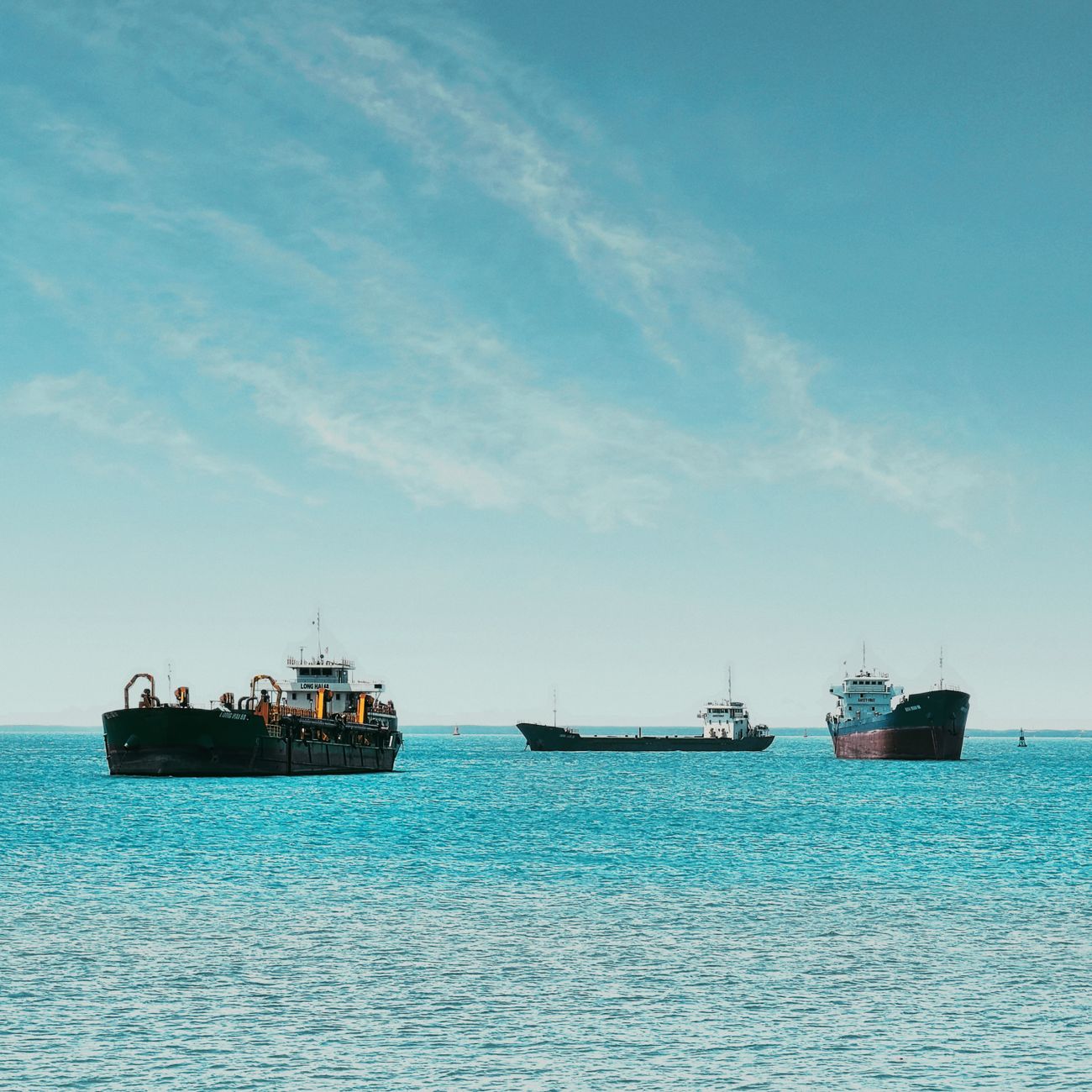
COLREGs are the cornerstone of international collision prevention. They are formally known as the International Regulations for Preventing Collisions at Sea and were first adopted in 1972 under the auspices of the International Maritime Organization. The regulations consist of 38 numbered rules that apply to all vessels on the high seas and in all waters, except where a State has expressly exempted its own vessels. Understanding each rule is essential for determining liability when a collision occurs, because the rules establish the standard of conduct that a prudent mariner must observe.
The term vessel is defined in the regulations as any watercraft capable of being propelled on water. This includes ships, boats, barges, and even non‑self‑propelled craft such as barges under tow. In liability analysis it is important to distinguish between a large vessel and a small craft, because the size, speed, and maneuverability of the craft influence the duty of care owed to other vessels.
Safe speed is a fundamental concept expressed in Rule 6. A vessel must proceed at a speed that allows it to take proper and effective action to avoid a collision and to stop within a distance appropriate to the prevailing circumstances. The “prevailing circumstances” include traffic density, visibility, state of the vessel, maneuverability, and proximity to hazards. When a collision occurs, investigators examine whether either party maintained a safe speed. For example, a cargo ship traveling at 20 knots in fog may be found negligent for not reducing speed to a level that would permit timely detection of another vessel.
Lookout is another essential duty defined in Rule 5. The rule requires every vessel to maintain a proper lookout by sight and hearing, as well as by all available means, such as radar and AIS (Automatic Identification System). Failure to maintain an effective lookout is a common basis for assigning fault. In a case where a tanker collides with a fishing boat, the court may determine that the tanker’s master failed to keep an adequate lookout because the bridge team was distracted by non‑essential communications, thereby breaching Rule 5.
The master holds ultimate responsibility for the navigation of the vessel. Under the doctrine of vicarious liability, the shipowner can be held liable for the master’s negligence. In many jurisdictions, the master’s decisions regarding course and speed are considered the “direct cause” of a collision if they deviate from the standards set by the COLREGs. For instance, a master who orders a sharp turn to starboard without first sounding a proper signal may be found at fault for violating Rule 34 (signalling manoeuvres).
Navigation lights and day shapes are covered in Rules 20 to 23. These visual signals provide crucial information about a vessel’s size, type, and activity. A failure to display the correct lights can lead to a collision, especially at night. In one notable case, a passenger ferry was found liable because it did not display the required navigation lights, making it invisible to a nearby cargo vessel that was on a crossing course.
Rules governing maneuvering and warning signals (Rules 34 to 37) require vessels to communicate their intended actions. For example, a sound signal of one short blast indicates an intention to turn to starboard, while two short blasts indicate a turn to port. The failure to emit the correct signal before a maneuver can be deemed negligent. In a practical scenario, a tugboat that does not sound the required two short blasts before turning to port may be held responsible for a subsequent collision with a cargo ship that was unaware of the tug’s intended path.
The concept of right of way is embedded throughout the rules. Rule 13 defines the “stand‑on” vessel as the one that has the right to proceed on its course and speed, while the “give‑way” vessel must take early and substantial action to avoid a collision. Determining which vessel is the stand‑on and which is the give‑way is a primary step in liability analysis. For example, if a fishing vessel is crossing the bow of a merchant ship, the fishing vessel is the give‑way vessel and must take action; failure to do so may result in liability for the resulting collision.
Rule 16 deals with the action to be taken by the give‑way vessel. It requires the give‑way vessel to take early and substantial action, and if the risk of collision remains, to take further action, including an alteration of course and speed. The rule also stipulates that the give‑way vessel must avoid “dangerous manoeuvres.” In practice, this means that a vessel cannot simply stop or reverse to avoid a collision if doing so would create a greater hazard.
The principle of comparative fault is often applied in maritime collision cases. Under comparative fault, liability is apportioned between the parties according to their degree of responsibility. For instance, if a cargo ship is found 70% at fault for failing to keep a proper lookout, and a small craft is 30% at fault for not displaying proper lights, the damages awarded to the small craft’s owners will be reduced by the 30% fault attributed to them. Many jurisdictions have adopted a “pure” comparative fault system, allowing recovery even if a party is more at fault than the other, while others apply a “modified” comparative fault rule that bars recovery if the plaintiff’s fault exceeds 50%.
The term negligence in maritime law is defined by the failure to exercise the standard of care required by the circumstances. In the context of collision liability, negligence is measured against the standards set out in the COLREGs. A vessel that fails to adhere to Rule 8 (action in case of risk of collision) by not taking appropriate evasive action may be deemed negligent. The standard of care also includes the requirement to use all available technology, such as radar and AIS, to detect other vessels.
Contributory negligence is a doctrine that, in some jurisdictions, can completely bar a plaintiff’s recovery if they are found to have contributed in any way to the accident. This harsh approach is less common in maritime law, where comparative fault is preferred. However, in certain common law states, a plaintiff who fails to keep a proper lookout may be barred from recovery even if the other vessel’s negligence was the predominant cause.
The concept of causation requires a direct link between the alleged negligent act and the resulting damage. Courts often apply the “but‑for” test: Would the collision have occurred but for the defendant’s breach of duty? In multi‑vessel accidents, establishing causation can be complex. For example, if three vessels are involved in a chain‑reaction collision, each may be examined for its contribution to the overall sequence of events.
Damage in maritime collision cases includes loss of life, personal injury, property loss, environmental harm, and loss of cargo. The assessment of damage takes into account both actual loss (e.G., Repair costs) and consequential loss (e.G., Loss of earnings). In environmental cases, damage may also include cleanup costs and ecological impact, which are often quantified by specialized agencies.
Marine insurance plays a pivotal role in the aftermath of a collision. The two primary forms of coverage are hull and machinery insurance for the vessel itself, and protection‑and‑indemnity (P&I) insurance for third‑party liabilities, including collision damages. P&I clubs often negotiate settlements on behalf of their members, but insurance does not absolve the vessel owner of liability; it merely provides financial protection.
General average is a principle whereby all parties in a maritime venture share the loss resulting from a voluntary sacrifice of part of the cargo or vessel to save the whole. While not directly a liability rule, general average can become relevant when a collision forces a vessel to jettison cargo to prevent sinking. The parties who benefit from the sacrifice must contribute proportionally to the loss.
The doctrine of due diligence is a defense that shipowners may raise to avoid liability. It requires the owner to show that they took all reasonable steps to ensure the vessel was seaworthy and complied with the COLREGs. Evidence of regular maintenance, crew training, and compliance checks can support a due‑diligence defense. However, due diligence does not excuse a willful violation of a rule, such as deliberately sailing without navigation lights.
The concept of seaworthiness is closely linked to due diligence. A vessel is seaworthy if it is fit for the intended voyage and properly equipped. Seaworthiness includes having a competent crew, functional navigation equipment, and an appropriate load plan. A breach of seaworthiness can give rise to liability independent of any fault under the COLREGs. For example, a ship that suffers a collision because its steering gear failed due to inadequate maintenance may be held liable for the lack of seaworthiness.
Flag state jurisdiction is a critical element in determining which national law applies to a collision. The flag state is the nation under whose laws the vessel is registered, and it generally has the primary authority to regulate the vessel’s operation. However, when a collision occurs in the territorial waters of another state, that coastal state may also claim jurisdiction, especially if environmental damage or loss of life is involved.
Port state control provides an additional layer of oversight. Port states can inspect foreign vessels to ensure compliance with international standards, including the COLREGs. In collision cases, port‑state authorities may conduct investigations and collect evidence, which can be used by courts in the flag state or in the claimant’s home jurisdiction.
Choice of law is a complex issue in maritime collisions. Parties may be subject to the law of the flag state, the law of the coastal state where the collision occurred, or the law of the state where the claim is filed. International conventions, such as the 1976 Carriage of Goods by Sea Act, may also influence the applicable law. In practice, courts often apply the “most significant relationship” test, looking at factors such as the place of the tort, the domicile of the parties, and the location of the vessel.
Admiralty jurisdiction in many common‑law countries provides a specialized forum for maritime disputes. Admiralty courts have expertise in maritime law and can apply international conventions, such as the International Convention on Civil Liability for Oil Pollution Damage. In collision cases, an admiralty court may be the appropriate venue for claims involving complex maritime issues, including salvage rights and shipowner responsibilities.
The term limitation of liability refers to statutory caps on the amount a shipowner can be required to pay. Many jurisdictions adopt the limitation regime set out in the 1936 Convention on Limitation of Liability for Maritime Claims. The limitation is calculated based on the gross tonnage of the vessel. For instance, a 50,000‑ton vessel may have a liability limit of several million dollars. However, limitations may be lifted if the claimant can prove the owner acted with the “intent to cause loss” or “reckless disregard” of safety.
Electronic Chart Display and Information System (ECDIS) is now mandatory for many vessels over a certain size. ECDIS provides real‑time navigation data and can alert crews to potential collision courses. Failure to use ECDIS properly can be considered a breach of the duty to maintain a proper lookout. In a recent case, a vessel that ignored ECDIS warnings of an imminent crossing conflict was found negligent, despite the crew’s claim that they relied on radar alone.
Automatic Identification System (AIS) transmits a vessel’s identity, position, course, and speed to nearby ships and shore stations. AIS data is a crucial source of evidence in collision investigations. Courts often examine AIS logs to reconstruct vessel movements. However, AIS can be switched off or spoofed, leading to disputes over its reliability. In one notable case, a vessel’s AIS data was found to be deliberately turned off during a night‑time maneuver, undermining its defense.
Radar is a primary detection tool, but its interpretation requires skill. Misinterpretation of radar echoes can result in false assumptions about another vessel’s course. A vessel that fails to correctly interpret a target’s bearing and speed may be found at fault for not taking appropriate evasive action. Training and proficiency in radar operation are therefore essential components of due diligence.
Voyage Data Recorder (VDR) functions similarly to an aircraft black box, recording bridge audio, radar images, AIS data, and other navigational information. VDR data is often admissible as evidence and can clarify the sequence of events leading to a collision. However, the integrity of VDR data may be challenged on grounds of tampering or technical malfunction.
Marine casualty investigation is typically conducted by the flag state, coastal state, or a designated authority such as the U.S. Coast Guard. The investigation report includes factual findings, analysis of compliance with the COLREGs, and recommendations. Although the report is not a legal judgment, its findings are frequently cited in court proceedings to establish the standards of care and the factual basis of the collision.
Fendering refers to the protective devices used when vessels berth alongside each other. In a collision that occurs during a docking maneuver, failure to properly deploy fenders can exacerbate damage and may be considered negligent. For example, a cruise ship that collides with a pier because the fendering system was not correctly positioned may be liable for the resulting structural damage.
Collision damage waiver (CDW) is a clause often found in charter parties and ship‑to‑ship transfer contracts. It allocates the risk of damage arising from a collision between the parties. While CDW can limit the financial exposure of one party, it does not relieve that party of regulatory liability under the COLREGs or national statutes.
Choice of forum is a strategic decision in multi‑jurisdictional collisions. Plaintiffs may select a forum that offers favorable procedural rules, such as liberal discovery or higher damage caps. Defendants may seek to move the case to a forum with a more restrictive limitation regime. International arbitration is another avenue, especially when parties have pre‑existing arbitration agreements.
Environmental liability is increasingly significant in collision cases involving oil tankers or bulk carriers of hazardous cargo. The International Convention on Civil Liability for Oil Pollution Damage imposes strict liability on shipowners for oil spills, regardless of fault. In addition, the Convention on the Prevention of Marine Pollution by Dumping of Wastes and Other Matter may apply when waste is released as a result of a collision. Environmental damage assessments often involve complex scientific studies to quantify impact on marine ecosystems.
Salvage rights arise when a vessel or its cargo is saved from peril. The law of salvage rewards the salvors for their efforts, but also imposes a duty to avoid unnecessary damage. In a collision scenario where a vessel is disabled, a third‑party salvage firm may intervene. The salvage contract must respect the COLREGs and avoid creating new hazards, otherwise the salvors could be liable for additional collisions.
Doctrine of forum non conveniens allows a court to dismiss a case if another forum is more appropriate for the parties. In maritime collisions, this doctrine may be invoked when the incident occurred in a foreign jurisdiction with a more direct connection to the parties or the vessel. Courts balance the convenience of the parties, the location of evidence, and the applicable law when deciding whether to stay or transfer the case.
Risk assessment is an ongoing process required by the International Safety Management (ISM) Code. Ship operators must assess collision risk as part of their safety management system. Evidence of a thorough risk assessment can support a due‑diligence defense, showing that the operator had identified and mitigated collision hazards. Conversely, a lack of documented risk assessment may be used to demonstrate negligence.
Human factors analysis examines the influence of fatigue, stress, and communication breakdowns on the crew’s performance. In many collision investigations, human factors are identified as a primary cause. For example, a study may reveal that the watch officer was suffering from chronic sleep deprivation, leading to delayed reaction to an approaching vessel. Courts may consider human factors when apportioning fault, but they do not absolve the crew of the duty to comply with the COLREGs.
Bridge Resource Management (BRM) is a training methodology that emphasizes teamwork, clear communication, and shared situational awareness on the bridge. Effective BRM can prevent misinterpretations of radar data and ensure that all crew members contribute to decision‑making. In collision litigation, evidence of inadequate BRM procedures may be introduced to establish a breach of the standard of care.
Legal presumptions sometimes arise in maritime collision law. One common presumption is that a vessel violating a specific rule of the COLREGs is at fault unless it can prove that compliance would not have prevented the collision. This “presumption of fault” shifts the burden of proof to the violating party, making it more challenging to escape liability.
Standard of proof in civil maritime collision cases is typically “balance of probabilities,” meaning that the plaintiff must show that it is more likely than not that the defendant’s breach caused the damage. In criminal prosecutions, such as those for reckless navigation, the standard is “beyond a reasonable doubt.” The distinction influences the strategy of both parties, particularly in cases involving severe environmental harm where criminal charges may be pursued.
Insurance subrogation occurs when an insurer pays a claim and then steps into the shoes of the insured to recover from the liable third party. Subrogation rights are essential for insurers to recoup losses, and they often involve complex contractual language. In collisions, a P&I club may subrogate against another vessel’s insurer after paying for damage to its member’s vessel.
Joint and several liability may arise when multiple parties are found responsible for a collision. Under joint and several liability, a plaintiff can recover the full amount of damages from any one of the liable parties, who can then seek contribution from the others. This principle encourages settlements and ensures that plaintiffs are fully compensated even if one defendant is insolvent.
Limitation period sets a time frame within which a claim must be filed. In many jurisdictions, the limitation period for maritime collision claims is three years from the date of the incident. However, the period may be extended if the damage was not discoverable until later, such as latent structural damage that becomes apparent only after a vessel has returned to service.
Force majeure is a contractual clause that excuses performance when extraordinary events beyond the parties’ control occur. While a collision is generally not considered a force‑majeure event, parties may argue that unexpected weather conditions that contributed to the collision constitute an act of God, thereby limiting liability for certain contractual obligations.
Adverse weather conditions, such as fog, heavy rain, or high seas, can affect the duty of care. Rule 6 requires vessels to adjust speed according to visibility, while Rule 8 obliges them to take action to avoid collision when a risk is present. In a collision occurring during a storm, the court will assess whether the vessel’s speed and maneuvers were appropriate given the weather, and whether any failure to reduce speed or alter course constituted negligence.
Cross‑border enforcement is a practical challenge when the parties to a collision are located in different jurisdictions. Enforcement of judgments may rely on bilateral treaties, the 1958 Convention on the Recognition and Enforcement of Foreign Arbitral Awards, or the 2005 New York Convention for recognition of foreign judgments. In the absence of an applicable treaty, a judgment may be difficult to enforce, especially if the losing party’s assets are located in a non‑cooperating state.
Statutory damages are occasionally available in environmental collision cases. Certain statutes, such as the United States’ Oil Pollution Act, provide for fixed statutory penalties in addition to actual damages. These penalties can be substantial, serving both a compensatory and deterrent function. Plaintiffs may elect to pursue statutory damages when actual damages are difficult to quantify.
Proof of breach often relies on documentary evidence, including ship logs, bridge minutes, and communication records. The logs, which record the vessel’s position, speed, and course at regular intervals, are considered primary evidence. In many jurisdictions, the ship’s log is presumed accurate unless contradicted by other evidence. However, logs can be challenged if they are not contemporaneously maintained or if they appear to have been altered.
Expert testimony is frequently employed to interpret technical data, such as radar plots, AIS trajectories, and hydrographic conditions. Experts may also assess the reasonableness of the vessel’s speed or the adequacy of its lookout. The credibility and qualifications of the expert can significantly influence the outcome, especially when complex navigational decisions are at issue.
Standard contractual clauses in charter parties, such as the “time charter” and “voyage charter,” allocate responsibilities for navigation and collision liability. In a time charter, the shipowner retains control over the vessel’s operation and thus bears primary liability for collisions. In a voyage charter, the charterer may be responsible for the voyage plan, potentially sharing liability. Understanding these contractual allocations is essential for determining who will be sued and who will be defended.
Legal doctrines of “act of God” and “inevitable accident” can be invoked as defenses. An “act of God” refers to a natural event that could not have been anticipated or avoided, such as a sudden rogue wave. The “inevitable accident” doctrine applies when a collision occurs despite the exercise of all reasonable precautions. Both defenses require a high burden of proof, and courts scrutinize the factual matrix carefully before accepting them.
Collision avoidance technology includes forward‑looking sonar, dynamic positioning systems, and integrated bridge systems that fuse data from multiple sensors. The presence of such technology raises the expectation that the crew will use it effectively. Failure to engage or monitor these systems may be construed as a breach of the duty to maintain a proper lookout.
Legal precedent shapes the interpretation of the COLREGs. Landmark cases, such as the “Wasa” collision in 1984, established that a vessel violating Rule 14 (head-on situation) is presumed at fault unless it can prove that compliance would have been impossible. Subsequent cases have refined the application of the presumption, especially where multiple violations occur.
International conventions such as the Convention on the International Regulations for Preventing Collisions at Sea (1972) and the Convention on Limitation of Liability for Maritime Claims (1936, as amended) provide a uniform legal framework. However, implementation varies by State, and some jurisdictions have enacted stricter national statutes. Practitioners must navigate the interplay between the universal standards and local law.
Jurisdictional conflict often arises when a collision occurs in an Exclusive Economic Zone (EEZ) of a coastal state, but the vessels are flagged under different states. The coastal state may claim jurisdiction based on environmental protection statutes, while the flag states may assert primary jurisdiction under the principle of “flag state control.” International dispute resolution mechanisms, such as the International Tribunal for the Law of the Sea, may be engaged to resolve such conflicts.
Maritime liens can arise from collision damage. A maritime lien is a privileged claim against a vessel for certain debts, including damages arising from a collision. The lien attaches to the vessel itself, allowing the claimant to arrest the ship to secure payment. The existence and priority of maritime liens are governed by national law, but many jurisdictions recognize a lien for collision damages.
Arrest of a vessel is a remedial measure used to secure a claim. If a claimant obtains a court order, the vessel can be detained in port until the dispute is resolved or security is provided. Arrest is a powerful tool, but it also imposes significant commercial pressure on the shipowner, often leading to settlement negotiations.
Collateral warranties may be included in financing documents, where lenders require the shipowner to guarantee that the vessel complies with the COLREGs. Breach of such warranties can trigger default under loan agreements, adding a financial dimension to collision liability.
Insurance clauses such as “waiver of subrogation” can affect recovery. A waiver of subrogation prevents the insurer from suing a third party for damages it has paid. While common in commercial contracts, such clauses may be unenforceable if they contravene public policy or statutory rights, especially in cases involving gross negligence or environmental harm.
Regulatory inspections conducted by flag or port states often produce reports that become evidence in collision litigation. Findings of non‑compliance with safety standards, such as outdated navigation equipment, can substantiate claims of negligence. Conversely, a clean inspection record can support a defense of due diligence.
Corporate veil considerations arise when the vessel is owned by a corporate entity separate from the operating company. Plaintiffs may attempt to pierce the corporate veil to hold the operating company directly liable for the shipowner’s actions. Courts are generally reluctant to do so unless there is evidence of fraud or abuse of the corporate form.
International arbitration clauses in ship‑charter contracts often specify the London Maritime Arbitrators Association (LMAA) or the International Chamber of Commerce (ICC) as the forum. Arbitration can provide a faster, more specialized resolution process, but parties must still address the underlying issues of negligence, fault, and causation.
Statutory limitations on damages differ across jurisdictions. Some countries cap damages for personal injury, while others allow unlimited recovery for loss of life. Environmental damages may be capped or uncapped depending on national legislation. Knowledge of these caps is essential for assessing the potential exposure of a shipowner.
Remedies in collision cases include compensatory damages, punitive damages (where permitted), and specific performance (such as ordering a vessel to be repaired). In some jurisdictions, courts may order the installation of safety equipment as a remedial measure, especially when the collision revealed systemic safety deficiencies.
Evidence preservation is critical immediately after a collision. The parties must secure bridge recordings, radar plots, AIS data, and crew statements. Failure to preserve evidence can lead to spoliation sanctions, including adverse inference rulings. In practice, many flag states issue “preservation orders” requiring the vessel to retain all data until the investigation concludes.
Legal research tools such as the International Maritime Organization (IMO) database, case law reporters, and national statutes are indispensable for practitioners. Keeping abreast of updates to the COLREGs, amendments to the Limitation of Liability Convention, and emerging case law ensures accurate advice to clients.
Risk management strategies for shipowners include implementing robust safety management systems, conducting regular crew training on collision avoidance, and investing in advanced navigation technology. These measures not only reduce the likelihood of a collision but also provide evidence of compliance with the duty of care, strengthening the defense in the event of a claim.
Inter‑agency cooperation is often required during a collision investigation. Coast guards, environmental agencies, and marine safety authorities collaborate to assess damage, contain pollution, and gather evidence. Coordination among these bodies can affect the speed and thoroughness of the investigation, influencing the eventual legal outcome.
Public policy considerations sometimes override contractual limitations. Courts may refuse to enforce a limitation clause if the conduct involved gross negligence, willful misconduct, or environmental devastation. This public policy exception ensures that parties cannot contract out of liability for egregious conduct.
International litigation funding has become an important factor in large‑scale collision cases, especially those involving multinational plaintiffs and complex environmental claims. Litigation finance firms may provide capital for extensive discovery and expert testimony, in exchange for a share of any recovery. This arrangement can shape the dynamics of settlement negotiations.
Procedural rules in admiralty courts differ from civil courts. For example, the “forum non conveniens” doctrine may be applied more liberally, and the standard for summary judgment may be stricter due to the specialized nature of maritime claims. Practitioners must be familiar with these procedural nuances to effectively advocate for their clients.
Case law analysis often focuses on the “reasonable mariner” standard. This hypothetical standard asks whether a competent mariner, exercising ordinary skill and judgment, would have acted similarly under the same circumstances. Courts compare the defendant’s conduct to that benchmark to determine negligence.
Regulatory compliance audits are a proactive tool for shipowners. By commissioning third‑party audits of navigation practices, equipment maintenance, and crew competence, owners can identify gaps before a collision occurs. Documentation of these audits can be pivotal in establishing that the owner took reasonable steps to prevent accidents.
Insurance policy wordings may contain exclusions for certain types of collisions, such as those involving war risks or acts of terrorism. Understanding these exclusions is essential when evaluating coverage. In some cases, a collision arising from a pirate attack may be excluded from standard P&I coverage, requiring separate war risk insurance.
Legal counsel coordination between the shipowner’s counsel, the insurer’s counsel, and the client’s in‑house team is vital. Aligning strategies ensures that settlement offers, litigation tactics, and public statements are consistent. Misalignment can lead to adverse outcomes, such as contradictory statements that weaken the defense.
Documentation of corrective actions after a near‑miss or minor collision is often required by regulators. The ship’s safety management system should record root‑cause analyses, corrective measures, and follow‑up verification. These records can serve as evidence of a proactive safety culture, mitigating liability in subsequent claims.
International cooperation agreements facilitate the sharing of AIS and VDR data across borders. The IMO’s Global Integrated Shipping Information System (GISIS) provides a platform for exchanging safety‑related information, enhancing the ability of investigators to reconstruct incidents involving vessels from multiple states.
Technological advancements such as machine‑learning‑based collision prediction systems are emerging. These systems analyze real‑time data to forecast collision risk and recommend maneuvers. While they improve safety, they also raise legal questions about standard of care: Does reliance on automated advice create a new duty, and how is liability apportioned when the system fails?
Policy implications of collision liability extend beyond individual cases. High‑profile collisions can prompt legislative reforms, such as stricter speed limits in congested waterways or mandatory installation of advanced detection equipment. Understanding the broader regulatory environment helps practitioners anticipate future changes that may affect their clients.
Ethical considerations arise when balancing client advocacy with public safety. Lawyers must navigate confidentiality obligations while respecting obligations to report unsafe practices to authorities, especially when a client’s actions may pose ongoing risks to other vessels. Professional codes of conduct often provide guidance on these dilemmas.
Training simulations are used by maritime academies to teach collision avoidance. Simulators replicate realistic scenarios, allowing cadets to practice compliance with the COLREGs. The insights gained from these training tools can be cited in expert testimony to illustrate what a prudent mariner would have done.
Historical evolution of collision law reflects changes in shipping technology and traffic density. Early cases focused on simple right‑of‑way rules, while modern cases incorporate complex electronic navigation systems. The legal framework continues to evolve, incorporating new standards as technology advances.
Future challenges include harmonizing differing national interpretations of the COLREGs, addressing the legal status of autonomous vessels, and integrating cyber‑risk considerations into collision liability. As autonomous ships become operational, questions will arise about who bears responsibility for a collision: The shipowner, the software developer, or the remote operator.
Statistical data on maritime collisions shows that a significant proportion involve human error, followed by equipment failure and adverse weather. This data informs risk‑management strategies, emphasizing crew training, equipment maintenance, and weather monitoring as key preventive measures.
International case examples illustrate the application of these principles. In the “Ever Given” incident, the container ship’s grounding in the Suez Canal prompted extensive analysis of the vessel’s speed, environmental conditions, and compliance with traffic separation schemes. While not a collision in the traditional sense, the case highlighted the importance of adhering to navigation rules and the complex liability landscape involving multiple parties.
In another case, a bulk carrier collided with a reef in a protected marine area, causing significant ecological damage. The court applied strict liability under environmental statutes, imposing penalties that exceeded the vessel’s limitation of liability. The shipowner subsequently faced bankruptcy, underscoring the financial stakes of non‑compliance.
Practical application of these concepts requires diligent documentation, continuous training, and proactive compliance measures. Ship operators should conduct regular drills, maintain accurate logs, and ensure that all navigation equipment is calibrated and functional. By embedding these practices into daily operations, the likelihood of a collision diminishes, and the legal exposure is mitigated.
Challenges in evidence collection include the preservation of electronic data, the reliability of witness testimony, and the interpretation of technical information. Courts may appoint special masters to oversee complex technical evidence, ensuring that the parties receive a fair opportunity to present their case.
Conclusion (omitted as per instruction).
Key takeaways
- They are formally known as the International Regulations for Preventing Collisions at Sea and were first adopted in 1972 under the auspices of the International Maritime Organization.
- In liability analysis it is important to distinguish between a large vessel and a small craft, because the size, speed, and maneuverability of the craft influence the duty of care owed to other vessels.
- A vessel must proceed at a speed that allows it to take proper and effective action to avoid a collision and to stop within a distance appropriate to the prevailing circumstances.
- In a case where a tanker collides with a fishing boat, the court may determine that the tanker’s master failed to keep an adequate lookout because the bridge team was distracted by non‑essential communications, thereby breaching Rule 5.
- In many jurisdictions, the master’s decisions regarding course and speed are considered the “direct cause” of a collision if they deviate from the standards set by the COLREGs.
- In one notable case, a passenger ferry was found liable because it did not display the required navigation lights, making it invisible to a nearby cargo vessel that was on a crossing course.
- In a practical scenario, a tugboat that does not sound the required two short blasts before turning to port may be held responsible for a subsequent collision with a cargo ship that was unaware of the tug’s intended path.