
Marine Environmental Protection
Marine environmental protection is a critical aspect of international maritime law, as it seeks to prevent and mitigate the harmful effects of human activities on the marine environment. One of the key terms in this context is pollution , w…
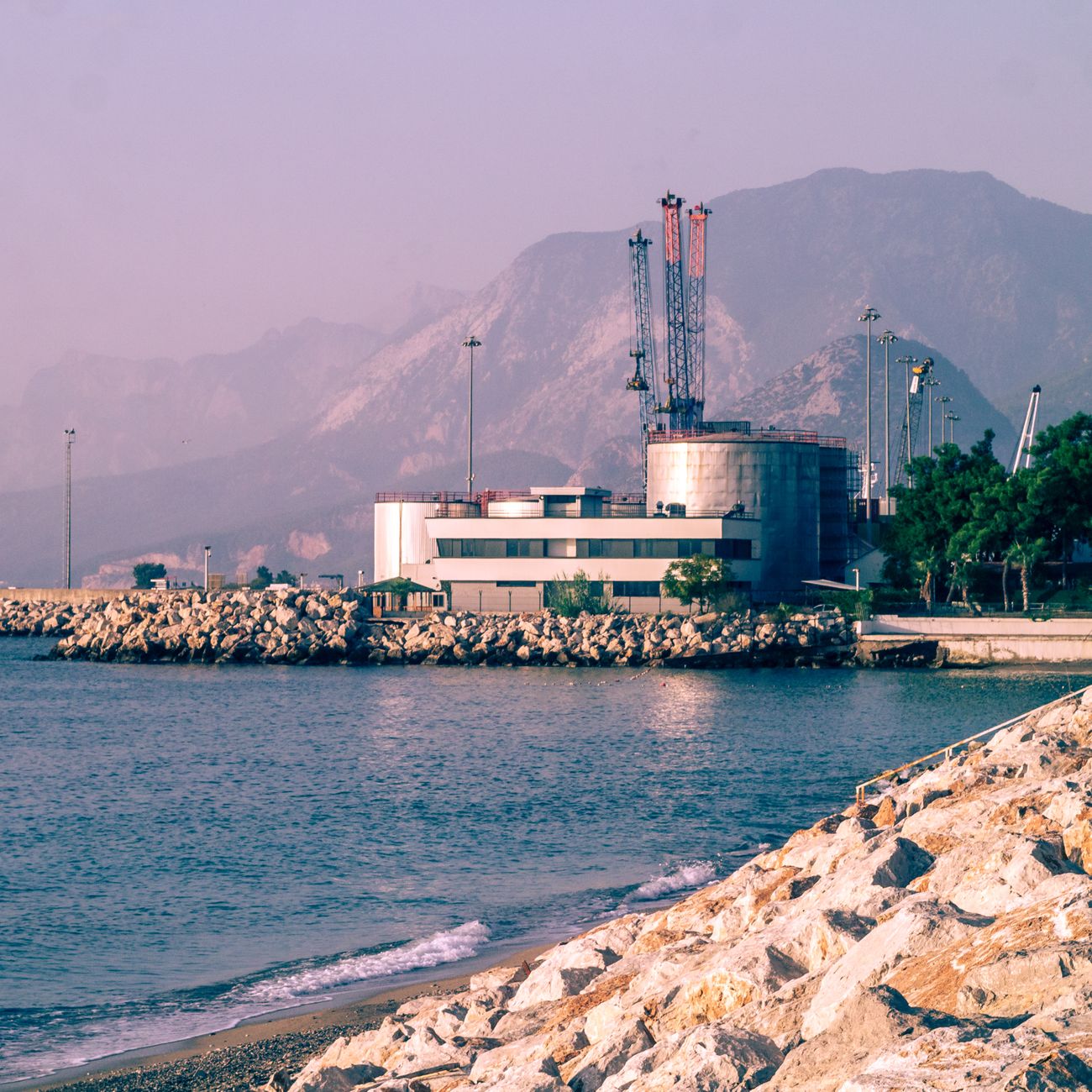
Marine environmental protection is a critical aspect of international maritime law, as it seeks to prevent and mitigate the harmful effects of human activities on the marine environment. One of the key terms in this context is pollution, which refers to the introduction of harmful substances or energy into the marine environment, causing harm to living organisms and ecosystems. Pollution can take many forms, including oil spills, chemical runoff, and plastic debris.
The marine ecosystem is a complex and delicate system that is essential for maintaining the health of the planet. It provides a wide range of benefits, including food, livelihoods, and recreational opportunities. However, human activities such as overfishing and habitat destruction can have devastating impacts on the marine ecosystem. Overfishing, for example, can lead to the depletion of fish stocks, while habitat destruction can cause the loss of critical habitats such as coral reefs and mangroves.
Another important term in marine environmental protection is conservation, which refers to the practice of protecting and preserving the marine environment and its resources. Conservation efforts can include measures such as establishing marine protected areas, implementing sustainable fishing practices, and reducing pollution from land-based activities. Marine protected areas, for example, can provide a safe haven for marine life to thrive, while sustainable fishing practices can help to maintain healthy fish stocks.
The precautionary principle is a key concept in marine environmental protection, which states that when there is a risk of harm to the environment, precautionary measures should be taken to prevent or mitigate that harm, even if the science is not yet definitive. This principle is particularly important in the context of climate change, which is having a significant impact on the marine environment. Climate change is causing ocean acidification, which can have devastating impacts on marine life, particularly organisms with calcium carbonate shells such as corals and shellfish.
International cooperation is essential for effective marine environmental protection, as many marine environmental issues are global in scope. The United Nations Convention on the Law of the Sea (UNCLOS) is a key international agreement that provides a framework for the protection of the marine environment. UNCLOS sets out a range of obligations and responsibilities for states to protect the marine environment, including the duty to prevent pollution and to conserve living resources.
The MARPOL convention is another important international agreement that aims to prevent pollution from ships. MARPOL sets out a range of regulations and standards for ships, including requirements for waste management and emission control. The convention also establishes a system of port state control, which allows states to inspect and enforce compliance with MARPOL regulations in their ports.
In addition to international agreements, national laws and regulations also play a critical role in marine environmental protection. Many countries have established environmental agencies and enforcement authorities to oversee and enforce compliance with marine environmental laws and regulations. These agencies may have a range of powers, including the ability to conduct inspections and investigations, and to impose penalties for non-compliance.
One of the challenges in marine environmental protection is the issue of enforcement, particularly in areas beyond national jurisdiction. The high seas are a global commons, and as such, they are not subject to the jurisdiction of any single state. This can make it difficult to enforce marine environmental laws and regulations, as there may be no clear authority or mechanism for doing so. However, international cooperation and the establishment of regional agreements and organisations can help to address this challenge.
Another challenge is the issue of climate change, which is having a profound impact on the marine environment. Climate change is causing sea level rise, which can lead to coastal erosion and flooding. It is also causing changes in ocean circulation and temperature, which can have devastating impacts on marine life. Addressing climate change will require a concerted effort from governments, industry, and civil society, and will involve a range of measures, including reducing greenhouse gas emissions and promoting sustainable development.
The ballast water issue is another important challenge in marine environmental protection. Ballast water is used by ships to stabilize their cargo, but it can also carry invasive species and pollutants that can harm the marine environment. The Ballast Water Management Convention is an international agreement that aims to address this issue, by requiring ships to implement ballast water management systems and to conduct regular inspections and maintenance.
In recent years, there has been a growing recognition of the importance of ocean governance in marine environmental protection. Ocean governance refers to the system of rules, regulations, and institutions that govern human activities in the ocean. Effective ocean governance is critical for protecting the marine environment, as it can help to prevent overfishing, habitat destruction, and pollution. It can also help to promote sustainable development and equity in the use of ocean resources.
The ecosystem approach is a key concept in ocean governance, which involves managing human activities in a way that takes into account the complex relationships between different components of the marine ecosystem. This approach recognizes that the marine ecosystem is a complex and interconnected system, and that human activities can have far-reaching and unintended consequences. By taking an ecosystem approach, governments and other stakeholders can work to promote sustainability and resilience in the marine environment.
The Blue Economy is another important concept in ocean governance, which refers to the sustainable use of ocean resources for economic development. The Blue Economy recognizes that the ocean has the potential to provide a wide range of benefits, including food, energy, and minerals, but that these benefits must be harvested in a sustainable and responsible way. The Blue Economy approach involves promoting innovation and entrepreneurship in the ocean sector, while also ensuring that human activities are environmentally sustainable and socially responsible.
The science-policy interface is a critical component of ocean governance, which involves the interaction between scientists, policymakers, and other stakeholders. This interface is essential for ensuring that decision-making is informed by the best available scientific knowledge and data. It is also important for promoting transparency and accountability in decision-making, and for ensuring that the needs and concerns of different stakeholders are taken into account.
In practice, marine environmental protection involves a range of activities, including monitoring and surveillance of the marine environment, enforcement of laws and regulations, and education and outreach to promote awareness and understanding of marine environmental issues. It also involves research and development of new technologies and approaches, such as marine renewable energy and eco-friendly shipping.
The International Maritime Organization (IMO) is a key player in marine environmental protection, as it is responsible for developing and implementing international agreements and standards for the prevention of pollution from ships. The IMO has established a range of committees and working groups to address different aspects of marine environmental protection, including the Marine Environment Protection Committee (MEPC) and the Technical Cooperation Committee (TCC).
The Food and Agriculture Organization (FAO) is another important organization that plays a critical role in marine environmental protection, particularly in the context of sustainable fisheries and aquaculture. The FAO has established a range of codes of conduct and guidelines to promote sustainable fishing practices and to prevent overfishing and habitat destruction.
The United Nations Environment Programme (UNEP) is also a key player in marine environmental protection, as it provides a range of technical assistance and capacity-building programs to support countries in their efforts to protect the marine environment. UNEP has established a range of partnerships and collaborations with other organizations and stakeholders to address different aspects of marine environmental protection, including climate change and pollution.
In terms of practical applications, marine environmental protection involves a range of activities, including the establishment of marine protected areas and marine reserves, the implementation of sustainable fishing practices and eco-friendly shipping, and the promotion of environmentally responsible and sustainable tourism. It also involves the development and use of new technologies and innovative approaches, such as marine renewable energy and green shipping.
The challenges in marine environmental protection are many and varied, and they require a concerted effort from governments, industry, and civil society. Some of the key challenges include the need to balance economic development with environmental protection, the need to address the impacts of climate change on the marine environment, and the need to promote international cooperation and coordination on marine environmental issues.
Despite these challenges, there are many examples of successful marine environmental protection efforts around the world. For example, the establishment of marine protected areas has been shown to be effective in promoting biodiversity and ecosystem health, while the implementation of sustainable fishing practices has helped to conserve fish stocks and protect the marine environment.
In addition, there are many organizations and initiatives that are working to promote marine environmental protection, such as the Ocean Conservancy and the World Wildlife Fund. These organizations are involved in a range of activities, including advocacy and education, research and development, and community engagement and outreach.
Overall, marine environmental protection is a critical aspect of international maritime law, and it requires a concerted effort from governments, industry, and civil society. By working together, we can promote sustainable development and environmental protection, and ensure a healthy and thriving marine environment for future generations. The science and technology are available to support marine environmental protection, and it is up to us to use them to promote innovation and sustainability in the ocean sector.
The future of marine environmental protection will depend on our ability to address the challenges and opportunities that lie ahead. This will require a range of strategies and approaches, including the development of new technologies and innovative solutions, the promotion of international cooperation and coordination, and the engagement of stakeholders and communities in marine environmental protection efforts.
In terms of policy and governance, marine environmental protection will require a range of instruments and mechanisms, including laws and regulations, policies and plans, and agreements and conventions. It will also require the establishment of institutions and organizations to oversee and implement marine environmental protection efforts, such as the International Maritime Organization and the Food and Agriculture Organization.
The private sector also has a critical role to play in marine environmental protection, particularly in terms of innovation and investment in sustainable technologies and practices. The private sector can also help to promote awareness and education on marine environmental issues, and to support community and stakeholder engagement in marine environmental protection efforts.
In conclusion, marine environmental protection is a complex and multifaceted issue that requires a concerted effort from governments, industry, and civil society.
Key takeaways
- One of the key terms in this context is pollution, which refers to the introduction of harmful substances or energy into the marine environment, causing harm to living organisms and ecosystems.
- Overfishing, for example, can lead to the depletion of fish stocks, while habitat destruction can cause the loss of critical habitats such as coral reefs and mangroves.
- Conservation efforts can include measures such as establishing marine protected areas, implementing sustainable fishing practices, and reducing pollution from land-based activities.
- Climate change is causing ocean acidification, which can have devastating impacts on marine life, particularly organisms with calcium carbonate shells such as corals and shellfish.
- UNCLOS sets out a range of obligations and responsibilities for states to protect the marine environment, including the duty to prevent pollution and to conserve living resources.
- The convention also establishes a system of port state control, which allows states to inspect and enforce compliance with MARPOL regulations in their ports.
- Many countries have established environmental agencies and enforcement authorities to oversee and enforce compliance with marine environmental laws and regulations.