
Sustainable Land Development Practices
Sustainable land development practices are essential for ensuring that the use of land resources is responsible, efficient, and able to meet the needs of both present and future generations. In the Professional Certificate in Land Developme…
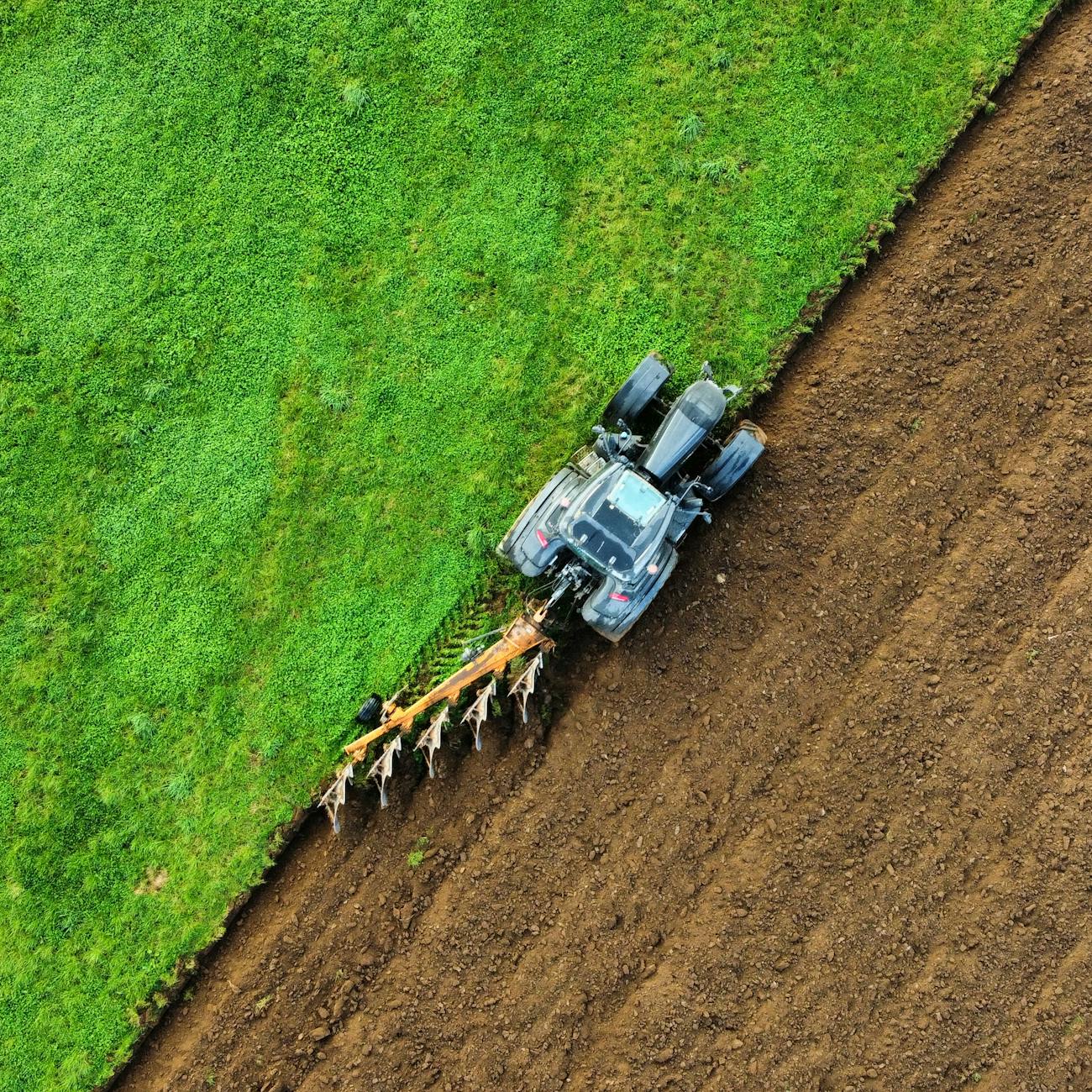
Sustainable land development practices are essential for ensuring that the use of land resources is responsible, efficient, and able to meet the needs of both present and future generations. In the Professional Certificate in Land Development, students will learn about the key terms and vocabulary related to sustainable land development practices. This explanation will provide a comprehensive overview of these terms and concepts, along with examples, practical applications, and challenges.
1. Sustainable Development: Sustainable development refers to the development that meets the needs of the present without compromising the ability of future generations to meet their own needs. It involves balancing economic, social, and environmental goals to create a more sustainable and equitable world. In land development, sustainable development means creating communities and spaces that are environmentally responsible, socially equitable, and economically viable. 2. Smart Growth: Smart growth is a sustainable land development practice that emphasizes compact, mixed-use development, and the efficient use of land, energy, and resources. It aims to reduce sprawl, preserve open space, and promote walkable, bikeable, and transit-oriented communities. Smart growth strategies include urban infill, redevelopment, and the creation of compact, walkable neighborhoods with a mix of housing, jobs, and amenities. 3. Green Infrastructure: Green infrastructure refers to the network of natural and semi-natural features, such as parks, wetlands, and green roofs, that provide a range of ecological, social, and economic benefits. Green infrastructure can help to reduce stormwater runoff, improve air quality, mitigate the urban heat island effect, and provide habitat for wildlife. In land development, green infrastructure can be integrated into the design of new developments and the retrofit of existing ones. 4. Low-Impact Development (LID): Low-impact development is a sustainable land development practice that aims to minimize the impact of development on the environment. LID techniques include the use of permeable pavement, rain gardens, and bioretention systems to manage stormwater runoff, as well as the preservation of natural features such as wetlands and vegetation. LID can help to reduce the volume and pollutant load of stormwater runoff, protect water quality, and reduce the need for costly and energy-intensive grey infrastructure. 5. Brownfields: Brownfields are contaminated or potentially contaminated sites that are underused or abandoned due to real or perceived environmental contamination. Brownfields can include former industrial sites, gas stations, and dry cleaners. Brownfield redevelopment is the process of cleaning up and reusing these sites for new development, such as housing, commercial, or mixed-use projects. Brownfield redevelopment can help to revitalize communities, create jobs, and protect open space. 6. Urban Agriculture: Urban agriculture is the practice of growing food and other crops in urban areas, often in small-scale, intensive systems such as community gardens, rooftop farms, and vertical gardens. Urban agriculture can provide fresh, healthy food to urban residents, reduce food insecurity, and create green spaces in densely populated areas. Urban agriculture can also help to reduce stormwater runoff, improve air quality, and provide habitat for wildlife. 7. Renewable Energy: Renewable energy is energy generated from sources that are replenished naturally, such as solar, wind, and geothermal. Renewable energy can help to reduce greenhouse gas emissions, improve energy security, and create jobs. In land development, renewable energy can be integrated into the design of new developments, such as through the use of solar panels, wind turbines, and geothermal systems. 8. LEED Certification: LEED (Leadership in Energy and Environmental Design) certification is a rating system developed by the US Green Building Council that evaluates the environmental performance of buildings and neighborhoods. LEED certification is based on a points system, with points awarded for various sustainable design and construction features, such as energy efficiency, water conservation, and indoor air quality. LEED certification can help to promote sustainable development, reduce environmental impact, and increase building value. 9. Context-Sensitive Design: Context-sensitive design is a sustainable land development practice that takes into account the unique characteristics of a site and its surrounding environment. Context-sensitive design aims to preserve the natural and cultural features of a site, minimize the impact of development on the environment, and create a sense of place. Context-sensitive design can include the use of local materials, the preservation of historic structures, and the creation of pedestrian-friendly streets and public spaces. 10. Environmental Impact Assessment (EIA): An Environmental Impact Assessment (EIA) is a process of evaluating the potential environmental impacts of a proposed development project. An EIA typically includes a review of the project's potential impacts on air, water, soil, and wildlife, as well as the potential social and economic impacts. An EIA can help to identify potential environmental risks and opportunities, inform decision-making, and ensure compliance with environmental regulations.
In summary, sustainable land development practices are essential for ensuring that the use of land resources is responsible, efficient, and able to meet the needs of both present and future generations. The key terms and vocabulary related to sustainable land development practices include sustainable development, smart growth, green infrastructure, low-impact development, brownfields, urban agriculture, renewable energy, LEED certification, context-sensitive design, and environmental impact assessment. Understanding these terms and concepts is essential for creating sustainable, resilient, and equitable communities.
Examples and practical applications:
* A smart growth strategy for a city might include the creation of transit-oriented development around a new light rail station, with a mix of housing, jobs, and amenities within walking distance. * A green infrastructure plan for a community might include the creation of a network of parks, greenways, and green roofs to provide habitat for wildlife, reduce stormwater runoff, and improve air quality. * A low-impact development project might include the use of permeable pavement, rain gardens, and bioretention systems to manage stormwater runoff and protect water quality. * A brownfield redevelopment project might involve the clean-up and reuse of an abandoned industrial site for a new mixed-use development, creating jobs and revitalizing the community. * An urban agriculture project might include the creation of a community garden in a densely populated neighborhood, providing fresh produce and green space for local residents. * A renewable energy project might include the installation of solar panels on a new commercial building, reducing energy costs and greenhouse gas emissions.
Challenges:
* Political and economic barriers to sustainable land development practices, such as resistance to increased density, zoning restrictions, and lack of funding. * Technical challenges, such as the need for new technologies and infrastructure to support sustainable development. * Social and cultural barriers, such as resistance to change, lack of awareness or understanding of sustainable development, and concerns about property values.
To overcome these challenges, sustainable land development professionals must be able to communicate the benefits of sustainable development, build partnerships and coalitions, and advocate for policies and regulations that support sustainable development. They must also be able to work collaboratively with stakeholders, including community members, policymakers, and other professionals, to create sustainable, resilient, and equitable communities.
Key takeaways
- Sustainable land development practices are essential for ensuring that the use of land resources is responsible, efficient, and able to meet the needs of both present and future generations.
- LEED Certification: LEED (Leadership in Energy and Environmental Design) certification is a rating system developed by the US Green Building Council that evaluates the environmental performance of buildings and neighborhoods.
- In summary, sustainable land development practices are essential for ensuring that the use of land resources is responsible, efficient, and able to meet the needs of both present and future generations.
- * A green infrastructure plan for a community might include the creation of a network of parks, greenways, and green roofs to provide habitat for wildlife, reduce stormwater runoff, and improve air quality.
- * Social and cultural barriers, such as resistance to change, lack of awareness or understanding of sustainable development, and concerns about property values.
- They must also be able to work collaboratively with stakeholders, including community members, policymakers, and other professionals, to create sustainable, resilient, and equitable communities.