
Environmental Considerations in Land Development
In the field of land development, environmental considerations play a crucial role in ensuring sustainable and responsible use of land resources. Here are some key terms and vocabulary related to environmental considerations in land develop…
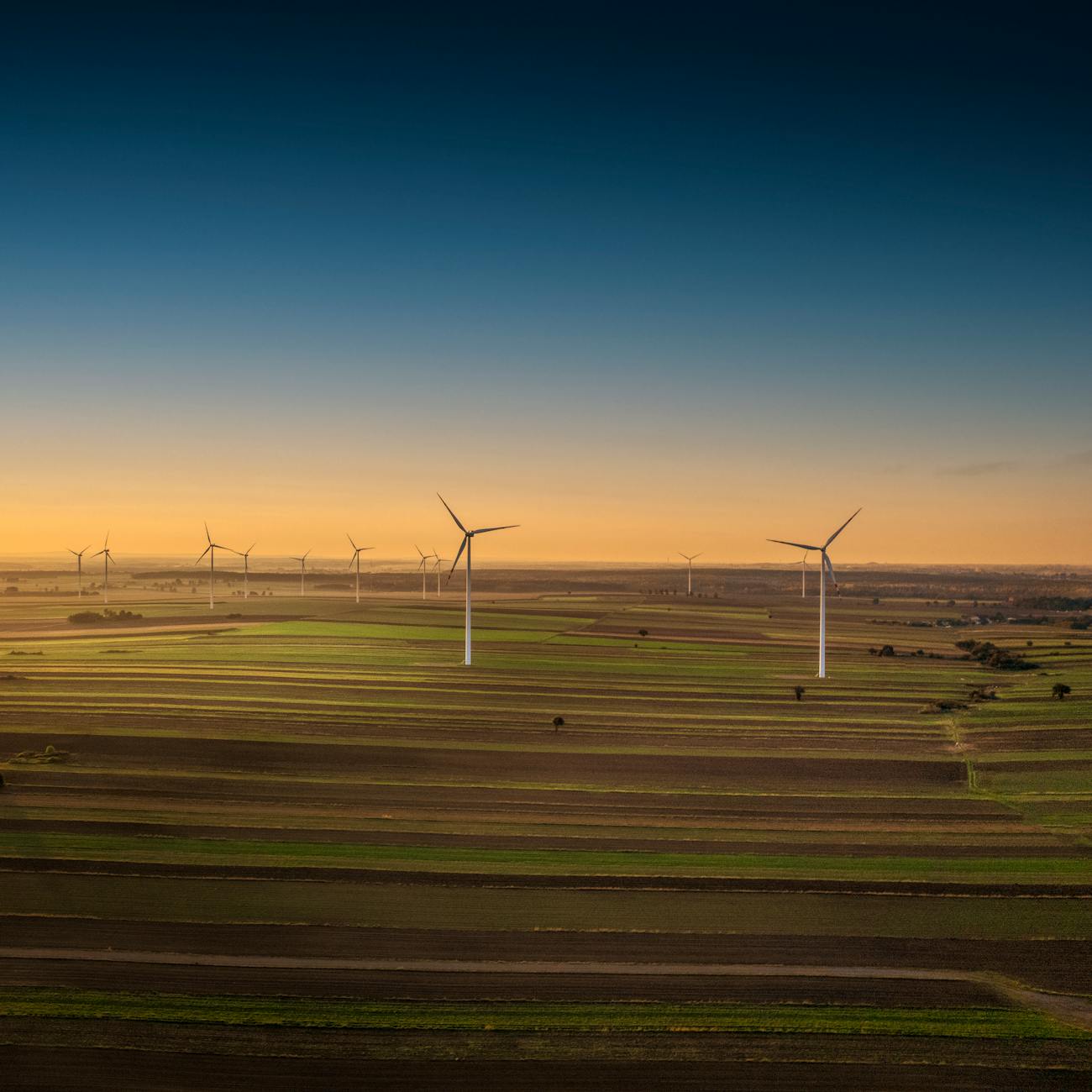
In the field of land development, environmental considerations play a crucial role in ensuring sustainable and responsible use of land resources. Here are some key terms and vocabulary related to environmental considerations in land development:
1. Sustainability: The ability to meet the needs of the present without compromising the ability of future generations to meet their own needs. Sustainability is a critical concept in land development, as it emphasizes the importance of balancing economic, social, and environmental factors to create long-term value. 2. Green infrastructure: A network of natural and semi-natural features, such as parks, wetlands, and green roofs, that provide a range of environmental, social, and economic benefits. Green infrastructure can help to reduce flooding, improve air quality, and provide habitat for wildlife, while also enhancing the quality of life for people. 3. Low-impact development (LID): A design approach that aims to minimize the impact of development on the environment by using techniques such as rain gardens, permeable pavement, and green roofs to manage stormwater runoff. LID can help to reduce the risk of flooding, protect water quality, and create habitat for wildlife. 4. Biodiversity: The variety of plant and animal life in a particular habitat or ecosystem. Biodiversity is important for maintaining the health and resilience of ecosystems, and for providing a range of ecosystem services, such as pollination, pest control, and water filtration. 5. Carbon footprint: The total amount of greenhouse gases emitted by an individual, organization, or activity. Reducing the carbon footprint is an important goal in land development, as it can help to mitigate the impacts of climate change. 6. Life-cycle assessment (LCA): A method for evaluating the environmental impacts of a product or service over its entire life cycle, from raw material extraction to end-of-life disposal. LCA can help to identify opportunities for reducing environmental impacts and improving sustainability. 7. Greenhouse gases (GHGs): Gases that trap heat in the atmosphere, leading to global warming and climate change. The most common GHGs are carbon dioxide, methane, and nitrous oxide. 8. Renewable energy: Energy sources that are replenished naturally, such as solar, wind, and hydro power. Renewable energy is becoming increasingly important in land development, as it can help to reduce reliance on fossil fuels and reduce GHG emissions. 9. Brownfield sites: Previously developed or contaminated land that is underutilized or vacant. Brownfield sites can present challenges in terms of environmental remediation and redevelopment, but also offer opportunities for revitalization and sustainable development. 10. Green building: A design and construction approach that focuses on minimizing the environmental impact of buildings over their entire life cycle. Green building techniques can include using sustainable materials, improving energy efficiency, and incorporating renewable energy sources. 11. Carbon sequestration: The process of capturing and storing carbon dioxide, typically through natural means such as forests, soils, and oceans. Carbon sequestration can help to mitigate the impacts of climate change by reducing the amount of GHGs in the atmosphere. 12. Smart growth: A development approach that aims to create compact, walkable, and sustainable communities. Smart growth principles can include mixed-use development, transit-oriented development, and the preservation of open space. 13. Urban heat island effect: The phenomenon where urban areas are significantly warmer than surrounding rural areas, due to the concentration of buildings, roads, and other impervious surfaces. The urban heat island effect can be mitigated through the use of green infrastructure, such as parks and green roofs, which can help to reduce temperatures and improve air quality. 14. Ecosystem services: The benefits that people obtain from ecosystems, such as clean water, food, and recreation. Ecosystem services are often taken for granted, but are critical for human well-being and economic development. 15. Resilience: The ability of a system or community to withstand and recover from disturbances, such as natural disasters, climate change, or economic shocks. Building resilience is an important goal in land development, as it can help to reduce the impacts of these disturbances and promote long-term sustainability.
Examples:
* A developer may use LID techniques, such as rain gardens and permeable pavement, to manage stormwater runoff and reduce the risk of flooding in a new development. * A city may incorporate green infrastructure, such as parks and green roofs, to reduce the urban heat island effect and improve air quality. * A community may adopt smart growth principles, such as mixed-use development and transit-oriented development, to create a compact, walkable, and sustainable community.
Practical Applications:
* Conducting an LCA to evaluate the environmental impacts of a product or service over its entire life cycle. * Incorporating renewable energy sources, such as solar or wind power, in building design and construction. * Using sustainable materials, such as reclaimed wood or recycled metal, in building design and construction. * Preserving open space and natural habitats in land development projects. * Implementing GHG reduction strategies, such as reducing energy consumption or using carbon offsets.
Challenges:
* Balancing economic, social, and environmental factors in land development projects. * Overcoming barriers to the adoption of sustainable development practices, such as high upfront costs or lack of awareness. * Addressing the challenges of climate change, such as sea-level rise, extreme weather events, and changing precipitation patterns, in land development projects. * Ensuring that land development projects are equitable and inclusive, and provide benefits to all members of the community.
In summary, environmental considerations are an essential part of land development, and require a deep understanding of key terms and concepts, such as sustainability, green infrastructure, low-impact development, biodiversity, carbon footprint, life-cycle assessment, greenhouse gases, renewable energy, brownfield sites, green building, carbon sequestration, smart growth, urban heat island effect, ecosystem services, and resilience. By incorporating these concepts into land development projects, developers can create sustainable, resilient, and equitable communities that provide benefits to both people and the environment.
Key takeaways
- In the field of land development, environmental considerations play a crucial role in ensuring sustainable and responsible use of land resources.
- Low-impact development (LID): A design approach that aims to minimize the impact of development on the environment by using techniques such as rain gardens, permeable pavement, and green roofs to manage stormwater runoff.
- * A community may adopt smart growth principles, such as mixed-use development and transit-oriented development, to create a compact, walkable, and sustainable community.
- * Conducting an LCA to evaluate the environmental impacts of a product or service over its entire life cycle.
- * Addressing the challenges of climate change, such as sea-level rise, extreme weather events, and changing precipitation patterns, in land development projects.
- By incorporating these concepts into land development projects, developers can create sustainable, resilient, and equitable communities that provide benefits to both people and the environment.