
Infrastructure Design and Construction
Infrastructure Design and Construction is a critical component of the land development process. This field involves the planning, design, and construction of various infrastructure systems that support the development and operation of land …
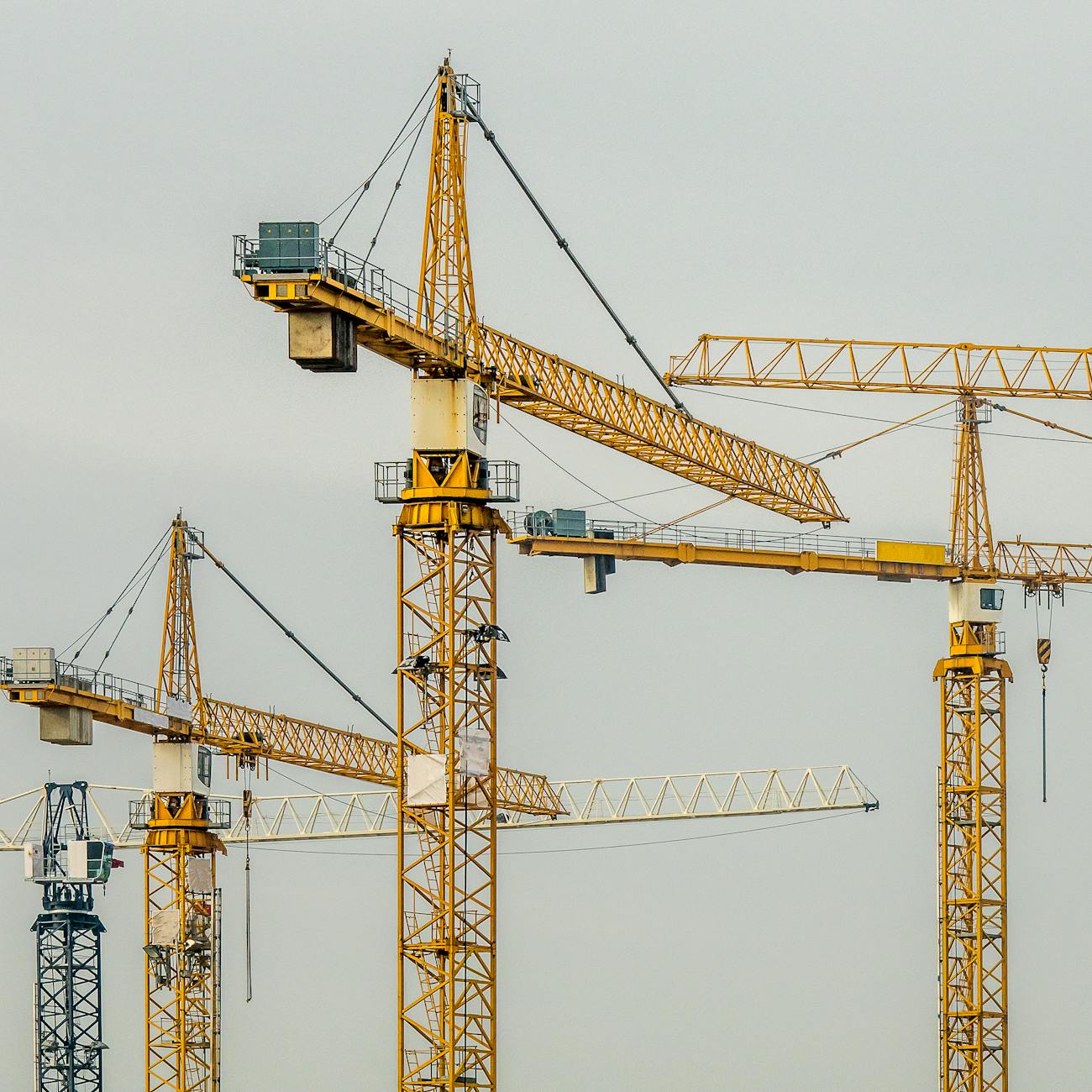
Infrastructure Design and Construction is a critical component of the land development process. This field involves the planning, design, and construction of various infrastructure systems that support the development and operation of land for various purposes, such as residential, commercial, industrial, and recreational uses. In this explanation, we will discuss some of the key terms and vocabulary related to infrastructure design and construction in the context of the Professional Certificate in Land Development.
1. Infrastructure Systems: Infrastructure systems refer to the physical structures and facilities that support the development and operation of land, including transportation systems, utility systems, and communication systems. These systems provide essential services to the community, such as water supply, sewage treatment, energy supply, and transportation. 2. Transportation Systems: Transportation systems refer to the physical infrastructure and facilities that enable the movement of people and goods, including roads, highways, bridges, tunnels, airports, seaports, and railways. These systems play a critical role in land development, as they provide access to and from the development site and facilitate the movement of people and goods to and from the site. 3. Utility Systems: Utility systems refer to the physical infrastructure and facilities that provide essential services such as water supply, sewage treatment, energy supply, and communication services. These systems include water mains, sewers, electrical power lines, gas pipelines, and communication networks. 4. Communication Systems: Communication systems refer to the physical infrastructure and facilities that enable the transmission of information, including telephone networks, cable networks, satellite networks, and wireless networks. These systems are essential for modern land development, as they provide the necessary communication links between people, businesses, and government agencies. 5. Site Selection: Site selection refers to the process of identifying and evaluating potential development sites based on various factors such as location, size, topography, soil conditions, zoning regulations, access to transportation and utilities, and environmental considerations. 6. Site Planning: Site planning refers to the process of designing the layout and arrangement of buildings, roads, utilities, and other infrastructure systems on a development site. Site planning involves the integration of various design elements, such as building placement, grading, drainage, landscaping, and access, to create a functional and aesthetically pleasing development site. 7. Grading: Grading refers to the process of reshaping the natural topography of a development site to create a level or sloped surface for building construction. Grading involves the movement of soil and other materials to create a stable and functional building site. 8. Drainage: Drainage refers to the management of water flow on a development site, including the design and construction of stormwater management systems, such as swales, detention ponds, and underground storage tanks. Drainage systems are essential for preventing water damage to buildings and infrastructure systems, as well as protecting water quality in nearby rivers and streams. 9. Landscaping: Landscaping refers to the design and installation of plants, trees, and other vegetation on a development site. Landscaping is an essential component of site planning, as it provides visual interest, improves air quality, and enhances the overall aesthetic appeal of the development site. 10. Access: Access refers to the means of entering and exiting a development site, including roads, driveways, sidewalks, and pedestrian paths. Access is a critical component of site planning, as it provides the necessary connections between the development site and the surrounding community. 11. Zoning Regulations: Zoning regulations refer to the local laws and regulations that govern the use and development of land, including building height, setbacks, lot coverage, and density. Zoning regulations are designed to promote orderly and sustainable development, protect property values, and maintain the character of the community. 12. Building Codes: Building codes are the regulations and standards that govern the design, construction, and maintenance of buildings and other structures. Building codes are designed to ensure the safety, accessibility, and energy efficiency of buildings, as well as protect the health and welfare of building occupants. 13. Environmental Considerations: Environmental considerations refer to the potential impacts of land development on the natural environment, including water quality, air quality, habitat preservation, and biodiversity. Environmental considerations are essential for sustainable development, as they help to protect the natural resources and ecosystems that support human health and well-being. 14. Permitting: Permitting refers to the process of obtaining the necessary approvals and authorizations from local, state, and federal agencies for land development projects. Permitting involves the submission of plans, specifications, and other documentation to demonstrate compliance with various regulations and standards. 15. Construction Management: Construction management refers to the planning, coordination, and control of the construction process, including the selection and management of contractors, the scheduling and sequencing of construction activities, and the monitoring of costs and quality. Construction management is essential for ensuring that land development projects are completed on time, within budget, and to the required quality standards.
Challenge:
As a land development professional, you are tasked with designing and constructing a new residential subdivision on a 50-acre site. Using the key terms and vocabulary discussed in this explanation, describe the following:
1. The types of infrastructure systems you would include in your design and why. 2. The site selection criteria you would use in selecting this site and why. 3. The site planning elements you would consider in designing the layout and arrangement of buildings, roads, utilities, and other infrastructure systems on the site. 4. The grading, drainage, and landscaping elements you would include in your design and why. 5. The access elements you would consider in providing connections between the development site and the surrounding community. 6. The zoning regulations and building codes that would apply to your project and how you would ensure compliance. 7. The environmental considerations you would take into account in your design and how you would minimize the potential impacts of development on the natural environment. 8. The permitting requirements you would need to satisfy and the process you would follow in obtaining the necessary approvals and authorizations. 9. The construction management techniques you would use to ensure that the project is completed on time, within budget, and to the required quality standards.
Example:
1. The types of infrastructure systems you would include in your design and why:
The infrastructure systems you would include in your design would depend on the specific needs of the residential subdivision. However, some of the common infrastructure systems you would consider include:
* Transportation systems: You would include a network of roads, driveways, sidewalks, and pedestrian paths to provide access to and from the development site and facilitate the movement of people and goods within the subdivision. * Utility systems: You would include water mains, sewers, electrical power lines, gas pipelines, and communication networks to provide essential services such as water supply, sewage treatment, energy supply, and communication services. * Communication systems: You would include telephone networks, cable networks, satellite networks, and wireless networks to provide the necessary communication links between people, businesses, and government agencies. 1. The site selection criteria you would use in selecting this site and why:
The site selection criteria you would use in selecting this site would depend on the specific needs and objectives of the residential subdivision. However, some of the common site selection criteria you would consider include:
* Location: You would consider the proximity of the site to essential services such as schools, hospitals, shopping centers, and public transportation. * Size: You would consider the size of the site in relation to the number of residential units you plan to build. * Topography: You would consider the natural topography of the site and how it would impact the design and construction of the subdivision. * Soil conditions: You would consider the soil conditions of the site and how they would impact the design and construction of the subdivision. * Zoning regulations: You would consider the zoning regulations that apply to the site and how they would impact the permitted uses and development standards. * Access to transportation and utilities: You would consider the availability and accessibility of transportation and utility systems on or near the site. * Environmental considerations: You would consider the potential impacts of development on the natural environment and how they would impact the sustainability of the subdivision. 1. The site planning elements you would consider in designing the layout and arrangement of buildings, roads, utilities, and other infrastructure systems on the site:
The site planning elements you would consider in designing the layout and arrangement of buildings, roads, utilities, and other infrastructure systems on the site would depend on the specific needs and objectives of the residential subdivision. However, some of the common site planning elements you would consider include:
* Building placement: You would consider the location, orientation, and spacing of residential buildings to optimize views, solar access, and privacy. * Grading: You would consider the movement of soil and other materials to create a stable and functional building site. * Drainage: You would consider the design and construction of stormwater management systems, such as swales, detention ponds, and underground storage tanks, to manage water flow on the site. * Landscaping: You would consider the design
Key takeaways
- This field involves the planning, design, and construction of various infrastructure systems that support the development and operation of land for various purposes, such as residential, commercial, industrial, and recreational uses.
- Communication Systems: Communication systems refer to the physical infrastructure and facilities that enable the transmission of information, including telephone networks, cable networks, satellite networks, and wireless networks.
- As a land development professional, you are tasked with designing and constructing a new residential subdivision on a 50-acre site.
- The environmental considerations you would take into account in your design and how you would minimize the potential impacts of development on the natural environment.
- The infrastructure systems you would include in your design would depend on the specific needs of the residential subdivision.
- * Utility systems: You would include water mains, sewers, electrical power lines, gas pipelines, and communication networks to provide essential services such as water supply, sewage treatment, energy supply, and communication services.
- The site selection criteria you would use in selecting this site would depend on the specific needs and objectives of the residential subdivision.