
* Cultural Heritage Preservation and Sustainable Development
Cultural Heritage Preservation and Sustainable Development are two critical areas that intersect in the Global Certificate in Cultural Heritage Law. This explanation will delve into the key terms and vocabulary that are essential to underst…
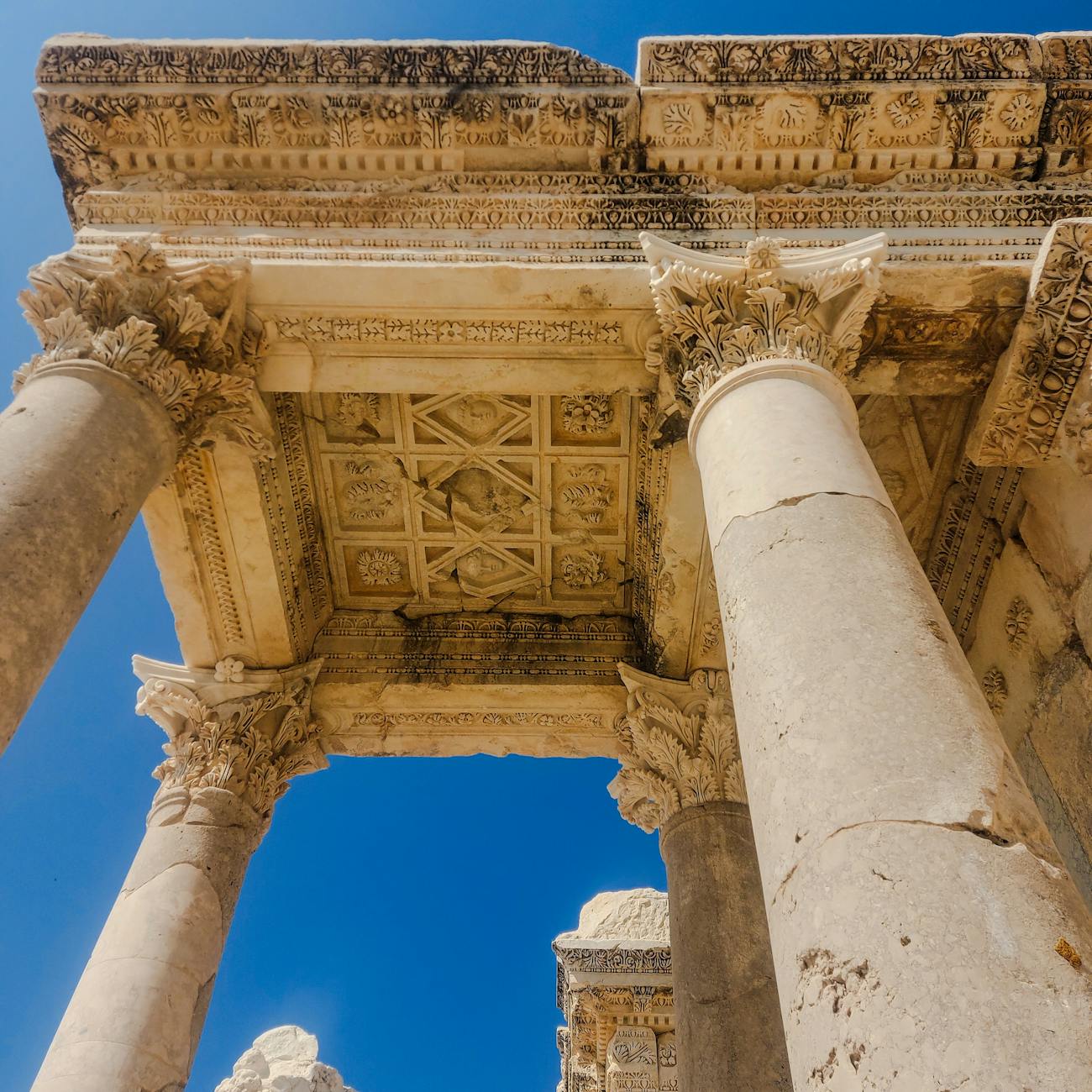
Cultural Heritage Preservation and Sustainable Development are two critical areas that intersect in the Global Certificate in Cultural Heritage Law. This explanation will delve into the key terms and vocabulary that are essential to understanding these concepts.
1. Cultural Heritage: Cultural heritage refers to the legacy of physical artifacts and intangible attributes of a group or society that are inherited from past generations, maintained in the present, and bestowed for the benefit of future generations. Cultural heritage includes tangible cultural heritage such as buildings, monuments, landscapes, books, works of art, and artifacts; and intangible cultural heritage such as traditions, beliefs, folklore, performing arts, rituals, and knowledge. 2. Preservation: Preservation is the practice of maintaining or restoring the existing form, integrity, and materials of a cultural heritage site or artifact to prevent its deterioration or decay. Preservation aims to maintain the authenticity and original character of cultural heritage, ensuring that it can be enjoyed by future generations. 3. Sustainable Development: Sustainable development is the organizing principle for meeting human development goals while simultaneously sustaining the ability of natural systems to provide the natural resources and ecosystem services upon which the economy and society depend. The United Nations Brundtland Commission defined sustainable development as "development that meets the needs of the present without compromising the ability of future generations to meet their own needs." 4. Cultural Heritage Law: Cultural heritage law is a body of law that governs the protection, conservation, and management of cultural heritage. Cultural heritage law includes national and international laws, regulations, and policies that aim to preserve cultural heritage for future generations. 5. Cultural Property: Cultural property refers to movable or immovable property of great importance to the cultural heritage of every people, such as monuments of architecture, art, science, or history, rare manuscripts and incunabula, archives, and objects of ethnographic interest. 6. World Heritage: World Heritage is a designation given to cultural and natural sites of outstanding universal value by the United Nations Educational, Scientific, and Cultural Organization (UNESCO). Sites designated as World Heritage must meet at least one out of ten selection criteria and are inscribed on the World Heritage List. 7. Intangible Cultural Heritage: Intangible cultural heritage refers to the practices, representations, expressions, knowledge, skills, and instruments that communities, groups, and individuals recognize as part of their cultural heritage. Intangible cultural heritage is often passed down from generation to generation and is constantly recreated by communities and groups in response to their environment, their interaction with nature, and their history. 8. Underwater Cultural Heritage: Underwater cultural heritage refers to sites, structures, buildings, artifacts, and human remains that have a cultural, historical, or archaeological character and that have been submerged for at least 100 years. Underwater cultural heritage includes shipwrecks, sunken cities, and other submerged archaeological sites. 9. Cultural Landscape: A cultural landscape is a geographic area that has been modified by human activities and is recognized as having cultural, aesthetic, or historic value. Cultural landscapes include designed landscapes such as parks and gardens, rural landscapes such as farmland and villages, and cultural seascapes such as fishing villages and maritime cultural landscapes. 10. Indigenous Cultural Heritage: Indigenous cultural heritage refers to the cultural practices, traditions, and beliefs of indigenous peoples that are inherited from their ancestors and passed down to future generations. Indigenous cultural heritage includes language, spirituality, traditional knowledge, and cultural expressions such as music, dance, and art. 11. Cultural Diversity: Cultural diversity refers to the variety of cultures, languages, religions, and traditions that exist in the world. Cultural diversity is a source of strength and enriches society by promoting mutual understanding, respect, and tolerance. 12. Cultural Tourism: Cultural tourism is a form of tourism that focuses on the discovery and appreciation of cultural heritage. Cultural tourism can include visiting museums, historical sites, cultural festivals, and attending cultural events. 13. Cultural Diplomacy: Cultural diplomacy is the use of cultural exchange to promote mutual understanding, respect, and cooperation between nations. Cultural diplomacy can include exhibitions, performances, education, and cultural exchanges. 14. Cultural Rights: Cultural rights are the rights of individuals and communities to access, enjoy, and participate in cultural life. Cultural rights include the right to freedom of expression, the right to participate in cultural life, the right to enjoy the arts, and the right to cultural identity. 15. Cultural Heritage Crime: Cultural heritage crime refers to the illegal excavation, trafficking, and destruction of cultural heritage. Cultural heritage crime includes looting, theft, vandalism, and illicit trade in cultural property. 16. Risk Management: Risk management is the process of identifying, assessing, and mitigating risks to cultural heritage. Risk management includes preventing damage, preparing for emergencies, and responding to disasters. 17. Community-Based Conservation: Community-based conservation is a conservation approach that involves local communities in the management and conservation of cultural heritage. Community-based conservation aims to empower local communities to take ownership of their cultural heritage and to promote sustainable development. 18. Capacity Building: Capacity building is the process of developing the skills, knowledge, and resources necessary for individuals, organizations, and communities to manage and conserve cultural heritage. Capacity building includes training, education, and technical assistance. 19. Monitoring and Evaluation: Monitoring and evaluation are the processes of assessing the effectiveness and impact of cultural heritage conservation and management activities. Monitoring and evaluation include collecting data, analyzing results, and reporting on progress. 20. Public Engagement: Public engagement is the process of involving the public in cultural heritage conservation and management activities. Public engagement includes education, outreach, and participation.
In conclusion, cultural heritage preservation and sustainable development are two critical areas that intersect in the Global Certificate in Cultural Heritage Law. Understanding the key terms and vocabulary associated with these concepts is essential for anyone interested in this field. By preserving cultural heritage, we can promote cultural diversity, mutual understanding, and sustainable development. By practicing sustainable development, we can ensure that cultural heritage is preserved for future generations to enjoy and learn from.
Cultural Heritage Preservation
Cultural heritage preservation refers to the practice of protecting and conserving a group or community's valuable cultural heritage for the benefit of future generations. Cultural heritage includes tangible and intangible elements such as buildings, monuments, artifacts, traditions, languages, and cultural practices. Effective cultural heritage preservation requires a multidisciplinary approach that involves various stakeholders, including governments, communities, experts, and private organizations.
Cultural heritage preservation aims to maintain the authenticity, integrity, and significance of cultural heritage sites and artifacts. This involves various activities, such as documentation, research, conservation, restoration, and management. Proper cultural heritage preservation ensures that future generations can learn from and appreciate their cultural heritage, which contributes to a sense of identity, continuity, and belonging.
Sustainable Development
Sustainable development is a holistic approach to economic, social, and environmental development that aims to meet the needs of the present without compromising the ability of future generations to meet their own needs. Sustainable development is grounded in the principles of economic growth, social inclusion, and environmental protection. It recognizes the interdependence of these three pillars and seeks to balance them in a way that ensures long-term sustainability.
Sustainable development has become a critical global priority, particularly in the context of climate change, biodiversity loss, and social inequality. The United Nations has identified 17 Sustainable Development Goals (SDGs) that provide a framework for sustainable development, including goals related to poverty reduction, education, gender equality, clean energy, economic growth, and reduced inequalities.
Cultural Heritage and Sustainable Development
Cultural heritage preservation and sustainable development are interconnected and mutually reinforcing. Cultural heritage is a valuable resource for sustainable development, providing economic, social, and environmental benefits. At the same time, sustainable development principles can guide cultural heritage preservation efforts to ensure that they are socially inclusive, environmentally sustainable, and economically viable.
Economic Benefits: Cultural heritage preservation can contribute to economic growth and job creation. Cultural tourism is a significant driver of economic growth, generating revenue and employment opportunities for local communities. Cultural heritage sites and artifacts can also be a source of inspiration for creative industries such as design, fashion, and advertising.
Social Benefits: Cultural heritage preservation can promote social cohesion, cultural diversity, and intercultural dialogue. Cultural heritage sites and artifacts are a source of pride and identity for communities, providing a sense of continuity and belonging. Cultural heritage preservation can also promote social inclusion by ensuring that all communities have access to and benefit from cultural heritage resources.
Environmental Benefits: Cultural heritage preservation can contribute to environmental sustainability by promoting sustainable use of natural resources, reducing waste and pollution, and preserving biodiversity. Cultural heritage sites and landscapes often have high ecological value, providing habitats for rare and endangered species. Cultural heritage preservation can also raise awareness of environmental issues and promote sustainable practices.
Challenges and Opportunities
Cultural heritage preservation and sustainable development face several challenges, including lack of resources, conflicting interests, and inadequate policies and regulations. However, these challenges also present opportunities for innovation, collaboration, and impact.
Effective cultural heritage preservation and sustainable development require a coordinated and collaborative approach that involves various stakeholders, including governments, communities, experts, and private organizations. This involves building partnerships, sharing knowledge and expertise, and leveraging resources to achieve common goals.
Examples and Practical Applications
1. Cultural Tourism: Cultural tourism is a significant driver of economic growth and job creation. Cultural heritage sites and artifacts can be developed and promoted as tourist destinations, providing revenue and employment opportunities for local communities. However, cultural tourism must be managed sustainably to ensure that it does not compromise the authenticity, integrity, and significance of cultural heritage sites and artifacts. 2. Community Engagement: Community engagement is critical for effective cultural heritage preservation and sustainable development. Communities must be involved in the planning, implementation, and management of cultural heritage preservation and sustainable development initiatives. This involves building trust, fostering dialogue, and promoting participation and ownership. 3. Innovation and Technology: Innovation and technology can play a critical role in cultural heritage preservation and sustainable development. Digital technologies, such as virtual reality, augmented reality, and 3D modeling, can be used to document, preserve, and promote cultural heritage sites and artifacts. Renewable energy technologies, such as solar panels and wind turbines, can be used to power cultural heritage sites and reduce carbon emissions. 4. Policy and Regulation: Effective policy and regulation are essential for cultural heritage preservation and sustainable development. Policies and regulations must be designed to balance economic, social, and environmental considerations and to ensure that cultural heritage preservation and sustainable development initiatives are inclusive, sustainable, and equitable.
Conclusion
Cultural heritage preservation and sustainable development are interconnected and mutually reinforcing. Cultural heritage is a valuable resource for sustainable development, providing economic, social, and environmental benefits. Sustainable development principles can guide cultural heritage preservation efforts to ensure that they are socially inclusive, environmentally sustainable, and economically viable. Effective cultural heritage preservation and sustainable development require a coordinated and collaborative approach that involves various stakeholders, including governments, communities, experts, and private organizations. Challenges and opportunities exist, and innovation, collaboration, and impact are necessary to achieve common goals.
Key takeaways
- Cultural Heritage Preservation and Sustainable Development are two critical areas that intersect in the Global Certificate in Cultural Heritage Law.
- Intangible Cultural Heritage: Intangible cultural heritage refers to the practices, representations, expressions, knowledge, skills, and instruments that communities, groups, and individuals recognize as part of their cultural heritage.
- In conclusion, cultural heritage preservation and sustainable development are two critical areas that intersect in the Global Certificate in Cultural Heritage Law.
- Effective cultural heritage preservation requires a multidisciplinary approach that involves various stakeholders, including governments, communities, experts, and private organizations.
- Proper cultural heritage preservation ensures that future generations can learn from and appreciate their cultural heritage, which contributes to a sense of identity, continuity, and belonging.
- Sustainable development is a holistic approach to economic, social, and environmental development that aims to meet the needs of the present without compromising the ability of future generations to meet their own needs.
- Sustainable development has become a critical global priority, particularly in the context of climate change, biodiversity loss, and social inequality.