
* Cultural Heritage and Intellectual Property
Cultural Heritage and Intellectual Property are two interrelated concepts that play a significant role in the Global Certificate in Cultural Heritage Law. Here are some key terms and vocabulary related to these concepts:
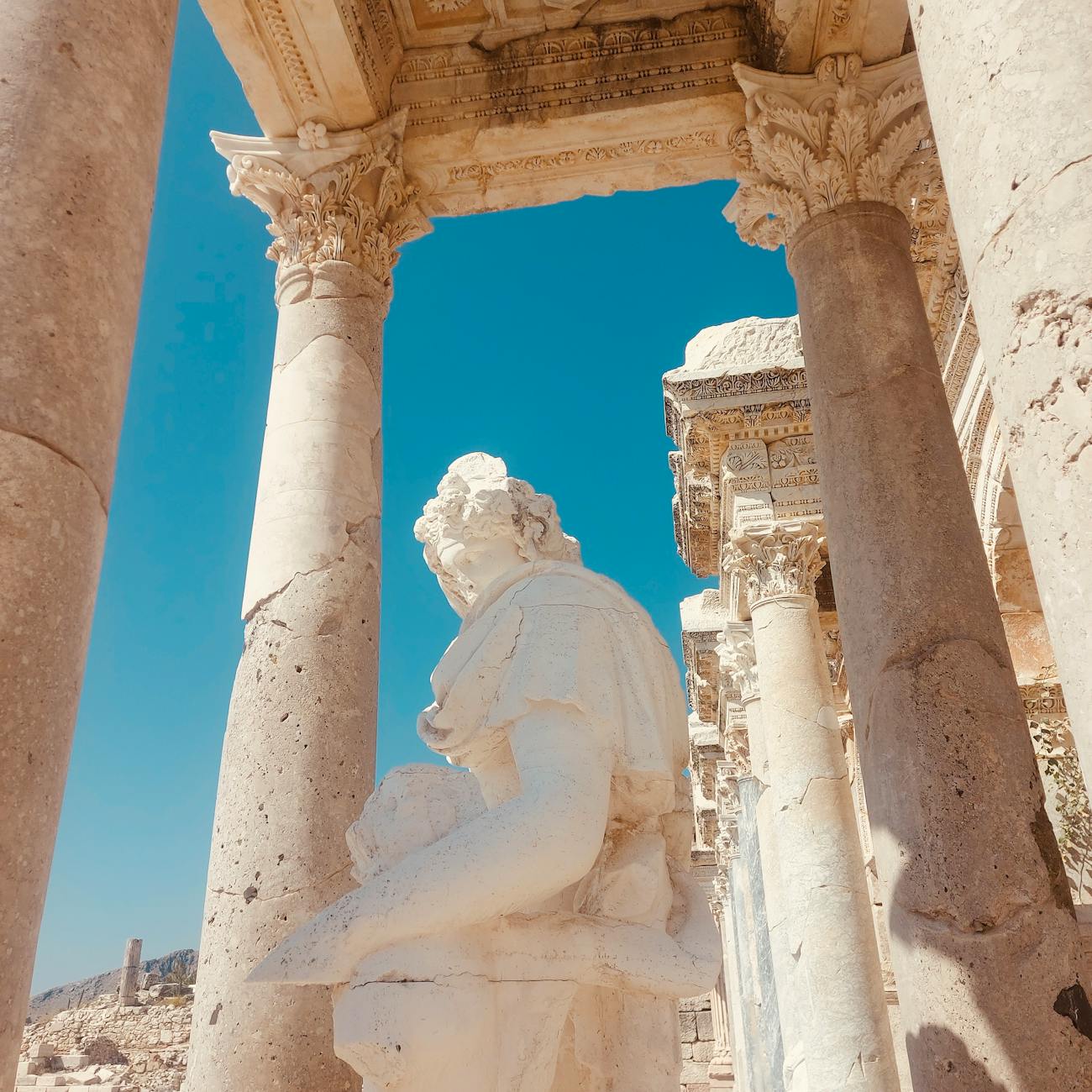
Cultural Heritage and Intellectual Property are two interrelated concepts that play a significant role in the Global Certificate in Cultural Heritage Law. Here are some key terms and vocabulary related to these concepts:
1. Cultural Heritage: Cultural heritage refers to the legacy of physical artifacts and intangible attributes of a group or society that are inherited from past generations, maintained in the present, and bestowed for the benefit of future generations. Cultural heritage includes tangible cultural heritage (such as buildings, monuments, landscapes, books, works of art, and artifacts) and intangible cultural heritage (such as traditions, customs, practices, performing arts, knowledge, and skills). 2. Intellectual Property: Intellectual property refers to the legal rights that protect creations of the mind, such as inventions, literary and artistic works, symbols, names, images, and designs used in commerce. Intellectual property rights include patents, trademarks, copyrights, and trade secrets. 3. Traditional Cultural Expressions (TCEs): Traditional cultural expressions are the expressions of folklore and traditional culture that are created, maintained, and transmitted by a community or group, and are recognized as reflecting the community's cultural and social identity. TCEs include music, dance, art, designs, names, signs, and symbols. 4. Intellectual Property Rights and Traditional Cultural Expressions: Intellectual property rights can be used to protect TCEs, but they can also create barriers to access and use of these expressions. The World Intellectual Property Organization (WIPO) has developed the Intergovernmental Committee on Intellectual Property and Genetic Resources, Traditional Knowledge and Folklore to address these issues. 5. Traditional Knowledge: Traditional knowledge refers to the knowledge, innovations, and practices of indigenous and local communities that are passed down from generation to generation. Traditional knowledge is often related to the use of natural resources and the environment, and it is an important part of cultural heritage. 6. Biocultural Heritage: Biocultural heritage refers to the combination of biological diversity and cultural diversity, and the linkages between them. Biocultural heritage includes landscapes, ecosystems, and species that have cultural significance for indigenous and local communities. 7. Digital Cultural Heritage: Digital cultural heritage refers to the digital representations of cultural heritage, including digitized collections, digital archives, and virtual museums. Digital cultural heritage can be used to enhance access to and use of cultural heritage, but it also raises issues related to intellectual property and privacy. 8. Cultural Appropriation: Cultural appropriation is the adoption or borrowing of elements of one culture by members of another culture, often without permission or attribution. Cultural appropriation can be harmful and disrespectful, as it can perpetuate stereotypes and erase the cultural significance of the borrowed elements. 9. Cultural Diplomacy: Cultural diplomacy is the use of cultural exchange and cultural relations to promote mutual understanding and respect between nations and cultures. Cultural diplomacy can be an effective tool for promoting cultural heritage and intellectual property, as it can foster cross-cultural dialogue and collaboration. 10. International Cultural Heritage Law: International cultural heritage law refers to the body of international law that governs the protection and preservation of cultural heritage. International cultural heritage law includes treaties, conventions, and customs that address issues such as the illicit trafficking of cultural heritage, the restitution of stolen or looted cultural heritage, and the protection of cultural heritage in times of conflict.
Examples:
* The Great Wall of China is an example of tangible cultural heritage that has been preserved and maintained for future generations. * The Maori haka is an example of a traditional cultural expression that reflects the cultural and social identity of the Maori people of New Zealand. * The traditional knowledge of indigenous communities in the Amazon rainforest is an example of knowledge that is passed down from generation to generation and is an important part of their cultural heritage. * The use of traditional symbols and patterns in fashion design can be an example of cultural appropriation if it is done without permission or attribution. * The use of digital technology to create virtual museums and exhibits is an example of how digital cultural heritage can enhance access to and use of cultural heritage.
Practical Applications:
* Intellectual property rights can be used to protect traditional cultural expressions and traditional knowledge, but they must be balanced with the need to ensure access and use by indigenous and local communities. * Cultural diplomacy can be used to promote mutual understanding and respect between different cultures, and to foster cross-cultural dialogue and collaboration. * International cultural heritage law can be used to protect and preserve cultural heritage, and to promote the return of stolen or looted cultural heritage to its rightful owners.
Challenges:
* The protection and preservation of cultural heritage can be challenging, particularly in times of conflict or natural disasters. * The use of digital technology to create digital cultural heritage can raise issues related to intellectual property and privacy. * The prevention of cultural appropriation requires mutual respect and understanding between different cultures, as well as a commitment to ethical practices.
In conclusion, the Global Certificate in Cultural Heritage Law covers a wide range of topics related to the protection and preservation of cultural heritage, including intellectual property, traditional cultural expressions, traditional knowledge, biocultural heritage, digital cultural heritage, cultural diplomacy, and international cultural heritage law. Understanding these key terms and concepts is essential for anyone interested in this field, as they provide a foundation for understanding the legal and ethical issues related to cultural heritage and intellectual property. By promoting mutual understanding and respect between different cultures, and by fostering cross-cultural dialogue and collaboration, we can help to preserve and protect the rich and diverse cultural heritage of the world.
Key takeaways
- Cultural Heritage and Intellectual Property are two interrelated concepts that play a significant role in the Global Certificate in Cultural Heritage Law.
- Intellectual Property: Intellectual property refers to the legal rights that protect creations of the mind, such as inventions, literary and artistic works, symbols, names, images, and designs used in commerce.
- * The traditional knowledge of indigenous communities in the Amazon rainforest is an example of knowledge that is passed down from generation to generation and is an important part of their cultural heritage.
- * Intellectual property rights can be used to protect traditional cultural expressions and traditional knowledge, but they must be balanced with the need to ensure access and use by indigenous and local communities.
- * The prevention of cultural appropriation requires mutual respect and understanding between different cultures, as well as a commitment to ethical practices.
- Understanding these key terms and concepts is essential for anyone interested in this field, as they provide a foundation for understanding the legal and ethical issues related to cultural heritage and intellectual property.