
* Protecting Immovable Cultural Heritage
Immovable Cultural Heritage (ICH) refers to physical structures, sites, and landscapes that have cultural, historical, or archaeological significance. This can include buildings, monuments, archaeological sites, and natural landscapes that …
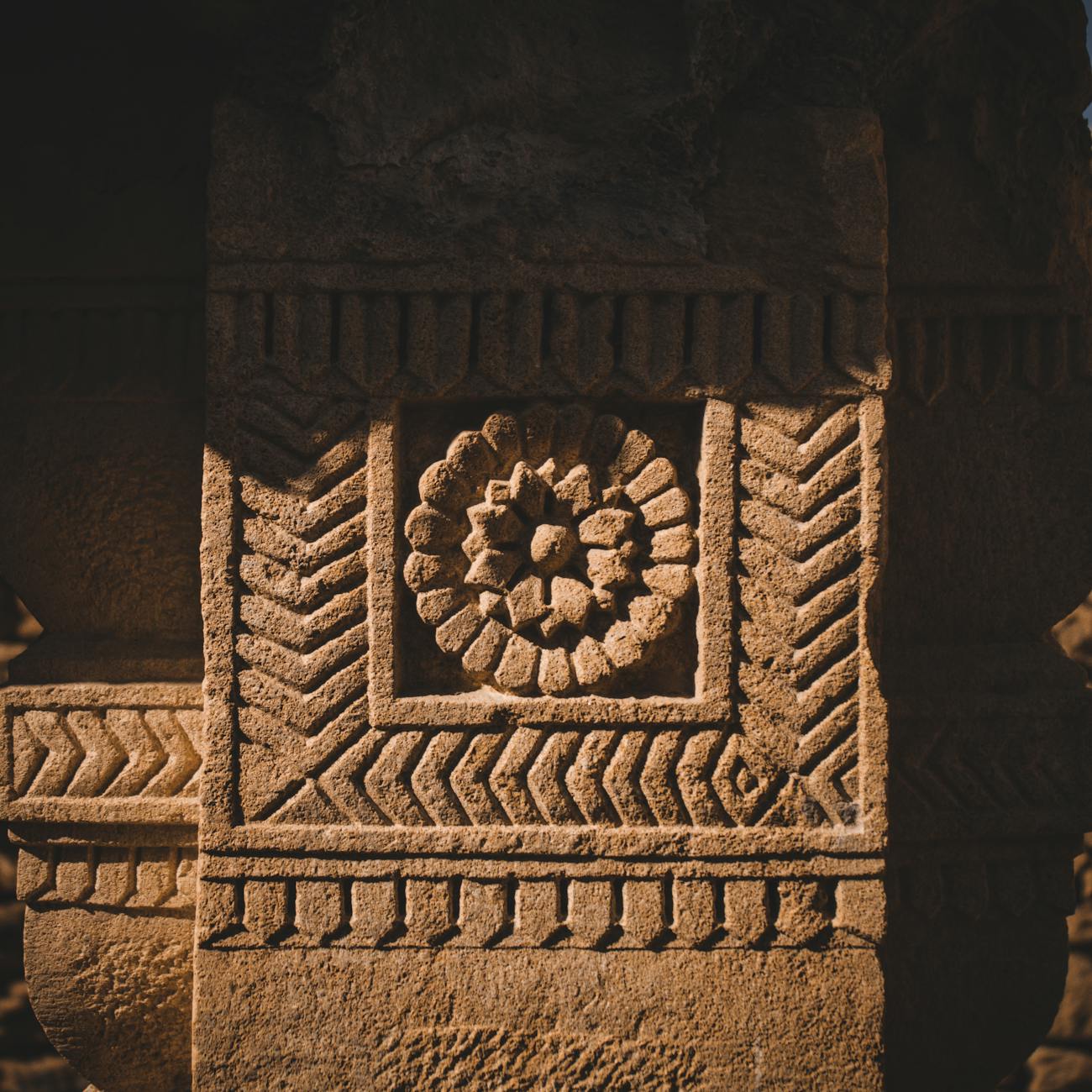
Immovable Cultural Heritage (ICH) refers to physical structures, sites, and landscapes that have cultural, historical, or archaeological significance. This can include buildings, monuments, archaeological sites, and natural landscapes that have been modified by human activity. ICH is an important aspect of cultural heritage because it provides a tangible connection to the past and can help to preserve cultural identity and diversity.
There are several key terms and concepts related to the protection of ICH that are important to understand:
1. **Outstanding Universal Value (OUV)**: This is a concept used by the United Nations Educational, Scientific and Cultural Organization (UNESCO) to determine whether a site should be designated as a World Heritage Site. OUV refers to the unique cultural, historical, or natural significance of a site that transcends national boundaries and is of outstanding importance to humanity as a whole. 2. **World Heritage Site**: A World Heritage Site is a designation given by UNESCO to cultural or natural sites of Outstanding Universal Value. These sites are considered to be of exceptional importance to the cultural and natural heritage of the world and are therefore deserving of protection and preservation. 3. **Buffer Zone**: A buffer zone is an area surrounding a World Heritage Site that is designated to protect the site from negative impacts such as development, pollution, and other threats. Buffer zones are an important tool for managing the conservation of ICH because they provide a layer of protection around the site and help to maintain its integrity. 4. **Authenticity**: Authenticity refers to the truthfulness and accuracy of the physical characteristics, historical context, and cultural values of a cultural heritage site. It is an important concept in the protection of ICH because it helps to ensure that the site is preserved in a way that is true to its original form and meaning. 5. **Integrity**: Integrity refers to the overall coherence and wholeness of a cultural heritage site. It is an important concept in the protection of ICH because it helps to ensure that the site is preserved in a way that is true to its original form and meaning. 6. **Sustainable Development**: Sustainable development is a concept that refers to the responsible use of resources in a way that meets the needs of the present without compromising the ability of future generations to meet their own needs. It is an important concept in the protection of ICH because it helps to ensure that the site is preserved in a way that is sustainable and does not harm the environment. 7. **Cultural Landscape**: A cultural landscape is a landscape that has been shaped by human activity and has cultural, historical, or archaeological significance. It is an important concept in the protection of ICH because it recognizes the interdependence between humans and the natural environment. 8. **Traditional Knowledge**: Traditional knowledge is knowledge that is passed down from generation to generation and is specific to a particular culture or community. It is an important concept in the protection of ICH because it recognizes the value of cultural diversity and the importance of preserving traditional knowledge for future generations.
Practical applications of these concepts can include the development of management plans for ICH sites, the establishment of buffer zones and other protective measures, and the promotion of sustainable development practices. Challenges in the protection of ICH can include the need to balance conservation and development, the need to respect the rights and interests of local communities, and the need to address the impacts of climate change and other global challenges.
Examples of ICH sites that have been designated as World Heritage Sites include the Great Wall of China, the Pyramids of Egypt, and the Acropolis of Athens. These sites are important cultural and historical landmarks that are deserving of protection and preservation.
In conclusion, the protection of Immovable Cultural Heritage is an important aspect of cultural heritage preservation. Key terms and concepts related to the protection of ICH include Outstanding Universal Value, World Heritage Site, Buffer Zone, Authenticity, Integrity, Sustainable Development, Cultural Landscape, and Traditional Knowledge. These concepts can be applied in the development of management plans for ICH sites and the promotion of sustainable development practices. Challenges in the protection of ICH include the need to balance conservation and development, the need to respect the rights and interests of local communities, and the need to address the impacts of climate change and other global challenges. Examples of ICH sites that have been designated as World Heritage Sites include the Great Wall of China, the Pyramids of Egypt, and the Acropolis of Athens.
Key takeaways
- ICH is an important aspect of cultural heritage because it provides a tangible connection to the past and can help to preserve cultural identity and diversity.
- **Sustainable Development**: Sustainable development is a concept that refers to the responsible use of resources in a way that meets the needs of the present without compromising the ability of future generations to meet their own needs.
- Practical applications of these concepts can include the development of management plans for ICH sites, the establishment of buffer zones and other protective measures, and the promotion of sustainable development practices.
- Examples of ICH sites that have been designated as World Heritage Sites include the Great Wall of China, the Pyramids of Egypt, and the Acropolis of Athens.
- Key terms and concepts related to the protection of ICH include Outstanding Universal Value, World Heritage Site, Buffer Zone, Authenticity, Integrity, Sustainable Development, Cultural Landscape, and Traditional Knowledge.