
Drone Flight Operations and Control
Drone Flight Operations and Control is a key component of the Professional Certificate in AI-Powered Drone Technology. This course covers the fundamental concepts and techniques required to safely and effectively operate drones in a variety…
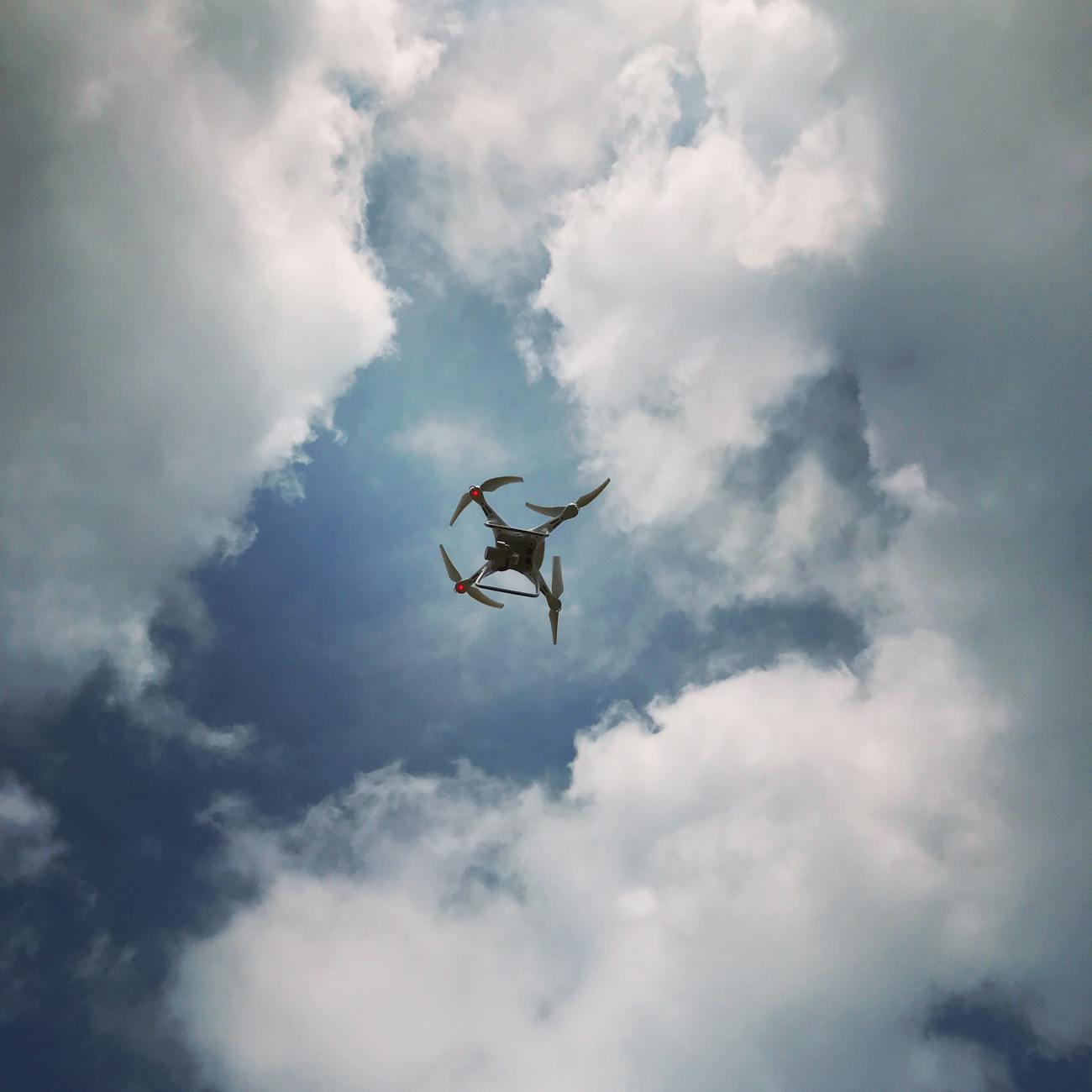
Drone Flight Operations and Control is a key component of the Professional Certificate in AI-Powered Drone Technology. This course covers the fundamental concepts and techniques required to safely and effectively operate drones in a variety of settings. In this explanation, we will cover some of the key terms and vocabulary that are used in the field of drone flight operations and control.
1. Drone: A drone, also known as an unmanned aerial vehicle (UAV), is an aircraft that is operated remotely, without a pilot on board. Drones can come in a variety of shapes and sizes, and can be used for a wide range of applications, including aerial photography, surveying, delivery, and military operations. 2. Flight operations: Flight operations refer to the overall management and execution of drone flights. This includes planning and preparing for flights, launching and landing the drone, monitoring the drone during flight, and conducting post-flight analysis. 3. Control system: A control system is the set of components and technologies that are used to remotely pilot and control a drone. This can include a remote control, a ground control station, and a variety of sensors and communication systems. 4. Remote control: A remote control is a handheld device that is used to manually pilot and control a drone. Remote controls typically include joysticks, buttons, and screens that allow the operator to control the drone's movement, altitude, and camera. 5. Ground control station: A ground control station (GCS) is a centralized location where drone operators can monitor and control their drones. GCSs typically include a variety of screens and displays that provide real-time information about the drone's location, altitude, and other relevant data. 6. Sensors: Sensors are devices that are used to detect and measure various aspects of the drone's environment. This can include sensors that measure the drone's altitude, speed, and orientation, as well as sensors that detect obstacles and other potential hazards. 7. Communication systems: Communication systems are the technologies that are used to transmit information between the drone and the control system. This can include radio frequency (RF) communication, cellular networks, and satellite communication. 8. Autonomous flight: Autonomous flight refers to the ability of a drone to fly without human intervention. This is typically achieved through the use of artificial intelligence (AI) and machine learning algorithms that enable the drone to navigate and avoid obstacles on its own. 9. Flight planning: Flight planning is the process of preparing for a drone flight. This can include selecting a flight path, determining the appropriate altitude and speed, and identifying any potential hazards or obstacles. 10. Launch and landing: Launch and landing refer to the process of getting a drone into the air and bringing it back down to the ground. This can include hand-launching the drone, using a catapult or other launch mechanism, and landing the drone safely on the ground or on a landing pad. 11. Monitoring: Monitoring refers to the process of tracking and observing a drone during flight. This can include using sensors and communication systems to track the drone's location and altitude, as well as using cameras and other sensors to observe the drone's environment. 12. Post-flight analysis: Post-flight analysis is the process of reviewing and analyzing data from a drone flight. This can include reviewing flight logs, checking for any issues or errors, and evaluating the success of the flight.
Some practical applications of drone flight operations and control include:
* Aerial photography and videography: Drones can be equipped with high-quality cameras and used to capture stunning aerial photos and videos. This is commonly used in real estate, film production, and event photography. * Surveying and mapping: Drones can be used to survey and map large areas, such as construction sites, agricultural fields, and wilderness areas. This can provide valuable data for planning and management purposes. * Delivery: Drones can be used to deliver small packages, such as medications, documents, and other items. This is
being explored by companies such as Amazon and UPS as a way to improve delivery times and reduce costs.
* Inspections: Drones can be used to inspect hard-to-reach or dangerous areas, such as bridges, wind turbines, and power lines. This can help to improve safety and reduce the need for costly and time-consuming manual inspections. * Search and rescue: Drones can be used to quickly search large areas for missing persons or items. This can help to save time and resources, and improve the chances of a successful rescue.
Some challenges in drone flight operations and control include:
* Regulations: Drones are subject to a variety of regulations, depending on the country and jurisdiction in which they are operated. These regulations can include rules about where and when drones can be flown, as well as requirements for registration, licensing, and insurance. * Safety: Drones can pose a risk to people and property if they are not operated safely. This includes the risk of collisions, falls, and other accidents. * Privacy: Drones can be used to invade people's privacy, by filming or photographing them without their consent. This raises ethical and legal questions about the use of drones in public spaces. * Battery life: Drones are typically powered by rechargeable batteries, which can limit their flight time. This can be a challenge for long-distance or long-duration flights. * Communication: Drones rely on communication systems to transmit information between the drone and the control system. This can be a challenge in remote or rural areas, where cellular networks and other communication systems may not be available.
In conclusion, drone flight operations and control is a complex and dynamic field that involves the use of a variety of technologies and techniques. By understanding the key terms and concepts outlined in this explanation, you will be well-prepared to operate and control drones safely and effectively. Whether you are using drones for aerial photography, surveying, delivery, or inspection, it is important to follow regulations, prioritize safety, and respect people's privacy. With the right training and preparation, drones can be a valuable tool for a wide range of applications.
Key takeaways
- In this explanation, we will cover some of the key terms and vocabulary that are used in the field of drone flight operations and control.
- This can include using sensors and communication systems to track the drone's location and altitude, as well as using cameras and other sensors to observe the drone's environment.
- * Surveying and mapping: Drones can be used to survey and map large areas, such as construction sites, agricultural fields, and wilderness areas.
- being explored by companies such as Amazon and UPS as a way to improve delivery times and reduce costs.
- * Inspections: Drones can be used to inspect hard-to-reach or dangerous areas, such as bridges, wind turbines, and power lines.
- These regulations can include rules about where and when drones can be flown, as well as requirements for registration, licensing, and insurance.
- Whether you are using drones for aerial photography, surveying, delivery, or inspection, it is important to follow regulations, prioritize safety, and respect people's privacy.