
Advanced Trauma Life Support
Advanced Trauma Life Support (ATLS) is a systematic approach to the management of trauma patients developed by the American College of Surgeons. It is a standardized protocol that helps healthcare providers provide efficient and effective c…
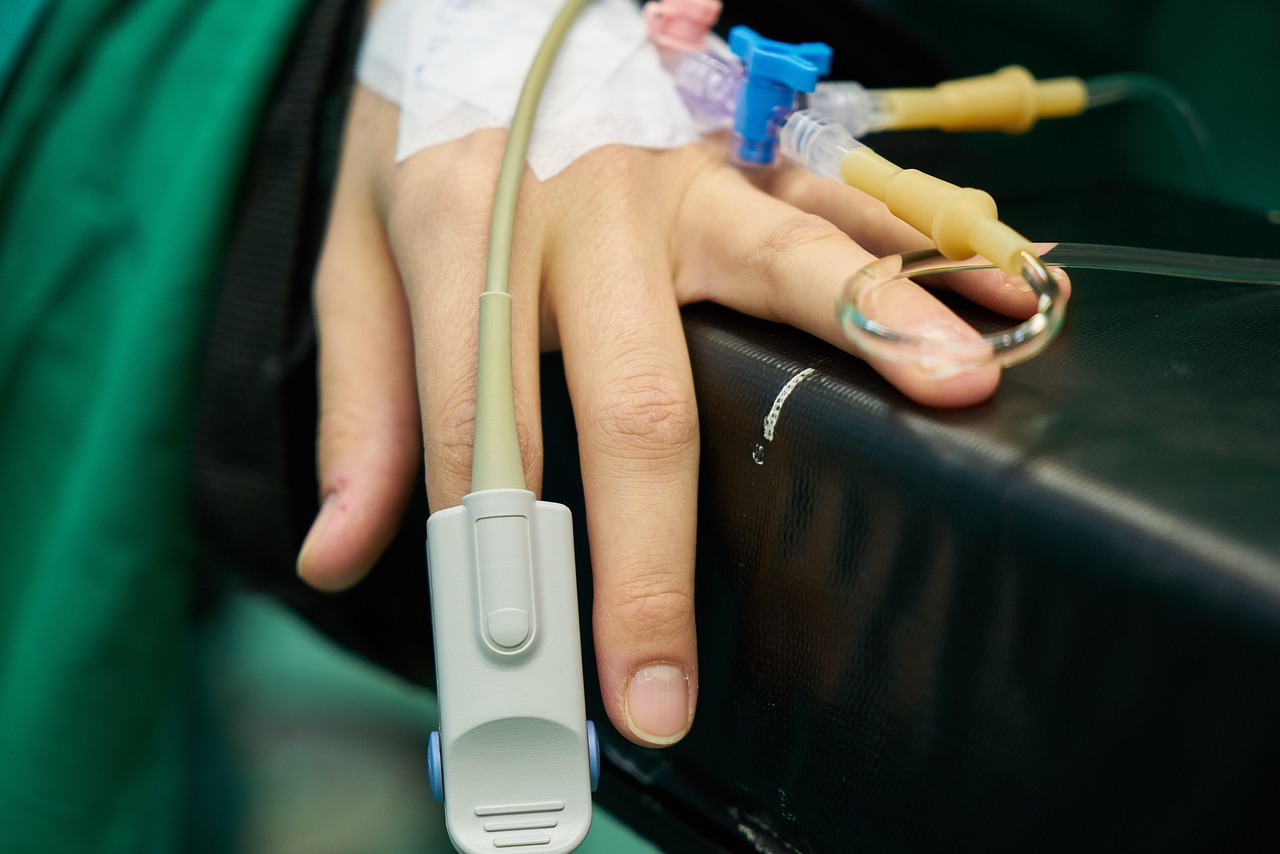
Advanced Trauma Life Support (ATLS) is a systematic approach to the management of trauma patients developed by the American College of Surgeons. It is a standardized protocol that helps healthcare providers provide efficient and effective care to trauma patients. ATLS is designed to ensure that trauma patients receive timely and appropriate care to maximize their chances of survival.
Key Terms and Vocabulary:
1. Primary Survey: The primary survey is the initial assessment of a trauma patient to identify and treat life-threatening injuries. It follows the ABCDE approach: Airway, Breathing, Circulation, Disability, and Exposure.
2. Secondary Survey: The secondary survey is a more detailed assessment of the patient that follows the primary survey. It involves a head-to-toe examination to identify all injuries and prioritize treatment.
3. ABCDE: The ABCDE approach is a systematic method used in ATLS to prioritize care for trauma patients. It stands for Airway, Breathing, Circulation, Disability, and Exposure.
4. Airway: The airway is the passage through which air enters and leaves the lungs. Maintaining a clear airway is crucial in trauma patients to ensure adequate oxygenation.
5. Breathing: Breathing refers to the process of inhaling and exhaling air. Assessment of breathing is essential in trauma patients to detect any respiratory distress or injuries.
6. Circulation: Circulation refers to the flow of blood through the body. Assessing circulation includes checking the pulse, blood pressure, and signs of shock in trauma patients.
7. Disability: Disability assessment involves evaluating the neurological status of the patient, including level of consciousness, pupil size, and motor function. It helps identify brain injuries and other neurological conditions.
8. Exposure: Exposure involves removing the patient's clothes to assess for injuries. It allows healthcare providers to identify hidden injuries and provide appropriate treatment.
9. Shock: Shock is a life-threatening condition in which the body's organs do not receive enough oxygen and nutrients. It can result from severe blood loss, trauma, or other medical conditions.
10. Trauma Team: The trauma team is a multidisciplinary group of healthcare providers who work together to care for trauma patients. It typically includes trauma surgeons, emergency physicians, nurses, and other specialists.
11. Resuscitation: Resuscitation is the process of restoring normal physiological function in a patient who is in shock or cardiac arrest. It involves interventions such as fluid resuscitation, blood transfusion, and airway management.
12. Intubation: Intubation is the placement of a tube into the trachea to maintain a patient's airway. It is often performed in trauma patients who are unable to breathe on their own.
13. Cricothyroidotomy: Cricothyroidotomy is a surgical procedure to establish an emergency airway in patients who cannot be intubated. It involves making an incision in the neck to access the trachea.
14. Thoracostomy: Thoracostomy is the insertion of a chest tube into the pleural space to drain air or fluid. It is commonly performed in trauma patients with pneumothorax or hemothorax.
15. FAST Exam: The FAST (Focused Assessment with Sonography in Trauma) exam is a rapid ultrasound examination used to detect free fluid in the abdomen or chest. It helps identify internal injuries in trauma patients.
16. Cervical Spine Immobilization: Cervical spine immobilization is the process of securing the neck to prevent movement and potential spinal cord injury. It is essential in trauma patients with suspected neck trauma.
17. ATLS Algorithms: ATLS algorithms are decision-making tools that guide healthcare providers in the management of trauma patients. They provide step-by-step instructions for the assessment and treatment of specific injuries.
18. Massive Transfusion Protocol: The massive transfusion protocol is a set of guidelines for rapidly administering blood products to trauma patients with severe bleeding. It aims to prevent and treat hemorrhagic shock.
19. Damage Control Surgery: Damage control surgery is a strategy used in trauma patients with severe injuries to control bleeding and contamination. It involves performing only essential procedures initially and deferring definitive surgery to a later time.
20. Hypothermia: Hypothermia is a condition in which the body loses heat faster than it can produce it. Trauma patients are at risk of hypothermia due to exposure, blood loss, and decreased metabolic activity.
21. Reboa (Resuscitative Endovascular Balloon Occlusion of the Aorta): REBOA is a minimally invasive procedure used to temporarily occlude the aorta to control bleeding in trauma patients. It can be a life-saving intervention in patients with severe hemorrhage.
22. Pelvic Binder: A pelvic binder is a device used to stabilize pelvic fractures and control bleeding in trauma patients. It helps reduce pain, prevent further injury, and improve outcomes.
23. Crash Cart: A crash cart is a mobile cart or trolley that contains emergency medical supplies and equipment for resuscitation. It is typically used in critical care settings such as emergency departments and intensive care units.
24. Trauma Bay: The trauma bay is a designated area in the emergency department where trauma patients receive initial assessment and treatment. It is equipped with specialized equipment and staff to provide rapid care.
25. Golden Hour: The golden hour is the first hour after a traumatic injury when prompt medical treatment is critical to improve outcomes. It emphasizes the importance of rapid assessment and intervention in trauma care.
26. Penetrating Trauma: Penetrating trauma refers to injuries caused by objects penetrating the body, such as bullets, knives, or glass shards. It often results in internal damage and requires immediate medical attention.
27. Blunt Trauma: Blunt trauma refers to injuries caused by blunt force, such as motor vehicle accidents, falls, or assaults. It can result in internal injuries, fractures, and organ damage.
28. Avulsion: An avulsion is a type of injury in which tissue is torn or separated from the body. It can occur in traumatic incidents and may require surgical repair.
29. Laceration: A laceration is a wound caused by a sharp object that results in a tear in the skin. Lacerations are common in trauma patients and may require sutures or staples for closure.
30. Concussion: A concussion is a mild traumatic brain injury that results from a blow to the head. It can cause temporary loss of consciousness, confusion, and memory problems.
31. Contusion: A contusion is a bruise or injury to the soft tissue that results from a direct blow or impact. It can cause pain, swelling, and discoloration at the site of injury.
32. Flail Chest: A flail chest is a serious chest injury in which a segment of the rib cage breaks and becomes detached from the rest of the chest wall. It can impair breathing and lead to respiratory failure.
33. Pneumothorax: A pneumothorax is a condition in which air collects in the pleural space, causing the lung to collapse. It can result from trauma or medical conditions and may require chest tube placement.
34. Hemothorax: A hemothorax is a collection of blood in the pleural space, usually due to trauma or injury to the chest. It can cause respiratory distress and may require drainage with a chest tube.
35. Abdominal Compartment Syndrome: Abdominal compartment syndrome is a serious condition in which increased pressure in the abdomen impairs organ function and blood flow. It can occur in trauma patients with abdominal injuries.
36. Crush Injury: A crush injury is a type of trauma in which a body part is compressed or trapped, leading to tissue damage and potential complications. Crush injuries can result from accidents or natural disasters.
37. Trauma Score: A trauma score is a numerical assessment tool used to evaluate the severity of injuries in trauma patients. It helps healthcare providers prioritize care and predict outcomes.
38. Quick Clot: Quick Clot is a hemostatic agent used to control bleeding in trauma patients. It promotes clotting and can be applied topically to wounds to stop bleeding.
39. Evisceration: Evisceration is a severe type of injury in which internal organs protrude through a wound in the abdomen. It is a surgical emergency that requires immediate intervention to prevent infection and complications.
40. Meconium Aspiration Syndrome: Meconium aspiration syndrome is a condition in newborns in which they inhale meconium (fetal stool) during delivery. It can lead to respiratory distress and requires prompt medical treatment.
41. Trauma Registry: A trauma registry is a database that collects and stores information on trauma patients, including demographics, injuries, treatments, and outcomes. It helps improve trauma care and research.
42. Special Needs Patients: Special needs patients are individuals with physical, cognitive, or sensory disabilities who may require specific accommodations in trauma care. Healthcare providers must consider their unique needs and challenges.
43. Team Communication: Effective team communication is essential in trauma care to ensure coordinated and efficient treatment. Clear and concise communication among team members helps prevent errors and improve patient outcomes.
44. Simulation Training: Simulation training is a method used to practice and improve skills in a controlled environment. It allows healthcare providers to simulate trauma scenarios and enhance their ability to respond effectively.
45. Debriefing: Debriefing is a process of reviewing and discussing a trauma case after it has been managed. It helps healthcare providers reflect on their performance, identify areas for improvement, and enhance future care.
46. Ethical Considerations: Ethical considerations in trauma care involve respecting patient autonomy, confidentiality, and informed consent. Healthcare providers must uphold ethical principles when caring for trauma patients.
47. Legal Issues: Legal issues in trauma care include informed consent, documentation, and liability. Healthcare providers must adhere to legal regulations and standards to ensure patient safety and quality care.
48. Quality Improvement: Quality improvement in trauma care involves monitoring outcomes, identifying areas for improvement, and implementing changes to enhance patient care. It aims to optimize processes and outcomes in trauma management.
49. Interprofessional Collaboration: Interprofessional collaboration involves healthcare providers from different disciplines working together to provide comprehensive care to trauma patients. It promotes teamwork, communication, and shared decision-making.
50. Family-Centered Care: Family-centered care in trauma involves involving patients' families in the care process, providing emotional support, and keeping them informed about the patient's condition. It recognizes the importance of family involvement in patient care.
51. Disaster Preparedness: Disaster preparedness in trauma care involves planning and training to respond effectively to mass casualty incidents or natural disasters. It aims to ensure a coordinated and timely response to emergencies.
52. Telemedicine: Telemedicine is the use of technology to provide remote medical care and consultation. It allows healthcare providers to assess and treat trauma patients in remote or underserved areas.
53. Triage: Triage is the process of prioritizing patients based on the severity of their injuries and the resources available. It helps healthcare providers allocate care efficiently and effectively in emergency situations.
54. Emergency Medical Services (EMS): EMS is a system of prehospital care that provides rapid response and transport of trauma patients to medical facilities. It plays a critical role in the early management of trauma patients.
55. Mass Casualty Incident (MCI): An MCI is an event in which a large number of people are injured or killed, exceeding the resources of the healthcare system. It requires a coordinated response to triage, treat, and transport patients.
56. Advanced Practice Providers (APPs): APPs are healthcare providers, such as nurse practitioners and physician assistants, who work under the supervision of physicians to deliver care to trauma patients. They play a valuable role in the trauma team.
57. Ultrasound: Ultrasound is a diagnostic imaging technique that uses high-frequency sound waves to visualize internal structures in the body. It is commonly used in trauma care to assess for injuries and guide interventions.
58. Radiography: Radiography is a medical imaging technique that uses X-rays to create images of the body's internal structures. It is used in trauma care to detect fractures, dislocations, and other injuries.
59. Computed Tomography (CT): CT is a diagnostic imaging technique that uses X-rays and computer technology to create detailed cross-sectional images of the body. It is valuable in trauma care for assessing internal injuries.
60. Magnetic Resonance Imaging (MRI): MRI is a diagnostic imaging technique that uses magnetic fields and radio waves to create detailed images of the body's soft tissues. It is used in trauma care to assess for injuries not visible on X-rays.
61. Intracranial Pressure (ICP) Monitoring: ICP monitoring is a method used to measure the pressure inside the skull. It is important in trauma patients with head injuries to detect and manage increased intracranial pressure.
62. Ventilator: A ventilator is a machine that helps patients breathe by delivering oxygen to the lungs. It is used in trauma patients with respiratory failure or compromised airways.
63. Central Venous Catheter: A central venous catheter is a tube inserted into a large vein in the body to administer medications, fluids, or blood products. It is commonly used in trauma patients for monitoring and treatment.
64. Arterial Line: An arterial line is a catheter inserted into an artery to monitor blood pressure and obtain blood samples. It is used in trauma patients to assess hemodynamic status and guide resuscitation.
65. Endotracheal Tube: An endotracheal tube is a tube placed into the trachea to maintain a patient's airway and facilitate mechanical ventilation. It is used in trauma patients with respiratory failure or compromised airways.
66. Central Nervous System (CNS): The CNS consists of the brain and spinal cord and controls the body's functions and responses. Trauma to the CNS can result in neurological deficits and require specialized care.
67. Cardiopulmonary Resuscitation (CPR): CPR is a lifesaving technique used to restore circulation and breathing in patients with cardiac arrest. It involves chest compressions, rescue breaths, and defibrillation.
68. Electrocardiogram (ECG): An ECG is a test that records the electrical activity of the heart. It is used in trauma patients to assess for cardiac arrhythmias and ischemia.
69. Prothrombin Time (PT) and Partial Thromboplastin Time (PTT): PT and PTT are laboratory tests used to assess the blood's ability to clot. They are important in trauma patients with bleeding disorders or on anticoagulant therapy.
70. Anticoagulation: Anticoagulation is the use of medications to prevent blood clots. It is commonly used in trauma patients at risk of thromboembolic events.
71. Thrombolytics: Thrombolytics are medications that dissolve blood clots. They are used in trauma patients with acute myocardial infarction, stroke, or pulmonary embolism.
72. Antiplatelet Agents: Antiplatelet agents are medications that prevent platelets from clumping together and forming blood clots. They are used in trauma patients with cardiovascular disease or at risk of clotting.
73. Vasopressors: Vasopressors are medications that constrict blood vessels and increase blood pressure. They are used in trauma patients with shock or hypotension to improve perfusion.
74. Inotropes: Inotropes are medications that increase the strength of the heart's contractions. They are used in trauma patients with cardiac dysfunction or low cardiac output.
75. Sepsis: Sepsis is a life-threatening condition in which the body's response to infection causes organ dysfunction. It can result from trauma, surgery, or other medical conditions.
76. Multiorgan Dysfunction Syndrome (MODS): MODS is a severe condition in which dysfunction of multiple organs occurs as a result of a systemic response to injury or infection. It is a common complication in trauma patients.
77. Acute Respiratory Distress Syndrome (ARDS): ARDS is a severe lung condition that results from inflammation and fluid accumulation in the lungs. It can occur in trauma patients with severe injuries or sepsis.
78. Acute Kidney Injury (AKI): AKI is a sudden decrease in kidney function that can result from trauma, shock, or sepsis. It requires prompt diagnosis and treatment to prevent complications.
79. Compartment Syndrome: Compartment syndrome is a condition in which increased pressure within a muscle compartment impairs blood flow and causes tissue damage. It can occur in trauma patients with extremity injuries.
80. Disseminated Intravascular Coagulation (DIC): DIC is a serious condition in which abnormal blood clotting and bleeding occur throughout the body. It can result from trauma, sepsis, or other critical illnesses.
81. Hyperglycemia: Hyperglycemia is high blood sugar levels that can occur in trauma patients due to stress or preexisting diabetes. It requires monitoring and management to prevent complications.
82. Hypoglycemia: Hypoglycemia is low blood sugar levels that can occur in trauma patients with inadequate nutrition or insulin therapy. It can lead to neurologic impairment and requires prompt treatment.
83. Deep Vein Thrombosis (DVT): DVT is a blood clot that forms in a deep vein, usually in the leg. Trauma patients are at risk of DVT due to immobility
Key takeaways
- Advanced Trauma Life Support (ATLS) is a systematic approach to the management of trauma patients developed by the American College of Surgeons.
- Primary Survey: The primary survey is the initial assessment of a trauma patient to identify and treat life-threatening injuries.
- Secondary Survey: The secondary survey is a more detailed assessment of the patient that follows the primary survey.
- ABCDE: The ABCDE approach is a systematic method used in ATLS to prioritize care for trauma patients.
- Maintaining a clear airway is crucial in trauma patients to ensure adequate oxygenation.
- Assessment of breathing is essential in trauma patients to detect any respiratory distress or injuries.
- Assessing circulation includes checking the pulse, blood pressure, and signs of shock in trauma patients.