
Surgical Management of Trauma
Surgical Management of Trauma: Trauma surgery is a specialized field of surgery that focuses on the surgical management of injuries caused by physical forces such as accidents, falls, or violence. This field requires a multidisciplinary app…
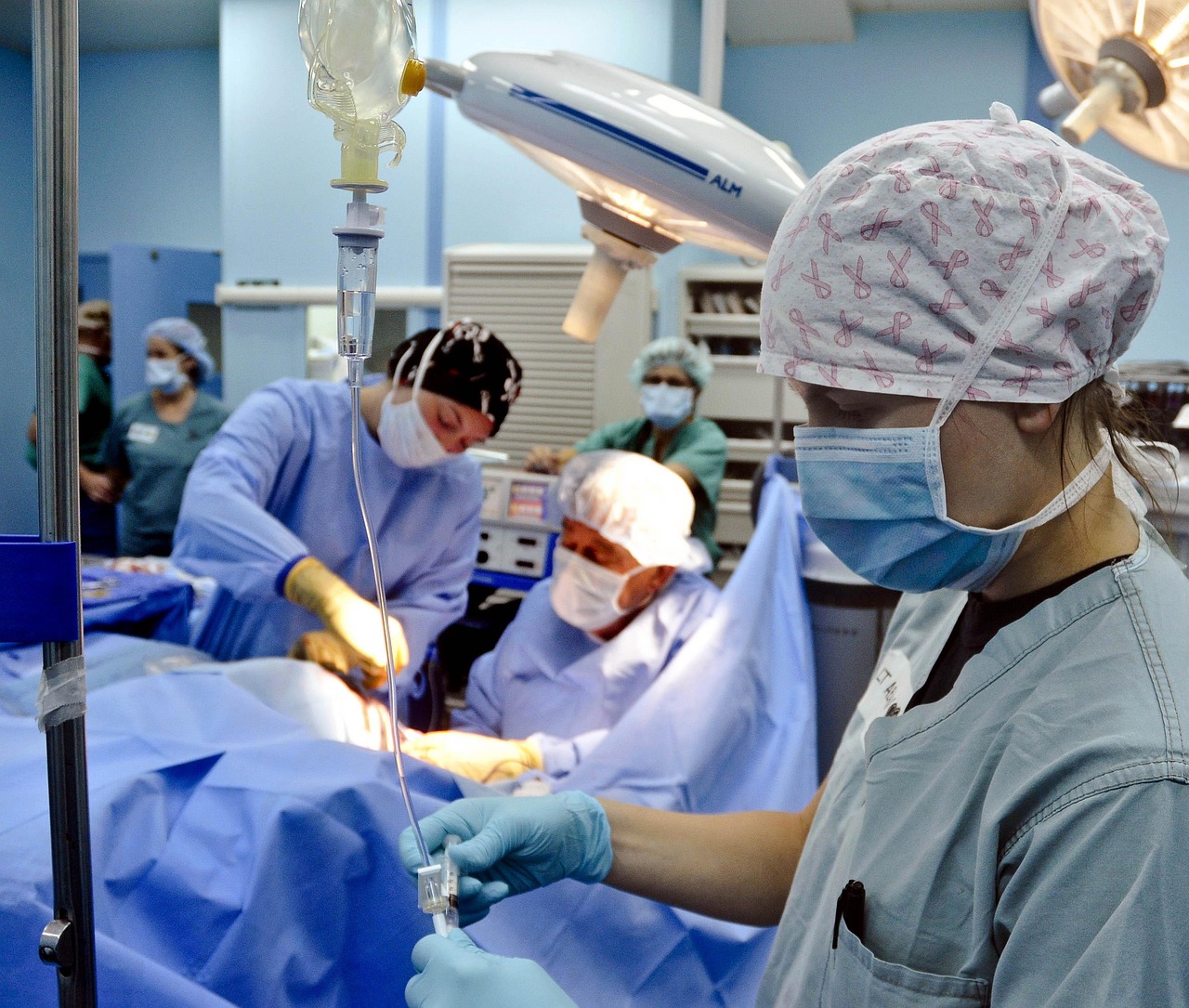
Surgical Management of Trauma: Trauma surgery is a specialized field of surgery that focuses on the surgical management of injuries caused by physical forces such as accidents, falls, or violence. This field requires a multidisciplinary approach involving trauma surgeons, emergency medicine physicians, anesthesiologists, nurses, and other healthcare professionals to provide timely and effective care to trauma patients.
Triage: Triage is the process of prioritizing patients based on the severity of their injuries and the resources available. In trauma surgery, triage helps healthcare providers quickly identify and treat patients who require immediate surgical intervention to save lives or prevent further complications. Triage categories typically include immediate, delayed, minimal, and expectant.
Mechanism of Injury: Understanding the mechanism of injury is crucial in trauma surgery as it helps healthcare providers anticipate potential injuries and complications. For example, a high-speed motor vehicle collision may result in multiple traumatic injuries, including head trauma, chest trauma, abdominal injuries, and extremity fractures.
Primary Survey: The primary survey is the initial assessment of a trauma patient to identify and address life-threatening injuries. It follows the ABCDE approach, which stands for Airway, Breathing, Circulation, Disability, and Exposure. This systematic approach ensures that critical injuries are identified and managed promptly.
Airway: Maintaining a patent airway is essential in trauma surgery to ensure adequate oxygenation and ventilation. In cases of airway obstruction due to trauma, healthcare providers may need to perform interventions such as endotracheal intubation or surgical airway placement to secure the airway.
Breathing: Assessing and managing breathing is vital in trauma surgery to prevent hypoxia and respiratory failure. Chest trauma, such as pneumothorax or hemothorax, may compromise breathing and require interventions such as chest tube placement or thoracotomy to restore lung function.
Circulation: Ensuring adequate circulation is critical in trauma surgery to maintain tissue perfusion and prevent shock. Healthcare providers may need to initiate fluid resuscitation, blood transfusion, or surgical interventions such as hemorrhage control to stabilize the patient's circulation.
Disability: Assessing neurologic function is essential in trauma surgery to identify spinal cord injuries, head trauma, or other neurologic deficits. The Glasgow Coma Scale (GCS) is commonly used to assess consciousness, motor function, and verbal response in trauma patients.
Exposure: Completing the exposure phase of the primary survey involves removing the patient's clothing to assess for additional injuries. Full-body examination helps healthcare providers identify hidden injuries, such as penetrating trauma or fractures, that may require surgical intervention.
Secondary Survey: The secondary survey is a more detailed assessment of the trauma patient to identify all injuries and develop a comprehensive treatment plan. It includes a head-to-toe examination, diagnostic studies, and imaging to guide surgical management.
Diagnostic Studies: Diagnostic studies such as X-rays, CT scans, ultrasound, and laboratory tests are essential in trauma surgery to confirm injuries and guide treatment decisions. Imaging studies help healthcare providers visualize internal injuries, fractures, or organ damage that may require surgical intervention.
Hemorrhage Control: Managing hemorrhage is a critical aspect of trauma surgery to prevent hypovolemic shock and organ dysfunction. Techniques such as direct pressure, tourniquets, hemostatic agents, and surgical interventions (e.g., vascular repair, embolization) are used to control bleeding and stabilize the patient.
Fracture Management: Treating fractures is an important component of trauma surgery to restore skeletal stability and function. Surgical interventions such as open reduction and internal fixation (ORIF), external fixation, or casting may be used to treat traumatic fractures and prevent long-term complications.
Abdominal Trauma: Abdominal trauma can result in injuries to the liver, spleen, bowel, or other intra-abdominal organs that require surgical intervention. Diagnostic peritoneal lavage (DPL), focused assessment with sonography in trauma (FAST), and exploratory laparotomy are common procedures used to evaluate and manage abdominal injuries.
Thoracic Trauma: Thoracic trauma involves injuries to the chest wall, lungs, heart, or major blood vessels that may require surgical intervention. Procedures such as thoracotomy, chest tube placement, or cardiac surgery may be necessary to treat life-threatening thoracic injuries and restore respiratory function.
Neurologic Trauma: Neurologic trauma includes injuries to the brain, spinal cord, or peripheral nerves that can result in paralysis, cognitive deficits, or other neurologic impairments. Surgical interventions such as craniotomy, spinal fusion, or nerve repair may be performed to stabilize the spine, relieve pressure on the brain, or restore neurologic function.
Vascular Trauma: Vascular trauma involves injuries to blood vessels that can lead to hemorrhage, ischemia, or limb loss if not promptly treated. Vascular surgeons may perform procedures such as vascular repair, bypass grafting, or endovascular interventions to restore blood flow and prevent complications in trauma patients.
Orthopedic Trauma: Orthopedic trauma refers to injuries to the musculoskeletal system, including fractures, dislocations, and soft tissue injuries. Orthopedic surgeons use techniques such as fixation, reduction, and reconstruction to restore skeletal alignment, stability, and function in trauma patients.
Complications: Complications in trauma surgery can arise from inadequate resuscitation, delayed treatment, or surgical errors. Common complications include infection, hemorrhage, organ dysfunction, deep vein thrombosis (DVT), and compartment syndrome, which may require additional surgical interventions or medical management.
Rehabilitation: Rehabilitation plays a crucial role in the recovery of trauma patients by restoring physical function, independence, and quality of life. Physical therapists, occupational therapists, and other rehabilitation specialists work with trauma patients to improve mobility, strength, coordination, and cognitive skills after surgery.
Challenges: Trauma surgery presents unique challenges due to the complexity and acuity of injuries encountered in trauma patients. Healthcare providers must be prepared to make rapid decisions, prioritize interventions, and coordinate care across multiple specialties to optimize outcomes for trauma patients.
Interdisciplinary Team: An interdisciplinary team approach is essential in trauma surgery to provide comprehensive and coordinated care to trauma patients. Collaboration among trauma surgeons, emergency medicine physicians, anesthesiologists, nurses, radiologists, and other healthcare professionals ensures that patients receive timely and effective treatment during the critical period following injury.
Simulation Training: Simulation training is a valuable tool in trauma surgery education to prepare healthcare providers for managing complex and high-stress situations. Simulated scenarios allow learners to practice skills, improve teamwork, and enhance communication in a safe and controlled environment before caring for actual trauma patients in clinical settings.
Research and Innovation: Research and innovation in trauma surgery drive advancements in surgical techniques, technology, and patient outcomes. Clinical trials, quality improvement projects, and evidence-based practice initiatives help healthcare providers identify best practices, optimize care processes, and improve outcomes for trauma patients.
Global Impact: Trauma surgery has a significant global impact as injuries are a leading cause of morbidity and mortality worldwide. Access to trauma care, resources, and trained healthcare providers varies across regions, highlighting the importance of improving trauma systems, infrastructure, and education to reduce the burden of trauma-related injuries globally.
Key takeaways
- This field requires a multidisciplinary approach involving trauma surgeons, emergency medicine physicians, anesthesiologists, nurses, and other healthcare professionals to provide timely and effective care to trauma patients.
- In trauma surgery, triage helps healthcare providers quickly identify and treat patients who require immediate surgical intervention to save lives or prevent further complications.
- Mechanism of Injury: Understanding the mechanism of injury is crucial in trauma surgery as it helps healthcare providers anticipate potential injuries and complications.
- Primary Survey: The primary survey is the initial assessment of a trauma patient to identify and address life-threatening injuries.
- In cases of airway obstruction due to trauma, healthcare providers may need to perform interventions such as endotracheal intubation or surgical airway placement to secure the airway.
- Chest trauma, such as pneumothorax or hemothorax, may compromise breathing and require interventions such as chest tube placement or thoracotomy to restore lung function.
- Healthcare providers may need to initiate fluid resuscitation, blood transfusion, or surgical interventions such as hemorrhage control to stabilize the patient's circulation.