
Orthopedic Trauma Surgery
Orthopedic Trauma Surgery is a specialized field within the broader discipline of orthopedic surgery that focuses on the diagnosis, treatment, and management of traumatic injuries to the musculoskeletal system. This area of surgery deals wi…
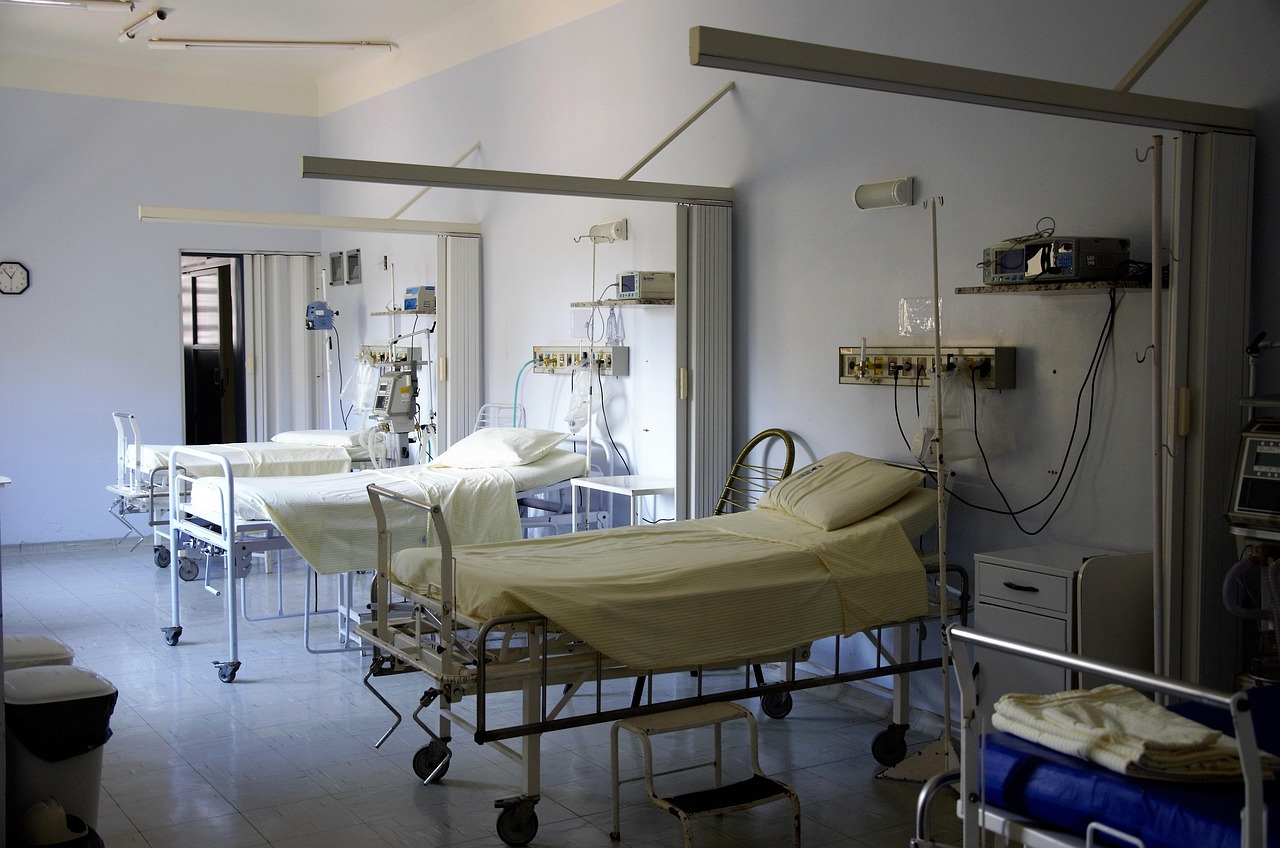
Orthopedic Trauma Surgery is a specialized field within the broader discipline of orthopedic surgery that focuses on the diagnosis, treatment, and management of traumatic injuries to the musculoskeletal system. This area of surgery deals with a wide range of injuries, from simple fractures to complex multi-system trauma cases. Understanding the key terms and vocabulary in Orthopedic Trauma Surgery is essential for healthcare professionals working in this field to effectively communicate, diagnose, and treat patients with traumatic injuries.
1. **Fracture**: A fracture is a break in a bone, which can occur as a result of trauma, overuse, or underlying bone disease. Fractures can be classified based on the mechanism of injury, location, severity, and stability.
2. **Dislocation**: A dislocation is an injury where the bones in a joint are forced out of their normal position. This can result in pain, swelling, and limited range of motion. Dislocations often occur in high-energy trauma such as car accidents or sports injuries.
3. **Sprain**: A sprain is an injury to a ligament, which is the tissue that connects bones to each other at a joint. Sprains can range from mild (Grade I) to severe (Grade III) and can cause pain, swelling, and instability in the joint.
4. **Strain**: A strain is an injury to a muscle or tendon, which is the tissue that connects muscle to bone. Strains can occur from overstretching or overuse of the muscle and can result in pain, swelling, and limited function.
5. **Orthopedic Surgeon**: An orthopedic surgeon is a medical doctor who specializes in the diagnosis, treatment, and management of musculoskeletal conditions, including traumatic injuries. Orthopedic surgeons may further specialize in trauma surgery to treat complex fractures and injuries.
6. **Polytrauma**: Polytrauma refers to the presence of multiple traumatic injuries in a single patient. Patients with polytrauma often require multidisciplinary care involving orthopedic surgeons, trauma surgeons, neurosurgeons, and other specialists to manage their injuries effectively.
7. **Internal Fixation**: Internal fixation is a surgical technique used to stabilize broken bones using implants such as screws, plates, or rods. This method allows for early mobilization and promotes faster healing of fractures.
8. **External Fixation**: External fixation is a technique where pins or screws are placed into the bone above and below a fracture and connected to an external frame. This method is often used in cases of open fractures or when internal fixation is not feasible.
9. **Closed Reduction**: Closed reduction is a non-surgical procedure where a fractured bone is realigned without making an incision. This technique is commonly used for simple fractures that can be manipulated back into place manually.
10. **Open Reduction**: Open reduction is a surgical procedure where a fractured bone is realigned through an incision. This technique is necessary for complex fractures or fractures that cannot be adequately reduced with closed methods.
11. **Malunion**: Malunion is a complication of fracture healing where the bone heals in an incorrect position, leading to deformity, pain, and functional impairment. Malunions may require surgical correction to restore proper alignment and function.
12. **Nonunion**: Nonunion occurs when a fractured bone fails to heal despite appropriate treatment. This can be due to poor blood supply, infection, or inadequate immobilization. Nonunions often require revision surgery or bone grafting to promote healing.
13. **Delayed Union**: Delayed union is a condition where a fractured bone takes longer than expected to heal. This can be due to factors such as poor blood supply, infection, or inadequate immobilization. In some cases, delayed unions may progress to nonunions.
14. **Intramedullary Nail**: An intramedullary nail is a metal rod inserted into the hollow center of a long bone to stabilize a fracture. This device is commonly used in the treatment of long bone fractures such as femur or tibia fractures.
15. **External Fixator**: An external fixator is a device used to stabilize fractures externally by connecting pins or wires to an external frame. External fixators are often used in complex fractures, open fractures, or cases where internal fixation is not suitable.
16. **Traction**: Traction is a method of applying a pulling force to a fractured or dislocated limb to maintain proper alignment and promote healing. Traction can be applied using weights, pulleys, or external devices and is commonly used in preoperative fracture management.
17. **Orthosis**: An orthosis, also known as an orthopedic brace, is a device used to support, protect, or immobilize a body part following an injury or surgery. Orthoses can be custom-made or prefabricated and are commonly used in the rehabilitation of orthopedic trauma patients.
18. **Arthroplasty**: Arthroplasty is a surgical procedure to replace or reconstruct a damaged joint. This procedure is commonly performed in cases of severe joint trauma, osteoarthritis, or fractures that involve the joint surface.
19. **Arthroscopy**: Arthroscopy is a minimally invasive surgical technique that uses a small camera and instruments to visualize and treat joint injuries. Arthroscopy is commonly used in the diagnosis and treatment of ligament tears, cartilage injuries, and joint instability.
20. **External Rotation**: External rotation is a movement of a limb away from the midline of the body. This movement is commonly assessed in the clinical examination of musculoskeletal injuries to determine the integrity of joints and soft tissues.
21. **Internal Rotation**: Internal rotation is a movement of a limb towards the midline of the body. This movement is important in the assessment of joint stability, range of motion, and function in orthopedic trauma patients.
22. **Neurovascular Examination**: A neurovascular examination is a comprehensive assessment of the nerves and blood vessels supplying a limb following a traumatic injury. This examination is crucial in determining the extent of injury, risk of complications, and need for urgent intervention.
23. **Compartment Syndrome**: Compartment syndrome is a serious condition that occurs when increased pressure within a muscle compartment compromises blood flow to the tissues. This can lead to tissue damage, nerve injury, and limb loss if not promptly diagnosed and treated.
24. **Fasciotomy**: A fasciotomy is a surgical procedure to release the fascia surrounding a muscle compartment, relieving pressure and restoring blood flow. Fasciotomies are performed in cases of acute compartment syndrome to prevent tissue damage and improve outcomes.
25. **Infection**: Infection is a common complication of orthopedic trauma surgery, particularly in cases of open fractures or extensive soft tissue injury. Infections can delay healing, increase the risk of nonunion, and require aggressive treatment with antibiotics or surgical debridement.
26. **DVT (Deep Vein Thrombosis)**: Deep vein thrombosis is a potentially life-threatening condition where blood clots form in the deep veins of the legs or pelvis. Patients with orthopedic trauma are at increased risk of DVT due to immobility, trauma, and surgery, necessitating prophylaxis with blood thinners.
27. **PE (Pulmonary Embolism)**: Pulmonary embolism is a serious complication of DVT where a blood clot travels to the lungs, causing chest pain, shortness of breath, and potentially fatal consequences. Patients undergoing orthopedic trauma surgery are monitored for signs of PE and receive prophylactic measures to reduce the risk.
28. **Osteoporosis**: Osteoporosis is a condition characterized by low bone density and increased risk of fractures. Patients with osteoporosis are more prone to sustaining fractures from minimal trauma and may require specialized treatment to prevent further bone loss and fractures.
29. **Bone Graft**: A bone graft is a surgical procedure where bone tissue is transplanted from one site to another to promote healing or fill a bone defect. Bone grafts can be autografts (from the patient), allografts (from a donor), or synthetic materials, depending on the clinical indication.
30. **Malpractice**: Malpractice refers to professional negligence or misconduct by a healthcare provider that results in harm to a patient. Orthopedic trauma surgeons must adhere to high standards of care, documentation, and communication to prevent malpractice claims and ensure patient safety.
31. **Rehabilitation**: Rehabilitation is an essential component of the recovery process for orthopedic trauma patients. Physical therapy, occupational therapy, and other interventions help restore function, strength, and mobility following surgery or injury.
32. **Return to Play**: Return to play is a critical decision in the management of orthopedic trauma patients, particularly athletes. Orthopedic surgeons must consider factors such as bone healing, functional recovery, and risk of reinjury before clearing a patient to return to sports or high-impact activities.
33. **Evidence-Based Practice**: Evidence-based practice involves integrating the best available research evidence with clinical expertise and patient values to make informed healthcare decisions. Orthopedic trauma surgeons should stay updated on the latest guidelines, studies, and recommendations to deliver high-quality care to their patients.
34. **Multidisciplinary Team**: Orthopedic trauma surgery often requires collaboration with a multidisciplinary team of healthcare professionals, including trauma surgeons, orthopedic nurses, physical therapists, social workers, and others. Effective communication and teamwork are essential for optimizing patient outcomes in complex trauma cases.
35. **Telemedicine**: Telemedicine is the use of technology to provide healthcare services remotely, including virtual consultations, telemonitoring, and tele-rehabilitation. Orthopedic trauma surgeons can utilize telemedicine to follow up with patients, provide postoperative care, and access expert opinions from colleagues in real-time.
36. **Quality Improvement**: Quality improvement initiatives focus on enhancing the safety, effectiveness, and efficiency of healthcare delivery. Orthopedic trauma surgeons can participate in quality improvement projects to identify areas for improvement, implement evidence-based practices, and monitor outcomes to enhance patient care.
37. **Patient Safety**: Patient safety is a top priority in orthopedic trauma surgery to prevent complications, errors, and adverse events that may harm patients. Orthopedic surgeons must adhere to best practices, protocols, and guidelines to ensure the safety and well-being of their patients throughout the treatment process.
38. **Ethical Considerations**: Ethical considerations are paramount in orthopedic trauma surgery, involving issues such as informed consent, patient autonomy, beneficence, nonmaleficence, and justice. Orthopedic surgeons must uphold ethical standards, respect patient rights, and make decisions that prioritize the best interests of their patients.
39. **Global Health**: Global health initiatives aim to address health disparities, promote access to care, and improve health outcomes worldwide. Orthopedic trauma surgeons can contribute to global health by participating in medical missions, training programs, research collaborations, and advocacy efforts to reduce the burden of musculoskeletal injuries in underserved populations.
40. **Professional Development**: Continuous professional development is essential for orthopedic trauma surgeons to stay current with advances in the field, refine their skills, and maintain high standards of practice. Orthopedic surgeons can pursue ongoing education, training courses, certifications, and research opportunities to enhance their knowledge and expertise in trauma surgery.
In conclusion, mastering the key terms and vocabulary in Orthopedic Trauma Surgery is crucial for healthcare professionals to effectively communicate, diagnose, and treat patients with traumatic injuries. By understanding these concepts, healthcare providers can deliver high-quality care, optimize patient outcomes, and contribute to the advancement of orthopedic trauma surgery as a specialized discipline within the field of orthopedic surgery.
Key takeaways
- Understanding the key terms and vocabulary in Orthopedic Trauma Surgery is essential for healthcare professionals working in this field to effectively communicate, diagnose, and treat patients with traumatic injuries.
- **Fracture**: A fracture is a break in a bone, which can occur as a result of trauma, overuse, or underlying bone disease.
- **Dislocation**: A dislocation is an injury where the bones in a joint are forced out of their normal position.
- Sprains can range from mild (Grade I) to severe (Grade III) and can cause pain, swelling, and instability in the joint.
- Strains can occur from overstretching or overuse of the muscle and can result in pain, swelling, and limited function.
- **Orthopedic Surgeon**: An orthopedic surgeon is a medical doctor who specializes in the diagnosis, treatment, and management of musculoskeletal conditions, including traumatic injuries.
- Patients with polytrauma often require multidisciplinary care involving orthopedic surgeons, trauma surgeons, neurosurgeons, and other specialists to manage their injuries effectively.