
Remote Sensing Applications in Archaeology
Remote Sensing Applications in Archaeology is a field that involves the use of various technologies to gather information about archaeological sites from a distance. This information can be crucial in understanding the past, identifying pot…
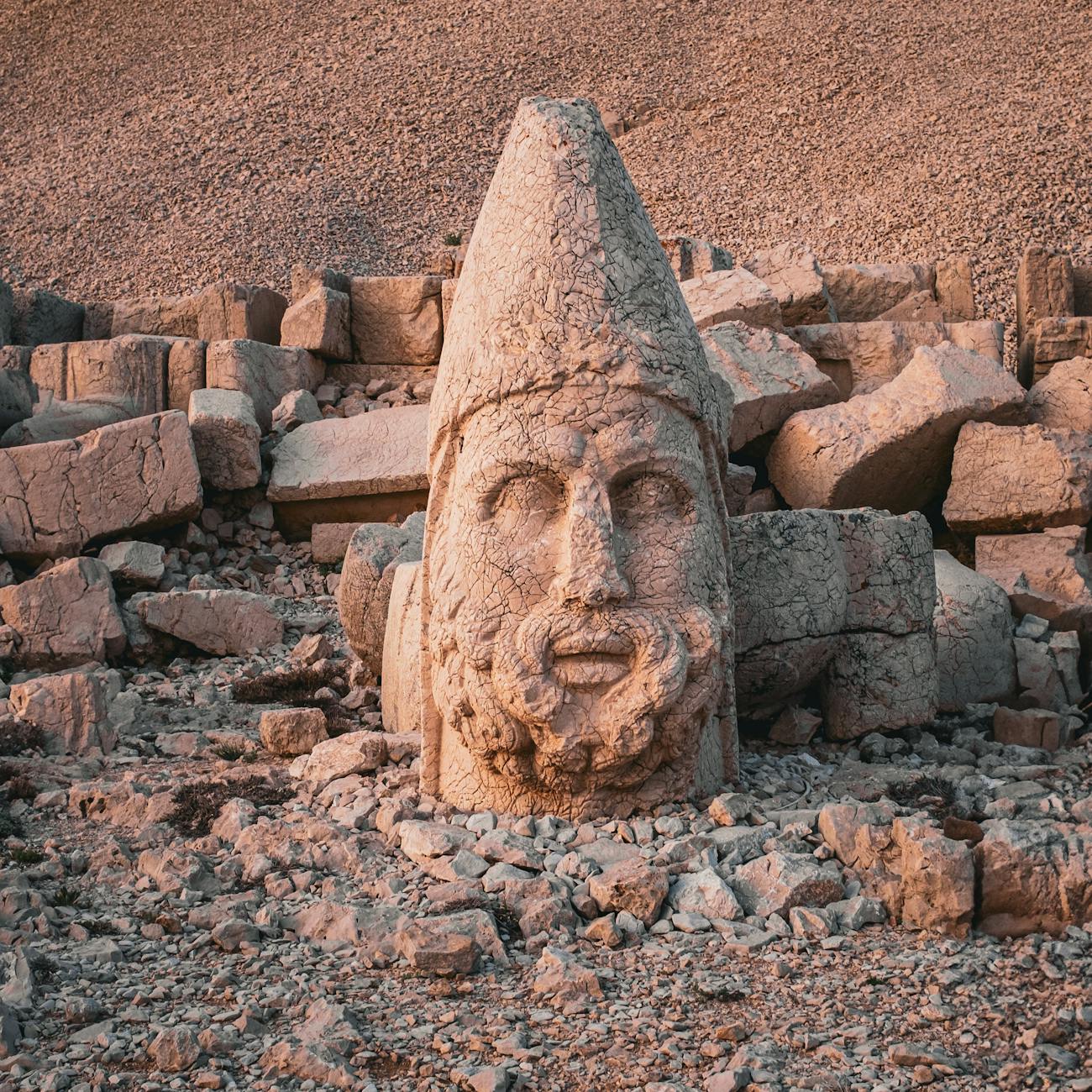
Remote Sensing Applications in Archaeology is a field that involves the use of various technologies to gather information about archaeological sites from a distance. This information can be crucial in understanding the past, identifying potential excavation sites, monitoring changes in archaeological sites, and preserving cultural heritage. Remote sensing techniques have revolutionized archaeological research by providing non-invasive methods to study and document sites without disturbing them physically. In this course, we will explore the key terms and vocabulary essential for understanding Remote Sensing Applications in Archaeology.
1. **Remote Sensing**: Remote sensing is the process of acquiring information about an object or phenomenon without making physical contact with it. In archaeology, remote sensing techniques such as satellite imagery, aerial photography, LiDAR, and ground-penetrating radar are used to study archaeological sites from a distance.
2. **GIS (Geographic Information System)**: GIS is a computer-based tool used to capture, store, manipulate, analyze, and visualize spatial data. In archaeology, GIS is essential for integrating and analyzing remote sensing data to create detailed maps and models of archaeological sites.
3. **Archaeology**: Archaeology is the study of human history and prehistory through the excavation of sites and the analysis of artifacts and other physical remains. Remote sensing techniques play a significant role in archaeology by providing valuable data for site identification, monitoring, and analysis.
4. **LiDAR (Light Detection and Ranging)**: LiDAR is a remote sensing technology that uses laser pulses to measure distances to the Earth's surface. In archaeology, LiDAR is used to create detailed topographic maps of archaeological sites, revealing hidden features such as ancient roads, buildings, and landscapes.
5. **Satellite Imagery**: Satellite imagery refers to images of the Earth's surface captured by satellites orbiting the planet. Archaeologists use satellite imagery to study large-scale features of archaeological sites, monitor changes over time, and identify potential sites for further investigation.
6. **Aerial Photography**: Aerial photography involves capturing images of the Earth's surface from an elevated position, typically from an aircraft or drone. Aerial photography is widely used in archaeology to document and map archaeological sites, especially those that are difficult to access on the ground.
7. **Ground-Penetrating Radar (GPR)**: GPR is a geophysical method that uses radar pulses to image the subsurface. In archaeology, GPR is used to detect buried features such as walls, foundations, and artifacts without the need for excavation, making it a valuable tool for non-invasive site analysis.
8. **Multispectral Imaging**: Multispectral imaging involves capturing images of the Earth's surface in multiple wavelengths of light. In archaeology, multispectral imaging is used to identify subtle variations in vegetation, soil composition, and moisture content that can indicate the presence of buried archaeological features.
9. **Thermal Imaging**: Thermal imaging uses infrared radiation to detect variations in temperature on the Earth's surface. In archaeology, thermal imaging is used to identify subsurface features such as buried walls and structures that retain heat differently from the surrounding soil.
10. **Orthophoto**: An orthophoto is an aerial photograph that has been corrected for distortion and scale to create a geometrically accurate image of the Earth's surface. Orthophotos are widely used in archaeology for mapping, site visualization, and analysis.
11. **Feature Extraction**: Feature extraction is the process of identifying and delineating specific features of interest in remote sensing data. In archaeology, feature extraction techniques are used to detect archaeological sites, structures, and artifacts from satellite imagery, LiDAR, and other remote sensing data.
12. **Change Detection**: Change detection involves comparing multiple images of the same area taken at different times to identify and analyze changes in the landscape. In archaeology, change detection techniques are used to monitor the degradation of archaeological sites, track illegal looting activities, and assess the impact of natural disasters.
13. **Digital Elevation Model (DEM)**: A Digital Elevation Model is a digital representation of the Earth's surface topography. DEMs are essential for creating 3D models of archaeological sites, analyzing terrain characteristics, and visualizing landscape features from remote sensing data.
14. **Hyperspectral Imaging**: Hyperspectral imaging involves capturing images of the Earth's surface in hundreds of narrow spectral bands. In archaeology, hyperspectral imaging is used to identify unique spectral signatures of archaeological materials, such as pottery, minerals, and vegetation, to aid in site interpretation and analysis.
15. **Remote Sensing Platforms**: Remote sensing platforms refer to the vehicles or devices used to capture remote sensing data, such as satellites, aircraft, drones, and ground-based sensors. Different platforms have unique capabilities and limitations that influence the quality and resolution of remote sensing data collected for archaeological purposes.
16. **Topographic Map**: A topographic map is a detailed representation of the Earth's surface that shows elevation, terrain features, and man-made structures. Topographic maps are essential for archaeological research, site planning, and spatial analysis using remote sensing data.
17. **Radiocarbon Dating**: Radiocarbon dating is a technique used to determine the age of organic materials based on the decay of the radioactive isotope carbon-14. Radiocarbon dating is a fundamental tool in archaeology for establishing chronologies and timelines of archaeological sites discovered through remote sensing.
18. **LiDAR Point Cloud**: A LiDAR point cloud is a collection of 3D points representing the surface of the Earth captured by LiDAR technology. LiDAR point clouds are processed to generate high-resolution digital elevation models, terrain models, and 3D visualizations of archaeological sites for further analysis.
19. **Cultural Heritage**: Cultural heritage refers to the legacy of physical and intangible artifacts, structures, and traditions passed down through generations. Remote sensing applications in archaeology play a vital role in documenting, preserving, and protecting cultural heritage sites from natural and human-induced threats.
20. **Site Detection**: Site detection is the process of identifying potential archaeological sites from remote sensing data based on specific criteria such as soil composition, vegetation patterns, and topographic features. Remote sensing technologies enable archaeologists to locate and prioritize sites for further investigation and conservation efforts.
21. **Spatial Analysis**: Spatial analysis involves the study of geographic data to understand patterns, relationships, and trends within a specific area. In archaeology, spatial analysis using remote sensing data helps archaeologists interpret site distributions, land use patterns, and cultural landscapes to reconstruct past human activities.
22. **3D Reconstruction**: 3D reconstruction is the process of creating digital models of archaeological sites in three dimensions using remote sensing data. Through 3D reconstruction, archaeologists can visualize and analyze the spatial relationships, architectural features, and landscape characteristics of archaeological sites without physical excavation.
23. **Archaeological Excavation**: Archaeological excavation is the systematic uncovering and recording of archaeological remains through digging, sifting, and analyzing artifacts and structures. Remote sensing data can inform and guide archaeological excavation by providing preliminary insights into site locations, features, and potential research questions.
24. **Cultural Resource Management**: Cultural resource management (CRM) is the practice of identifying, assessing, and preserving cultural heritage sites for future generations. Remote sensing technologies play a crucial role in CRM by providing efficient and cost-effective methods to survey, document, and protect archaeological sites from development and environmental threats.
25. **Remote Sensing Challenges**: Remote sensing applications in archaeology face various challenges, including data interpretation, resolution limitations, environmental conditions, data processing techniques, and access to specialized equipment and software. Overcoming these challenges requires interdisciplinary collaboration, advanced technical skills, and continuous innovation in remote sensing technologies.
26. **Ethical Considerations**: Ethical considerations in remote sensing applications in archaeology include respecting indigenous knowledge, obtaining proper permits for data collection, minimizing environmental impact, sharing data responsibly, and engaging local communities in archaeological research. Ethical practices are essential for maintaining the integrity and sustainability of archaeological projects using remote sensing techniques.
27. **Archaeological Site Preservation**: Archaeological site preservation aims to protect and conserve archaeological sites for future generations by implementing strategies to prevent looting, vandalism, erosion, and urban development. Remote sensing technologies play a critical role in site preservation by providing non-invasive methods to monitor, document, and manage archaeological sites effectively.
28. **Public Engagement**: Public engagement in remote sensing applications in archaeology involves communicating research findings, engaging with local communities, and raising awareness about the significance of archaeological heritage. Public outreach activities such as workshops, exhibitions, and educational programs help bridge the gap between archaeologists, policymakers, and the general public to promote the value of remote sensing in archaeological research.
29. **Interpretation and Analysis**: Interpretation and analysis of remote sensing data in archaeology require specialized skills in image processing, spatial analysis, data visualization, and archaeological theory. Archaeologists use a combination of remote sensing techniques and archaeological knowledge to interpret features, patterns, and relationships within archaeological sites to reconstruct past human activities and landscapes.
30. **Integration of Data Sources**: Integration of data sources from multiple remote sensing technologies, archaeological surveys, historical records, and geographic information systems is essential for comprehensive analysis and interpretation of archaeological sites. By combining data from different sources, archaeologists can create detailed maps, models, and visualizations that enhance understanding of the spatial, temporal, and cultural aspects of archaeological sites.
In conclusion, Remote Sensing Applications in Archaeology encompass a wide range of technologies, methods, and concepts that contribute to the study, interpretation, and preservation of archaeological sites around the world. By understanding the key terms and vocabulary associated with remote sensing in archaeology, professionals in the field can enhance their knowledge and skills to conduct research, manage cultural heritage sites, and engage with diverse stakeholders in the archaeological community. The integration of remote sensing techniques with traditional archaeological methods offers new opportunities for discovery, conservation, and public engagement in the field of archaeology.
Key takeaways
- This information can be crucial in understanding the past, identifying potential excavation sites, monitoring changes in archaeological sites, and preserving cultural heritage.
- In archaeology, remote sensing techniques such as satellite imagery, aerial photography, LiDAR, and ground-penetrating radar are used to study archaeological sites from a distance.
- **GIS (Geographic Information System)**: GIS is a computer-based tool used to capture, store, manipulate, analyze, and visualize spatial data.
- **Archaeology**: Archaeology is the study of human history and prehistory through the excavation of sites and the analysis of artifacts and other physical remains.
- In archaeology, LiDAR is used to create detailed topographic maps of archaeological sites, revealing hidden features such as ancient roads, buildings, and landscapes.
- Archaeologists use satellite imagery to study large-scale features of archaeological sites, monitor changes over time, and identify potential sites for further investigation.
- **Aerial Photography**: Aerial photography involves capturing images of the Earth's surface from an elevated position, typically from an aircraft or drone.