
Quality Management In Supply Chain
Total Quality Management (TQM) is a comprehensive approach that seeks to embed quality in every organizational process, from product design through delivery. In a supply‑chain context, TQM requires that each link—suppliers, manufacturers, d…
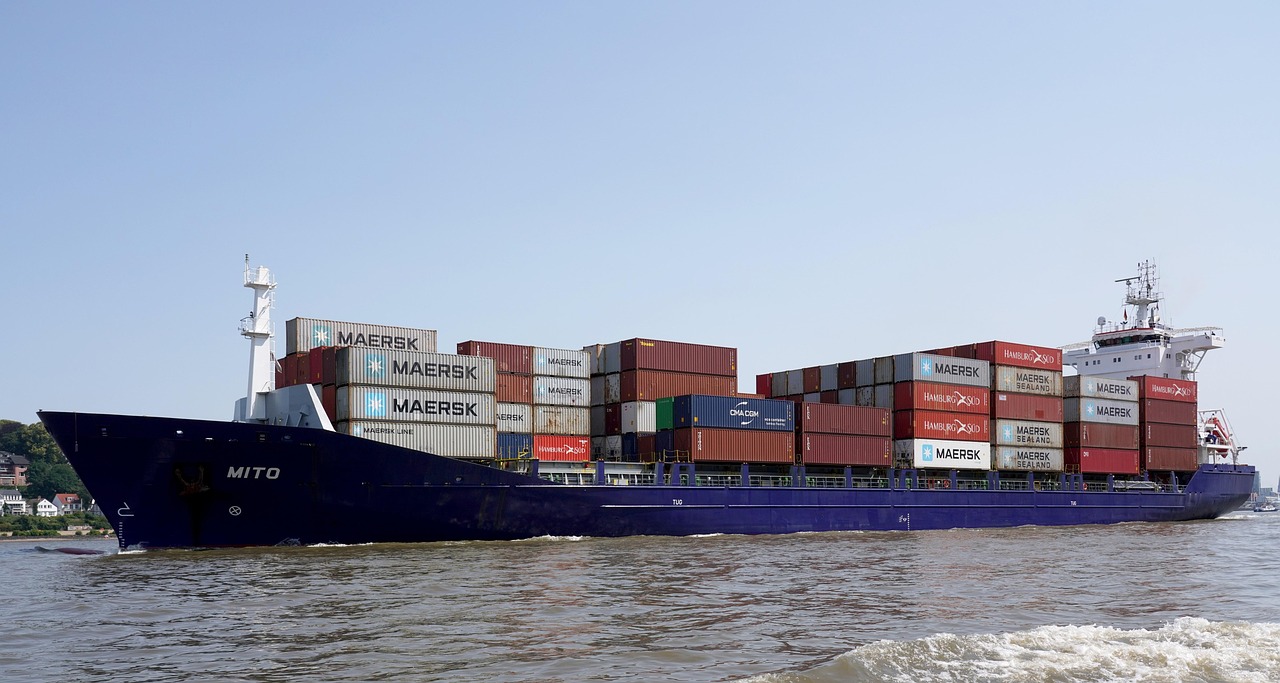
Total Quality Management (TQM) is a comprehensive approach that seeks to embed quality in every organizational process, from product design through delivery. In a supply‑chain context, TQM requires that each link—suppliers, manufacturers, distributors, and retailers—adopt shared quality objectives and communicate performance metrics continuously. For example, a consumer‑electronics company may require its component suppliers to meet a defect‑rate threshold of 0.1 % Before parts are accepted into the assembly line. The practical application of TQM in supply chain management involves cross‑functional teams that conduct regular audits, share best practices, and apply corrective actions jointly. A common challenge is aligning the diverse quality cultures of independent partners, especially when contracts do not explicitly define quality responsibilities.
Six Sigma is a data‑driven methodology aimed at reducing variation and defects to a level of 3.4 Defects per million opportunities (DPMO). The core framework, known as DMAIC (Define, Measure, Analyse, Improve, Control), guides teams through problem identification to sustainable solutions. In the supply chain, Six Sigma projects often focus on lead‑time variability, inventory accuracy, or transportation damage rates. Consider a logistics provider that experiences frequent pallet mis‑placements; a Six Sigma project would define the problem, measure the frequency of mis‑placements, analyse root causes such as inadequate scanning procedures, implement improved barcode systems, and control the process with real‑time dashboards. The main obstacle to Six Sigma adoption is the need for skilled practitioners (often certified as Green Belts or Black Belts) and the cultural shift required to prioritize statistical analysis over intuition.
ISO 9001 is an internationally recognised standard that specifies requirements for a quality management system (QMS). It emphasises a process‑based approach, risk‑based thinking, and continual improvement. For supply‑chain participants, ISO 9001 certification signals that the organisation has documented procedures for procurement, production, and distribution, and that it monitors performance against defined objectives. A practical illustration is a food‑processing firm that must demonstrate traceability of raw materials; ISO 9001 requires the firm to maintain records that can be retrieved quickly in case of a recall. One challenge is maintaining compliance across multiple sites and ensuring that audit findings are addressed promptly, especially when third‑party suppliers are involved.
Lean principles focus on eliminating waste (known as “muda”) and improving flow. In supply chain management, lean techniques such as Just‑In‑Time (JIT) inventory, value‑stream mapping, and kanban systems reduce excess stock, shorten cycle times, and enhance responsiveness to demand fluctuations. For example, an automotive manufacturer may implement a JIT system that synchronises component deliveries with assembly schedules, thereby minimising on‑hand inventory and freeing warehouse space. A frequent challenge is the vulnerability to supply disruptions; when a single‑source supplier experiences a delay, the tightly coupled JIT network can experience production stoppages, prompting the need for contingency planning and buffer strategies.
Statistical Process Control (SPC) employs control charts to monitor process stability and detect abnormal variation. Key SPC tools include the X‑bar chart for monitoring sample means and the R‑chart for range. In a supply‑chain setting, SPC can be applied to inbound quality inspection of raw materials. A supplier of steel rods might use an X‑bar chart to track the average diameter of each batch; if the chart signals an out‑of‑control point, the supplier can intervene before the material reaches the downstream manufacturer. The primary challenge is collecting sufficient data in real time and ensuring that operators are trained to interpret chart signals correctly.
Process Capability measures a process’s ability to produce output within specification limits. Two common indices are Cp (potential capability) and Cpk (actual capability). A Cp value of 1.33 Indicates that the process spread is three‑times the specification width, suggesting a high probability of meeting specs. In supply chain quality management, capability analysis may be performed on a packaging line that must seal boxes within a weight tolerance of ±5 g. By calculating Cp and Cpk, managers can assess whether the current process meets the required quality level or if equipment upgrades are needed. A frequent difficulty is the assumption of normal distribution; real‑world data may be skewed, requiring transformation or alternative capability measures.
Defect is any non‑conformance to a specified requirement. Defects can be classified as critical, major, or minor based on their impact on safety, functionality, or aesthetics. The defect rate is often expressed as defects per million opportunities (DPMO) or as a percentage. For instance, a pharmaceutical distributor may consider a mislabeled bottle a critical defect because it could lead to dosage errors. In practice, organisations track defects through quality‑control inspection points and use the data to drive corrective actions. One of the main challenges is distinguishing between true defects and acceptable variations, especially when specifications are loosely defined.
First Pass Yield (FPY) measures the proportion of units that pass all quality checks without rework. High FPY indicates efficient processes and low waste. In a supply‑chain context, FPY can be applied to a cross‑dock operation where inbound pallets are inspected before being transferred to outbound trucks. If 95 % of pallets are cleared on the first inspection, the FPY is 95 %; the remaining 5 % require re‑inspection or repacking, incurring additional cost. Improving FPY often involves root‑cause analysis of failure modes, supplier training, and tighter process controls. A common obstacle is the tendency to focus on downstream rework rather than addressing upstream causes.
Cost of Poor Quality (CoPQ) aggregates the financial impact of defects, rework, warranty claims, and lost sales. CoPQ is divided into internal failure costs (e.G., Scrap, rework) and external failure costs (e.G., Warranty, returns). For a retailer of consumer appliances, internal failure costs might include the expense of sorting defective units in the warehouse, while external failure costs could involve handling customer complaints and providing replacements. By quantifying CoPQ, supply‑chain managers can prioritise improvement initiatives that deliver the greatest financial return. A challenge is accurately attributing costs across multiple partners, especially when data sharing is limited by confidentiality agreements.
Supplier Quality Assurance (SQA) encompasses the processes used to evaluate and monitor supplier performance. Typical SQA activities include supplier audits, incoming inspection, performance scorecards, and corrective‑action requests. A practical example is a fashion brand that requires its fabric suppliers to meet colour‑fastness standards; the brand conducts quarterly audits and uses a scorecard that tracks on‑time delivery, defect rate, and responsiveness to issues. The main difficulty lies in maintaining consistent standards across a global supplier base and ensuring that audit findings lead to tangible improvements rather than paperwork.
Quality Function Deployment (QFD) translates customer requirements (the “voice of the customer”) into technical specifications for product design and supply‑chain processes. The primary tool of QFD is the “house of quality” matrix, which links customer needs to engineering characteristics and identifies critical design parameters. For example, a smartphone manufacturer may capture customer desires for battery life, screen durability, and weight; QFD helps the design team allocate resources to battery chemistry, screen glass thickness, and chassis materials accordingly. In supply‑chain terms, QFD can guide supplier selection by aligning supplier capabilities with the identified critical specifications. The main obstacle is the time‑intensive nature of the matrix and the need for cross‑functional collaboration.
Continuous Improvement (Kaizen) encourages incremental changes that cumulatively enhance quality and efficiency. In a supply‑chain environment, Kaizen may be implemented through daily huddles, suggestion programs, and rapid‑change events. A warehouse team might use Kaizen to redesign the picking route, reducing travel distance by 10 % and increasing order‑fulfilment speed. While Kaizen fosters employee engagement, a common challenge is sustaining momentum; without visible leadership support and clear metrics, improvement ideas may fade after initial enthusiasm.
Root‑Cause Analysis (RCA) seeks to identify the underlying cause(s) of a problem rather than merely treating symptoms. Tools such as the “5 Whys,” fishbone diagrams, and Pareto charts support RCA. For instance, a recurring damage issue in a freight‑forwarding operation may be traced by asking “Why did the pallets break?”; Answers may reveal inadequate handling equipment, leading to the root cause of insufficient training for cargo handlers. Implementing RCA requires a systematic approach and willingness to confront organisational weaknesses, which can be resisted by teams fearing blame.
Corrective and Preventive Action (CAPA) is a structured process that addresses identified non‑conformities (corrective) and implements measures to prevent recurrence (preventive). In supply‑chain quality management, CAPA may be triggered by a supplier audit finding that a batch of components exceeds the specified tolerance. The corrective step involves quarantining the batch and performing a root‑cause investigation; the preventive step might include updating the supplier’s process control plan or revising the incoming inspection criteria. CAPA effectiveness is measured by the reduction in recurrence frequency. A typical challenge is the documentation burden and ensuring that CAPA plans are closed out in a timely manner.
Supplier Development focuses on improving a supplier’s capabilities through training, technology transfer, and joint process improvement. For example, a major automotive OEM may partner with a small‑scale machining supplier to introduce statistical quality tools, upgrade equipment, and establish a shared quality‑management system. The result is higher part quality and reduced inspection time at the OEM’s plant. Supplier development requires investment of resources and a long‑term commitment, and the ROI may be difficult to quantify in the short term.
Traceability refers to the ability to track the history, location, and application of a product or component throughout the supply chain. In regulated industries such as food and pharmaceuticals, traceability is essential for recall management and compliance. A practical implementation is the use of batch numbers and barcodes that link raw materials to finished goods, enabling rapid identification of affected lots. The challenge lies in maintaining accurate data capture across multiple handling points, especially when manual processes dominate.
Risk‑Based Thinking is a principle that encourages organisations to identify, assess, and mitigate risks that could affect product quality or supply‑chain performance. ISO 9001:2015 Embeds risk‑based thinking throughout its clauses. In a supply‑chain scenario, a risk assessment might evaluate the impact of geopolitical instability on raw‑material sourcing, prompting the development of alternative sourcing strategies. Effective risk management requires a systematic approach, cross‑functional involvement, and the integration of risk registers into decision‑making processes. Resistance often arises from the perception that risk activities are “extra work” rather than value‑adding.
Quality Metrics are quantitative indicators used to monitor performance and drive improvement. Common metrics include defect density, on‑time delivery, inventory turnover, and service‑level agreements (SLAs). For a distribution centre, the on‑time delivery metric may be calculated as the percentage of orders shipped within the promised window. By tracking this metric over time, managers can detect trends, correlate them with root‑cause factors such as staffing levels, and implement corrective actions. Selecting appropriate metrics is critical; overly complex or irrelevant metrics can obscure true performance and demotivate staff.
Service‑Level Agreement (SLA) defines the expected level of service between a supplier and a customer, often including quality‑related parameters such as defect rate, response time, and availability. In a logistics contract, an SLA might stipulate that 99.5 % Of shipments must arrive undamaged. Failure to meet the SLA can trigger penalties or renegotiation. SLAs provide a clear benchmark for performance evaluation, but they can become contentious if the underlying causes of non‑conformance are not well understood or if the metrics are unrealistic.
Supply‑Chain Visibility is the capability to monitor and analyse data across the entire supply chain in real time. Visibility enables proactive quality management by identifying potential issues before they materialise. Technologies such as RFID, IoT sensors, and cloud‑based analytics platforms enhance visibility. For instance, a perishable‑goods distributor may use temperature sensors to ensure that refrigerated trucks maintain the required range; deviations trigger alerts that allow corrective action before spoilage occurs. Implementing visibility solutions often faces barriers related to data integration, cybersecurity, and the willingness of partners to share information.
Lean Six Sigma combines the waste‑reduction focus of lean with the statistical rigour of Six Sigma. The hybrid approach seeks to achieve both speed and precision. In supply‑chain optimisation, a Lean Six Sigma project might target order‑processing lead time while simultaneously reducing error rates. By mapping the value stream, identifying non‑value‑added steps, and applying DMAIC to address variation, organisations can achieve substantial performance gains. The principal challenge is harmonising the cultural mindsets of lean (which values speed) and Six Sigma (which values statistical certainty), requiring strong leadership and clear communication.
Value‑Stream Mapping (VSM) is a visual tool that depicts the flow of materials and information from supplier to customer, highlighting both value‑adding and non‑value‑adding activities. VSM helps identify bottlenecks, excess inventory, and delays. A practical example is a retailer mapping the journey of a garment from fabric supplier, through cutting, sewing, and distribution, to the store shelf. The map may reveal that inspection at the packaging stage adds significant lead time without improving quality, prompting its removal. Successful VSM exercises depend on accurate data collection and the involvement of stakeholders from each functional area.
Process Mapping is a detailed diagram that shows the sequence of steps, decision points, and responsible parties for a specific process. In quality management, process maps are used to standardise procedures, train staff, and identify opportunities for improvement. A supplier might develop a process map for its incoming‑material inspection, detailing sampling methods, measurement equipment, acceptance criteria, and documentation requirements. By standardising the process, the supplier reduces variation and improves compliance with ISO 9001. A common obstacle is the tendency to create overly complex maps that are difficult for operators to follow.
Non‑Conformance Report (NCR) documents a deviation from specified requirements. NCRs are used to record, investigate, and resolve quality issues. In a supply‑chain setting, an NCR may be generated when a shipment arrives with damaged packaging. The report includes details such as the nature of the non‑conformance, the affected part number, the root‑cause analysis, and the corrective action plan. Effective NCR management ensures that issues are closed in a timely manner and that lessons learned are disseminated throughout the network. Challenges include ensuring that NCRs are not treated as punitive tools, which can discourage reporting.
Supplier Scorecard provides a quantitative assessment of supplier performance across multiple dimensions, such as quality, delivery, cost, and innovation. Scorecards enable buyers to compare suppliers, identify trends, and drive improvement through feedback. For example, a electronics manufacturer may assign weighted scores to defect rate (40 %), on‑time delivery (30 %), and price competitiveness (30 %). Suppliers receiving low scores can be engaged in corrective‑action discussions or may face reduced order volumes. Maintaining an objective and transparent scorecard system is essential to avoid bias and to foster collaborative relationships.
Process Flow Diagram illustrates the movement of materials, information, and decisions through a process. In supply‑chain quality management, process flow diagrams help visualise the interaction between inbound logistics, production, and outbound distribution. By analysing the diagram, managers can pinpoint where quality checks should be placed to maximise defect detection while minimising rework. A typical challenge is keeping the diagram up to date as processes evolve, especially in dynamic environments with frequent changes in routing or technology.
Capability Maturity Model Integration (CMMI) provides a framework for process improvement across organisational levels. While originally developed for software development, CMMI concepts have been adapted to supply‑chain quality management to assess maturity in areas such as measurement, analysis, and continuous improvement. An organisation at Level 3 (Defined) has documented processes that are standardised across projects, whereas Level 5 (Optimising) focuses on proactive improvement based on quantitative feedback. Implementing CMMI can be resource‑intensive, and the benefits must be clearly linked to tangible supply‑chain performance gains.
Supplier Audits are systematic examinations of a supplier’s facilities, processes, and documentation to verify compliance with contractual and regulatory requirements. Audits may be classified as first‑party (internal), second‑party (customer‑initiated), or third‑party (independent certification bodies). A practical audit may involve reviewing a supplier’s calibration records for measurement equipment, observing production runs, and assessing corrective‑action effectiveness. Audit findings are typically recorded in an audit report, with observations classified as major or minor non‑conformities. The main difficulty lies in scheduling audits without disrupting production and ensuring that audit results translate into actionable improvements.
Calibration ensures that measurement instruments provide accurate and reliable data. In quality‑critical supply‑chain activities, calibrated equipment is essential for verifying dimensions, weight, temperature, and other parameters. For instance, a warehouse that relies on scales to confirm shipment weight must maintain a calibration schedule consistent with industry standards. Failure to calibrate can lead to inaccurate data, resulting in over‑ or under‑shipping and potential contractual penalties. Calibration management systems help track due dates, certificates, and traceability, but they require disciplined record‑keeping and periodic verification.
Quality Assurance (QA) encompasses the systematic activities implemented to provide confidence that quality requirements will be fulfilled. QA differs from quality control (QC) in that it focuses on preventing defects through process design, whereas QC focuses on detecting defects after production. In a supply‑chain context, QA may involve establishing supplier quality plans, defining inspection points, and implementing training programs. For example, a pharmaceutical distributor may develop a QA plan that outlines the procedures for temperature monitoring, documentation, and deviation handling. Challenges often arise from the need to coordinate QA activities across multiple organisations with varying levels of maturity.
Quality Control (QC) refers to the operational techniques and activities used to fulfil quality requirements. QC typically includes inspection, testing, and measurement of products or components. In a supply chain, QC may be performed at inbound, in‑process, and outbound stages. A case in point is a food‑packer that conducts visual inspections for foreign objects on the production line, uses metal detectors for contamination, and performs microbial testing on finished goods. The main limitation of QC is that it is reactive; without robust QA processes, QC can become a costly “fire‑fighting” activity.
Process Validation confirms that a process, when operated within defined parameters, consistently produces output meeting specifications. Validation is critical for processes that cannot be fully verified by inspection alone, such as sterilisation or chemical treatment. In the supply‑chain arena, a logistics provider may validate its cold‑chain handling process by conducting temperature‑profile studies that demonstrate compliance with required ranges throughout transport. Validation documentation typically includes protocols, test results, and a conclusion of adequacy. A challenge is maintaining validation status over time as equipment ages or operating conditions change.
Defect Prevention focuses on eliminating the root causes of defects before they occur. Techniques include design‑for‑manufacturability, robust engineering, and supplier training. For instance, a consumer‑goods company may redesign a plastic enclosure to reduce stress concentrations that previously caused cracking during shipping. By addressing the issue at the design stage, the company prevents future warranty claims and reduces scrap. Implementing defect‑prevention strategies often requires cross‑functional collaboration and may involve upfront investment, which can be a barrier for organisations focused on short‑term cost reductions.
Process Ownership designates a specific individual or team responsible for the performance of a process, including its quality outcomes. Clear ownership ensures accountability and facilitates continuous improvement. In a supply‑chain network, the procurement manager may own the supplier‑selection process, while the warehouse supervisor owns the receiving and put‑away process. Ownership enables the use of performance dashboards, root‑cause analysis, and corrective‑action tracking. A common issue is ambiguous responsibility, leading to gaps in monitoring and delayed response to quality incidents.
Supplier Segmentation classifies suppliers based on criteria such as strategic importance, spend volume, risk, and performance. Segmentation helps allocate resources appropriately; critical suppliers may receive intensive monitoring and joint improvement programs, whereas low‑risk, low‑spend suppliers may be managed with basic contracts. For example, a retailer may segment its apparel suppliers into “strategic,” “core,” and “non‑core” groups, applying different audit frequencies and scorecard weightings. The difficulty lies in establishing objective segmentation criteria and avoiding bias that could overlook emerging suppliers with high potential.
Key Performance Indicator (KPI) is a quantifiable measure used to evaluate the success of an organization, employee, or process in meeting objectives. In supply‑chain quality management, KPIs may include defect density, on‑time delivery, order accuracy, and cost of quality. Effective KPIs are SMART: Specific, measurable, achievable, relevant, and time‑bound. For example, a KPI of “reduce inbound defect rate from 0.8 % To 0.4 % Within six months” provides a clear target. Selecting inappropriate KPIs can misdirect effort, so alignment with strategic goals is essential.
Process Flow Efficiency measures the ratio of value‑adding time to total cycle time. High efficiency indicates that most of the process time contributes directly to product or service creation. In a distribution centre, process flow efficiency can be improved by streamlining receiving, sorting, and shipping activities, reducing idle waiting times. Calculating efficiency involves mapping each step, assigning time values, and identifying waste. Common challenges include hidden non‑value‑adding activities and resistance to change from staff accustomed to established routines.
Supplier Collaboration refers to joint activities between a buying organisation and its suppliers aimed at mutual benefit, such as co‑development, shared forecasting, and joint problem‑solving. Collaborative relationships often lead to better quality outcomes due to shared visibility and aligned incentives. An example is a retailer and a textile supplier sharing sales forecasts, enabling the supplier to adjust production schedules and maintain tighter quality control. Barriers to collaboration include cultural differences, lack of trust, and misaligned performance metrics.
Supply‑Chain Resilience is the ability of the supply network to anticipate, prepare for, respond to, and recover from disruptions while maintaining quality and service levels. Resilience strategies include diversified sourcing, safety stock, flexible contracts, and robust contingency planning. In the context of quality management, resilience ensures that even when a supplier experiences a quality incident, the impact on the downstream customer is minimised through backup sources or rapid corrective actions. Building resilience often competes with cost‑reduction goals, requiring a balanced approach.
Process Documentation provides written evidence of procedures, work instructions, forms, and records that define how activities are performed. Accurate documentation supports compliance, training, and audit readiness. For supply‑chain quality, documentation may include inbound inspection checklists, packaging specifications, and handling procedures. Maintaining up‑to‑date documentation is challenging, especially in fast‑changing environments where processes evolve faster than the documentation cycle.
Quality Policy is a formal statement by senior management that expresses the organisation’s commitment to quality and outlines its quality objectives. The policy serves as a guide for all quality‑related activities and is communicated throughout the supply chain. For example, a multinational retailer may adopt a quality policy that emphasizes “zero tolerance for counterfeit goods.” The policy must be understood and applied by suppliers, requiring clear communication and alignment with contractual terms. A weak policy, or one not supported by resources, undermines the credibility of the entire QMS.
Process Improvement Cycle (PDCA) stands for Plan, Do, Check, Act. It provides a repeatable framework for testing changes, evaluating results, and standardising successful improvements. In a supply‑chain scenario, a warehouse may plan to implement a new slotting strategy, execute the change on a pilot aisle (Do), monitor picking errors (Check), and then roll out the strategy network‑wide if results are positive (Act). PDCA promotes systematic learning but can be slowed by insufficient data collection or delayed decision‑making.
Measurement System Analysis (MSA) evaluates the accuracy, precision, and stability of measurement equipment and procedures. MSA tools such as Gage R&R (repeatability and reproducibility) quantify the contribution of the measurement system to overall variation. In a supply‑chain context, an MSA may be performed on the scales used to verify shipment weight, ensuring that the scale’s variability does not mask true weight differences. Conducting MSA requires statistical expertise and disciplined data collection; neglecting MSA can lead to misleading quality data and inappropriate corrective actions.
Supplier Risk Assessment identifies potential threats to supply continuity and quality, evaluating factors such as financial stability, geopolitical exposure, and compliance history. Risk assessments are often performed using a scoring matrix that assigns weights to each factor. A high‑risk rating may trigger mitigation actions such as dual sourcing or increased audit frequency. The difficulty lies in obtaining reliable data, especially for suppliers in regions with limited public information, and in keeping the assessment current as conditions evolve.
Quality Cost Categories are typically divided into prevention costs, appraisal costs, internal failure costs, and external failure costs. Prevention costs include training, process design, and supplier development; appraisal costs cover inspection and testing; internal failures encompass scrap and rework; external failures encompass warranty claims and lost sales. By categorising costs, organisations can identify where investments in prevention can reduce higher‑cost failures. Accurate cost allocation is often hampered by fragmented accounting systems across the supply chain.
Statistical Sampling selects a subset of items for inspection to infer the quality of the entire lot, reducing inspection effort while maintaining confidence levels. Common sampling plans include ANSI/ASQC Z1.4 (MIL‑STD‑414) and the Acceptable Quality Level (AQL) approach. For example, a retailer receiving a pallet of 1,000 units may inspect 80 units based on an AQL of 1.0 %. If the number of defects in the sample is within the acceptance number, the pallet is accepted; otherwise, it is rejected or subjected to additional inspection. Sampling reduces cost but introduces risk; selecting an inappropriate sample size can lead to false acceptance or rejection.
Process Standardisation establishes uniform procedures across multiple locations or partners, reducing variation and facilitating quality control. In a global supply chain, standardising packaging specifications ensures that pallets can be stacked uniformly, reducing handling damage. Standardisation also simplifies training and audit activities. However, excessive standardisation may stifle innovation or ignore local constraints, so a balance must be struck between uniformity and flexibility.
Quality Improvement Team (QIT) is a cross‑functional group assembled to address specific quality issues. Teams typically include representatives from procurement, production, logistics, and quality assurance. A QIT may be tasked with reducing inbound defect rates by analysing supplier performance, redesigning inspection procedures, and implementing corrective actions. Effective teams require clear objectives, authority to implement changes, and support from senior management. Common pitfalls include unclear roles, lack of data, and insufficient time allocation.
Continuous Monitoring involves the real‑time collection and analysis of quality‑related data to detect deviations promptly. Technologies such as IoT sensors, automated vision systems, and cloud analytics enable continuous monitoring of temperature, humidity, vibration, and other process parameters. For a cold‑chain logistics provider, continuous monitoring of refrigerated trailer temperature can trigger alerts before product spoilage occurs. The main challenges are data overload, integration with existing IT systems, and ensuring that alerts lead to timely corrective actions rather than being ignored.
Supplier Performance Dashboard visualises key quality metrics for each supplier, allowing managers to track trends, compare against benchmarks, and identify outliers. Dashboards may display defect rates, on‑time delivery, and corrective‑action closure rates. By presenting data in an intuitive format, dashboards facilitate rapid decision‑making and promote transparency with suppliers. Building an effective dashboard requires reliable data sources, consistent definitions, and regular updates; otherwise, the tool may provide misleading information.
Process Optimization seeks to adjust variables to achieve the best possible performance, often using mathematical models, simulation, or optimisation algorithms. In supply‑chain quality, optimisation may involve determining the ideal reorder point that minimises stock‑outs while keeping defect‑related waste low. Advanced techniques such as linear programming or genetic algorithms can be applied, but they demand expertise and quality data. Implementation challenges include model complexity, data quality, and resistance to change from stakeholders accustomed to existing practices.
Quality Management System (QMS) integrates policies, processes, procedures, and resources needed to implement quality management. ISO 9001 provides a framework for QMS, while industry‑specific standards (e.G., IATF 16949 for automotive) add sector‑specific requirements. A robust QMS ensures that quality objectives are systematically pursued across the supply chain, from raw‑material sourcing to end‑customer delivery. Deploying a QMS often involves significant documentation, training, and internal audits; maintaining it requires ongoing commitment and periodic management review.
Supplier Qualification is the process of assessing and approving a supplier before awarding contracts, ensuring that they can meet quality, capacity, and compliance requirements. Qualification activities may include reviewing certifications, conducting capability assessments, and performing trial orders. For a medical‑device manufacturer, supplier qualification is critical because any non‑conforming component could jeopardise patient safety. The difficulty lies in balancing thoroughness with speed; overly lengthy qualification can delay product launches, while insufficient vetting can expose the supply chain to quality risks.
Root‑Cause Corrective Action (RCCA) integrates root‑cause analysis with corrective‑action planning, ensuring that solutions address the fundamental problem. RCCA is often documented in a structured format that includes problem description, root‑cause identification, corrective actions, responsibility, and verification of effectiveness. In a transport network, an RCCA might uncover that repeated cargo damage is caused by inadequate securing straps. The corrective action would involve redesigning the securing method and training drivers on proper usage. Ensuring that RCCA is completed thoroughly and closed out on schedule is a common challenge.
Quality Culture represents the collective values, beliefs, and behaviours that promote quality as a shared responsibility. A strong quality culture encourages employees at all levels to speak up about potential issues, participate in improvement initiatives, and view quality as integral to business success. In a supply‑chain setting, fostering a quality culture may involve recognising teams that achieve low defect rates, providing regular training, and integrating quality objectives into performance appraisals. Cultivating such a culture can be difficult in organisations with siloed structures or where short‑term cost pressures dominate.
Supplier Compliance ensures that suppliers adhere to legal, regulatory, and contractual obligations related to quality, safety, and ethical standards. Compliance monitoring may involve reviewing certifications, conducting audits, and tracking corrective‑action implementation. For example, a retailer selling organic food must verify that suppliers comply with organic certification standards, pesticide limits, and traceability requirements. Non‑compliance can result in product recalls, legal penalties, and reputational damage. Maintaining compliance across a diverse supplier base demands robust verification mechanisms and clear communication of expectations.
Process Variation refers to the natural fluctuations in process outputs due to common causes (inherent to the process) and special causes (assignable). Understanding variation is fundamental to quality management; statistical tools such as control charts help distinguish between the two. In a warehouse picking operation, variation may arise from differences in picker skill (common cause) or from a sudden equipment failure (special cause). Reducing special‑cause variation improves predictability and enables tighter quality control. The challenge is often the misinterpretation of variation, leading to inappropriate corrective actions.
Quality Improvement Initiative is a structured effort to achieve measurable enhancements in quality performance. Initiatives may be driven by strategic goals, customer feedback, or regulatory changes. An example could be a multi‑year programme to reduce warranty claims by 30 % through design changes, supplier development, and enhanced testing. Success depends on clear objectives, stakeholder engagement, and robust measurement. Common pitfalls include scope creep, insufficient resources, and lack of executive sponsorship.
Supplier Relationship Management (SRM) encompasses the strategic planning, execution, and governance of interactions with key suppliers. SRM aims to create mutually beneficial partnerships that enhance quality, innovation, and cost efficiency. Tools include joint business plans, performance scorecards, and collaborative improvement workshops. In a high‑tech supply chain, SRM may involve co‑development of new components, shared forecasting, and synchronized quality audits. Barriers to effective SRM include misaligned incentives, communication gaps, and cultural differences.
Process Documentation Control ensures that all quality‑related documents are current, approved, and accessible to relevant personnel. Control mechanisms include version numbering, change logs, and access permissions. In supply‑chain operations, uncontrolled documents can lead to inconsistent practices, audit findings, and quality incidents. Implementing an electronic document management system (EDMS) can streamline control, but it requires disciplined processes for review, approval, and distribution.
Quality Training equips employees and partners with the knowledge and skills needed to uphold quality standards. Training topics may cover ISO 9001 requirements, inspection techniques, statistical methods, and root‑cause analysis. For suppliers, on‑site training can improve understanding of customer expectations and reduce defect rates. The effectiveness of training is measured through competency assessments, observation, and performance metrics. A frequent issue is the lack of follow‑up, leading to knowledge decay over time.
Supplier Onboarding introduces new suppliers to the buyer’s quality expectations, processes, and systems. Effective onboarding includes sharing quality manuals, conducting initial audits, and providing training on inspection procedures. For instance, a retailer onboarding a new textile supplier may provide detailed packaging specifications, colour‑matching standards, and required documentation templates. Successful onboarding reduces the risk of early‑stage quality problems and accelerates the establishment of a reliable supply relationship. Challenges include aligning timelines and ensuring that the supplier fully understands and adopts the buyer’s quality requirements.
Quality Auditing is an independent examination of processes, records, and products to determine compliance with established standards. Audits can be internal (performed by the organisation’s own auditors) or external (conducted by certification bodies). In the supply chain, audits may focus on supplier processes, logistics operations, or distribution centre practices. An audit report typically includes findings, non‑conformities, and recommendations. Auditing effectiveness depends on auditor competence, audit scope, and the follow‑up actions taken to address findings.
Supplier Corrective Action Request (SCAR) is a formal request sent to a supplier to address a specific quality issue. The SCAR outlines the problem, required corrective actions, and timelines for implementation. For example, a manufacturer may issue an SCAR after receiving a batch of electronic components that fail functional testing, requesting the supplier to investigate the cause, implement corrective measures, and provide evidence of effectiveness. The SCAR process ensures accountability and traceability of corrective actions. Managing SCARs can be resource‑intensive, especially when multiple suppliers are involved.
Process Ownership Transfer occurs when responsibility for a process shifts from one organisational unit to another, often as part of restructuring or outsourcing. Clear documentation, training, and handover procedures are essential to maintain quality during the transition. For instance, a company may transfer its inbound inspection function to a third‑party logistics provider; the transfer plan must include calibration records, inspection criteria, and performance expectations. Failure to manage the transfer properly can result in gaps, increased defects, and loss of control.
Supplier Quality Scorecard aggregates performance data into a visual representation that highlights strengths and weaknesses. Metrics may include defect rate, on‑time delivery, responsiveness, and cost competitiveness. The scorecard enables buyers to prioritise improvement focus areas and recognise high‑performing suppliers. A well‑designed scorecard aligns with strategic objectives and is regularly reviewed. Pitfalls include over‑reliance on a single metric, lack of context for scores, and insufficient communication of results to suppliers.
Quality Management Review is a periodic evaluation by senior management of the QMS performance, including audit results, customer feedback, process performance, and improvement opportunities. The review leads to decisions on resource allocation, policy updates, and strategic direction. In a supply‑chain setting, the review may examine supplier audit outcomes, cost of quality trends, and risk assessments. Effective reviews require accurate data, clear presentation, and actionable recommendations. A common shortcoming is that reviews become a compliance exercise rather than a strategic forum for continuous improvement.
Key takeaways
- In a supply‑chain context, TQM requires that each link—suppliers, manufacturers, distributors, and retailers—adopt shared quality objectives and communicate performance metrics continuously.
- The main obstacle to Six Sigma adoption is the need for skilled practitioners (often certified as Green Belts or Black Belts) and the cultural shift required to prioritize statistical analysis over intuition.
- For supply‑chain participants, ISO 9001 certification signals that the organisation has documented procedures for procurement, production, and distribution, and that it monitors performance against defined objectives.
- In supply chain management, lean techniques such as Just‑In‑Time (JIT) inventory, value‑stream mapping, and kanban systems reduce excess stock, shorten cycle times, and enhance responsiveness to demand fluctuations.
- A supplier of steel rods might use an X‑bar chart to track the average diameter of each batch; if the chart signals an out‑of‑control point, the supplier can intervene before the material reaches the downstream manufacturer.
- A frequent difficulty is the assumption of normal distribution; real‑world data may be skewed, requiring transformation or alternative capability measures.
- One of the main challenges is distinguishing between true defects and acceptable variations, especially when specifications are loosely defined.