
Supply Chain Risk Management
Supply chain risk management (SCRM) is the systematic process of identifying, assessing, and mitigating risks that could disrupt the flow of goods, services, and information from raw material suppliers to end customers. In the context of a …
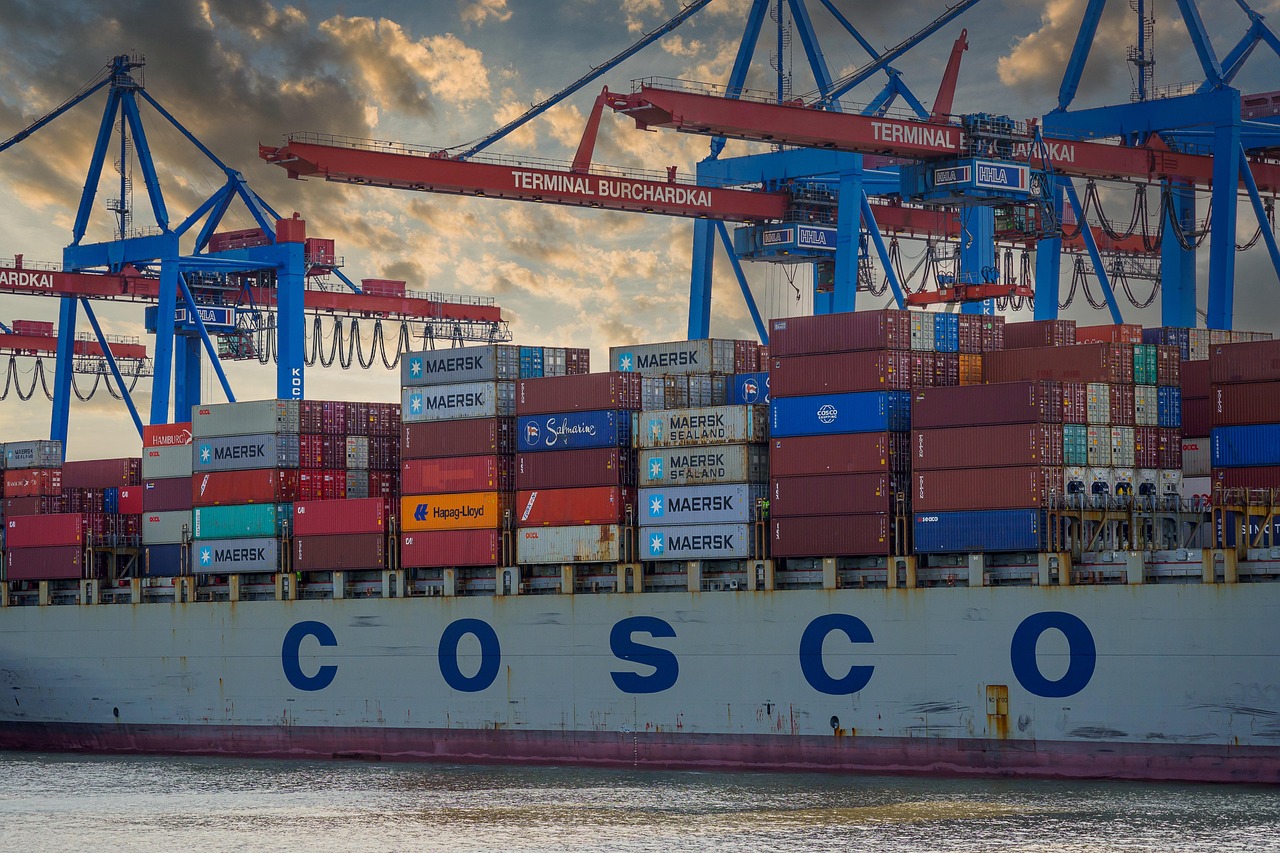
Supply chain risk management (SCRM) is the systematic process of identifying, assessing, and mitigating risks that could disrupt the flow of goods, services, and information from raw material suppliers to end customers. In the context of a Professional Certificate in Business Calculations in Supply Chain Management, understanding the precise vocabulary associated with SCRM is essential for accurate analysis, strategic decision‑making, and effective communication across functional teams. The following exposition details the most frequently encountered terms, provides illustrative examples, outlines practical applications, and highlights common challenges that practitioners may encounter.
Risk refers to the potential for an unwanted event to affect the achievement of objectives. In supply chain terms, risk is a function of probability and impact. Probability measures how likely an event is to occur, while impact evaluates the magnitude of its consequences on cost, service level, reputation, or regulatory compliance. For instance, a 10 % probability of a hurricane striking a key port combined with an estimated loss of $5 million in delayed shipments yields a risk score that must be evaluated against the organization’s risk appetite.
Risk appetite is the amount of risk an organization is willing to accept in pursuit of its strategic goals. It is often expressed qualitatively (e.G., “Low”, “moderate”, “high”) or quantitatively through thresholds such as maximum allowable loss per year. A company with a high risk appetite may invest less in redundancy, whereas a firm with a low appetite might prioritize multiple safety stocks and dual‑sourcing arrangements.
Risk tolerance is the specific level of variation around the risk appetite that the organization can endure. It defines the acceptable deviation from the target risk exposure. For example, if a firm’s risk appetite is a maximum annual loss of $2 million, its risk tolerance might allow a deviation of ± $200 000.
Risk assessment is the analytical process that quantifies or qualitatively evaluates risk exposure. It typically involves three steps: Risk identification, risk analysis, and risk evaluation.
Risk identification is the systematic discovery of potential threats. Tools such as brainstorming sessions, Delphi studies, and check‑lists are commonly employed. A typical list may include natural disasters, geopolitical events, cyber‑attacks, supplier bankruptcy, transportation delays, regulatory changes, and demand volatility.
Risk analysis transforms identified threats into measurable values. Techniques include qualitative rating scales (e.G., “High”, “medium”, “low”), probability‑impact matrices, and quantitative methods such as Monte Carlo simulation, sensitivity analysis, and value‑at‑risk (VaR). For instance, a Monte Carlo simulation might model the distribution of lead‑time variability for a critical component sourced from three different regions, producing a probability distribution of on‑time delivery performance.
Risk evaluation compares the analyzed risk against pre‑defined criteria (risk appetite, tolerance, regulatory limits) to determine whether the risk is acceptable or requires treatment.
Risk treatment (or mitigation) involves selecting and implementing actions to reduce risk to an acceptable level. The principal strategies are avoidance, reduction, transfer, and acceptance.
Avoidance eliminates the risk by removing the source. If a supplier operates in a high‑conflict zone, a firm may choose to discontinue the contract, thereby avoiding geopolitical risk.
Reduction (or mitigation) lessens probability or impact. Installing an advanced weather‑monitoring system for a coastal warehouse can reduce the probability of severe storm damage, while increasing safety stock can lessen the impact of a supply disruption.
Transfer shifts risk to another party, commonly through insurance, hedging, or contractual clauses. A force‑majeure clause in a contract can transfer liability for unforeseen events such as earthquakes to the supplier, while cargo insurance transfers financial loss from freight damage.
Acceptance acknowledges that a risk is either unavoidable or not cost‑effective to mitigate. Small, low‑impact risks may be accepted, with the organization monitoring them for any change in status.
Vulnerability describes the susceptibility of a supply chain component to a particular risk. A single‑sourced component with long lead time is highly vulnerable to supplier failure. Conversely, a component with multiple qualified suppliers and short lead time is less vulnerable.
Exposure quantifies the amount at stake if a risk materializes. It can be expressed in monetary terms, service‑level degradation, or brand reputation damage. Exposure is often calculated as the product of probability and impact.
Risk matrix (or heat map) is a visual tool that plots probability on one axis and impact on the other, allowing quick identification of high‑priority risks. Risks in the top‑right quadrant (high probability, high impact) demand immediate attention, while those in the bottom‑left quadrant may be monitored.
Key risk indicators (KRIs) are metrics that provide early warning of changing risk conditions. Examples include supplier on‑time delivery rate, number of customs holds, number of cyber‑security incidents, and inventory turnover ratio. KRIs must be linked to risk thresholds so that alerts trigger appropriate escalation procedures.
Risk register is a living document that records each identified risk, its description, probability, impact, mitigation actions, owners, status, and review dates. It serves as a central repository for risk information and supports governance processes.
Risk owner is the individual or team responsible for managing a specific risk. Ownership ensures accountability for monitoring, implementing mitigation actions, and reporting status. For example, the procurement manager may own the risk of supplier insolvency, while the IT security officer owns cyber‑risk.
Risk governance encompasses the structures, policies, and processes that guide risk management activities. It defines roles (e.G., Board, risk committee), decision‑making authority, reporting lines, and escalation protocols. Effective governance aligns risk treatment with corporate strategy and regulatory expectations.
Risk mapping visualizes the interconnections among risks, often using network diagrams. It reveals cascading effects, such as how a transportation strike can trigger inventory shortages, which in turn cause production stoppages and delayed order fulfillment.
Risk quantification translates risk into numeric terms, facilitating comparison across different risk types. Financial quantification may use expected monetary loss (EML), while non‑financial risks may be expressed using a scoring system or utility values.
Monte Carlo simulation is a stochastic technique that runs thousands of iterations using random variables for uncertain inputs (e.G., Demand, lead time, exchange rates). The output is a probability distribution of outcomes, enabling decision‑makers to assess the likelihood of meeting service‑level targets under different scenarios.
Sensitivity analysis examines how changes in a single input affect the output. If a model shows that a 10 % increase in lead‑time variance raises the probability of stockout by 15 %, the organization can prioritize actions that stabilize lead times.
Root cause analysis (RCA) investigates the underlying reasons for a risk event, rather than merely addressing symptoms. Techniques such as the “5 Whys” or fishbone diagrams help uncover systemic weaknesses. For example, a repeated stockout may be traced back to inaccurate demand forecasts, which themselves stem from outdated market data.
Supply chain visibility denotes the ability to track and monitor assets, inventory, and information across the entire network in real time. Enhanced visibility reduces uncertainty, improves risk detection, and supports proactive mitigation. Technologies such as RFID, IoT sensors, and cloud‑based platforms enable end‑to‑end visibility.
Supplier risk encompasses any threat arising from the supplier side, including financial instability, quality failures, capacity constraints, and geopolitical exposure. Supplier risk assessments often combine financial statement analysis, on‑site audits, and performance metrics.
Geopolitical risk refers to the potential for political events—such as trade wars, sanctions, or civil unrest—to disrupt supply chain operations. Companies may mitigate geopolitical risk by diversifying sourcing geography, establishing local subsidiaries, or using trade‑credit insurance.
Natural disaster risk includes hurricanes, earthquakes, floods, and other extreme events. Mitigation strategies involve strategic warehouse placement, redundant transportation routes, and emergency response plans.
Cyber risk is the threat of digital attacks that compromise data integrity, system availability, or confidentiality. In supply chains, cyber‑risk can manifest as ransomware on a logistics provider’s system, leading to shipment delays. Counterme‑measures include network segmentation, regular patching, and cyber‑insurance.
Compliance risk arises from failure to meet legal, regulatory, or contractual obligations. Examples include violations of import/export controls, food safety standards, or labor laws. Compliance programs, regular audits, and training are essential to manage this risk.
Regulatory risk is a subset of compliance risk that focuses on changes in legislation that could affect supply chain processes. For instance, new carbon‑emission reporting requirements may force a company to redesign its transportation network.
Financial risk covers currency fluctuations, interest‑rate changes, and credit exposure. Companies may hedge foreign‑exchange risk using forward contracts or options.
Demand risk reflects uncertainty in customer demand, which can lead to over‑stocking or stockouts. Forecasting techniques, demand‑sensing analytics, and flexible production capacity help mitigate demand risk.
Supply risk denotes uncertainty in the availability of inputs. Factors include supplier capacity, raw‑material scarcity, and lead‑time variability. Dual‑sourcing, safety stock, and strategic partnerships are common mitigation tools.
Operational risk includes internal process failures, such as equipment breakdowns, labor shortages, or quality lapses. Lean‑six‑sigma initiatives, preventive maintenance, and cross‑training can reduce operational risk.
Strategic risk stems from decisions that affect the long‑term positioning of the supply chain, such as entering a new market or adopting a new technology. Scenario planning and strategic risk registers assist leaders in evaluating these high‑level risks.
Tactical risk concerns medium‑term decisions like inventory policy, transportation mode selection, and sourcing contracts. Tactical risk analysis often uses inventory optimization models and transportation cost‑benefit analyses.
Risk monitoring is the ongoing observation of risk indicators, performance metrics, and external environment changes. Continuous monitoring enables timely detection of emerging threats and supports dynamic risk response.
Key performance indicator (KPI) is a metric that measures the efficiency or effectiveness of a process. While KPIs track performance, KRIs specifically track risk exposure. For example, “order fulfillment cycle time” is a KPI, whereas “percentage of orders delayed due to customs holds” is a KRI.
Redundancy creates extra capacity or duplicate assets to protect against failure. Redundant production lines, extra warehouse space, or backup suppliers are typical redundancy measures. However, redundancy increases cost, so a balance must be struck.
Flexibility is the ability to adapt quickly to changes without significant cost or delay. Flexible manufacturing systems, modular product designs, and adaptable contracts enable rapid response to demand spikes or supply interruptions.
Agility combines flexibility with speed, allowing a supply chain to reconfigure itself in response to unexpected events. An agile supply chain might reroute shipments in real time based on traffic data, or switch to a secondary supplier within hours.
Contingency planning develops predefined actions to be executed when a specific risk event occurs. A contingency plan for a port closure might include pre‑approved alternative ports, expedited customs clearance procedures, and temporary inventory buffers at inland distribution centers.
Scenario planning explores multiple plausible futures, often using narrative descriptions or quantitative models. By examining “best‑case”, “worst‑case”, and “most‑likely” scenarios, organizations can test the robustness of their strategies and identify hidden vulnerabilities.
Business continuity (BC) refers to the capability of an organization to continue essential functions during and after a disruption. A BC plan typically includes emergency response, communication protocols, and recovery strategies.
Disruption is any event that interrupts the normal flow of goods, information, or finances. Disruptions may be short‑lived (e.G., A traffic jam) or prolonged (e.G., A pandemic).
Resilience is the capacity of the supply chain to absorb shocks, recover quickly, and return to its original performance level. Resilience is built through a combination of redundancy, flexibility, visibility, and strong relationships with partners.
Recovery time objective (RTO) defines the maximum acceptable downtime for a critical process after a disruption. If the RTO for order processing is 12 hours, the company must have sufficient backup systems to resume operations within that window.
Recovery point objective (RPO) specifies the maximum tolerable data loss measured in time. An RPO of 4 hours for inventory data means that the organization must be able to restore data up to four hours prior to the incident.
Service level agreement (SLA) is a contractual commitment that defines the expected level of service between a provider and a customer. SLAs often contain penalty clauses for non‑performance, thereby transferring some risk to the service provider.
Contractual risk arises from poorly drafted contracts that fail to allocate responsibilities, penalties, or force‑majeure events appropriately. Effective contract management and legal review mitigate contractual risk.
Force majeure is a legal clause that frees parties from liability when extraordinary circumstances beyond their control prevent performance. Typical force‑majeure events include natural disasters, wars, and government actions. However, the clause must be clearly defined to avoid disputes.
Insurance is a common risk‑transfer mechanism. Types relevant to supply chains include cargo insurance, property insurance, business interruption insurance, and cyber‑insurance. Premiums are priced based on the organization’s risk profile, so proactive risk mitigation can reduce insurance costs.
Trade compliance involves adherence to import/export laws, customs regulations, and sanctions. Non‑compliance can result in fines, shipment delays, or loss of market access. Companies use automated classification tools, customs brokers, and compliance training to manage this risk.
Customs risk covers delays, penalties, or seizure of goods due to incorrect documentation, valuation errors, or tariff classification mistakes. A robust customs compliance program, including pre‑clearance audits, helps reduce customs risk.
Import/export risk includes currency exposure, political restrictions, and logistical bottlenecks associated with cross‑border movement of goods. Hedging, diversified sourcing, and strategic inventory placement mitigate import/export risk.
Transportation risk encompasses accidents, carrier insolvency, route disruptions, and fuel price volatility. Mitigation strategies include carrier vetting, contract clauses for performance, route diversification, and fuel‑price hedging.
Lead time is the total elapsed time from order placement to receipt of goods. Variability in lead time is a primary source of supply risk. Companies often calculate average lead time, standard deviation, and safety stock to buffer against variability.
Order cycle time measures the time taken from receipt of a customer order to order fulfillment. Shorter cycle times increase customer satisfaction but may increase exposure to supply risk if inventory levels are reduced.
Demand variability reflects fluctuations in customer demand over time. High demand variability can cause the “bullwhip effect”, where small changes at the consumer level amplify into large swings in upstream orders.
Bullwhip effect describes the phenomenon where order quantities become increasingly volatile as one moves up the supply chain, often due to forecasting errors, order batching, and lack of information sharing. Mitigation techniques include collaborative planning, forecasting, and replenishment (CPFR), and real‑time data exchange.
Forecast error quantifies the difference between predicted demand and actual demand. A mean absolute percentage error (MAPE) of 15 % may be acceptable for certain product categories, but high‑value, low‑volume items may require tighter accuracy.
Safety stock is extra inventory held to protect against demand or supply variability. The calculation typically incorporates lead‑time variance, service level target, and demand standard deviation. For example, a 99 % service level may require safety stock equal to 2.33 × Standard deviation of demand during lead time.
Buffer inventory is similar to safety stock but may be positioned at strategic locations (e.G., Regional distribution centers) to absorb shocks from regional disruptions.
Just‑in‑time (JIT) is a production philosophy that seeks to minimize inventory by delivering components exactly when needed. While JIT reduces holding costs, it increases exposure to supply risk, especially if upstream suppliers have long lead times or limited capacity.
Dual sourcing involves procuring a critical component from two independent suppliers. This strategy reduces supply risk by providing an alternative if one supplier fails. However, dual sourcing can increase procurement complexity and cost.
Single sourcing relies on one supplier for a component, often to achieve economies of scale or stronger partnership benefits. Single sourcing concentrates risk, making the organization vulnerable to supplier disruptions.
Multi‑sourcing expands the concept of dual sourcing by engaging three or more suppliers, further dispersing risk but also increasing coordination overhead.
Supply chain network describes the arrangement of nodes (suppliers, factories, warehouses, distribution centers) and arcs (transportation links). Network design decisions—such as the number and location of facilities—directly influence risk exposure.
Upstream refers to activities and partners that occur earlier in the supply chain, such as raw‑material extraction and component manufacturing. Risks upstream include resource scarcity, supplier insolvency, and geopolitical instability.
Downstream encompasses activities closer to the end customer, including distribution, retail, and after‑sales service. Downstream risks involve demand fluctuations, transportation disruptions, and regulatory changes affecting product delivery.
Third‑party logistics (3PL) providers handle transportation, warehousing, and distribution on behalf of the client. Engaging a 3PL introduces both risk (loss of control, reliance on external performance) and benefit (specialized expertise, economies of scale). Service‑level contracts and performance monitoring are essential to manage 3PL risk.
Logistics risk includes the uncertainty associated with moving goods, such as carrier reliability, port congestion, and customs clearance. Real‑time tracking and contingency routing mitigate logistics risk.
Capacity constraints arise when production or transportation resources cannot meet demand peaks. Capacity risk can be addressed by flexible labor arrangements, overtime, or temporary expansion of facilities.
Capacity risk is the likelihood that insufficient capacity will cause missed deliveries or elevated costs. Scenario analysis often evaluates capacity risk by modeling demand surges and assessing whether existing resources can absorb the spike.
Quality risk pertains to the possibility that products fail to meet specifications, leading to rework, returns, or brand damage. Quality risk can be mitigated through supplier quality audits, statistical process control, and robust inspection regimes.
Counterfeit risk involves the infiltration of fake or substandard components into the supply chain, a concern especially in electronics and pharmaceuticals. Counterfeit risk mitigation includes secure supply chains, authentication technologies, and supplier vetting.
Sustainability risk refers to environmental, social, and governance (ESG) factors that can affect supply chain continuity. Climate‑change‑induced water scarcity, labor‑rights violations, or regulatory pressure on carbon emissions constitute sustainability risk. Companies address this risk through supplier ESG assessments, carbon‑footprint tracking, and adopting circular‑economy principles.
Reputational risk is the potential damage to a company’s public image resulting from supply‑chain failures. High‑profile incidents—such as a factory fire causing worker injuries—can lead to consumer boycotts and loss of market share. Reputation management involves transparent communication, rapid response, and proactive CSR initiatives.
Crisis management is the coordinated effort to handle an unexpected, high‑impact event. A crisis‑management team typically includes senior leadership, communications, legal, and operations. The process follows a plan that outlines detection, escalation, response, and post‑incident review.
Incident response focuses on the immediate actions taken to contain and remediate a specific event, such as a cyber‑attack on a logistics provider’s IT system. An effective incident‑response plan defines roles, communication channels, and technical steps to restore service.
Recovery strategies are the set of actions designed to bring the supply chain back to normal performance after a disruption. Strategies may include re‑routing shipments, activating backup suppliers, or increasing production shifts.
Service level measures the degree to which a supply chain meets predetermined performance criteria, such as on‑time delivery percentage. Service‑level targets are often linked to customer contracts and can be used as KPIs.
Lead‑time variability measures the degree of fluctuation around the average lead time. High variability increases safety‑stock requirements and reduces predictability. Statistical measures such as coefficient of variation (CV) help quantify variability.
Order‑fulfillment rate is the proportion of orders completed within the agreed service window. A low fulfillment rate may indicate upstream supply risk, insufficient inventory, or downstream distribution bottlenecks.
Inventory turnover calculates how many times inventory is sold and replaced over a period. High turnover indicates efficient inventory use but may also imply lower safety stock and higher risk of stockouts.
Demand forecasting employs statistical methods (moving averages, exponential smoothing, ARIMA) and machine‑learning techniques (random forests, neural networks) to predict future demand. Accurate forecasting reduces demand risk and minimizes excess inventory.
Demand‑sensing uses real‑time data (point‑of‑sale information, social‑media trends) to adjust forecasts quickly, thereby improving responsiveness to demand volatility.
Supply‑chain mapping visualizes the flow of materials and information across the network, helping identify critical nodes and dependencies. Mapping tools often reveal hidden concentrations of risk, such as multiple products relying on a single bottleneck supplier.
Critical supplier is a vendor whose failure would cause significant disruption to operations. Criticality is assessed based on factors such as the uniqueness of the component, lack of substitutes, and volume of spend. Managing critical suppliers may involve strategic partnerships, joint risk assessments, and shared contingency plans.
Strategic partnership is a long‑term, collaborative relationship between a buyer and a supplier that goes beyond transactional interactions. Partnerships often include joint risk‑management activities, shared forecasts, and co‑development of contingency strategies.
Shared risk occurs when two parties agree to distribute the consequences of a potential event. For example, a buyer and supplier may agree to split the cost of expedited shipping if a delay exceeds a predefined threshold.
Collaborative planning, forecasting, and replenishment (CPFR) is a framework that encourages joint planning and data exchange between supply‑chain partners. CPFR reduces information asymmetry, aligns expectations, and can diminish both demand and supply risk.
Dynamic pricing adjusts prices in response to market conditions, such as raw‑material cost changes or capacity constraints. While dynamic pricing can improve profitability, it may also introduce demand risk if customers react negatively to price volatility.
Hedging is a financial strategy that uses derivative contracts (futures, options) to offset exposure to price fluctuations. Commodity‑price hedging protects against raw‑material cost spikes that could otherwise erode profit margins.
Trade‑off analysis evaluates the balance between cost, risk, and service. For instance, increasing safety stock improves service level but raises holding costs. Decision‑makers use trade‑off curves to identify the optimal point that aligns with corporate risk appetite.
Scenario‑based simulation combines deterministic models with stochastic inputs to explore outcomes under different risk conditions. A typical scenario simulation might assess the impact of a 30 % reduction in container capacity due to port strikes, measuring the resulting increase in lead time and cost.
Decision‑support system (DSS) integrates data, models, and user interfaces to assist managers in evaluating risk‑related decisions. A DSS might combine inventory optimization algorithms with real‑time KRIs to recommend safety‑stock adjustments.
Risk‑adjusted return on investment (RAROI) incorporates risk considerations into the evaluation of capital projects. By discounting expected cash flows for risk, RAROI helps ensure that investments do not expose the firm to unacceptable levels of supply‑chain risk.
Supply‑chain resilience index is a composite metric that aggregates various risk‑related indicators—such as redundancy, flexibility, visibility, and collaboration—into a single score. Companies can benchmark their resilience index against industry peers and track improvement over time.
Resilience‑building initiatives include measures such as establishing regional safety‑stock hubs, cross‑training employees, investing in digital twins of the supply chain, and developing rapid‑response teams.
Digital twin is a virtual replica of the physical supply‑chain network that can be used to test the impact of disruptions, evaluate mitigation strategies, and predict performance under different scenarios.
Supply‑chain digitalization involves the adoption of advanced technologies—IoT sensors, blockchain, AI analytics—to increase data fidelity and accelerate risk detection. For example, blockchain can provide immutable records of product provenance, reducing counterfeit risk.
Blockchain is a distributed ledger technology that enables secure, transparent sharing of transaction data among supply‑chain participants. By recording each handoff, blockchain enhances traceability and can support compliance verification.
Internet of Things (IoT) devices such as temperature sensors, vibration monitors, and GPS trackers generate real‑time data that improve visibility and early‑warning capabilities. An IoT‑enabled cold‑chain can instantly alert stakeholders to temperature excursions, allowing rapid corrective action.
Artificial intelligence (AI) algorithms can detect anomalous patterns in large data sets, predicting potential disruptions before they materialize. AI‑driven demand forecasting, for instance, can incorporate weather forecasts and social‑media sentiment to improve accuracy.
Machine learning models continuously improve as more data becomes available, refining risk predictions over time. A machine‑learning model might predict the likelihood of a supplier’s bankruptcy based on financial ratios, payment history, and macro‑economic indicators.
Data governance establishes policies for data quality, security, and accessibility. Effective data governance ensures that risk analysts work with reliable information and that privacy regulations are respected.
Regulatory compliance in the supply‑chain context includes adherence to customs regulations, trade embargoes, product safety standards, and environmental legislation. Non‑compliance can trigger fines, shipment holds, and reputational damage.
Environmental, social, and governance (ESG) considerations have become central to risk management. Investors increasingly assess ESG performance, and supply‑chain ESG failures—such as labor‑rights violations—can lead to divestment or loss of contracts.
Carbon‑footprint accounting quantifies the greenhouse‑gas emissions associated with transportation, production, and warehousing. Companies may set emissions‑reduction targets, thereby managing climate‑related risk and aligning with stakeholder expectations.
Supplier code of conduct outlines ethical, environmental, and safety expectations that suppliers must meet. Audits and self‑assessment questionnaires verify compliance, reducing ESG risk.
Audit trail is a chronological record of transactions and decisions, supporting traceability and accountability. In the event of a recall, an audit trail helps pinpoint the affected batch and the origin of the problem.
Recall management is the process for withdrawing defective or unsafe products from the market. Effective recall management minimizes reputational damage, legal exposure, and financial loss.
Business impact analysis (BIA) evaluates the consequences of a disruption on critical business functions. The BIA identifies recovery priorities, required resources, and acceptable downtime, forming the basis for BC and disaster‑recovery planning.
Disaster‑recovery plan (DRP) focuses on the restoration of IT systems, data, and communications after a catastrophic event. In supply‑chain contexts, a DRP may include backup data centers for logistics platforms and redundant communication channels.
Supply‑chain risk dashboard aggregates KRIs, performance metrics, and alerts into a visual interface for senior management. Dashboards enable rapid assessment of risk posture and support timely decision‑making.
Escalation protocol defines the steps and thresholds for moving a risk issue to higher authority levels. For example, a delay exceeding 48 hours may trigger an email alert to the supply‑chain director, followed by a conference call if the issue persists.
Risk‑based sourcing selects suppliers not only on cost but also on risk criteria such as financial stability, geopolitical exposure, and ESG performance. A risk‑based sourcing matrix assigns scores to each supplier, guiding strategic decisions.
Supply‑chain segmentation groups products or customers based on characteristics such as demand variability, profit margin, or service‑level requirements. Segmentation allows differentiated risk‑management approaches—high‑margin, high‑risk items may receive more redundancy than low‑margin, stable items.
Network optimization uses mathematical models to determine the optimal number, location, and capacity of facilities while considering risk constraints. Constraints might include maximum allowable lead‑time variance or minimum redundancy levels.
Transportation‑mode selection balances cost, speed, and risk. Air freight offers speed but higher cost and capacity risk; rail provides lower cost but may be vulnerable to weather‑related delays. Decision models evaluate trade‑offs based on service‑level targets.
Supplier performance scorecard tracks metrics such as on‑time delivery, quality defect rate, and compliance incidents. The scorecard can be linked to incentives or penalties, encouraging continuous improvement and risk reduction.
Supplier risk audit is a systematic examination of a supplier’s processes, financial health, and compliance status. Audits may be scheduled or triggered by a risk event, such as a sudden change in credit rating.
Supplier continuity plan outlines actions a supplier will take to maintain operations during disruptions. Buyers often require key suppliers to provide continuity plans as part of contractual agreements.
Supply‑chain finance (SCF) includes solutions such as reverse factoring, where a buyer’s strong credit rating is used to obtain favorable financing for suppliers. SCF can improve supplier cash flow, reducing financial‑risk pressure.
Dynamic inventory allocation reallocates stock across locations in response to real‑time demand and risk signals. For example, if a region experiences a forecasted surge due to a local event, inventory can be shifted to that region pre‑emptively.
Risk‑adjusted safety stock incorporates both demand variability and supply‑risk parameters (lead‑time variance, supplier reliability) into safety‑stock calculations. The formula often adds a risk factor to the standard deviation term.
Supply‑chain risk register is updated regularly, typically quarterly, to reflect new threats, changed probabilities, and the status of mitigation actions. A well‑maintained register supports auditability and continuous improvement.
Risk‑communication plan details how risk information is shared with internal stakeholders, external partners, regulators, and the public. Clear communication reduces uncertainty, aligns expectations, and supports coordinated response.
Stakeholder analysis identifies parties affected by supply‑chain risks and their interests. Stakeholders may include customers, shareholders, regulators, NGOs, and local communities. Understanding stakeholder concerns informs risk‑mitigation priorities.
Business interruption insurance compensates for lost revenue and extra expenses incurred during a supply‑chain disruption. Coverage terms must be carefully reviewed to ensure that exclusions (e.G., Pandemics) do not leave gaps.
Contingency inventory is pre‑positioned stock held for emergency use. Unlike regular safety stock, contingency inventory is often stored in a separate location and is only released when a predefined trigger occurs (e.G., A supplier outage).
Emergency logistics involves rapid mobilization of transport, warehousing, and distribution resources to address a disruption. Partnerships with third‑party logistics firms and pre‑negotiated contracts can accelerate emergency response.
Risk‑based pricing adjusts product prices to reflect the underlying risk exposure. For example, a manufacturer may charge a premium for products that source from high‑risk regions, passing part of the risk cost to customers.
Supply‑chain risk culture reflects the collective attitudes, values, and behaviors regarding risk awareness and proactive management. A strong risk culture encourages employees to report near‑misses, share information, and participate in mitigation initiatives.
Near‑miss reporting captures incidents that could have caused disruption but were averted. Analyzing near‑misses reveals hidden vulnerabilities and enables preventive actions before a full‑scale event occurs.
Risk‑learning loop integrates lessons learned from past events into future risk assessments. After a disruption, a post‑mortem analysis updates the risk register, refines KRIs, and adjusts mitigation plans.
Supply‑chain resilience maturity model assesses an organization’s capabilities across dimensions such as strategy, processes, technology, and people. Maturity levels range from “reactive” (basic response) to “anticipatory” (proactive, predictive risk management).
Scenario‑planning workshop brings together cross‑functional leaders to develop narrative storylines (e.G., “Severe drought in a key agricultural region”) and evaluate impacts on the supply chain. Workshops foster shared understanding and collaborative mitigation design.
Cross‑functional risk team includes members from procurement, logistics, finance, IT, legal, and operations. This team ensures that risk decisions consider all relevant perspectives and that mitigation actions are coordinated.
Risk‑adjusted performance metrics incorporate risk considerations into traditional KPIs. For example, a “risk‑adjusted on‑time delivery” metric may weight deliveries by the criticality of the product, emphasizing performance for high‑value items.
Supply‑chain risk modeling software provides tools for building quantitative risk models, running simulations, and visualizing outcomes. Examples include @RISK, Palisade’s DecisionTools Suite, and proprietary platforms that integrate with ERP systems.
Enterprise resource planning (ERP) systems store master data on inventory, orders, suppliers, and finance, serving as a foundation for risk analytics. Integration of ERP data with external risk feeds (e.G., Weather APIs) enhances risk awareness.
Advanced planning and scheduling (APS) systems generate production schedules that respect capacity, material availability, and delivery commitments. APS can embed risk constraints (e.G., Maximum allowed lead‑time variance) to produce more robust plans.
Key takeaways
- Supply chain risk management (SCRM) is the systematic process of identifying, assessing, and mitigating risks that could disrupt the flow of goods, services, and information from raw material suppliers to end customers.
- For instance, a 10 % probability of a hurricane striking a key port combined with an estimated loss of $5 million in delayed shipments yields a risk score that must be evaluated against the organization’s risk appetite.
- A company with a high risk appetite may invest less in redundancy, whereas a firm with a low appetite might prioritize multiple safety stocks and dual‑sourcing arrangements.
- For example, if a firm’s risk appetite is a maximum annual loss of $2 million, its risk tolerance might allow a deviation of ± $200 000.
- Risk assessment is the analytical process that quantifies or qualitatively evaluates risk exposure.
- A typical list may include natural disasters, geopolitical events, cyber‑attacks, supplier bankruptcy, transportation delays, regulatory changes, and demand volatility.
- For instance, a Monte Carlo simulation might model the distribution of lead‑time variability for a critical component sourced from three different regions, producing a probability distribution of on‑time delivery performance.