
Using 3D Scans in Conservation Projects
3D Scans: 3D scanning is a process that captures the shape of an object using a specialized device to create a digital representation in three dimensions. This technology is widely used in various industries, including conservation, to docu…
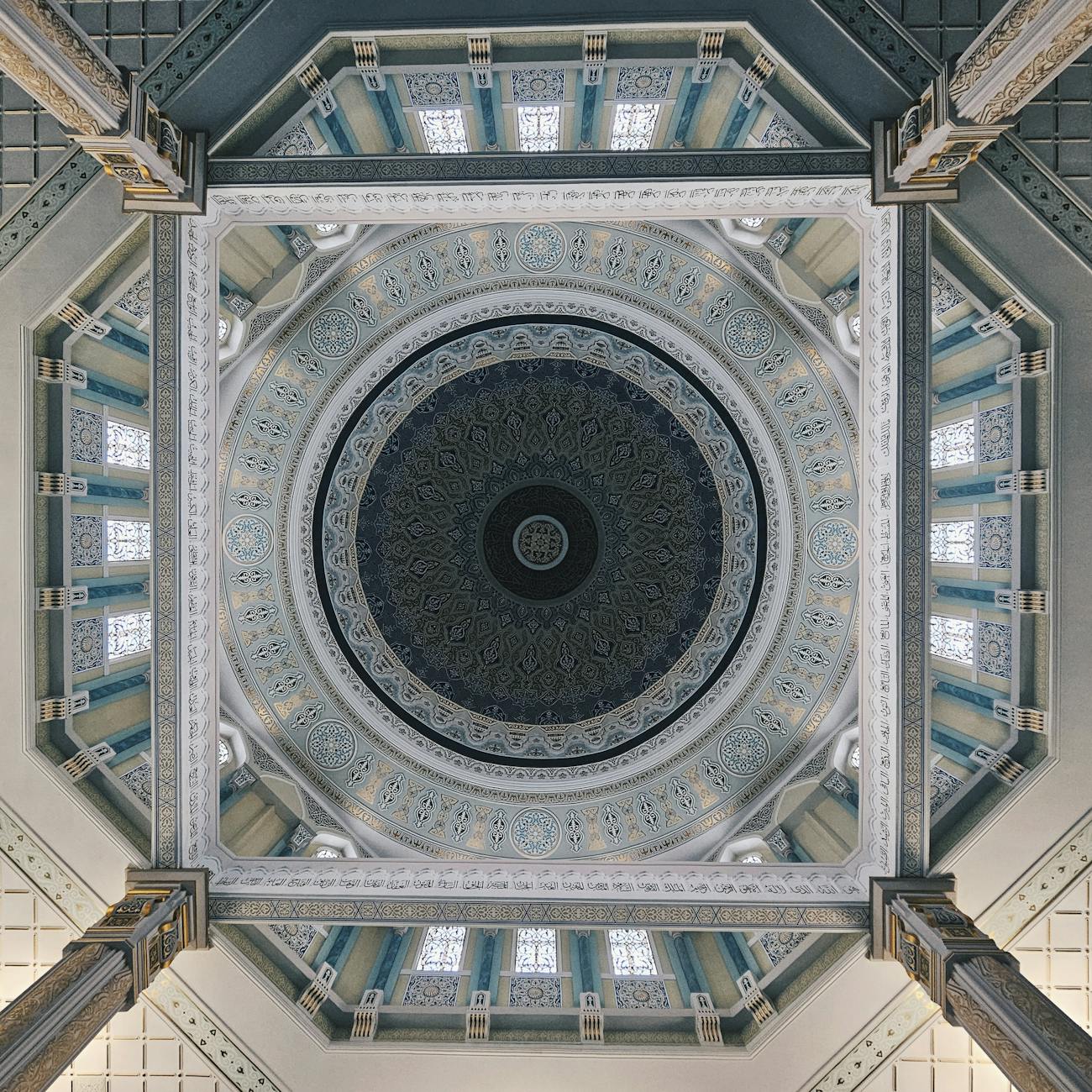
3D Scans: 3D scanning is a process that captures the shape of an object using a specialized device to create a digital representation in three dimensions. This technology is widely used in various industries, including conservation, to document and preserve objects of historical or cultural significance.
Conservation Projects: Conservation projects focus on preserving and protecting objects, artworks, buildings, or sites of cultural, historical, or artistic value. 3D scanning is increasingly being used in conservation projects to document and analyze artifacts for research, restoration, and archival purposes.
Masterclass Certificate: A masterclass certificate is a certification awarded upon completion of an advanced training program that signifies expertise and proficiency in a particular field or subject. The Masterclass Certificate in 3D Scanning for Conservation Purposes is designed to equip participants with the skills and knowledge needed to utilize 3D scanning technology effectively in conservation projects.
Key Terms and Vocabulary:
1. 3D Scanning Technologies: - Laser Scanning: Laser scanning uses a laser beam to measure the distance to an object's surface, capturing precise geometric data. It is commonly used for high-resolution scanning of objects with complex shapes. - Structured Light Scanning: Structured light scanning projects a pattern of light onto an object and analyzes its deformation to create a 3D model. It is suitable for capturing detailed surface textures. - Photogrammetry: Photogrammetry involves taking multiple photographs of an object from different angles and using software to create a 3D model based on the overlapping images. It is a cost-effective method for generating 3D scans.
2. Conservation Applications: 3D scanning is utilized in conservation projects for various purposes, including: - Documentation: Creating detailed digital replicas of artifacts, sculptures, or buildings for archival purposes. - Restoration: Assisting in the restoration process by providing accurate measurements and digital references for damaged or deteriorated objects. - Analysis: Conducting detailed analysis of objects to understand their construction, material composition, and condition over time. - Visualization: Creating virtual reconstructions of historical sites or artifacts to enhance public engagement and educational outreach.
3. Data Processing and Analysis: - Point Cloud: A point cloud is a collection of data points in a 3D coordinate system that represents the surface of an object. It is generated by 3D scanning and serves as the basis for creating a 3D model. - Mesh: A mesh is a 3D representation of an object's surface composed of interconnected triangles or polygons. It is created by connecting the points in a point cloud to form a solid model. - Texture Mapping: Texture mapping involves overlaying high-resolution images onto a 3D model to enhance its visual appearance and realism. - Geometric Analysis: Geometric analysis involves measuring dimensions, angles, and distances within a 3D model to assess its accuracy and integrity.
4. Best Practices in 3D Scanning: - Calibration: Calibration involves adjusting the settings of a 3D scanner to ensure accurate and consistent measurements. Regular calibration is essential to maintain the quality of scans. - Lighting: Proper lighting is crucial for achieving high-quality scans with accurate color and detail. Diffused and evenly distributed lighting helps minimize shadows and reflections. - Resolution: Adjusting the scanning resolution based on the level of detail required for the object being scanned. Higher resolution scans capture finer details but may require more processing power and storage.
5. Challenges and Limitations: - Reflective Surfaces: Reflective surfaces can cause issues during scanning by creating glare or distorted reflections that affect the accuracy of the scan. - Complex Geometry: Objects with intricate or complex shapes may be challenging to scan accurately, requiring multiple scan passes or specialized scanning techniques. - File Size and Storage: 3D scans generate large files that require significant storage space and processing power. Managing and storing these files effectively is crucial for conservation projects.
6. Case Studies: - Virtual Reconstruction of Archaeological Sites: 3D scanning technology has been used to create virtual reconstructions of ancient ruins and archaeological sites, allowing researchers to explore and study these sites in a digital environment. - Digitization of Museum Collections: Museums use 3D scanning to digitize their collections, enabling online access to artifacts and artworks for research, education, and public engagement. - Conservation of Cultural Heritage: 3D scanning is employed in the conservation of cultural heritage sites, sculptures, and artifacts to document, preserve, and restore these objects for future generations.
7. Ethical Considerations: - Intellectual Property: Respecting intellectual property rights when scanning and sharing 3D models of copyrighted or culturally sensitive objects. - Privacy: Ensuring the privacy and consent of individuals when capturing 3D scans in public spaces or cultural institutions. - Accessibility: Making 3D scans and digital reconstructions accessible to diverse audiences, including people with disabilities, through inclusive design and technology.
8. Future Trends: - Augmented Reality (AR) and Virtual Reality (VR): Integrating 3D scans into AR and VR applications for immersive experiences and interactive storytelling. - Artificial Intelligence (AI) and Machine Learning: Using AI algorithms to automate the processing and analysis of 3D scans for faster and more accurate results. - Collaborative Conservation Projects: Engaging interdisciplinary teams and stakeholders in collaborative conservation projects that leverage 3D scanning technology for research, preservation, and public engagement.
In conclusion, 3D scanning plays a vital role in conservation projects by providing detailed and accurate documentation of objects, enabling analysis, restoration, and visualization. The Masterclass Certificate in 3D Scanning for Conservation Purposes equips participants with the knowledge and skills to leverage 3D scanning technology effectively in the preservation of cultural heritage. By understanding key terms, best practices, challenges, and ethical considerations in 3D scanning, conservation professionals can enhance their conservation efforts and contribute to the safeguarding of our cultural heritage for future generations.
Key takeaways
- 3D Scans: 3D scanning is a process that captures the shape of an object using a specialized device to create a digital representation in three dimensions.
- Conservation Projects: Conservation projects focus on preserving and protecting objects, artworks, buildings, or sites of cultural, historical, or artistic value.
- The Masterclass Certificate in 3D Scanning for Conservation Purposes is designed to equip participants with the skills and knowledge needed to utilize 3D scanning technology effectively in conservation projects.
- - Photogrammetry: Photogrammetry involves taking multiple photographs of an object from different angles and using software to create a 3D model based on the overlapping images.
- Conservation Applications: 3D scanning is utilized in conservation projects for various purposes, including: - Documentation: Creating detailed digital replicas of artifacts, sculptures, or buildings for archival purposes.
- Data Processing and Analysis: - Point Cloud: A point cloud is a collection of data points in a 3D coordinate system that represents the surface of an object.
- Best Practices in 3D Scanning: - Calibration: Calibration involves adjusting the settings of a 3D scanner to ensure accurate and consistent measurements.