
Quality Control for 3D Scans
Quality Control for 3D Scans:
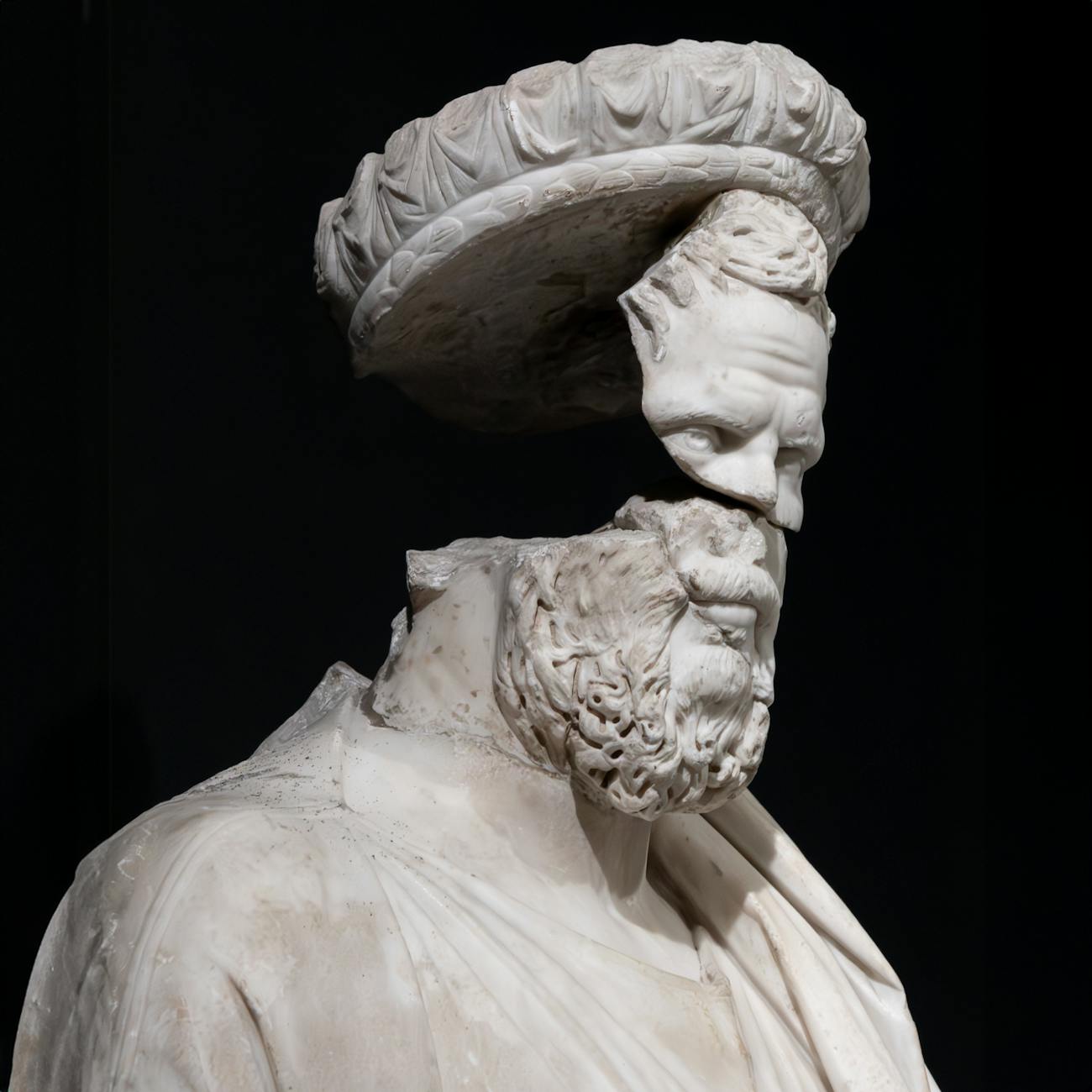
Quality Control for 3D Scans:
Quality control is a crucial aspect of 3D scanning for conservation purposes. It ensures that the 3D scans are accurate, reliable, and of high quality. In this masterclass certificate course, understanding key terms and vocabulary related to quality control for 3D scans is essential for successfully preserving cultural heritage through digital means.
Accuracy:
Accuracy refers to how close a measurement is to the true value. In the context of 3D scanning, accuracy is crucial for creating faithful digital representations of cultural artifacts or heritage sites. High accuracy ensures that the 3D scan is a true-to-life representation of the original object or location.
Example: When scanning a statue for conservation purposes, accurate 3D scans are essential to capture every detail and imperfection of the artwork.
Precision:
Precision refers to the consistency or repeatability of measurements. In 3D scanning, precision ensures that the same object scanned multiple times produces similar results. High precision is necessary for reliable and reproducible 3D scans.
Example: When scanning a building facade for conservation documentation, precision is crucial to ensure that all scans align perfectly for accurate reconstruction.
Resolution:
Resolution refers to the level of detail captured in a 3D scan. Higher resolution scans capture finer details, while lower resolution scans may miss subtle features. Choosing the appropriate resolution is important for balancing file size and detail level.
Example: When scanning a delicate archaeological artifact, high resolution is necessary to capture intricate patterns or inscriptions on the object.
Noise:
Noise in 3D scanning refers to unwanted artifacts or inaccuracies in the scan data. Noise can be caused by various factors such as equipment limitations, environmental conditions, or scanning errors. Minimizing noise is essential for producing clean and accurate 3D models.
Example: When scanning a large outdoor monument, noise from surrounding traffic or changing lighting conditions can affect the quality of the scan data.
Registration:
Registration is the process of aligning multiple scans or point clouds to create a cohesive 3D model. Proper registration ensures that individual scans fit together seamlessly, creating a complete and accurate representation of the scanned object or site.
Example: When scanning a complex architectural structure, registration is necessary to merge scans from different viewpoints into a unified 3D model.
Point Cloud:
A point cloud is a collection of 3D points in space that represent the surface of an object or environment. Point clouds are generated during the scanning process and serve as the basis for creating 3D models. Analyzing point clouds allows for detailed inspection and measurement of scanned objects.
Example: Point clouds generated from a 3D scan of a historical building can be used to assess structural integrity and monitor any changes over time.
Mesh:
A mesh is a 3D model created by connecting the points in a point cloud to form a continuous surface. Meshes are used for visualization, rendering, and analysis of scanned objects. The quality of the mesh is crucial for accurately representing the geometry and texture of the scanned object.
Example: A mesh generated from a 3D scan of a sculpture can be 3D printed to create a physical replica of the artwork.
Texture Mapping:
Texture mapping is the process of applying surface textures or colors to a 3D model. Textured 3D models provide a more realistic and visually appealing representation of scanned objects. Texture mapping is essential for preserving the visual appearance of cultural artifacts in digital form.
Example: Texture mapping can be used to recreate the original colors and patterns of a historic painting in a digital 3D model.
Scan Alignment:
Scan alignment is the process of aligning individual scans or point clouds to a common coordinate system. Proper scan alignment is essential for creating accurate and seamless 3D models of complex objects or environments. Alignment errors can lead to inaccuracies and distortions in the final model.
Example: Aligning multiple scans of a cave system allows for the creation of a complete 3D model that accurately represents the entire structure.
Surface Deviation:
Surface deviation refers to the difference between the scanned surface of an object and its true geometry. Analyzing surface deviation helps identify areas of inaccuracy or distortion in the 3D model. Minimizing surface deviation is essential for creating precise and faithful digital replicas of cultural heritage.
Example: Surface deviation analysis can reveal areas of wear or damage on a scanned artifact that may require conservation intervention.
Geometric Accuracy:
Geometric accuracy refers to how closely a 3D model matches the true dimensions and shape of the scanned object. High geometric accuracy is essential for conservation purposes, as it ensures that the digital representation accurately reflects the original artifact or site.
Example: Geometric accuracy is crucial when creating 3D models of architectural elements for restoration or preservation projects.
Color Accuracy:
Color accuracy refers to how faithfully the colors in a textured 3D model match the original object. Preserving color accuracy is important for documenting and conserving cultural artifacts, especially those with intricate or unique coloration.
Example: Color accuracy is essential when creating digital replicas of historical textiles or painted artworks to capture the original appearance of the objects.
Calibration:
Calibration is the process of adjusting and fine-tuning the settings of 3D scanning equipment to ensure accurate and reliable results. Proper calibration is crucial for maintaining the quality and consistency of 3D scans over time.
Example: Regular calibration of a laser scanner ensures that it remains accurate and reliable for capturing detailed 3D scans of artifacts or sites.
Artifact:
In 3D scanning, artifacts are unwanted distortions or anomalies in the scan data that can affect the quality of the 3D model. Artifacts can be caused by various factors such as scanning errors, environmental conditions, or equipment limitations. Identifying and removing artifacts is essential for producing clean and accurate 3D scans.
Example: Common artifacts in 3D scans include noise from reflective surfaces, missing data due to occlusions, or geometric distortions from scanning errors.
Post-Processing:
Post-processing is the final stage of 3D scanning where the raw scan data is cleaned, aligned, and refined to create a polished 3D model. Post-processing involves tasks such as mesh generation, texture mapping, and surface refinement to enhance the quality and accuracy of the 3D scan.
Example: Post-processing software tools can be used to remove noise, fill gaps, and smooth surfaces in a 3D model to create a visually appealing and accurate representation of the scanned object.
Challenges in Quality Control:
Quality control for 3D scans presents several challenges that conservation professionals must address to ensure accurate and reliable results. Some common challenges include:
- Environmental Factors: Changes in lighting, temperature, or humidity can affect scan quality and accuracy. - Complex Geometry: Scanning intricate or irregular shapes can be challenging and may result in gaps or inaccuracies in the final 3D model. - Data Processing: Managing and processing large volumes of scan data requires specialized software and expertise to ensure high-quality results. - Equipment Limitations: The capabilities and specifications of 3D scanning equipment can impact the quality and resolution of scans. - Scan Registration: Aligning multiple scans to create a cohesive 3D model can be time-consuming and require careful attention to detail to avoid alignment errors.
Example: When scanning a fragile archaeological artifact, challenges such as surface reflections, small details, and intricate geometry may affect the quality and accuracy of the 3D scan.
Conclusion:
Understanding key terms and vocabulary related to quality control for 3D scans is essential for conservation professionals working to preserve cultural heritage through digital means. By mastering concepts such as accuracy, precision, resolution, noise, and registration, conservationists can ensure the integrity and fidelity of digital replicas of artifacts and sites. Overcoming challenges in quality control through proper calibration, post-processing, and artifact removal is crucial for producing accurate and reliable 3D scans that contribute to the documentation and preservation of cultural heritage for future generations.
Key takeaways
- In this masterclass certificate course, understanding key terms and vocabulary related to quality control for 3D scans is essential for successfully preserving cultural heritage through digital means.
- In the context of 3D scanning, accuracy is crucial for creating faithful digital representations of cultural artifacts or heritage sites.
- Example: When scanning a statue for conservation purposes, accurate 3D scans are essential to capture every detail and imperfection of the artwork.
- In 3D scanning, precision ensures that the same object scanned multiple times produces similar results.
- Example: When scanning a building facade for conservation documentation, precision is crucial to ensure that all scans align perfectly for accurate reconstruction.
- Higher resolution scans capture finer details, while lower resolution scans may miss subtle features.
- Example: When scanning a delicate archaeological artifact, high resolution is necessary to capture intricate patterns or inscriptions on the object.