
Systems Engineering and Integration in Defense Technology
Systems Engineering and Integration in Defense Technology
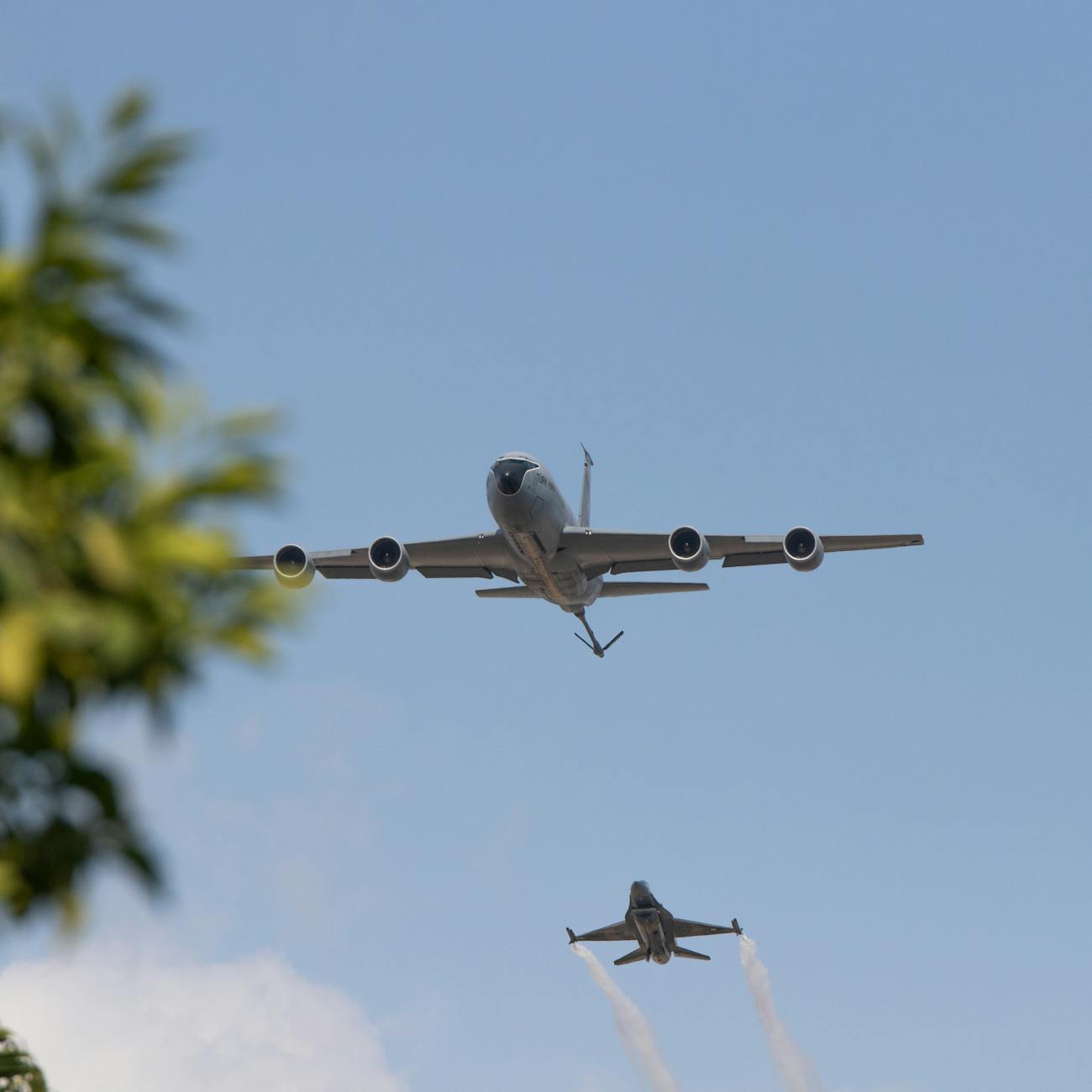
Systems Engineering and Integration in Defense Technology
Systems Engineering and Integration play a crucial role in the successful development and implementation of Defense Technology. Understanding key terms and vocabulary in this field is essential for professionals working in defense technology innovation. Let's delve into the intricate world of Systems Engineering and Integration in Defense Technology.
Systems Engineering
Systems Engineering is an interdisciplinary approach to designing, analyzing, and managing complex systems. It focuses on achieving successful systems by considering all aspects of a project, including requirements, design, development, testing, and operation. Systems Engineers work to ensure that all components of a system work together effectively to meet the desired objectives. Key terms in Systems Engineering include:
- System Requirements: These are the specifications that define what the system must do to meet the needs of the stakeholders. Requirements can be functional (what the system should do) or non-functional (constraints on how the system should operate). - System Architecture: This refers to the overall structure of the system, including its components, relationships, and interfaces. A well-defined architecture is crucial for ensuring that the system functions as intended. - System Design: The process of defining how the system will be implemented to meet the specified requirements. This includes selecting components, defining interfaces, and allocating functions to subsystems. - Verification and Validation: The processes of ensuring that a system meets its requirements and functions correctly. Verification confirms that the system is built right, while validation confirms that the right system is being built.
Integration
Integration involves combining different components or subsystems into a cohesive whole. In Defense Technology, integration is critical for ensuring that various systems work together seamlessly to achieve mission objectives. Key terms in Integration include:
- Interoperability: The ability of different systems to work together effectively. Interoperability is essential in defense technology to enable communication and coordination between diverse platforms and systems. - Interface Management: The process of defining and controlling the interfaces between different components or systems. Effective interface management is crucial for ensuring that systems can communicate and exchange data reliably. - Integration Testing: The process of testing how different components or systems work together. Integration testing is essential for identifying and resolving issues that arise when integrating complex systems.
Key Terms and Vocabulary
Let's explore some key terms and vocabulary that are essential for understanding Systems Engineering and Integration in Defense Technology:
- Modularity: The design principle of breaking a system into smaller, independent modules that can be developed and tested separately. Modularity simplifies system development and maintenance by allowing changes to be made to individual modules without affecting the entire system.
- Trade-off Analysis: The process of comparing different design options to determine the best solution based on a set of criteria. Trade-off analysis helps decision-makers understand the impact of various design choices on system performance, cost, and schedule.
- Life Cycle Cost: The total cost of owning and operating a system over its entire life cycle, including development, production, maintenance, and disposal. Life cycle cost analysis is important for making informed decisions about system investments.
- Risk Management: The process of identifying, assessing, and mitigating risks that could impact a system's success. Effective risk management involves identifying potential risks, assessing their likelihood and impact, and developing strategies to address or mitigate them.
- Modeling and Simulation: The use of mathematical models and computer simulations to predict how a system will behave under different conditions. Modeling and simulation are valuable tools for analyzing system performance, identifying potential issues, and optimizing system design.
- Configuration Management: The process of managing changes to a system's design, components, and documentation. Configuration management ensures that a system's configuration is well-documented, controlled, and traceable throughout its life cycle.
- Systems Thinking: An approach to problem-solving that considers the interactions and relationships between different components of a system. Systems thinking helps engineers understand the complex interdependencies within a system and identify effective solutions.
- Agile Development: An iterative approach to software development that emphasizes flexibility, collaboration, and rapid feedback. Agile development is well-suited to complex defense technology projects that require frequent adjustments and adaptations.
- Human Systems Integration: The process of designing systems that consider human capabilities, limitations, and preferences. Human systems integration aims to optimize system performance by aligning design with human factors and ergonomics principles.
- System of Systems: A collection of independent systems that work together to achieve a common goal. System of systems engineering focuses on understanding the interactions and dependencies between individual systems to optimize overall system performance.
- Requirements Traceability: The ability to trace system requirements from their origin through development, testing, and deployment. Requirements traceability ensures that system requirements are correctly implemented and verified throughout the system life cycle.
Practical Applications
Systems Engineering and Integration are integral to the development and operation of defense technology systems. Let's explore some practical applications of these concepts in the defense industry:
- Combat Systems Integration: Integrating sensors, weapons, and command and control systems on a military platform to enhance situational awareness and combat effectiveness.
- Network-Centric Warfare: Developing a networked system of systems that enables real-time information sharing and collaborative decision-making among military forces.
- Cybersecurity Integration: Integrating cybersecurity measures into defense technology systems to protect against cyber threats and ensure system resilience.
- Logistics Systems Engineering: Designing and integrating supply chain and maintenance systems to support the sustainment of military equipment and operations.
- Unmanned Systems Integration: Integrating unmanned aerial vehicles, ground vehicles, and maritime systems into military operations to enhance capabilities and reduce risk to personnel.
- Command, Control, Communications, Computers, Intelligence, Surveillance, and Reconnaissance (C4ISR) Systems: Integrating these critical systems to enable seamless communication, information sharing, and decision-making in military operations.
Challenges
While Systems Engineering and Integration offer numerous benefits in defense technology, they also present challenges that must be addressed:
- Complexity: Defense systems are often highly complex, involving numerous components, interfaces, and interactions. Managing this complexity requires advanced systems engineering techniques and tools.
- Interoperability: Ensuring that diverse systems can communicate and work together effectively is a significant challenge in defense technology. Interoperability standards and protocols are essential for achieving seamless integration.
- Cost and Schedule Constraints: Defense projects are typically subject to tight budgets and schedules, making it challenging to balance performance requirements with cost and schedule constraints.
- Emerging Technologies: Rapid advancements in technology, such as artificial intelligence, autonomy, and cyber capabilities, present both opportunities and challenges for defense systems integration.
- Security and Resilience: Defense systems must be designed with robust security measures to protect against cyber threats and ensure operational resilience in hostile environments.
In conclusion, Systems Engineering and Integration are critical disciplines in defense technology innovation. By understanding key terms, concepts, and challenges in this field, professionals can effectively design, develop, and integrate complex defense systems to meet the evolving needs of modern warfare.
Key takeaways
- Systems Engineering and Integration play a crucial role in the successful development and implementation of Defense Technology.
- It focuses on achieving successful systems by considering all aspects of a project, including requirements, design, development, testing, and operation.
- - System Architecture: This refers to the overall structure of the system, including its components, relationships, and interfaces.
- In Defense Technology, integration is critical for ensuring that various systems work together seamlessly to achieve mission objectives.
- Interoperability is essential in defense technology to enable communication and coordination between diverse platforms and systems.
- Modularity simplifies system development and maintenance by allowing changes to be made to individual modules without affecting the entire system.
- - Trade-off Analysis: The process of comparing different design options to determine the best solution based on a set of criteria.