
Emerging Technologies in National Defense
Emerging Technologies in National Defense:
Emerging Technologies in National Defense:
Emerging Technologies in National Defense refers to the innovative tools, systems, and processes that are being developed and deployed by defense organizations to enhance their capabilities in safeguarding national security. These technologies are often cutting-edge and represent the forefront of scientific and technological advancement in the defense sector. They play a crucial role in shaping the future of defense operations and strategies.
National Defense is the protection of a country's territory, people, and interests against external threats. It involves a range of activities, including military operations, intelligence gathering, and disaster response. National defense is a core function of government and is essential for maintaining sovereignty and security.
Technology Innovation is the process of creating new or significantly improved products, processes, or services through the application of scientific and technological knowledge. It involves the development, adoption, and diffusion of new technologies to drive economic growth and societal progress. In the defense sector, technology innovation is critical for maintaining military superiority and staying ahead of potential adversaries.
Executive Certificate is a credential awarded to individuals who have completed a specific program of study in a particular subject area. An executive certificate is designed for professionals who are seeking to enhance their knowledge and skills in a specific field. It is often focused on practical applications and real-world challenges.
Defense Technology refers to the tools, systems, and processes that are used by defense organizations to protect national security. This includes a wide range of technologies, such as weapons systems, surveillance equipment, communication devices, and cybersecurity solutions. Defense technology is constantly evolving to meet the changing needs and threats faced by defense organizations.
Innovation is the process of introducing new ideas, products, or processes that bring about positive change. It involves creativity, experimentation, and risk-taking to develop novel solutions to existing problems. Innovation is essential for driving progress and staying competitive in today's fast-paced world.
Key Terms and Vocabulary:
Artificial Intelligence (AI): AI refers to the simulation of human intelligence in machines that are programmed to think and act like humans. AI technologies are used in defense for tasks such as autonomous vehicles, predictive analytics, and decision-making support.
Cybersecurity: Cybersecurity is the practice of protecting computer systems, networks, and data from cyber threats. It involves measures such as encryption, firewalls, and intrusion detection systems to safeguard information and prevent unauthorized access.
Biotechnology: Biotechnology is the use of biological systems, organisms, or derivatives to develop products or processes for specific applications. In defense, biotechnology can be used for medical treatments, biofuels, and environmental monitoring.
Robotics: Robotics involves the design, construction, and operation of robots to perform tasks autonomously or with human supervision. In defense, robotics can be used for bomb disposal, surveillance, and reconnaissance missions.
Quantum Computing: Quantum computing is a type of computing that uses quantum-mechanical phenomena, such as superposition and entanglement, to perform operations on data. Quantum computing has the potential to revolutionize encryption, simulation, and optimization in defense applications.
Augmented Reality (AR): AR is a technology that overlays digital information on the physical world to enhance the user's perception of reality. In defense, AR can be used for training simulations, maintenance procedures, and situational awareness.
Nanotechnology: Nanotechnology involves the manipulation of matter at the nanoscale to create new materials and devices with unique properties. In defense, nanotechnology can be used for lightweight armor, advanced sensors, and energy storage.
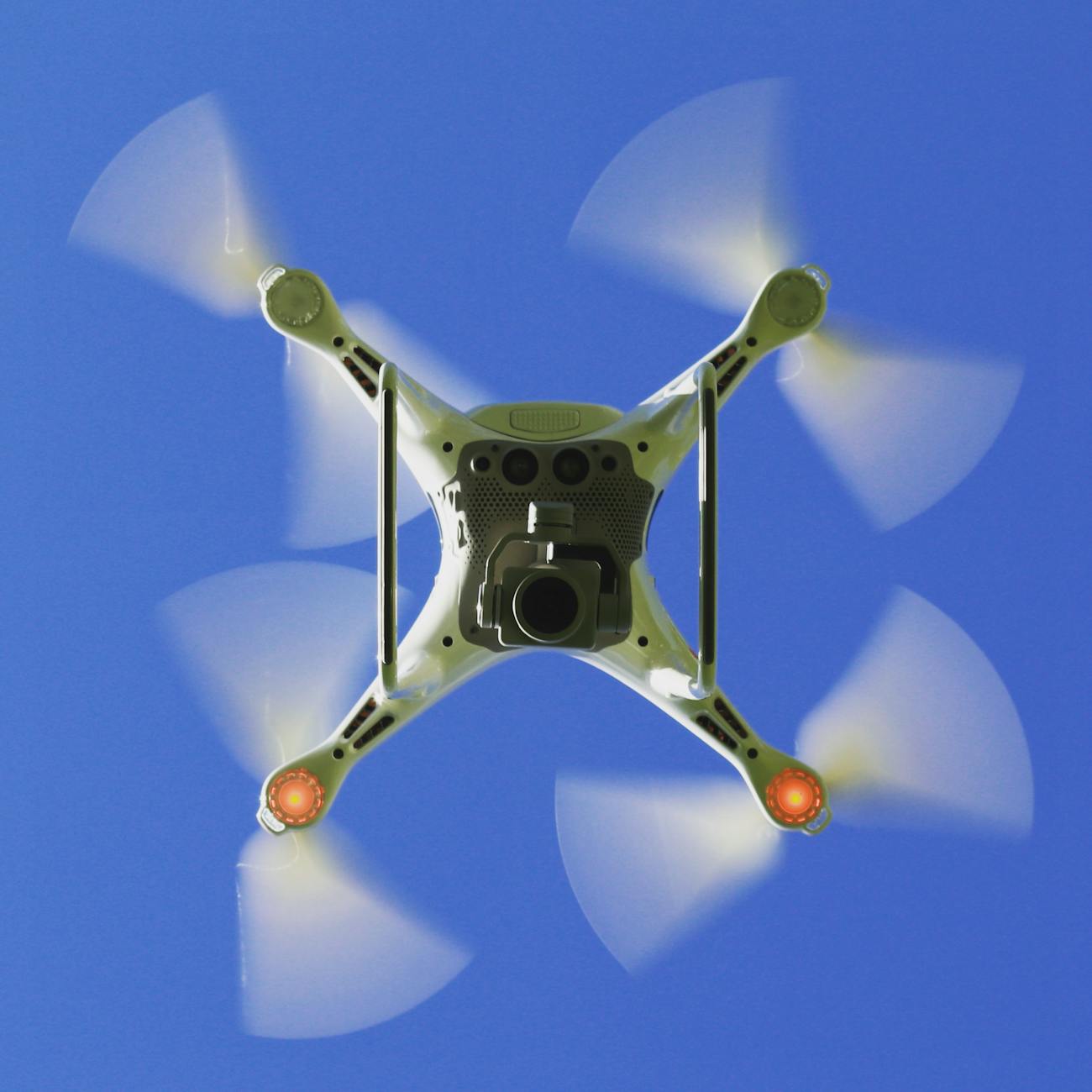
Unmanned Aerial Vehicles (UAVs): UAVs, also known as drones, are aircraft that are operated without a human pilot on board. UAVs are used in defense for surveillance, reconnaissance, and combat missions in hostile environments.
Blockchain: Blockchain is a decentralized, secure, and transparent digital ledger that records transactions across a network of computers. In defense, blockchain can be used for secure communication, supply chain management, and identity verification.
Directed Energy Weapons (DEWs): DEWs are weapons systems that emit highly focused energy to disable or destroy targets. DEWs can include lasers, microwaves, and particle beams and are used in defense for missile defense, counter-drone operations, and ship protection.
Challenges and Considerations:
The adoption of emerging technologies in national defense presents various challenges and considerations that must be carefully addressed to ensure their effective and ethical use. Some of the key challenges include:
- Ethical Issues: Emerging technologies raise ethical concerns related to privacy, autonomy, and accountability. Defense organizations must navigate these ethical dilemmas to ensure that their use of technology aligns with societal values and norms.
- Regulatory Compliance: Defense organizations must comply with regulations and standards governing the use of emerging technologies to ensure their legal and ethical use. This includes export controls, data protection laws, and international agreements.
- Interoperability: Emerging technologies must be interoperable with existing systems and platforms to ensure seamless integration and operation. Defense organizations must consider interoperability requirements when developing and deploying new technologies.
- Cybersecurity Risks: Emerging technologies introduce new vulnerabilities and attack surfaces that can be exploited by malicious actors. Defense organizations must prioritize cybersecurity measures to protect their systems and data from cyber threats.
- Resource Constraints: The development and deployment of emerging technologies require significant resources, including funding, expertise, and infrastructure. Defense organizations must carefully manage their resources to ensure the successful implementation of new technologies.
- Human Factors: The human factor plays a critical role in the adoption and use of emerging technologies in defense. Training, education, and change management are essential to ensure that personnel can effectively utilize new technologies in their operations.
Overall, the successful integration of emerging technologies in national defense requires a holistic approach that considers technical, ethical, regulatory, and human factors. By addressing these challenges and considerations, defense organizations can harness the full potential of emerging technologies to enhance their capabilities and safeguard national security.
Key takeaways
- Emerging Technologies in National Defense refers to the innovative tools, systems, and processes that are being developed and deployed by defense organizations to enhance their capabilities in safeguarding national security.
- National Defense is the protection of a country's territory, people, and interests against external threats.
- Technology Innovation is the process of creating new or significantly improved products, processes, or services through the application of scientific and technological knowledge.
- Executive Certificate is a credential awarded to individuals who have completed a specific program of study in a particular subject area.
- This includes a wide range of technologies, such as weapons systems, surveillance equipment, communication devices, and cybersecurity solutions.
- Innovation is the process of introducing new ideas, products, or processes that bring about positive change.
- Artificial Intelligence (AI): AI refers to the simulation of human intelligence in machines that are programmed to think and act like humans.