
Heat Transfer and Fluid Flow
Heat Transfer Heat transfer is the process of energy in the form of heat moving from one body or substance to another due to a temperature difference between them. It can occur through three main mechanisms: conduction, convection, and radi…
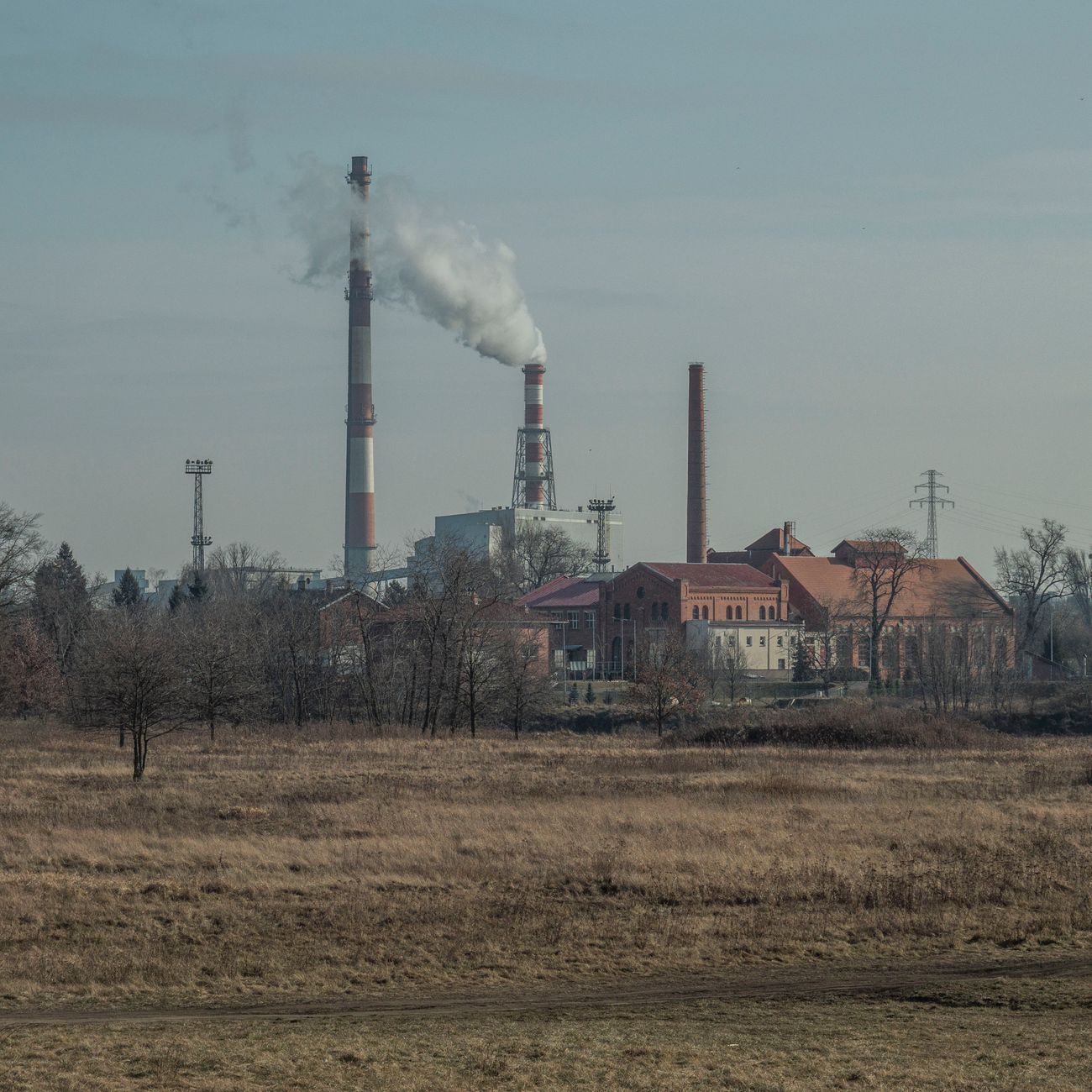
Heat Transfer Heat transfer is the process of energy in the form of heat moving from one body or substance to another due to a temperature difference between them. It can occur through three main mechanisms: conduction, convection, and radiation.
Conduction Conduction is the transfer of heat through a material without any movement of the material itself. It occurs due to the vibration of atoms and molecules in a material, transferring energy from one particle to another. The rate of heat conduction is dependent on the thermal conductivity of the material, the temperature gradient, and the distance over which the heat is being transferred.
An example of conduction is when you touch a metal spoon that has been sitting in a hot cup of tea. The heat from the tea is conducted through the metal spoon to your hand, causing it to feel hot.
Convection Convection is the transfer of heat through the movement of fluids (liquids or gases). This movement can be natural, driven by density differences due to temperature variations, or forced, such as in a fan or pump. Convection is more efficient than conduction for transferring heat over long distances.
An example of convection is the heating of a room using a radiator. The hot water in the radiator heats the surrounding air, causing it to rise and create a convection current that circulates heat throughout the room.
Radiation Radiation is the transfer of heat in the form of electromagnetic waves, such as infrared radiation. Unlike conduction and convection, radiation does not require a medium to transfer heat and can occur through a vacuum. All objects with a temperature above absolute zero emit radiation, with the amount of radiation emitted depending on the temperature and surface properties of the object.
An example of radiation is the heat we feel from the sun. The sun emits electromagnetic radiation that travels through space and heats the Earth and its atmosphere.
Heat Exchangers Heat exchangers are devices designed to transfer heat between two or more fluids that are at different temperatures. They are commonly used in chemical plants to recover waste heat, preheat fluids, or cool process streams. Heat exchangers come in various types, such as shell and tube, plate, and finned tube, each with its own advantages and limitations.
Shell and Tube Heat Exchanger A shell and tube heat exchanger consists of a shell (outer vessel) with multiple tubes inside. One fluid flows through the tubes, while the other fluid flows around the outside of the tubes in the shell. Heat is transferred between the two fluids through the tube walls. Shell and tube heat exchangers are versatile and can handle high pressures and temperatures, making them suitable for a wide range of applications.
Plate Heat Exchanger A plate heat exchanger consists of multiple thin plates arranged in a stack with alternating hot and cold fluid channels. Heat is transferred between the plates as the hot and cold fluids flow past each other. Plate heat exchangers are compact, efficient, and ideal for applications requiring high heat transfer rates in a small footprint.
Finned Tube Heat Exchanger A finned tube heat exchanger consists of tubes with extended surfaces (fins) attached to increase the heat transfer area. The fins increase the heat transfer coefficient and improve the efficiency of the heat exchanger. Finned tube heat exchangers are commonly used in air-cooled or gas-cooled applications where compactness and high heat transfer rates are required.
Fluid Flow Fluid flow is the movement of liquids or gases through a system or device. Understanding fluid flow is essential in chemical plant design to optimize processes, control pressure and temperature, and ensure efficient operation.
Fluid Properties Fluid properties such as density, viscosity, and specific heat play a crucial role in determining how fluids flow and interact with their surroundings. Understanding these properties is essential for designing and operating chemical processes effectively.
Reynolds Number The Reynolds number is a dimensionless parameter used to predict the flow regime of a fluid. It is defined as the ratio of inertial forces to viscous forces in the fluid. A low Reynolds number indicates laminar flow, while a high Reynolds number indicates turbulent flow. The Reynolds number helps engineers determine the type of flow regime and select appropriate equipment for a given application.
Laminar Flow Laminar flow is a smooth, orderly flow pattern characterized by fluid particles moving in parallel layers with minimal mixing. Laminar flow occurs at low Reynolds numbers and is common in small pipes, viscous fluids, and low flow velocities. It is predictable and easy to analyze but may not be suitable for all applications due to its limited heat transfer capabilities.
Turbulent Flow Turbulent flow is a chaotic, swirling flow pattern characterized by high velocity gradients and mixing of fluid particles. Turbulent flow occurs at high Reynolds numbers and is common in large pipes, high flow velocities, and low-viscosity fluids. Turbulent flow enhances heat transfer and mixing but can also generate higher pressure drops and require more energy to maintain.
Pressure Drop Pressure drop is the decrease in pressure that occurs as a fluid flows through a pipe, valve, or other equipment. Pressure drop is caused by frictional losses, changes in velocity, and fluid properties. Understanding pressure drop is essential for sizing equipment, determining pump requirements, and ensuring proper operation of a system.
Fluid Dynamics Fluid dynamics is the study of how fluids flow and interact with their surroundings. It involves analyzing the motion, pressure, temperature, and density of fluids to predict behavior and optimize processes. Fluid dynamics principles are applied in chemical plant design to ensure efficient operation and safety.
Flow Regimes Flow regimes refer to the different patterns of fluid flow that can occur in a system. Common flow regimes include laminar, turbulent, transitional, and multiphase flow. Understanding flow regimes is essential for selecting appropriate equipment, predicting heat transfer rates, and ensuring system performance.
Heat Exchanger Design Heat exchanger design involves selecting the appropriate type, size, and configuration of a heat exchanger to meet the heat transfer requirements of a specific process. Factors such as fluid properties, flow rates, temperature differences, and pressure drops must be considered to design an efficient and cost-effective heat exchanger.
Thermal Conductivity Thermal conductivity is a material property that describes the ability of a material to conduct heat. Materials with high thermal conductivity transfer heat efficiently, while materials with low thermal conductivity act as insulators. Understanding thermal conductivity is essential for selecting materials for heat exchangers, pipes, and insulation.
Heat Transfer Coefficient The heat transfer coefficient is a measure of the rate at which heat is transferred between two fluids in a heat exchanger. It depends on factors such as fluid properties, flow rates, temperature differences, and heat exchanger design. A higher heat transfer coefficient indicates more efficient heat transfer, while a lower heat transfer coefficient requires larger surface areas for heat exchange.
Heat Transfer Area The heat transfer area is the surface area through which heat is transferred between two fluids in a heat exchanger. Increasing the heat transfer area improves heat transfer rates but also increases the size and cost of the heat exchanger. Balancing heat transfer area with cost and space constraints is essential for designing an effective heat exchanger.
Heat Exchanger Fouling Heat exchanger fouling refers to the accumulation of deposits on heat transfer surfaces, reducing heat transfer efficiency. Fouling can be caused by corrosion, scaling, sedimentation, or biological growth. Preventing and managing fouling is essential for maintaining heat exchanger performance and prolonging equipment life.
Fluid Flow Measurement Fluid flow measurement is the process of quantifying the flow rate, velocity, or volume of a fluid in a system. Accurate flow measurement is essential for process control, monitoring, and optimization. Common flow measurement techniques include orifice plates, flow meters, and ultrasonic sensors.
Fluid Flow Control Fluid flow control involves regulating the flow rate, pressure, or temperature of a fluid in a system. Control valves, pumps, and flow meters are used to adjust flow parameters to meet process requirements. Effective flow control is essential for maintaining system stability, efficiency, and safety.
Challenges in Heat Transfer and Fluid Flow Designing and optimizing heat transfer and fluid flow processes in chemical plants pose several challenges, including:
- High temperatures and pressures: Operating under extreme conditions requires robust equipment and materials to ensure safety and efficiency. - Fouling and corrosion: Preventing fouling and corrosion of heat exchangers and pipelines is essential to maintain performance and prolong equipment life. - Energy efficiency: Improving heat transfer rates and reducing pressure drops can enhance energy efficiency and lower operating costs. - Fluid properties: Understanding and predicting the behavior of fluids with varying properties is crucial for designing effective heat exchangers and pipelines. - Flow control: Maintaining precise control over fluid flow rates, pressures, and temperatures is essential for optimizing processes and ensuring product quality.
In conclusion, heat transfer and fluid flow are fundamental concepts in chemical plant design, essential for optimizing processes, controlling temperatures, and ensuring efficient operation. Understanding the mechanisms of heat transfer, different types of heat exchangers, fluid properties, flow regimes, and challenges in heat transfer and fluid flow is crucial for designing safe, cost-effective, and sustainable chemical processes.
Key takeaways
- Heat Transfer Heat transfer is the process of energy in the form of heat moving from one body or substance to another due to a temperature difference between them.
- The rate of heat conduction is dependent on the thermal conductivity of the material, the temperature gradient, and the distance over which the heat is being transferred.
- An example of conduction is when you touch a metal spoon that has been sitting in a hot cup of tea.
- This movement can be natural, driven by density differences due to temperature variations, or forced, such as in a fan or pump.
- The hot water in the radiator heats the surrounding air, causing it to rise and create a convection current that circulates heat throughout the room.
- All objects with a temperature above absolute zero emit radiation, with the amount of radiation emitted depending on the temperature and surface properties of the object.
- The sun emits electromagnetic radiation that travels through space and heats the Earth and its atmosphere.