
Chemical Reaction Engineering
Chemical Reaction Engineering is a crucial discipline within the field of chemical engineering that deals with the design and optimization of chemical reactors to produce desired products efficiently and economically. In this course on Post…
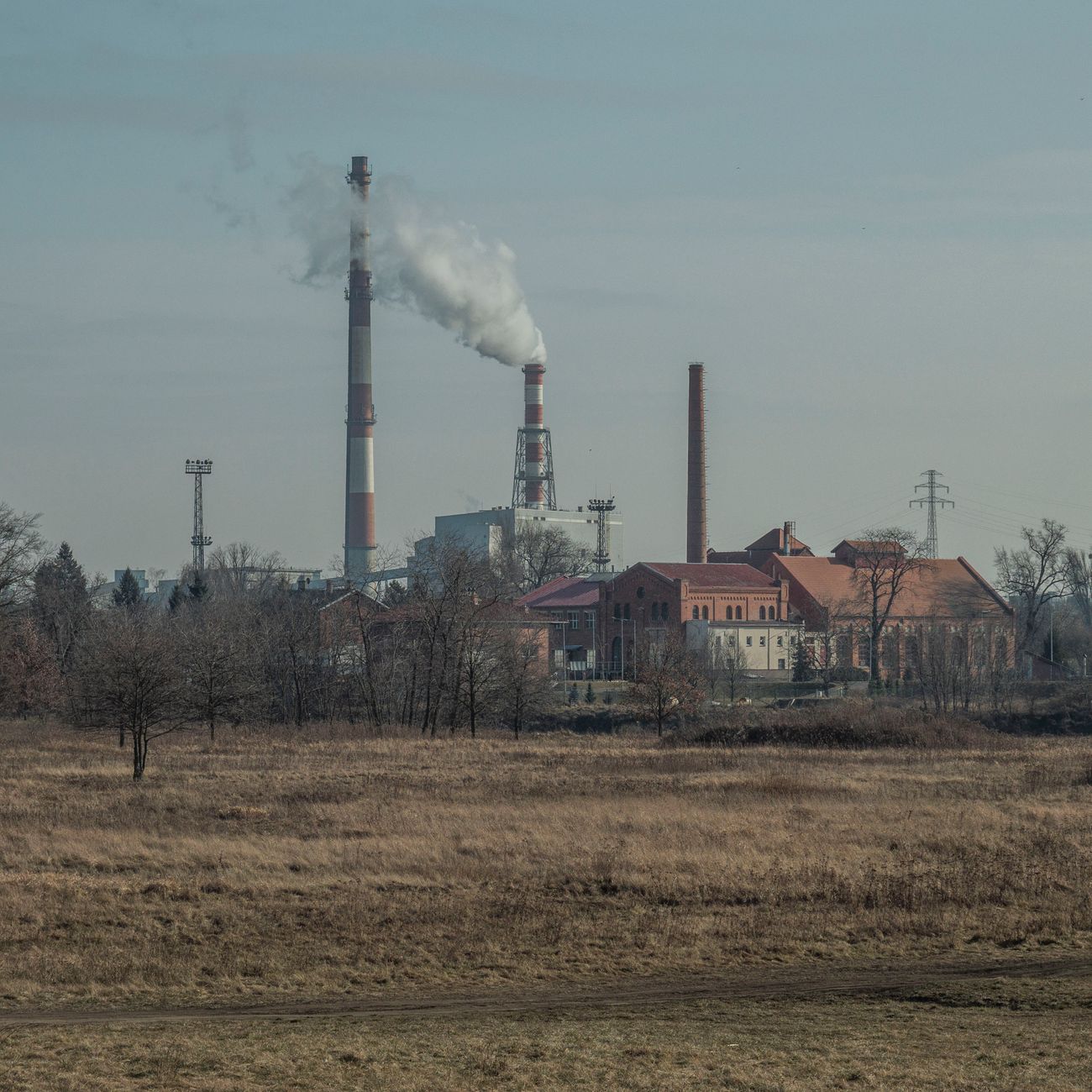
Chemical Reaction Engineering is a crucial discipline within the field of chemical engineering that deals with the design and optimization of chemical reactors to produce desired products efficiently and economically. In this course on Postgraduate Certificate in Chemical Plant Design, students will delve into the fundamental concepts, principles, and techniques involved in chemical reaction engineering to equip themselves with the necessary skills to excel in the industry.
Let's explore some key terms and vocabulary that you will encounter throughout this course:
1. **Chemical Reaction**: A process in which one or more substances (reactants) are converted into different substances (products) by breaking existing bonds and forming new ones. Chemical reactions can be classified into various types such as combustion, synthesis, decomposition, and oxidation-reduction reactions.
2. **Stoichiometry**: The quantitative relationship between reactants and products in a chemical reaction based on the principle of conservation of mass. Stoichiometric calculations are essential to determine the amount of reactants required, the amount of products formed, and the reaction efficiency.
3. **Rate of Reaction**: The speed at which reactants are consumed or products are formed during a chemical reaction. It is expressed as the change in concentration of a reactant or product per unit time and plays a crucial role in determining the overall reactor performance.
4. **Reaction Kinetics**: The study of the mechanisms and factors that influence the rate of chemical reactions. Kinetic models describe how reactants interact to form products and allow engineers to predict reaction rates under different conditions.
5. **Reaction Mechanism**: The step-by-step sequence of elementary reactions that occur during a complex chemical reaction. Understanding the reaction mechanism is essential for designing optimal reactor systems and controlling reaction pathways.
6. **Catalyst**: A substance that accelerates a chemical reaction by lowering the activation energy without being consumed in the process. Catalysts play a vital role in enhancing reaction rates, improving selectivity, and reducing energy consumption in industrial processes.
7. **Reactant Conversion**: The extent to which a reactant is transformed into products in a chemical reaction. High reactant conversion is desirable to maximize product yield and minimize waste generation.
8. **Selectivity**: The ability of a reaction to produce a specific desired product while minimizing the formation of unwanted by-products. Achieving high selectivity is crucial for optimizing the efficiency and profitability of chemical processes.
9. **Reactor Design**: The process of selecting the appropriate type, size, and configuration of a reactor to achieve the desired reaction outcomes. Reactor design factors in reaction kinetics, thermodynamics, heat and mass transfer, and safety considerations.
10. **Batch Reactor**: A type of reactor in which reactants are charged, allowed to react, and then discharged as a batch. Batch reactors are suitable for small-scale production, experimental studies, and processes with varying reaction times.
11. **Continuous Stirred-Tank Reactor (CSTR)**: A common type of reactor with continuous flow of reactants and products, complete mixing, and constant temperature and pressure. CSTRs are used in large-scale industrial processes due to their simplicity and ease of operation.
12. **Plug Flow Reactor (PFR)**: A reactor design in which reactants flow through the reactor with minimal mixing, allowing for better control of reaction time and concentration profiles. PFRs are suitable for reactions with short residence times and high conversions.
13. **Packed Bed Reactor**: A reactor configuration in which solid catalyst particles are packed in a column through which reactant gases or liquids flow. Packed bed reactors offer high surface area for catalytic reactions and efficient heat and mass transfer.
14. **Fluidized Bed Reactor**: A type of reactor in which solid particles are suspended and circulated by a gas flow, creating a fluidized bed. Fluidized bed reactors provide excellent mixing, heat transfer, and mass transfer, making them ideal for catalytic and gas-solid reactions.
15. **Residence Time**: The average time that a reactant spends in a reactor, calculated as the reactor volume divided by the volumetric flow rate. Residence time influences the extent of reaction, conversion, and selectivity in a chemical reactor.
16. **Heat of Reaction**: The amount of heat released or absorbed during a chemical reaction, which can influence reaction rates, equilibrium constants, and reactor temperature. Proper heat management is essential to maintain reaction efficiency and safety.
17. **Heat Transfer**: The process of exchanging heat between the reactor system and its surroundings to control temperature and maintain optimal reaction conditions. Heat transfer mechanisms include conduction, convection, and radiation.
18. **Mass Transfer**: The movement of reactants, products, and other species within a reactor system to ensure uniform distribution and efficient mixing. Mass transfer plays a critical role in determining reaction rates, selectivity, and overall reactor performance.
19. **Reactor Safety**: The implementation of measures to prevent and mitigate potential hazards associated with chemical reactions, including runaway reactions, overpressure, toxic gas release, and thermal runaway. Safety considerations are paramount in reactor design and operation.
20. **Scale-up**: The process of transitioning a laboratory-scale reaction to a larger industrial-scale operation while maintaining reaction efficiency, selectivity, and safety. Scale-up involves considerations of reactor design, equipment sizing, and process optimization.
21. **Reactors in Series**: A configuration in which multiple reactors are connected sequentially to enhance overall reaction efficiency, conversion, or selectivity. Reactors in series allow for complex reaction pathways, intermediate product isolation, and improved control over reaction conditions.
22. **Reactors in Parallel**: A configuration in which multiple reactors operate simultaneously with different reactant feeds or reaction conditions. Reactors in parallel can be used to test multiple catalysts, reaction conditions, or process variations in a cost-effective manner.
23. **Reactors with Recycle**: A design in which a portion of the reactor effluent is recycled back to the reactor inlet to improve conversion, selectivity, or overall process efficiency. Reactors with recycle enhance reaction performance and reduce waste generation.
24. **Reactors with Heat Integration**: A strategy that integrates heat exchangers or other thermal management systems into the reactor design to optimize heat transfer, maintain temperature control, and reduce energy consumption. Heat integration improves reactor efficiency and process economics.
25. **Process Optimization**: The systematic approach to maximizing the efficiency, yield, and profitability of a chemical process by adjusting operating conditions, reactor design, catalyst selection, and process integration. Process optimization aims to achieve the best possible outcomes within technical, economic, and environmental constraints.
26. **Kinetic Modeling**: The development of mathematical models that describe the rate of chemical reactions based on reaction kinetics, species concentrations, temperature, pressure, and other relevant parameters. Kinetic modeling helps predict reactor performance, optimize operating conditions, and scale up processes.
27. **Computational Fluid Dynamics (CFD)**: A numerical simulation technique used to analyze the flow patterns, heat transfer, and mass transfer within chemical reactors. CFD modeling provides insights into reactor performance, mixing behavior, and residence time distribution.
28. **Experimental Design**: The systematic planning and execution of experiments to gather data, validate models, and optimize reactor performance. Experimental design techniques such as factorial design, response surface methodology, and optimization algorithms are used to study reaction kinetics, catalyst behavior, and process variables.
29. **Process Control**: The implementation of feedback and feedforward control strategies to regulate key process variables such as temperature, pressure, flow rates, and composition in chemical reactors. Process control systems ensure stable operation, optimal performance, and safety in industrial processes.
30. **Safety Instrumented Systems (SIS)**: Automated systems that monitor and respond to abnormal conditions, process upsets, or safety hazards in chemical reactors. SIS play a critical role in preventing accidents, minimizing risks, and protecting personnel, equipment, and the environment.
In conclusion, mastering the key terms and vocabulary of Chemical Reaction Engineering is essential for students pursuing the Postgraduate Certificate in Chemical Plant Design. By understanding the fundamental principles, concepts, and techniques discussed in this course, students will be well-equipped to tackle complex reactor design challenges, optimize chemical processes, and contribute to the advancement of the chemical industry.
Key takeaways
- Chemical Reaction Engineering is a crucial discipline within the field of chemical engineering that deals with the design and optimization of chemical reactors to produce desired products efficiently and economically.
- **Chemical Reaction**: A process in which one or more substances (reactants) are converted into different substances (products) by breaking existing bonds and forming new ones.
- **Stoichiometry**: The quantitative relationship between reactants and products in a chemical reaction based on the principle of conservation of mass.
- It is expressed as the change in concentration of a reactant or product per unit time and plays a crucial role in determining the overall reactor performance.
- Kinetic models describe how reactants interact to form products and allow engineers to predict reaction rates under different conditions.
- Understanding the reaction mechanism is essential for designing optimal reactor systems and controlling reaction pathways.
- Catalysts play a vital role in enhancing reaction rates, improving selectivity, and reducing energy consumption in industrial processes.