
Energy Finance and Investment
Energy Finance: Energy finance refers to the financial management and investment decisions made within the energy sector. It involves analyzing the financial aspects of energy projects, companies, and markets to make informed decisions that…
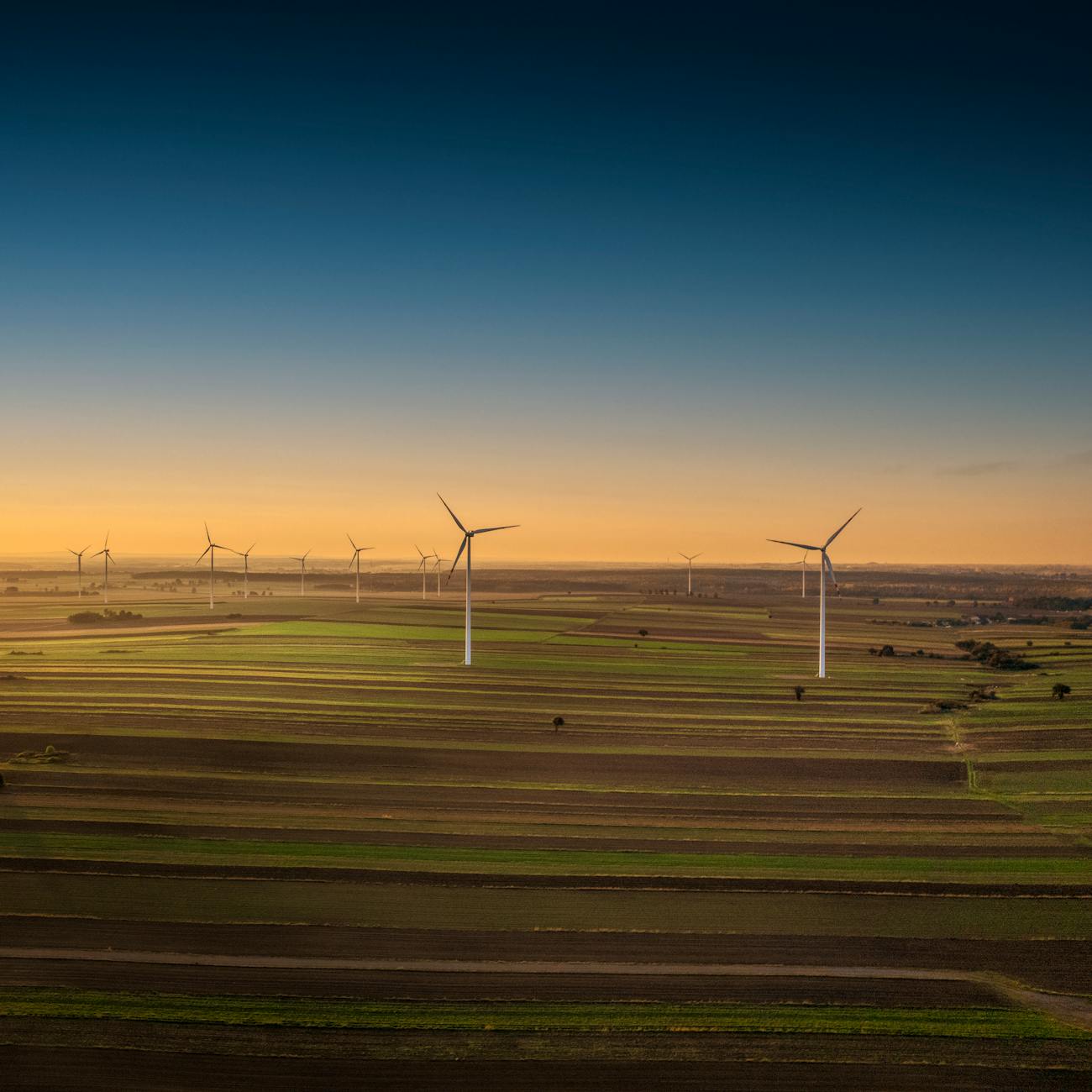
Energy Finance: Energy finance refers to the financial management and investment decisions made within the energy sector. It involves analyzing the financial aspects of energy projects, companies, and markets to make informed decisions that maximize returns and minimize risks. Energy finance professionals deal with a wide range of financial instruments, such as stocks, bonds, derivatives, and project financing, to support energy-related activities.
Example: An energy finance analyst might evaluate the financial viability of a renewable energy project by assessing its cash flows, costs, and potential risks. They would consider factors such as government incentives, market trends, and regulatory frameworks to determine the project's financial feasibility.
Investment: Investment in the context of energy finance refers to the allocation of financial resources into energy-related assets or projects with the expectation of generating a return. Investors may choose to invest in various energy sectors, including traditional fossil fuels, renewable energy, and energy efficiency projects. The goal of investment is to earn a profit while managing risks effectively.
Example: A pension fund might invest in a portfolio of renewable energy companies to diversify its holdings and benefit from the growing demand for clean energy. By investing in a mix of solar, wind, and hydroelectric projects, the fund aims to achieve long-term returns while supporting sustainable energy development.
Energy Economics: Energy economics is the study of how energy resources are produced, consumed, and distributed in an economy. It examines the economic implications of energy policies, technological advancements, and market dynamics on energy markets. Energy economists analyze supply and demand trends, pricing mechanisms, and regulatory frameworks to understand the drivers of energy-related activities.
Example: An energy economist might study the impact of carbon pricing policies on the electricity market to assess their effectiveness in reducing greenhouse gas emissions. By analyzing the costs and benefits of different policy options, they can recommend strategies to promote clean energy investments and achieve environmental goals.
Energy Market: An energy market is a marketplace where energy resources, such as electricity, natural gas, and oil, are bought and sold. Energy markets can be divided into wholesale and retail markets, each serving a different set of participants and transactions. Participants in energy markets include producers, consumers, traders, and regulators who interact to determine prices and allocate resources efficiently.
Example: In a wholesale electricity market, power generators offer to supply electricity at various prices based on their production costs and capacity. Retail electricity providers then purchase the electricity from the wholesale market and sell it to end consumers at retail prices. The interaction between supply and demand in the wholesale market sets the clearing price for electricity.
Renewable Energy: Renewable energy refers to energy derived from natural resources that are replenished at a sustainable rate, such as sunlight, wind, water, and biomass. Renewable energy sources are considered environmentally friendly and have lower carbon emissions compared to fossil fuels. The deployment of renewable energy technologies is crucial for reducing greenhouse gas emissions and mitigating climate change.
Example: Solar photovoltaic (PV) panels convert sunlight into electricity, providing a clean and renewable source of energy for residential and commercial applications. By harnessing solar energy, households and businesses can reduce their reliance on traditional grid electricity and lower their carbon footprint.
Fossil Fuels: Fossil fuels are natural resources, such as coal, oil, and natural gas, that are formed from the decomposition of organic matter over millions of years. Fossil fuels are the dominant source of energy worldwide and are used for electricity generation, transportation, and industrial processes. However, the combustion of fossil fuels releases greenhouse gases that contribute to climate change and air pollution.
Example: Coal-fired power plants burn coal to produce electricity, emitting carbon dioxide and other pollutants into the atmosphere. While coal is a cheap and abundant energy source, its environmental impact has led to calls for phasing out coal-fired generation in favor of cleaner alternatives like renewable energy and natural gas.
Carbon Pricing: Carbon pricing is a policy mechanism that puts a monetary value on carbon emissions to incentivize polluters to reduce their greenhouse gas output. Carbon pricing can take the form of a carbon tax or a cap-and-trade system, where companies must pay for their emissions or purchase permits to emit carbon dioxide. By internalizing the cost of carbon pollution, carbon pricing encourages the transition to low-carbon technologies and practices.
Example: In a carbon tax system, companies are charged a set price per ton of carbon dioxide emitted, encouraging them to reduce their carbon footprint and invest in cleaner technologies. The revenue generated from carbon taxes can be used to fund renewable energy projects, energy efficiency programs, or climate adaptation measures.
Project Financing: Project financing is a structured method of funding large-scale energy projects, such as power plants, pipelines, and renewable energy facilities. Project financing involves creating a separate legal entity to develop and operate the project, with debt and equity investors providing the necessary capital. The project's cash flows and assets serve as collateral for the financing, reducing the risks for lenders and investors.
Example: A wind farm developer secures project financing to build a new wind energy facility by working with banks, institutional investors, and government agencies. The project financing structure allows the developer to leverage the project's expected revenues and tax benefits to raise capital without putting their entire balance sheet at risk.
Derivatives: Derivatives are financial instruments whose value is derived from an underlying asset, such as commodities, stocks, or interest rates. Energy derivatives, such as futures and options, allow market participants to hedge against price fluctuations, manage risks, and speculate on future energy prices. Derivatives play a crucial role in energy markets by providing liquidity and price discovery mechanisms.
Example: An oil producer might use futures contracts to lock in a price for their future oil production, reducing the uncertainty caused by volatile oil prices. By entering into a futures contract, the producer can guarantee a certain revenue stream and protect themselves from market fluctuations.
Energy Efficiency: Energy efficiency refers to the practice of using less energy to provide the same level of service or output. Improving energy efficiency can reduce energy consumption, lower operating costs, and minimize environmental impacts. Energy efficiency measures include upgrading equipment, improving insulation, and adopting energy-saving technologies to optimize energy use in buildings, transportation, and industrial processes.
Example: A manufacturing plant installs energy-efficient lighting systems and implements energy management practices to reduce its electricity consumption and operating expenses. By investing in energy efficiency, the plant can increase its productivity, lower its carbon footprint, and improve its competitiveness in the market.
Power Purchase Agreement (PPA): A Power Purchase Agreement (PPA) is a contract between a power generator and a buyer to purchase electricity at a predetermined price for a specified period. PPAs are commonly used in renewable energy projects to secure long-term revenue streams and financing. The terms of a PPA typically include pricing mechanisms, delivery obligations, and termination clauses to protect both parties' interests.
Example: A solar developer signs a PPA with a utility company to sell the electricity generated by a solar farm at a fixed price over a 20-year period. The PPA provides the developer with a guaranteed revenue stream, allowing them to secure project financing and mitigate the risks associated with fluctuating electricity prices.
Net Metering: Net metering is a billing arrangement that allows customers with rooftop solar panels or other distributed energy resources to offset their electricity consumption with the electricity they generate. Under a net metering program, excess electricity generated by the customer is fed back into the grid, and the customer receives a credit for the surplus energy produced. Net metering promotes the adoption of renewable energy technologies by making self-generation economically viable.
Example: A homeowner with a rooftop solar PV system uses net metering to offset their electricity consumption with the solar electricity generated on-site. When the solar panels produce more electricity than the homeowner uses, the excess energy is exported to the grid, and the homeowner receives a credit on their utility bill for the surplus energy supplied.
Energy Transition: The energy transition refers to the shift from conventional fossil fuels to cleaner and more sustainable energy sources, such as renewables, nuclear, and energy efficiency. The energy transition is driven by environmental concerns, technological advancements, and policy changes aimed at reducing carbon emissions and promoting energy security. The transition to a low-carbon energy system requires investments in new infrastructure, technologies, and regulatory frameworks to achieve a more sustainable energy future.
Example: Countries around the world are undergoing an energy transition to decarbonize their economies and meet their climate goals. By phasing out coal-fired power plants, promoting renewable energy deployment, and improving energy efficiency, governments are accelerating the transition to a greener and more resilient energy system.
Energy Security: Energy security refers to the reliable and affordable supply of energy resources to meet the needs of society and the economy. Energy security encompasses the availability of energy sources, the resilience of energy infrastructure, and the diversity of energy supply options to mitigate supply disruptions and price volatility. Ensuring energy security is crucial for economic stability, national security, and environmental sustainability.
Example: A country enhances its energy security by diversifying its energy sources and reducing its dependence on imported fossil fuels. By investing in domestic renewable energy projects, energy storage technologies, and energy efficiency measures, the country can strengthen its energy resilience and reduce its vulnerability to geopolitical risks and market fluctuations.
Carbon Footprint: A carbon footprint is the total amount of greenhouse gas emissions, primarily carbon dioxide, produced directly or indirectly by human activities. Carbon footprints are measured in units of carbon dioxide equivalent (CO2e) and are used to assess the environmental impact of individuals, organizations, and products. Reducing carbon footprints through energy efficiency, renewable energy, and sustainable practices is essential for mitigating climate change and promoting environmental stewardship.
Example: An individual calculates their carbon footprint by considering their energy consumption, transportation habits, and waste generation. By making lifestyle changes such as driving less, using energy-efficient appliances, and supporting renewable energy initiatives, the individual can reduce their carbon footprint and contribute to a more sustainable future.
Grid Integration: Grid integration refers to the process of connecting distributed energy resources, such as solar PV, wind turbines, and energy storage systems, to the electricity grid. Grid integration enables the efficient and reliable integration of variable renewable energy sources into the grid, balancing supply and demand in real-time. Advanced grid integration technologies, such as smart grids and demand response programs, optimize the utilization of renewable energy and enhance grid stability.
Example: A utility company implements grid integration measures to accommodate the growing penetration of rooftop solar systems in its service area. By deploying smart meters, energy management systems, and grid automation technologies, the utility can monitor and control distributed energy resources to ensure grid reliability and maximize renewable energy utilization.
Energy Policy: Energy policy refers to the set of rules, regulations, and initiatives established by governments to guide energy production, consumption, and distribution. Energy policies aim to promote energy security, affordability, sustainability, and innovation by setting targets, incentives, and standards for the energy sector. Effective energy policies play a critical role in shaping the energy landscape, driving investment decisions, and addressing societal challenges related to energy.
Example: A government introduces a renewable energy mandate to require utilities to procure a certain percentage of their electricity from renewable sources by a specified deadline. The renewable energy mandate incentivizes investment in clean energy projects, reduces carbon emissions, and accelerates the transition to a low-carbon energy system.
Energy Trading: Energy trading involves buying and selling energy commodities, such as electricity, natural gas, and oil, in financial markets to profit from price fluctuations. Energy traders use various trading strategies, including speculation, hedging, and arbitrage, to capitalize on market opportunities and manage risks. Energy trading plays a crucial role in ensuring efficient energy markets, price discovery, and liquidity.
Example: An energy trader purchases a futures contract for natural gas to hedge against price volatility and secure a favorable price for future delivery. By monitoring market trends, geopolitical events, and supply-demand dynamics, the trader can make informed trading decisions to optimize their portfolio and maximize profits in the energy market.
Environmental Impact Assessment (EIA): An Environmental Impact Assessment (EIA) is a process that evaluates the potential environmental, social, and economic impacts of proposed energy projects before they are approved and implemented. EIAs assess the project's effects on air quality, water resources, biodiversity, and local communities to identify potential risks and mitigation measures. EIAs help decision-makers make informed choices about energy projects to minimize adverse impacts and promote sustainable development.
Example: A wind farm developer conducts an EIA to assess the environmental impacts of building a new wind energy facility on sensitive habitats and wildlife. The EIA includes studies on bird migration patterns, noise levels, and visual impacts to identify potential risks and recommend measures to protect the environment and mitigate negative effects on surrounding ecosystems.
Energy Access: Energy access refers to the availability of reliable and affordable energy services to meet the basic needs of households, communities, and businesses. Energy access is essential for improving living standards, promoting economic development, and enhancing quality of life. Achieving universal energy access requires expanding energy infrastructure, increasing energy affordability, and addressing energy poverty in underserved regions.
Example: A rural village without access to electricity installs a mini-grid powered by solar panels to provide clean and reliable energy to its residents. By ensuring energy access, the village can support economic activities, improve healthcare services, and enhance education opportunities for its inhabitants, contributing to sustainable development and poverty alleviation.
Energy Equity: Energy equity refers to the fair and inclusive distribution of energy resources, benefits, and costs among all segments of society. Energy equity aims to address disparities in energy access, affordability, and quality to ensure that vulnerable populations, such as low-income households, minorities, and marginalized communities, have equal opportunities to benefit from energy services. Promoting energy equity requires policies and programs that prioritize social justice, energy affordability, and community engagement in energy decision-making.
Example: An energy efficiency program offers low-income households financial incentives to upgrade their homes with energy-saving appliances and insulation. By targeting energy equity, the program helps reduce energy costs for disadvantaged families, improve indoor comfort, and reduce energy consumption, leading to social and environmental benefits for the community.
Energy Subsidies: Energy subsidies are financial incentives provided by governments to support the production, consumption, or export of energy resources. Subsidies can take various forms, such as tax breaks, direct payments, or price controls, and are intended to lower energy costs, stimulate investment, and promote energy security. However, energy subsidies can distort markets, encourage wasteful consumption, and hinder the transition to sustainable energy systems.
Example: A government offers subsidies to fossil fuel producers to keep energy prices artificially low and maintain domestic energy supplies. While subsidies may benefit consumers in the short term, they can lead to market inefficiencies, environmental degradation, and fiscal burdens, highlighting the need to reform energy subsidy policies to promote more sustainable and equitable energy practices.
Energy Resilience: Energy resilience refers to the ability of energy systems to withstand and recover from disruptions, such as natural disasters, cyberattacks, and supply chain disruptions. Resilient energy systems are characterized by their flexibility, redundancy, and adaptability to changing conditions, ensuring the continuous delivery of energy services in times of crisis. Enhancing energy resilience requires investments in infrastructure, technology, and emergency preparedness to build a more robust and reliable energy infrastructure.
Example: A city invests in microgrid technology to improve its energy resilience and reduce the risk of power outages during extreme weather events. By creating a decentralized energy system with backup power sources, the city can maintain critical services, support emergency response efforts, and protect its residents from prolonged energy disruptions, demonstrating the importance of energy resilience in ensuring community well-being.
Energy Storage: Energy storage refers to the capture and retention of energy for later use, allowing for the flexible deployment of energy resources and the integration of variable renewable energy sources into the grid. Energy storage technologies, such as batteries, pumped hydro, and thermal storage, enable energy systems to store excess energy during periods of low demand and release it when needed, improving grid stability and efficiency. Energy storage plays a vital role in supporting renewable energy deployment, grid modernization, and energy transition efforts.
Example: A utility company installs a battery energy storage system to store excess solar energy generated during the day and discharge it during peak demand periods in the evening. By utilizing energy storage, the utility can balance supply and demand, reduce reliance on fossil fuel peaker plants, and optimize its grid operations to meet customer needs efficiently.
Carbon Capture and Storage (CCS): Carbon Capture and Storage (CCS) is a technology that captures carbon dioxide emissions from industrial processes or power plants and stores them underground to prevent their release into the atmosphere. CCS helps reduce greenhouse gas emissions, mitigate climate change, and support the decarbonization of energy-intensive industries. CCS is a critical technology for achieving net-zero emissions targets and transitioning to a low-carbon economy.
Example: A coal-fired power plant installs CCS technology to capture and store its carbon emissions instead of releasing them into the air. The captured carbon dioxide is compressed and injected into geological formations, such as depleted oil fields or saline aquifers, where it can be safely stored for long periods, demonstrating the potential of CCS to reduce carbon emissions from fossil fuel combustion.
Energy Diplomacy: Energy diplomacy refers to the use of diplomatic strategies and negotiations to address energy-related challenges, such as energy security, resource conflicts, and international cooperation. Energy diplomacy aims to promote energy trade, enhance energy partnerships, and resolve energy disputes through dialogue, diplomacy, and multilateral agreements. Energy diplomacy plays a crucial role in shaping global energy governance, fostering energy collaboration, and advancing energy security objectives across borders.
Example: Two countries engage in energy diplomacy to negotiate a gas pipeline agreement that benefits both nations by enhancing energy security, promoting economic development, and strengthening bilateral relations. Through diplomatic channels, the countries address regulatory issues, investment concerns, and geopolitical risks to facilitate the construction and operation of the pipeline, illustrating the role of energy diplomacy in fostering international energy cooperation.
Energy Innovation: Energy innovation refers to the development and deployment of new technologies, processes, and business models to transform the energy sector and address emerging challenges. Energy innovation encompasses a wide range of areas, including renewable energy, energy storage, smart grids, and electrification, to drive efficiency, sustainability, and resilience in energy systems. Investing in energy innovation is essential for achieving climate goals, driving economic growth, and fostering energy sector transformation.
Example: A research institute develops a breakthrough technology for converting carbon dioxide into valuable products, such as fuels, chemicals, or building materials, through electrochemical processes. The innovation has the potential to reduce carbon emissions, create new revenue streams, and support the circular economy, highlighting the importance of energy innovation in driving sustainable energy solutions and advancing environmental goals.
Energy Efficiency Financing: Energy efficiency financing refers to the provision of financial products and services to
Key takeaways
- Energy finance professionals deal with a wide range of financial instruments, such as stocks, bonds, derivatives, and project financing, to support energy-related activities.
- Example: An energy finance analyst might evaluate the financial viability of a renewable energy project by assessing its cash flows, costs, and potential risks.
- Investment: Investment in the context of energy finance refers to the allocation of financial resources into energy-related assets or projects with the expectation of generating a return.
- Example: A pension fund might invest in a portfolio of renewable energy companies to diversify its holdings and benefit from the growing demand for clean energy.
- Energy economists analyze supply and demand trends, pricing mechanisms, and regulatory frameworks to understand the drivers of energy-related activities.
- Example: An energy economist might study the impact of carbon pricing policies on the electricity market to assess their effectiveness in reducing greenhouse gas emissions.
- Participants in energy markets include producers, consumers, traders, and regulators who interact to determine prices and allocate resources efficiently.