
Energy Economics
Energy Economics is a critical field that examines the production, distribution, and consumption of energy resources. It involves analyzing the behavior of energy markets, the impact of energy policies, and the factors influencing energy pr…
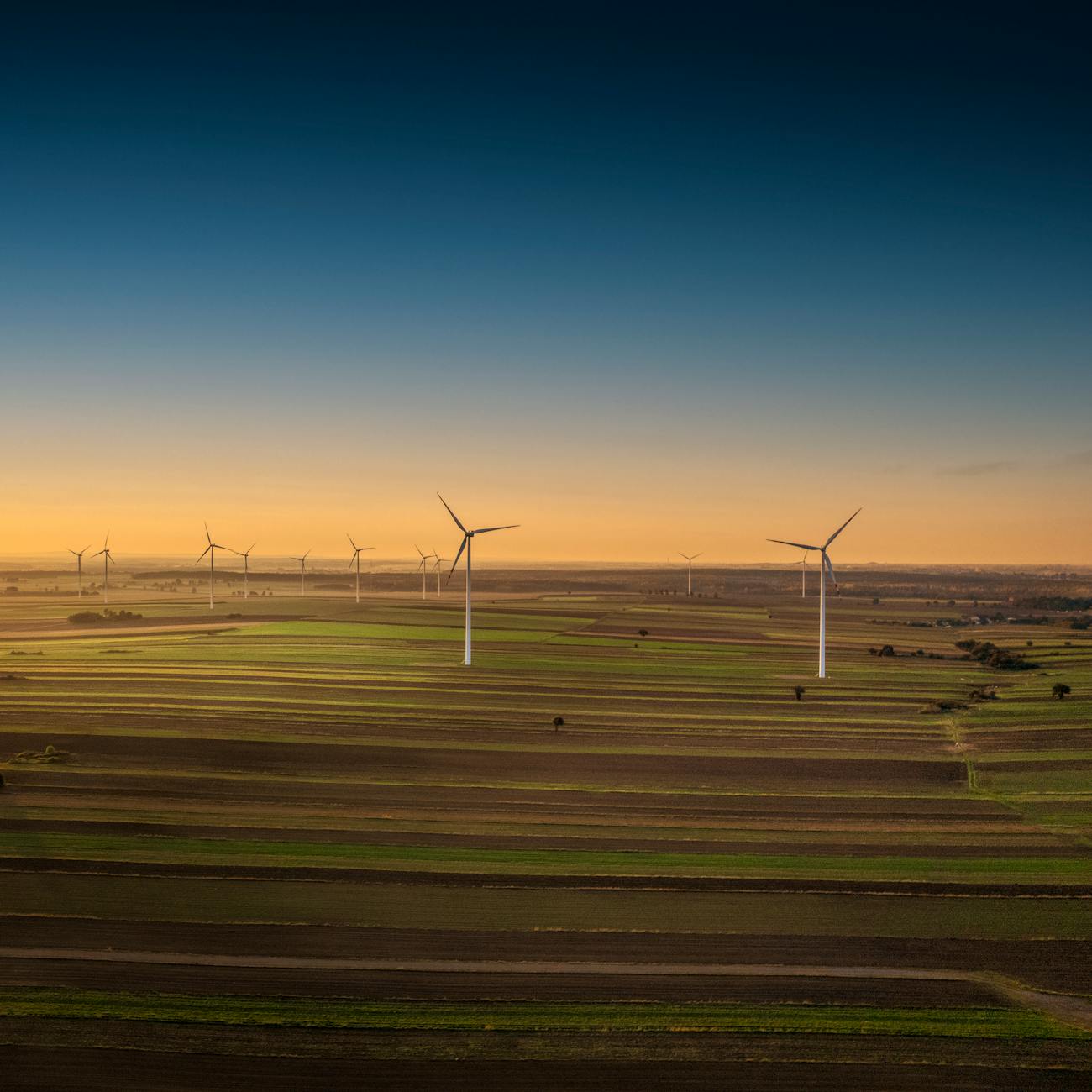
Energy Economics is a critical field that examines the production, distribution, and consumption of energy resources. It involves analyzing the behavior of energy markets, the impact of energy policies, and the factors influencing energy prices. In the Advanced Certificate in Energy Economics and Financing, students will delve deep into the key terms and concepts that underpin this dynamic and complex area of study.
1. **Energy**: Energy is the ability to do work or produce heat. It is essential for all economic activities and plays a crucial role in the functioning of modern societies. Energy can exist in various forms such as electrical, mechanical, thermal, and chemical energy.
2. **Economics**: Economics is the study of how individuals, businesses, and societies allocate scarce resources to satisfy their unlimited wants. Energy economics focuses specifically on the production, consumption, and distribution of energy resources.
3. **Energy Resources**: Energy resources are substances or processes that can be used to generate energy. They can be categorized as renewable (e.g., solar, wind, hydroelectric) or non-renewable (e.g., oil, coal, natural gas). The availability and sustainability of energy resources are crucial considerations in energy economics.
4. **Energy Market**: An energy market is a platform where buyers and sellers come together to trade energy products such as electricity, natural gas, or oil. Energy markets can be organized as spot markets (for immediate delivery) or futures markets (for future delivery).
5. **Supply and Demand**: Supply refers to the quantity of a good or service that producers are willing to offer at a given price, while demand represents the quantity of that good or service that consumers are willing to buy at a given price. The interaction of supply and demand determines the equilibrium price in a market.
6. **Energy Prices**: Energy prices reflect the cost of acquiring energy resources and the value that consumers place on energy products. Fluctuations in energy prices can be influenced by factors such as supply disruptions, changes in demand, geopolitical events, and government policies.
7. **Energy Policy**: Energy policy refers to the set of rules, regulations, and measures that govern the production, distribution, and consumption of energy resources. Energy policies can be designed to promote energy security, environmental sustainability, or economic efficiency.
8. **Energy Efficiency**: Energy efficiency is the ratio of useful energy output to energy input. Improving energy efficiency can help reduce energy consumption, lower costs, and mitigate environmental impacts. Energy efficiency measures include using energy-saving technologies, optimizing processes, and changing behavior.
9. **Renewable Energy**: Renewable energy is derived from sources that are naturally replenished, such as sunlight, wind, and biomass. Renewable energy technologies have the potential to reduce greenhouse gas emissions, enhance energy security, and create new economic opportunities.
10. **Non-Renewable Energy**: Non-renewable energy comes from sources that are finite and will eventually be depleted, such as fossil fuels. The extraction and use of non-renewable energy resources can have significant environmental consequences, including air and water pollution, habitat destruction, and climate change.
11. **Energy Transition**: Energy transition refers to the shift from conventional fossil fuels to cleaner and more sustainable energy sources. The energy transition is driven by concerns about climate change, energy security, and technological advancements in renewable energy.
12. **Carbon Pricing**: Carbon pricing is a policy tool that puts a price on carbon emissions to incentivize the reduction of greenhouse gas emissions. Carbon pricing can take the form of a carbon tax or a cap-and-trade system, where companies are required to purchase permits to emit carbon.
13. **Energy Security**: Energy security is the availability and reliability of energy resources at affordable prices. Ensuring energy security is a key priority for governments and businesses to avoid supply disruptions, geopolitical risks, and economic instability.
14. **Smart Grid**: A smart grid is an advanced electricity distribution system that integrates digital technologies to improve the efficiency, reliability, and sustainability of the power grid. Smart grids enable real-time monitoring, control, and optimization of energy flows to accommodate renewable energy sources and electric vehicles.
15. **Energy Poverty**: Energy poverty refers to the lack of access to affordable, reliable, and clean energy services. Energy poverty disproportionately affects low-income households and can lead to adverse social, economic, and health outcomes. Addressing energy poverty is essential for achieving sustainable development goals.
16. **Energy Transition**: The energy transition refers to the global shift from fossil fuels to renewable energy sources. This transformation is driven by concerns about climate change, energy security, and technological advancements in renewable energy technologies. The energy transition involves phasing out coal, oil, and gas in favor of solar, wind, hydro, and other renewable sources.
17. **Decentralized Energy**: Decentralized energy refers to energy systems that are distributed and localized, rather than centralized. Decentralized energy solutions include rooftop solar panels, microgrids, and community-owned renewable energy projects. Decentralized energy can improve energy access, resilience, and sustainability.
18. **Energy Storage**: Energy storage technologies capture excess energy for later use, enabling better integration of intermittent renewable energy sources like solar and wind. Energy storage systems include batteries, pumped hydro storage, and thermal energy storage. Energy storage is essential for balancing supply and demand, reducing grid instability, and increasing flexibility in the energy system.
19. **Electric Vehicles (EVs)**: Electric vehicles are automobiles powered by electricity stored in batteries or fuel cells, rather than gasoline or diesel. EVs are considered a cleaner and more sustainable alternative to internal combustion engine vehicles, as they produce zero tailpipe emissions and can be charged with renewable energy. The adoption of EVs is growing worldwide, driven by environmental concerns, government incentives, and technological advancements.
20. **Carbon Capture and Storage (CCS)**: Carbon capture and storage is a technology that captures carbon dioxide emissions from power plants and industrial facilities, transports it to a storage site, and injects it underground for long-term storage. CCS can help reduce greenhouse gas emissions from fossil fuel combustion and industrial processes. However, the deployment of CCS faces technical, economic, and regulatory challenges.
21. **Energy Subsidies**: Energy subsidies are financial incentives provided by governments to support the production or consumption of energy resources. Subsidies can take the form of tax breaks, direct payments, or price controls. Energy subsidies can distort markets, encourage inefficiency, and hinder the transition to cleaner energy sources.
22. **Carbon Neutrality**: Carbon neutrality refers to achieving a balance between the amount of carbon dioxide emitted into the atmosphere and the amount removed or offset. To achieve carbon neutrality, organizations, cities, and countries can reduce emissions through energy efficiency measures, switch to renewable energy sources, and invest in carbon offset projects like reforestation or carbon capture.
23. **Energy Modeling**: Energy modeling is a method used to simulate and analyze energy systems, policies, and scenarios. Energy models can help forecast energy demand, evaluate the impact of policy interventions, and assess the cost-effectiveness of different energy pathways. Energy modeling plays a crucial role in energy planning, investment decisions, and climate change mitigation strategies.
24. **Energy Access**: Energy access refers to the availability of reliable and affordable energy services for households, businesses, and communities. Lack of energy access is a significant barrier to economic development, education, healthcare, and quality of life. Improving energy access in remote and underserved areas is a key priority for achieving sustainable development goals.
25. **Energy Trading**: Energy trading involves buying and selling energy products such as electricity, natural gas, or oil in wholesale markets. Energy traders use financial instruments like futures contracts, options, and swaps to manage price risks and optimize their portfolios. Energy trading plays a vital role in ensuring the efficient operation of energy markets and balancing supply and demand.
26. **Energy Efficiency**: Energy efficiency refers to using less energy to perform the same tasks or achieve the same level of service. Improving energy efficiency can help reduce energy consumption, lower costs, and mitigate environmental impacts. Energy efficiency measures include upgrading buildings, appliances, and industrial processes to be more energy-efficient.
27. **Energy Audit**: An energy audit is a systematic process of assessing energy use in buildings, industrial facilities, or transportation systems to identify opportunities for energy savings. Energy audits involve analyzing energy bills, conducting on-site inspections, and recommending energy-efficient technologies and practices. Energy audits are essential for optimizing energy performance, reducing costs, and achieving sustainability goals.
28. **Energy Management**: Energy management involves planning, organizing, and controlling energy resources to optimize energy use, reduce waste, and improve efficiency. Energy managers develop and implement strategies to monitor energy consumption, identify energy-saving opportunities, and track performance metrics. Effective energy management can help organizations reduce operating costs, enhance competitiveness, and meet sustainability targets.
29. **Energy Efficiency Financing**: Energy efficiency financing refers to the various mechanisms used to fund energy efficiency projects and investments. These mechanisms can include loans, grants, rebates, tax incentives, and performance-based contracts. Energy efficiency financing helps overcome barriers to investment in energy-saving technologies and accelerates the adoption of energy-efficient practices.
30. **Energy Performance Contracting**: Energy performance contracting is a financing mechanism where an energy service company (ESCO) designs, implements, and finances energy efficiency projects for a client. The ESCO guarantees energy savings from the project, and the client pays for the improvements over time through the realized savings. Energy performance contracting allows organizations to implement energy efficiency measures without upfront capital costs.
31. **Energy Risk Management**: Energy risk management involves identifying, assessing, and mitigating risks related to energy price volatility, supply disruptions, regulatory changes, and environmental liabilities. Energy risk managers use financial tools like hedging, insurance, and derivatives to protect against adverse events and manage uncertainties in the energy market. Effective energy risk management is essential for safeguarding investments, ensuring business continuity, and maximizing returns.
32. **Energy Trading**: Energy trading involves buying and selling energy products such as electricity, natural gas, or oil in wholesale markets. Energy traders use financial instruments like futures contracts, options, and swaps to manage price risks and optimize their portfolios. Energy trading plays a vital role in ensuring the efficient operation of energy markets and balancing supply and demand.
33. **Energy Storage**: Energy storage technologies capture excess energy for later use, enabling better integration of intermittent renewable energy sources like solar and wind. Energy storage systems include batteries, pumped hydro storage, and thermal energy storage. Energy storage is essential for balancing supply and demand, reducing grid instability, and increasing flexibility in the energy system.
34. **Energy Transition**: The energy transition refers to the global shift from fossil fuels to renewable energy sources. This transformation is driven by concerns about climate change, energy security, and technological advancements in renewable energy technologies. The energy transition involves phasing out coal, oil, and gas in favor of solar, wind, hydro, and other renewable sources.
35. **Decentralized Energy**: Decentralized energy refers to energy systems that are distributed and localized, rather than centralized. Decentralized energy solutions include rooftop solar panels, microgrids, and community-owned renewable energy projects. Decentralized energy can improve energy access, resilience, and sustainability.
36. **Energy Storage**: Energy storage technologies capture excess energy for later use, enabling better integration of intermittent renewable energy sources like solar and wind. Energy storage systems include batteries, pumped hydro storage, and thermal energy storage. Energy storage is essential for balancing supply and demand, reducing grid instability, and increasing flexibility in the energy system.
37. **Electric Vehicles (EVs)**: Electric vehicles are automobiles powered by electricity stored in batteries or fuel cells, rather than gasoline or diesel. EVs are considered a cleaner and more sustainable alternative to internal combustion engine vehicles, as they produce zero tailpipe emissions and can be charged with renewable energy. The adoption of EVs is growing worldwide, driven by environmental concerns, government incentives, and technological advancements.
38. **Carbon Capture and Storage (CCS)**: Carbon capture and storage is a technology that captures carbon dioxide emissions from power plants and industrial facilities, transports it to a storage site, and injects it underground for long-term storage. CCS can help reduce greenhouse gas emissions from fossil fuel combustion and industrial processes. However, the deployment of CCS faces technical, economic, and regulatory challenges.
39. **Energy Subsidies**: Energy subsidies are financial incentives provided by governments to support the production or consumption of energy resources. Subsidies can take the form of tax breaks, direct payments, or price controls. Energy subsidies can distort markets, encourage inefficiency, and hinder the transition to cleaner energy sources.
40. **Carbon Neutrality**: Carbon neutrality refers to achieving a balance between the amount of carbon dioxide emitted into the atmosphere and the amount removed or offset. To achieve carbon neutrality, organizations, cities, and countries can reduce emissions through energy efficiency measures, switch to renewable energy sources, and invest in carbon offset projects like reforestation or carbon capture.
41. **Energy Modeling**: Energy modeling is a method used to simulate and analyze energy systems, policies, and scenarios. Energy models can help forecast energy demand, evaluate the impact of policy interventions, and assess the cost-effectiveness of different energy pathways. Energy modeling plays a crucial role in energy planning, investment decisions, and climate change mitigation strategies.
42. **Energy Access**: Energy access refers to the availability of reliable and affordable energy services for households, businesses, and communities. Lack of energy access is a significant barrier to economic development, education, healthcare, and quality of life. Improving energy access in remote and underserved areas is a key priority for achieving sustainable development goals.
43. **Energy Trading**: Energy trading involves buying and selling energy products such as electricity, natural gas, or oil in wholesale markets. Energy traders use financial instruments like futures contracts, options, and swaps to manage price risks and optimize their portfolios. Energy trading plays a vital role in ensuring the efficient operation of energy markets and balancing supply and demand.
44. **Energy Efficiency**: Energy efficiency refers to using less energy to perform the same tasks or achieve the same level of service. Improving energy efficiency can help reduce energy consumption, lower costs, and mitigate environmental impacts. Energy efficiency measures include upgrading buildings, appliances, and industrial processes to be more energy-efficient.
45. **Energy Audit**: An energy audit is a systematic process of assessing energy use in buildings, industrial facilities, or transportation systems to identify opportunities for energy savings. Energy audits involve analyzing energy bills, conducting on-site inspections, and recommending energy-efficient technologies and practices. Energy audits are essential for optimizing energy performance, reducing costs, and achieving sustainability goals.
46. **Energy Management**: Energy management involves planning, organizing, and controlling energy resources to optimize energy use, reduce waste, and improve efficiency. Energy managers develop and implement strategies to monitor energy consumption, identify energy-saving opportunities, and track performance metrics. Effective energy management can help organizations reduce operating costs, enhance competitiveness, and meet sustainability targets.
47. **Energy Efficiency Financing**: Energy efficiency financing refers to the various mechanisms used to fund energy efficiency projects and investments. These mechanisms can include loans, grants, rebates, tax incentives, and performance-based contracts. Energy efficiency financing helps overcome barriers to investment in energy-saving technologies and accelerates the adoption of energy-efficient practices.
48. **Energy Performance Contracting**: Energy performance contracting is a financing mechanism where an energy service company (ESCO) designs, implements, and finances energy efficiency projects for a client. The ESCO guarantees energy savings from the project, and the client pays for the improvements over time through the realized savings. Energy performance contracting allows organizations to implement energy efficiency measures without upfront capital costs.
49. **Energy Risk Management**: Energy risk management involves identifying, assessing, and mitigating risks related to energy price volatility, supply disruptions, regulatory changes, and environmental liabilities. Energy risk managers use financial tools like hedging, insurance, and derivatives to protect against adverse events and manage uncertainties in the energy market. Effective energy risk management is essential for safeguarding investments, ensuring business continuity, and maximizing returns.
50. **Energy Trading**: Energy trading involves buying and selling energy products such as electricity, natural gas, or oil in wholesale markets. Energy traders use financial instruments like futures contracts, options, and swaps to manage price risks and optimize their portfolios. Energy trading plays a vital role in ensuring the efficient operation of energy markets and balancing supply and demand.
51. **Energy Storage**: Energy storage technologies capture excess energy for later use, enabling better integration of intermittent renewable energy sources like solar and wind. Energy storage systems include batteries, pumped hydro storage, and thermal energy storage. Energy storage is essential for balancing supply and demand, reducing grid instability, and increasing flexibility in the energy system.
52. **Energy Transition**: The energy transition refers to the global shift from fossil fuels to renewable energy sources. This transformation is driven by concerns about climate change, energy security, and technological advancements in renewable energy technologies. The energy transition involves phasing out coal, oil, and gas in favor of solar, wind, hydro, and other renewable sources.
53. **Decentralized Energy**: Decentralized energy refers to energy systems that are distributed and localized, rather than centralized. Decentralized energy solutions include rooftop solar panels, microgrids, and community-owned renewable energy projects. Decentralized energy can improve energy access, resilience, and sustainability.
54. **Energy Storage**: Energy storage technologies capture excess energy for later use, enabling better integration of intermittent renewable energy sources like solar and wind. Energy storage systems include batteries, pumped hydro storage, and thermal energy storage. Energy storage is essential for balancing supply and demand, reducing grid instability, and increasing flexibility in the energy system.
55. **Electric Vehicles (EVs)**: Electric vehicles are automobiles powered by electricity stored in batteries or fuel cells, rather than gasoline or diesel. EVs are considered a cleaner and more sustainable alternative to internal combustion engine vehicles, as they produce zero tailpipe emissions and can be charged with renewable energy. The adoption of EVs is growing worldwide, driven by environmental concerns, government incentives, and technological advancements.
56. **Carbon Capture and Storage (CCS)**: Carbon capture and storage is a technology that captures carbon dioxide emissions from power plants and industrial facilities, transports it to a storage site, and injects it underground for long-term storage. CCS can help reduce greenhouse gas emissions from fossil fuel combustion and industrial processes. However, the deployment of CCS faces technical, economic, and regulatory challenges.
57. **Energy Subsidies**: Energy subsidies are financial incentives provided by governments to support the production or consumption of energy resources. Subsidies can take the form of tax breaks, direct payments, or price controls. Energy subsidies can distort markets, encourage inefficiency, and hinder the transition to cleaner energy sources.
58. **Carbon Neutrality**: Carbon neutrality refers to achieving a balance between the amount of carbon dioxide emitted into the atmosphere and the amount removed or offset. To achieve carbon neutrality, organizations, cities, and countries can reduce emissions through energy efficiency measures, switch to renewable energy sources, and invest in carbon offset projects like reforestation or carbon capture.
59. **Energy Modeling**: Energy modeling is a method used to simulate and analyze energy systems, policies, and scenarios. Energy models can help forecast energy demand, evaluate the impact of policy interventions, and assess the cost-effectiveness of different energy pathways. Energy modeling plays a crucial role in energy planning, investment decisions, and climate change mitigation strategies.
60. **Energy Access**: Energy access refers to the availability of reliable and affordable energy services for households, businesses, and communities. Lack of energy access is a significant barrier to economic development, education, healthcare, and quality of life. Improving energy access in remote and underserved areas is a key
Key takeaways
- In the Advanced Certificate in Energy Economics and Financing, students will delve deep into the key terms and concepts that underpin this dynamic and complex area of study.
- It is essential for all economic activities and plays a crucial role in the functioning of modern societies.
- **Economics**: Economics is the study of how individuals, businesses, and societies allocate scarce resources to satisfy their unlimited wants.
- **Energy Resources**: Energy resources are substances or processes that can be used to generate energy.
- **Energy Market**: An energy market is a platform where buyers and sellers come together to trade energy products such as electricity, natural gas, or oil.
- **Supply and Demand**: Supply refers to the quantity of a good or service that producers are willing to offer at a given price, while demand represents the quantity of that good or service that consumers are willing to buy at a given price.
- Fluctuations in energy prices can be influenced by factors such as supply disruptions, changes in demand, geopolitical events, and government policies.