
IoT Sensors and Devices in Precision Agriculture
IoT Sensors and Devices in Precision Agriculture
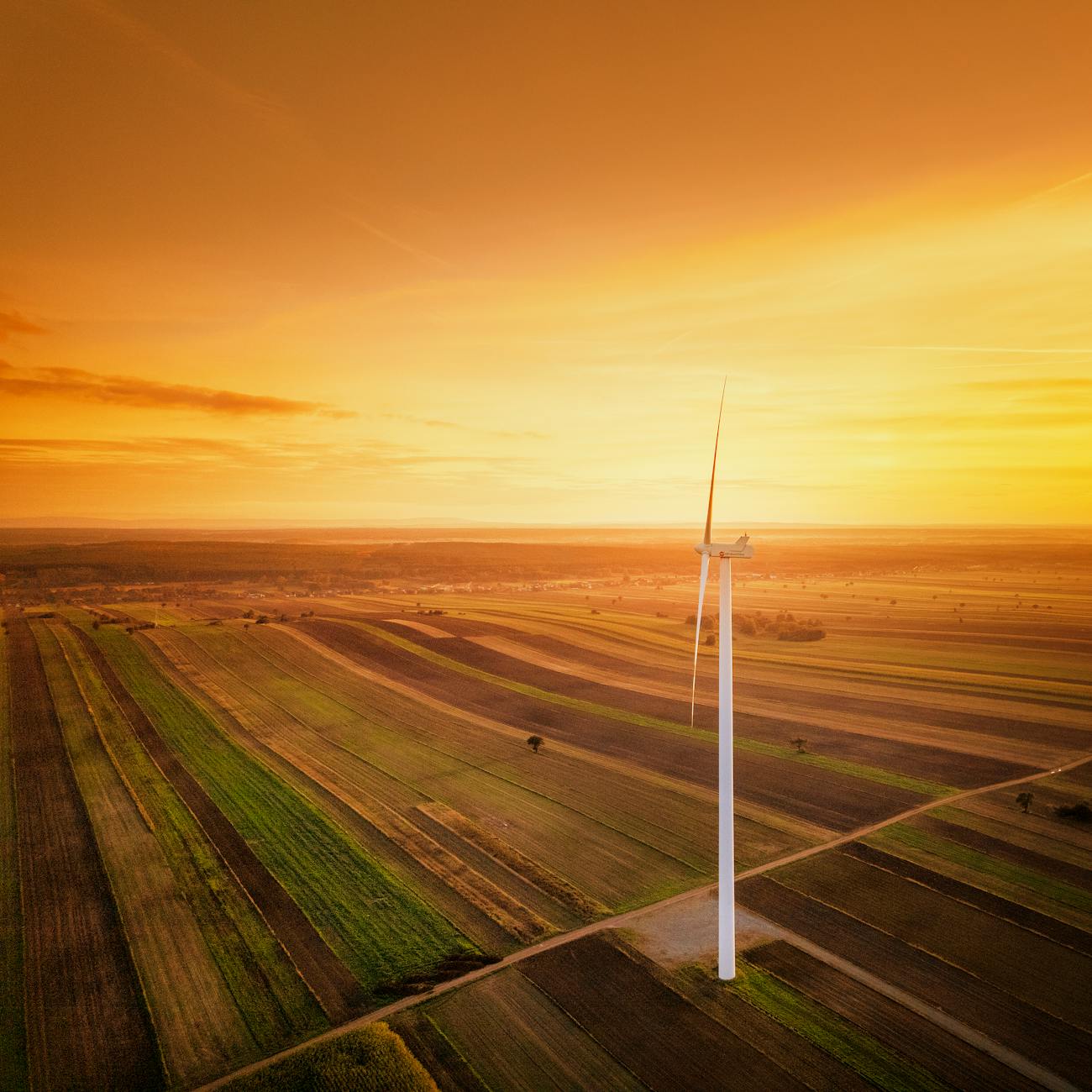
IoT Sensors and Devices in Precision Agriculture
Precision agriculture, also known as precision farming or precision ag, is an approach to managing agricultural practices using advanced technology to optimize production and efficiency. In recent years, the Internet of Things (IoT) has greatly impacted precision agriculture by enabling the use of sensors and devices to collect, transmit, and analyze data in real-time. This has revolutionized farming practices, allowing farmers to make data-driven decisions to improve crop yields, reduce costs, and minimize environmental impact.
Key Terms and Vocabulary
1. IoT (Internet of Things): IoT refers to the network of interconnected devices that can communicate and exchange data over the internet without human intervention. In precision agriculture, IoT devices such as sensors are used to collect data on soil conditions, weather patterns, crop health, and more.
2. Sensors: Sensors are devices that detect and respond to changes in their environment. In precision agriculture, sensors are used to collect data on various parameters such as temperature, humidity, soil moisture, and nutrient levels. These sensors provide valuable information that can help farmers make informed decisions about their crops.
3. Devices: Devices in precision agriculture refer to the hardware components that are used to collect, transmit, and analyze data from sensors. These devices can include data loggers, controllers, drones, and other equipment that help farmers monitor and manage their crops more effectively.
4. Data Analytics: Data analytics is the process of examining large datasets to uncover hidden patterns, correlations, and other insights. In precision agriculture, data analytics is used to analyze the data collected by sensors and devices to make predictions about crop growth, pest infestations, and other factors that can impact farming operations.
5. Remote Monitoring: Remote monitoring allows farmers to keep track of their crops and fields from a distance. By using IoT sensors and devices, farmers can monitor soil conditions, crop health, and weather patterns in real-time, allowing them to make timely decisions to optimize production.
6. Precision Farming: Precision farming is a farming management concept that uses IoT technology to optimize crop production through precise control of inputs such as water, fertilizer, and pesticides. By using data from sensors and devices, farmers can tailor their farming practices to specific areas of their fields, improving efficiency and reducing waste.
7. Smart Agriculture: Smart agriculture refers to the integration of IoT technology into farming practices to increase productivity and sustainability. By using smart devices and sensors, farmers can automate tasks, monitor crops more effectively, and make informed decisions based on real-time data.
8. Wireless Connectivity: Wireless connectivity is essential for IoT devices in precision agriculture to communicate with each other and transmit data to central systems. Technologies such as Wi-Fi, Bluetooth, and LoRaWAN are commonly used to enable wireless connectivity in agricultural settings.
9. Edge Computing: Edge computing is a distributed computing paradigm that brings computation and data storage closer to the location where it is needed, such as IoT devices in the field. By processing data at the edge, farmers can reduce latency and bandwidth usage, enabling faster decision-making in precision agriculture.
10. Predictive Maintenance: Predictive maintenance is a proactive maintenance strategy that uses IoT sensors to monitor the condition of equipment and predict when maintenance is required. In precision agriculture, predictive maintenance can help farmers avoid costly equipment failures and downtime, ensuring that farming operations run smoothly.
Practical Applications
IoT sensors and devices have a wide range of practical applications in precision agriculture, including:
1. Soil Monitoring: IoT sensors can be used to monitor soil moisture, temperature, pH levels, and nutrient content in real-time. This data can help farmers determine the optimal conditions for planting, irrigation, and fertilization.
2. Crop Monitoring: IoT devices such as drones equipped with sensors can be used to monitor crop health, detect pests and diseases, and assess crop yields. This information can help farmers make informed decisions to protect their crops and maximize production.
3. Weather Monitoring: IoT sensors can collect data on temperature, humidity, rainfall, and wind speed to provide farmers with accurate weather forecasts. This information allows farmers to plan their farming activities accordingly and mitigate the impact of extreme weather events.
4. Irrigation Management: IoT sensors can be used to monitor soil moisture levels and control irrigation systems to ensure that crops receive the right amount of water. This can help farmers conserve water, prevent over-irrigation, and optimize crop growth.
5. Livestock Monitoring: IoT devices can be used to monitor the health and behavior of livestock, track their movements, and manage feeding schedules. This data can help farmers improve animal welfare, increase productivity, and reduce losses.
Challenges
While IoT sensors and devices offer many benefits to precision agriculture, there are also challenges that farmers may face, including:
1. Data Security: The large amount of data collected by IoT sensors can be vulnerable to cyber-attacks and unauthorized access. Farmers need to ensure that their data is secure and protected from potential threats.
2. Connectivity Issues: In remote rural areas, where many farms are located, reliable wireless connectivity may be limited. Farmers may face challenges in setting up IoT networks and ensuring that their devices can communicate effectively.
3. Data Overload: With so much data being collected by sensors and devices, farmers may struggle to analyze and interpret the information effectively. It is essential to have the right tools and expertise to make sense of the data and turn it into actionable insights.
4. Cost: Implementing IoT sensors and devices in precision agriculture can be costly, especially for small-scale farmers. The initial investment in hardware, software, and infrastructure may be a barrier for some farmers looking to adopt IoT technology.
5. Skills Gap: Farmers may lack the technical skills and knowledge required to implement and manage IoT systems effectively. Training and support are essential to help farmers make the most of IoT technology in their farming operations.
Conclusion
In conclusion, IoT sensors and devices play a crucial role in precision agriculture by providing farmers with real-time data on soil conditions, crop health, weather patterns, and more. By using IoT technology, farmers can make data-driven decisions to optimize production, reduce costs, and improve sustainability. While there are challenges to overcome, the benefits of IoT in precision agriculture are undeniable, paving the way for a more efficient and productive farming industry.
Key takeaways
- Precision agriculture, also known as precision farming or precision ag, is an approach to managing agricultural practices using advanced technology to optimize production and efficiency.
- IoT (Internet of Things): IoT refers to the network of interconnected devices that can communicate and exchange data over the internet without human intervention.
- In precision agriculture, sensors are used to collect data on various parameters such as temperature, humidity, soil moisture, and nutrient levels.
- These devices can include data loggers, controllers, drones, and other equipment that help farmers monitor and manage their crops more effectively.
- In precision agriculture, data analytics is used to analyze the data collected by sensors and devices to make predictions about crop growth, pest infestations, and other factors that can impact farming operations.
- By using IoT sensors and devices, farmers can monitor soil conditions, crop health, and weather patterns in real-time, allowing them to make timely decisions to optimize production.
- Precision Farming: Precision farming is a farming management concept that uses IoT technology to optimize crop production through precise control of inputs such as water, fertilizer, and pesticides.