
Restoration Ethics and Professional Practice
Welcome to this episode of the London School of International Business podcast, where we're exploring the fascinating world of porcelain and ceramic restoration. I'm your host, and today we're diving into the crucial topic of Restoration Et…
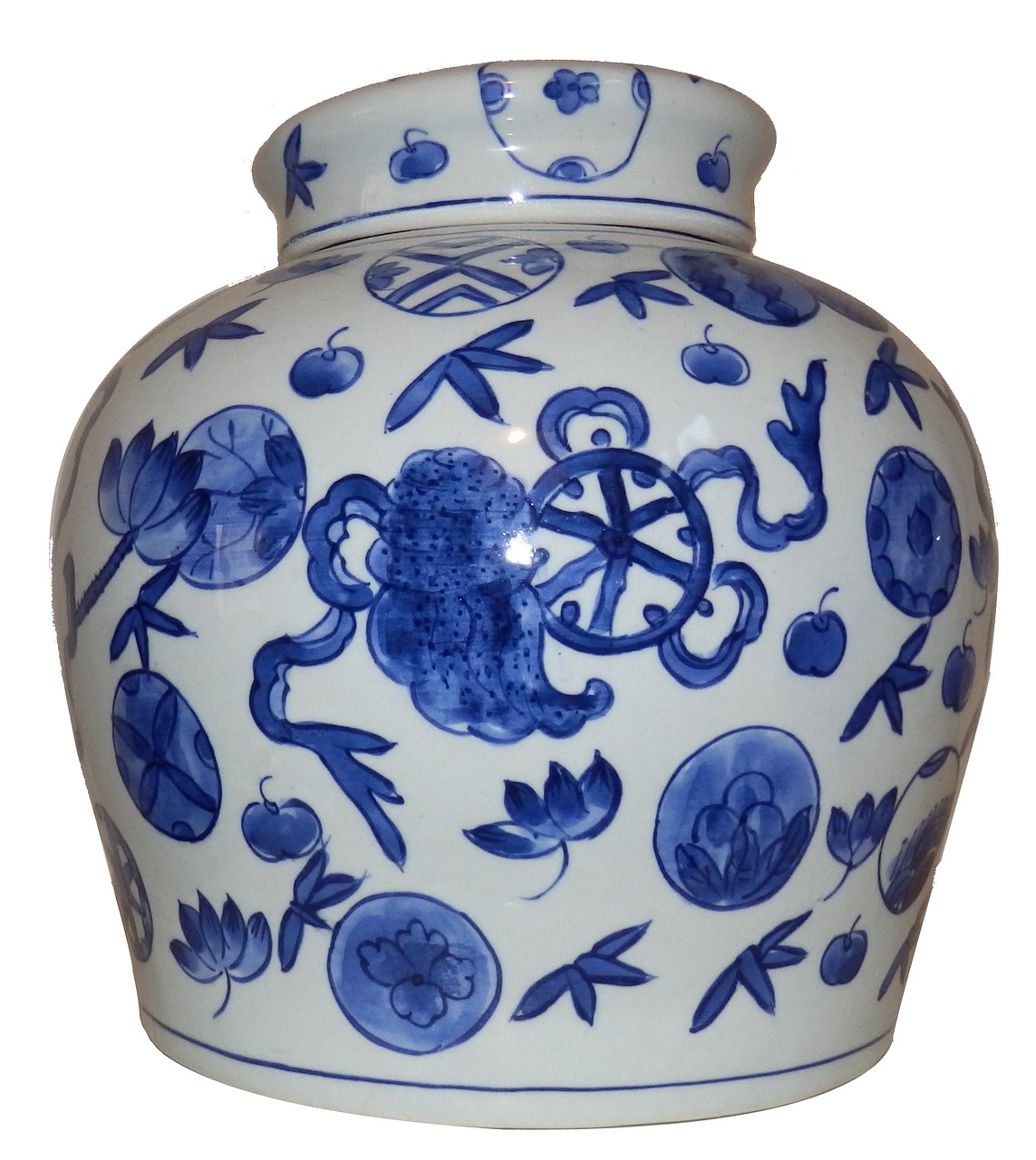
Photo from Pexels
Welcome to this episode of the London School of International Business podcast, where we're exploring the fascinating world of porcelain and ceramic restoration. I'm your host, and today we're diving into the crucial topic of Restoration Ethics and Professional Practice. This unit is a cornerstone of our Graduate Certificate in Porcelain and Ceramic Restoration, and for good reason - it's the foundation upon which all successful restorers build their careers.
As we delve into the world of restoration, it's essential to understand the historical context that has shaped our industry. From the meticulous craftsmen of ancient civilizations to the modern-day conservators, the art of restoration has evolved significantly over time. In the past, restorers often focused solely on the technical aspects of their work, but as our understanding of the cultural, historical, and emotional significance of artifacts has grown, so too has the importance of ethics and professional practice.
In today's world, restoration is no longer just about fixing a broken vase or repairing a damaged statue; it's about preserving our cultural heritage, respecting the intentions of the original creators, and ensuring that our work is sustainable and responsible. This is where Restoration Ethics and Professional Practice come in - it's the glue that holds our industry together, guiding us as we navigate complex decisions and challenging situations.
So, what does this mean in practical terms? How can you, as a restorer, apply the principles of Restoration Ethics and Professional Practice to your own work? One key strategy is to always prioritize the integrity of the artifact, avoiding any actions that could compromise its authenticity or damage its historical significance. This might mean resisting the temptation to over-restore or alter an item, even if it's tempting to do so. Instead, focus on preserving the original materials and techniques, using reversible methods and minimal intervention whenever possible.
Another essential aspect of Restoration Ethics and Professional Practice is communication - being transparent and honest with clients, stakeholders, and colleagues about your methods, materials, and intentions. This builds trust, ensures that everyone is on the same page, and helps to avoid misunderstandings or conflicts. For example, imagine you're working on a valuable porcelain vase, and you discover a hidden flaw that could affect its stability. By being open and transparent about your findings, you can work with the client to develop a plan that balances their needs with the need to preserve the artifact.
This is where Restoration Ethics and Professional Practice come in - it's the glue that holds our industry together, guiding us as we navigate complex decisions and challenging situations.
Of course, there are also common pitfalls to avoid, such as the pressure to meet tight deadlines or work within limited budgets. These constraints can sometimes lead restorers to take shortcuts or compromise on their standards, but it's essential to resist these temptations and stay true to your principles. Remember, the long-term consequences of unethical or unprofessional behavior can far outweigh any short-term gains.
As we conclude this episode, I want to leave you with a message of inspiration and encouragement. The world of porcelain and ceramic restoration is a rewarding and challenging field, full of opportunities to make a real difference in the world. By embracing the principles of Restoration Ethics and Professional Practice, you can build a successful and sustainable career, one that's grounded in integrity, respect, and a passion for preserving our cultural heritage.
If you've enjoyed this episode, I invite you to subscribe to our podcast, where we'll be exploring more topics related to porcelain and ceramic restoration. You can also share your thoughts and feedback with us on social media, using the hashtag #LSIBRestoration. And if you're interested in learning more about our Graduate Certificate in Porcelain and Ceramic Restoration, be sure to visit the London School of International Business website. Thank you for joining me on this journey, and I look forward to sharing more exciting stories and insights with you in the future.
Key takeaways
- This unit is a cornerstone of our Graduate Certificate in Porcelain and Ceramic Restoration, and for good reason - it's the foundation upon which all successful restorers build their careers.
- From the meticulous craftsmen of ancient civilizations to the modern-day conservators, the art of restoration has evolved significantly over time.
- This is where Restoration Ethics and Professional Practice come in - it's the glue that holds our industry together, guiding us as we navigate complex decisions and challenging situations.
- One key strategy is to always prioritize the integrity of the artifact, avoiding any actions that could compromise its authenticity or damage its historical significance.
- Another essential aspect of Restoration Ethics and Professional Practice is communication - being transparent and honest with clients, stakeholders, and colleagues about your methods, materials, and intentions.
- These constraints can sometimes lead restorers to take shortcuts or compromise on their standards, but it's essential to resist these temptations and stay true to your principles.
- By embracing the principles of Restoration Ethics and Professional Practice, you can build a successful and sustainable career, one that's grounded in integrity, respect, and a passion for preserving our cultural heritage.