
Examination and Analysis of Antique Textiles
Imagine being able to unravel the secrets of the past, to touch and feel the threads of history, and to bring the stories of antique textiles to life. Welcome to this episode of the Advanced Certificate in Antique Textile Conservation, wher…
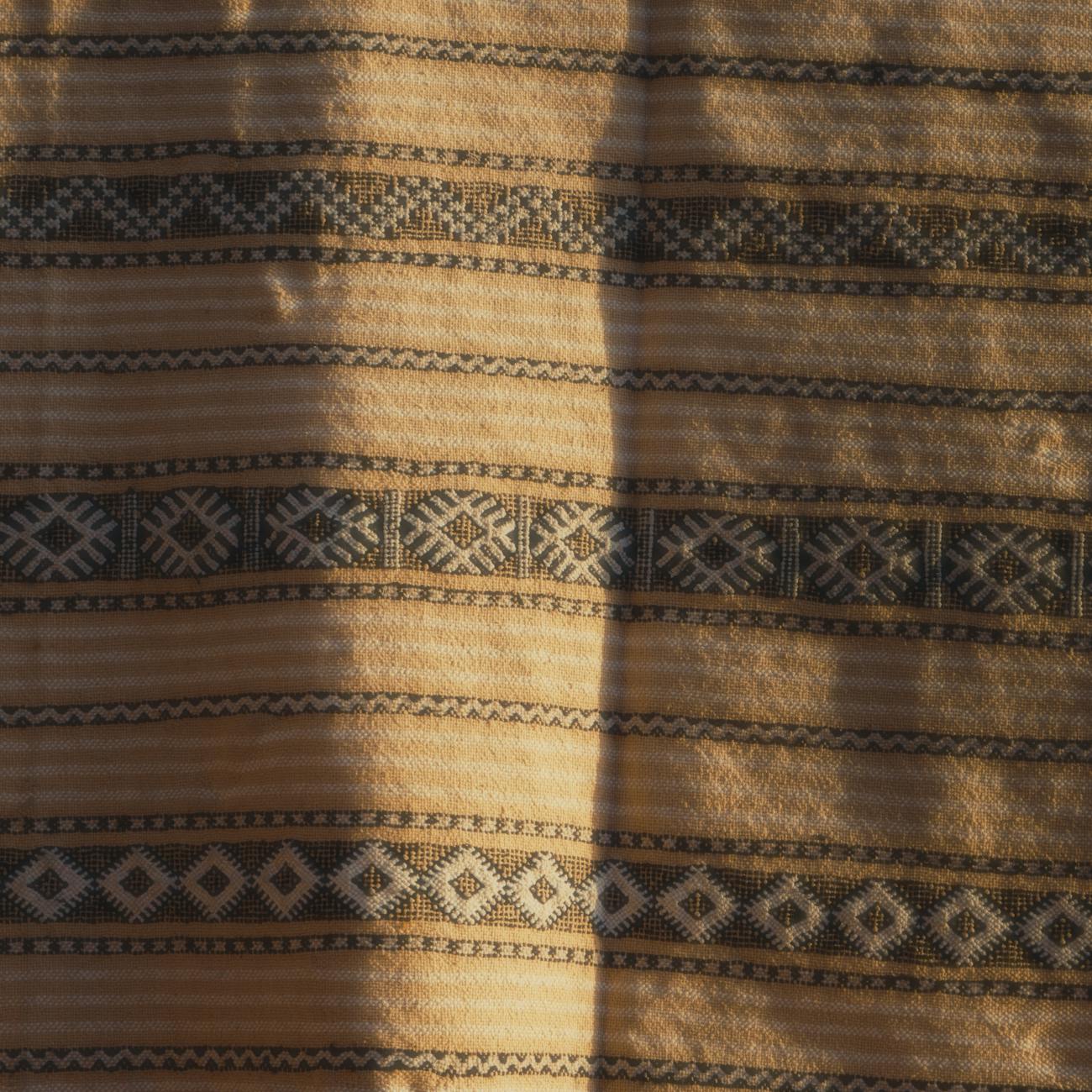
Photo by Hicham Chakir on Pexels
Imagine being able to unravel the secrets of the past, to touch and feel the threads of history, and to bring the stories of antique textiles to life. Welcome to this episode of the Advanced Certificate in Antique Textile Conservation, where we'll be diving into the fascinating world of Examination and Analysis of Antique Textiles. This unit is the backbone of our course, and for good reason - it's the key to understanding the intricacies, the nuances, and the hidden language of antique textiles.
As we delve into the world of examination and analysis, let's take a step back and appreciate the rich history that has led us to this point. From the ancient civilizations of Egypt, China, and Greece, to the modern-day conservation studios, the art of textile analysis has evolved significantly over time. We've come a long way from simply admiring the beauty of a textile to actually being able to read its story, thread by thread. The evolution of textile analysis has been shaped by advances in technology, changes in societal values, and the contributions of countless experts who have dedicated their lives to this field.
So, what does it mean to examine and analyze an antique textile? It's a bit like being a detective, searching for clues, and piecing together the puzzle of a textile's past. You need to consider the fibers, the dyes, the weaving techniques, and the overall condition of the textile to uncover its secrets. For instance, the discovery of a specific type of fiber can reveal the textile's origin, while the analysis of dyes can provide insight into the textile's age and historical context. By examining the fibers, you can determine if they're made from natural or synthetic materials, and if they've been treated or altered in any way. The dyes used can also provide valuable information, as certain dyes were only available during specific time periods or in specific regions.
As you embark on this journey of examination and analysis, you'll encounter a multitude of practical applications that will enhance your understanding and appreciation of antique textiles. For example, you might be working with a client who has inherited a vintage quilt, and they want to know its value, its history, and how to care for it. By applying the skills you've learned in this unit, you can provide them with a comprehensive report that not only satisfies their curiosity but also helps them make informed decisions about the textile's conservation and preservation. You can also use your knowledge to create personalized conservation plans, tailored to the specific needs of each textile, taking into account factors such as environmental conditions, handling, and storage.
You can also use your knowledge to create personalized conservation plans, tailored to the specific needs of each textile, taking into account factors such as environmental conditions, handling, and storage.
However, as with any skill, there are common pitfalls to avoid. One of the most significant mistakes is rushing into the examination process without proper preparation and equipment. This can lead to damage, misidentification, or contamination of the textile. Another pitfall is relying too heavily on technology, without considering the human touch and the importance of manual examination. To avoid these pitfalls, it's essential to develop a systematic approach to examination and analysis, one that combines cutting-edge technology with traditional techniques and a deep understanding of the textile's historical and cultural context.
As you continue on your journey of growth and exploration, remember that the art of examination and analysis is a lifelong learning process. It's a journey that requires patience, dedication, and a willingness to learn from others. Don't be afraid to ask questions, to seek guidance, and to share your own knowledge and experiences with others. The world of antique textile conservation is a vibrant and dynamic community, and by being part of it, you'll not only enhance your own skills but also contribute to the preservation of our cultural heritage.
So, what's next? We invite you to join us on this fascinating journey, to subscribe to our podcast, and to share your thoughts, ideas, and experiences with us. Whether you're a seasoned conservator or just starting out, we encourage you to engage with our community, to ask questions, and to explore the many resources available to you. Together, let's unravel the secrets of the past, and let's bring the stories of antique textiles to life. By doing so, you'll not only gain a deeper understanding of these incredible artifacts but also become part of a larger narrative that transcends time and culture.
Key takeaways
- Welcome to this episode of the Advanced Certificate in Antique Textile Conservation, where we'll be diving into the fascinating world of Examination and Analysis of Antique Textiles.
- The evolution of textile analysis has been shaped by advances in technology, changes in societal values, and the contributions of countless experts who have dedicated their lives to this field.
- For instance, the discovery of a specific type of fiber can reveal the textile's origin, while the analysis of dyes can provide insight into the textile's age and historical context.
- By applying the skills you've learned in this unit, you can provide them with a comprehensive report that not only satisfies their curiosity but also helps them make informed decisions about the textile's conservation and preservation.
- Another pitfall is relying too heavily on technology, without considering the human touch and the importance of manual examination.
- The world of antique textile conservation is a vibrant and dynamic community, and by being part of it, you'll not only enhance your own skills but also contribute to the preservation of our cultural heritage.
- Whether you're a seasoned conservator or just starting out, we encourage you to engage with our community, to ask questions, and to explore the many resources available to you.