
Introduction to Aviation and Aerospace Cyber Security
Introduction to Aviation and Aerospace Cyber Security
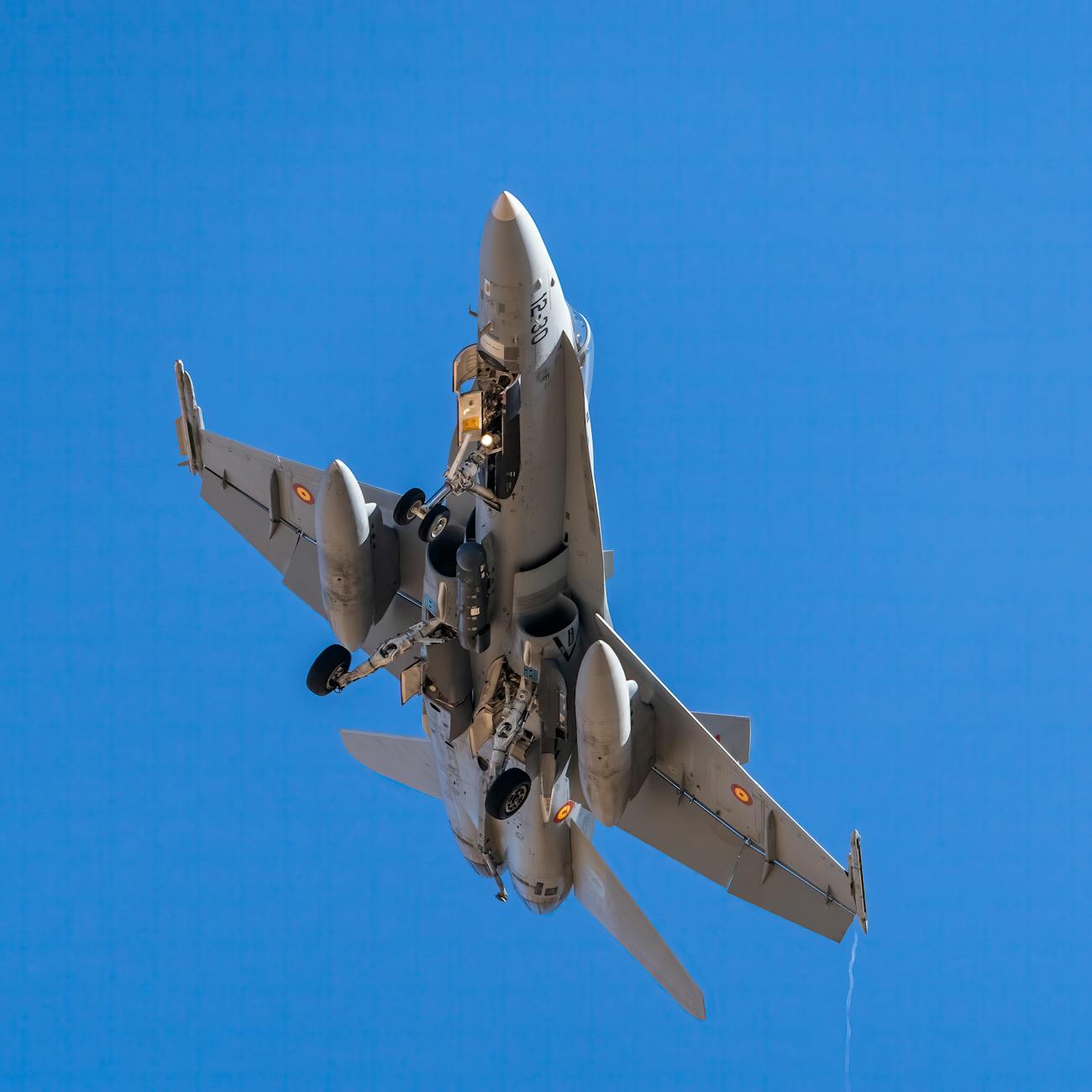
Introduction to Aviation and Aerospace Cyber Security
Cybersecurity has become a critical aspect of aviation and aerospace industries due to the increasing reliance on digital technologies. With the rise of interconnected systems and the Internet of Things (IoT), the aviation and aerospace sectors face a growing number of cyber threats that can compromise safety, security, and operations. This course provides an overview of key terms and vocabulary essential for understanding cybersecurity in aviation and aerospace.
1. Cybersecurity
Cybersecurity refers to the practice of protecting computer systems, networks, and data from cyber threats like hacking, malware, and unauthorized access. In the context of aviation and aerospace, cybersecurity plays a crucial role in safeguarding critical infrastructure, flight systems, and passenger information from cyber attacks.
2. Threat
A threat is a potential danger that can exploit vulnerabilities in a system and cause harm. In cybersecurity, threats can come in various forms, including malware, phishing attacks, and denial of service (DoS) attacks. Understanding and mitigating threats is essential for maintaining the security of aviation and aerospace systems.
3. Vulnerability
A vulnerability is a weakness in a system that can be exploited by a threat to compromise security. Vulnerabilities can arise from software bugs, misconfigurations, or human errors. Identifying and patching vulnerabilities is crucial for preventing cyber attacks in aviation and aerospace.
4. Risk
Risk in cybersecurity refers to the likelihood of a threat exploiting a vulnerability and the potential impact of such an exploit. Assessing and managing risks is a fundamental part of cybersecurity strategy in aviation and aerospace to prioritize resources and protect critical assets effectively.
5. Attack
An attack is a deliberate attempt to exploit vulnerabilities in a system to compromise security or disrupt operations. Cyber attacks in aviation and aerospace can target flight systems, passenger data, or air traffic control infrastructure, posing significant risks to safety and security.
6. Defense
Defense in cybersecurity involves implementing measures to protect systems, networks, and data from cyber threats. Defense mechanisms in aviation and aerospace may include firewalls, encryption, intrusion detection systems, and secure coding practices to prevent and mitigate cyber attacks.
7. Incident
An incident in cybersecurity refers to a security breach or unauthorized access to a system or network. Incidents in aviation and aerospace can have serious consequences, leading to data breaches, system failures, or disruptions in flight operations. Responding to and managing incidents is crucial for minimizing damage and restoring security.
8. Aviation Cyber Security
Aviation cyber security focuses on protecting aircraft, airports, air traffic control systems, and related infrastructure from cyber threats. With the increasing digitization of aviation systems, ensuring cybersecurity is essential for maintaining the safety and reliability of air travel.
9. Aerospace Cyber Security
Aerospace cyber security addresses the protection of spacecraft, satellites, defense systems, and other aerospace technologies from cyber threats. Securing aerospace systems is critical for national security, defense operations, and the success of space missions in an increasingly interconnected world.
10. Threat Intelligence
Threat intelligence involves gathering and analyzing information about cyber threats, attackers, and attack methods to enhance cybersecurity defenses. In aviation and aerospace, threat intelligence helps organizations stay ahead of emerging threats and proactively defend against cyber attacks.
11. Incident Response
Incident response is the process of detecting, analyzing, and responding to cybersecurity incidents in a timely and effective manner. In aviation and aerospace, incident response teams play a crucial role in investigating security breaches, containing threats, and restoring systems to normal operations.
12. Compliance
Compliance in cybersecurity refers to adhering to laws, regulations, and industry standards to protect sensitive information and maintain security best practices. Compliance requirements in aviation and aerospace help organizations meet security standards and ensure the integrity of critical systems and data.
13. Penetration Testing
Penetration testing, or pen testing, is a security assessment that simulates cyber attacks to identify vulnerabilities in systems and networks. In aviation and aerospace, pen testing helps organizations proactively assess their security posture, uncover weaknesses, and strengthen defenses against potential threats.
14. Encryption
Encryption is the process of encoding information to make it unreadable to unauthorized users. In aviation and aerospace, encryption is essential for securing sensitive data like flight plans, passenger information, and communication between aircraft and ground control to prevent interception and unauthorized access.
15. Multi-factor Authentication
Multi-factor authentication (MFA) is a security measure that requires users to provide multiple forms of identification to access systems or data. In aviation and aerospace, MFA adds an extra layer of protection to prevent unauthorized access to critical systems, flight controls, and sensitive information.
16. Zero Trust
Zero Trust is a security model that assumes all users, devices, and networks are potentially compromised and verifies every access request before granting permission. Implementing a Zero Trust approach in aviation and aerospace helps organizations reduce the risk of insider threats, unauthorized access, and data breaches.
17. Secure Coding
Secure coding involves writing software with security principles in mind to prevent vulnerabilities and reduce the risk of cyber attacks. In aviation and aerospace, secure coding practices are essential for developing reliable and secure systems that can withstand threats and protect critical assets from exploitation.
18. Supply Chain Security
Supply chain security focuses on securing the flow of goods, services, and information across the aviation and aerospace supply chain to prevent cyber attacks and disruptions. Ensuring supply chain security is critical for maintaining the integrity of aircraft components, software updates, and critical infrastructure.
19. Insider Threat
An insider threat is a security risk posed by individuals within an organization who misuse their access to systems or data for malicious purposes. In aviation and aerospace, insider threats can result in data breaches, sabotage, or unauthorized access to sensitive information, highlighting the importance of monitoring and mitigating internal risks.
20. Cyber Resilience
Cyber resilience refers to an organization's ability to withstand, respond to, and recover from cyber attacks or security incidents. Building cyber resilience in aviation and aerospace involves implementing robust security measures, conducting regular assessments, and preparing response plans to minimize the impact of cyber threats on operations and safety.
Conclusion
Understanding key terms and concepts in aviation and aerospace cybersecurity is essential for professionals working in the industry to protect critical systems, data, and infrastructure from cyber threats. By staying informed about cybersecurity best practices, emerging threats, and mitigation strategies, organizations can strengthen their defenses, enhance resilience, and ensure the safety and security of aviation and aerospace operations.
**Denial of Service (DoS) Attacks**
A Denial of Service (DoS) attack is a cyber-attack where the perpetrator seeks to make a machine or network resource unavailable to its intended users, typically by temporarily or indefinitely disrupting services of a host connected to the internet. This can be achieved by overwhelming the target with a flood of requests, thus consuming all available resources or by exploiting vulnerabilities in the system to cause it to crash.
One common example of a DoS attack is the Ping of Death, where the attacker sends an oversized ping packet to a target machine, causing it to crash. Another form of DoS attack is the Distributed Denial of Service (DDoS) attack, where multiple compromised systems are used to target a single system, overwhelming it with traffic.
**Man-in-the-Middle (MitM) Attacks**
A Man-in-the-Middle (MitM) attack is a form of cyber-attack where the attacker intercepts and possibly alters communications between two parties without their knowledge. This can be achieved by eavesdropping on the communication, impersonating one of the parties, or even injecting malicious content into the communication stream.
One common example of a MitM attack is when an attacker sets up a rogue Wi-Fi hotspot in a public place and intercepts all the traffic passing through it. This allows the attacker to capture sensitive information such as passwords or credit card details.
**Phishing**
Phishing is a type of cyber-attack where the attacker masquerades as a trustworthy entity to trick individuals into revealing sensitive information such as usernames, passwords, or credit card details. This is typically done through email or instant messaging, where the victim is directed to a fake website that looks legitimate, but is actually controlled by the attacker.
For example, an attacker may send an email posing as a bank, asking the recipient to log in to their account to resolve an issue. The link provided in the email leads to a fake website that captures the victim's login credentials.
**Malware**
Malware, short for malicious software, is any software designed to disrupt, damage, or gain unauthorized access to a computer system. This includes viruses, worms, trojans, ransomware, spyware, adware, and more. Malware can be delivered through various means, such as email attachments, infected websites, or USB drives.
One common example of malware is ransomware, which encrypts the victim's files and demands a ransom for the decryption key. Another example is a keylogger, which records keystrokes to steal sensitive information like passwords.
**Firewalls**
A firewall is a network security system that monitors and controls incoming and outgoing network traffic based on predetermined security rules. It acts as a barrier between a trusted internal network and an untrusted external network, filtering traffic to prevent unauthorized access and protect against cyber-attacks.
Firewalls can be hardware-based or software-based, and are essential for safeguarding systems and networks from threats such as malware, DoS attacks, and unauthorized access attempts. They can be configured to block specific types of traffic, restrict access to certain websites, or log and report suspicious activity.
**Intrusion Detection System (IDS)**
An Intrusion Detection System (IDS) is a security tool that monitors network or system activities for malicious activities or policy violations. It detects suspicious patterns or anomalies that may indicate a security breach and alerts the system administrator.
There are two main types of IDS: network-based IDS (NIDS) and host-based IDS (HIDS). NIDS monitors network traffic for signs of attacks, while HIDS monitors activities on individual devices for signs of compromise. IDS can be signature-based, where it looks for known patterns of attacks, or anomaly-based, where it detects deviations from normal behavior.
**Intrusion Prevention System (IPS)**
An Intrusion Prevention System (IPS) is a security tool that monitors network or system activities for malicious activities or policy violations and takes action to prevent them. Unlike an IDS, which only alerts the system administrator, an IPS can automatically block or mitigate threats in real-time.
IPS can be network-based (NIPS) or host-based (HIPS), and can use signature-based or anomaly-based detection methods. By actively blocking threats before they reach the target system, IPS provides an additional layer of defense against cyber-attacks.
**Encryption**
Encryption is the process of encoding information in such a way that only authorized parties can access it. It is used to protect sensitive data from unauthorized access or tampering. Encryption converts plain text into ciphertext using an encryption algorithm and a key, which is needed to decrypt the information.
There are two main types of encryption: symmetric encryption, where the same key is used for both encryption and decryption, and asymmetric encryption, where a public key is used to encrypt data and a private key is used to decrypt it. Encryption is essential for securing communications, protecting data at rest, and ensuring privacy in digital transactions.
**Public Key Infrastructure (PKI)**
Public Key Infrastructure (PKI) is a set of policies, processes, and technologies used to manage digital certificates and public-private key pairs. It enables secure communication and authentication over insecure networks, such as the internet. PKI provides a framework for issuing, distributing, revoking, and verifying digital certificates.
In PKI, a trusted third party known as a Certificate Authority (CA) issues digital certificates that bind public keys to the identity of the certificate holder. These certificates are used to verify the authenticity of a party in a communication, ensuring confidentiality, integrity, and non-repudiation.
**Multi-factor Authentication (MFA)**
Multi-factor Authentication (MFA) is a security process that requires more than one method of authentication to verify the identity of a user. It adds an extra layer of security beyond traditional username and password combinations, making it harder for unauthorized users to access systems or data.
MFA typically involves something the user knows (such as a password), something the user has (such as a smartphone or token), and something the user is (such as a fingerprint or facial recognition). By combining multiple factors, MFA strengthens the security of authentication systems and reduces the risk of unauthorized access.
**Zero Trust Security Model**
The Zero Trust security model is a cybersecurity approach that assumes no entity, whether inside or outside the network, can be trusted by default. It challenges the traditional perimeter-based security model and emphasizes the need to verify and authenticate every user and device trying to access resources, regardless of their location.
Zero Trust relies on principles such as least privilege access, where users are only granted the minimum level of access necessary to perform their tasks, and continuous authentication, where users are constantly verified throughout their session. This model helps organizations defend against insider threats, lateral movement attacks, and other advanced threats.
**Incident Response**
Incident Response is a structured approach to addressing and managing the aftermath of a security breach or cyber-attack. It involves detecting, analyzing, containing, eradicating, and recovering from the incident to minimize damage and restore normal operations.
An Incident Response Plan outlines the roles and responsibilities of the incident response team, the steps to be taken during a security incident, and the tools and resources needed to investigate and remediate the incident. By preparing for potential security incidents in advance, organizations can respond effectively and mitigate the impact of cyber-attacks.
**Vulnerability Assessment**
Vulnerability Assessment is the process of identifying, quantifying, and prioritizing vulnerabilities in a system or network. It involves scanning systems for weaknesses, assessing the risk associated with each vulnerability, and recommending remediation actions to mitigate the risk.
Vulnerability Assessment tools scan networks, applications, and devices for known vulnerabilities, misconfigurations, or security weaknesses. The results of the assessment help organizations identify and prioritize security issues, allocate resources effectively, and improve their overall security posture.
**Penetration Testing**
Penetration Testing, also known as pen testing or ethical hacking, is a simulated cyber-attack on a computer system or network to evaluate its security. It involves identifying vulnerabilities, exploiting them to gain access to the target system, and providing recommendations for remediation.
Penetration Testing can be performed manually by skilled security professionals or using automated tools. It helps organizations identify weaknesses in their defenses, validate the effectiveness of security controls, and improve their resilience against real-world threats.
**Social Engineering**
Social Engineering is the art of manipulating individuals into divulging confidential information or performing actions that compromise security. It relies on psychological manipulation rather than technical exploits to deceive people into revealing sensitive information.
Common techniques used in social engineering include phishing, pretexting, baiting, and tailgating. Attackers may impersonate trusted entities, create a sense of urgency, or exploit human emotions to trick individuals into disclosing passwords, personal data, or access to secure areas.
**Insider Threat**
An Insider Threat is a security risk posed by individuals within an organization who have privileged access to sensitive information or systems. This includes employees, contractors, or business partners who intentionally or unintentionally misuse their access to compromise security.
Insider Threats can result from disgruntled employees seeking revenge, negligent employees falling victim to social engineering attacks, or unwitting employees who inadvertently leak confidential information. Organizations must implement strict access controls, monitoring, and training to mitigate the risk of insider threats.
**Supply Chain Security**
Supply Chain Security is the practice of ensuring the security of the components, products, and services that make up the supply chain. This includes identifying and mitigating risks associated with third-party vendors, suppliers, and partners that could compromise the security of an organization.
Supply Chain Security involves assessing the security posture of vendors, implementing security requirements in contracts, monitoring third-party activities, and responding to security incidents that affect the supply chain. By securing the end-to-end supply chain, organizations can reduce the risk of supply chain attacks and protect their assets.
**Cyber Resilience**
Cyber Resilience is the ability of an organization to prepare for, respond to, and recover from cyber-attacks while maintaining normal operations. It involves implementing proactive measures to prevent security incidents, as well as developing incident response and recovery plans to minimize the impact of attacks.
Cyber Resilience encompasses a range of strategies, including regular security assessments, employee training, incident response planning, backup and recovery procedures, and continuous monitoring of systems and networks. By building cyber resilience, organizations can adapt to evolving threats and maintain business continuity in the face of cyber-attacks.
**Conclusion**
In conclusion, understanding key terms and concepts in aviation and aerospace cyber security is essential for safeguarding critical systems and data from cyber threats. By familiarizing yourself with topics such as Denial of Service attacks, Malware, Encryption, Incident Response, and Supply Chain Security, you can better protect aviation and aerospace assets from cyber-attacks. Remember to stay informed about emerging threats, implement best practices for cybersecurity, and collaborate with industry stakeholders to enhance the resilience of aviation and aerospace systems against cyber threats.
Key takeaways
- With the rise of interconnected systems and the Internet of Things (IoT), the aviation and aerospace sectors face a growing number of cyber threats that can compromise safety, security, and operations.
- In the context of aviation and aerospace, cybersecurity plays a crucial role in safeguarding critical infrastructure, flight systems, and passenger information from cyber attacks.
- In cybersecurity, threats can come in various forms, including malware, phishing attacks, and denial of service (DoS) attacks.
- Identifying and patching vulnerabilities is crucial for preventing cyber attacks in aviation and aerospace.
- Assessing and managing risks is a fundamental part of cybersecurity strategy in aviation and aerospace to prioritize resources and protect critical assets effectively.
- Cyber attacks in aviation and aerospace can target flight systems, passenger data, or air traffic control infrastructure, posing significant risks to safety and security.
- Defense mechanisms in aviation and aerospace may include firewalls, encryption, intrusion detection systems, and secure coding practices to prevent and mitigate cyber attacks.