
Maternal Diet and Infant Gut Microbiome
Maternal diet refers to the total composition of foods and nutrients consumed by a pregnant or lactating woman. The quality, timing, and diversity of these foods influence the biochemical milieu that the developing fetus and newborn encount…
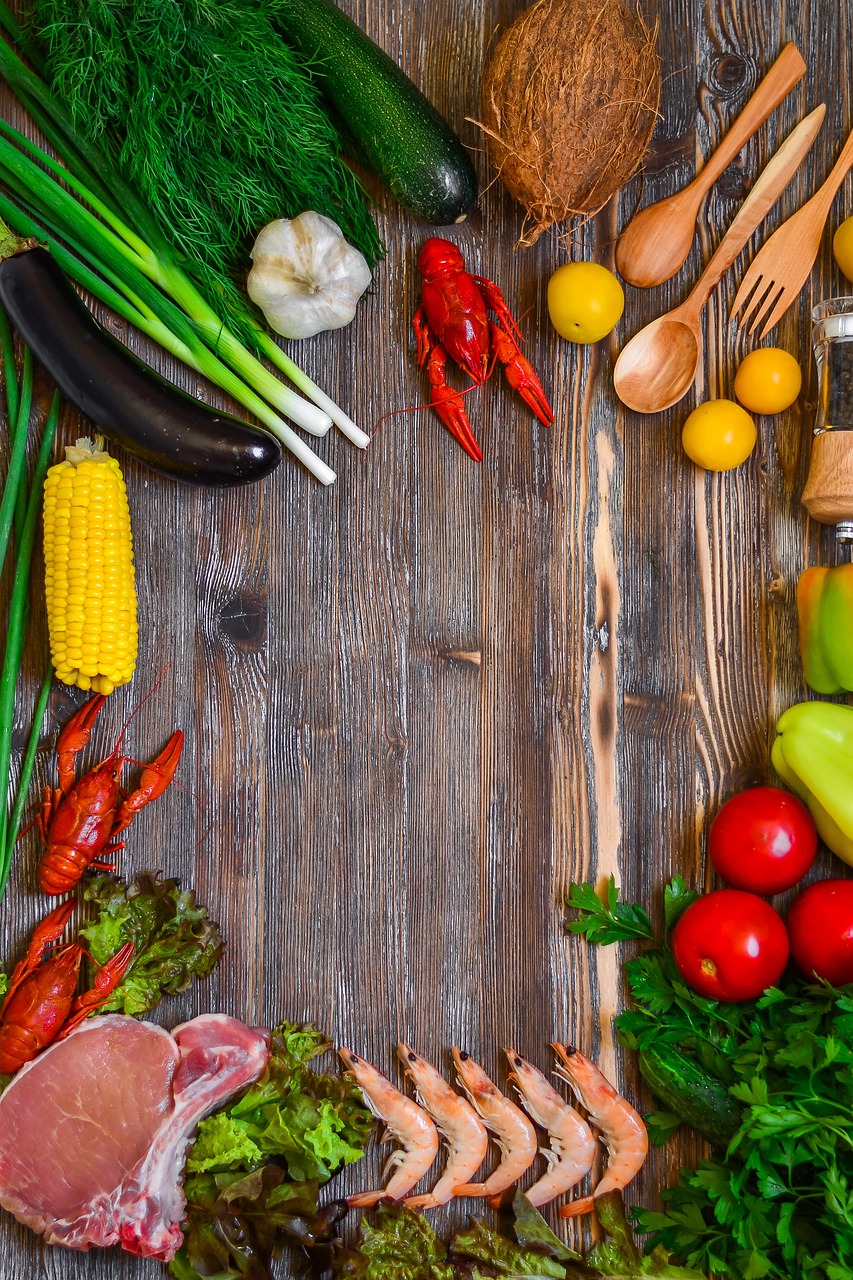
Maternal diet refers to the total composition of foods and nutrients consumed by a pregnant or lactating woman. The quality, timing, and diversity of these foods influence the biochemical milieu that the developing fetus and newborn encounter. Understanding the language used to describe these nutritional components is essential for professionals who aim to support infant digestive health through maternal nutrition strategies.
Macronutrients are the three primary categories of nutrients that provide energy: Carbohydrates, proteins, and fats. Each macronutrient plays a distinct role in fetal growth and in shaping the infant gut environment after birth. For example, high‑quality protein sources such as legumes, lean meats, and dairy supply essential amino acids that are precursors for the synthesis of gut‑derived peptides and immune factors. Carbohydrates, especially those rich in dietary fiber, are fermented by maternal gut bacteria, producing metabolites that cross the placenta and may influence neonatal gut colonisation. Fats, particularly long‑chain polyunsaturated fatty acids (PUFAs) like docosahexaenoic acid (DHA), are incorporated into cell membranes and are critical for the development of the infant’s intestinal barrier.
Micronutrients are vitamins and minerals required in smaller quantities but are indispensable for enzymatic reactions, gene expression, and immune modulation. Iron, folate, zinc, vitamin D, and vitamin B12 are among the most frequently discussed micronutrients in relation to maternal diet and infant gut health. Iron deficiency, for instance, can alter the maternal microbiome composition, reducing the abundance of beneficial bacterial groups that produce short‑chain fatty acids (SCFAs). These SCFAs, when transferred to the fetus, may support the maturation of the infant’s intestinal epithelium and promote tolerance to commensal microbes.
Dietary fiber is a collective term for non‑digestible carbohydrate polymers found in plant foods. Fiber is classified into soluble and insoluble types based on its ability to dissolve in water. Soluble fiber, such as pectin and beta‑glucan, is readily fermented by gut bacteria, leading to the production of SCFAs like acetate, propionate, and butyrate. Insoluble fiber, such as cellulose, adds bulk to stool and can accelerate intestinal transit. In the context of maternal nutrition, a diet rich in both soluble and insoluble fiber enhances maternal gut microbial diversity, which is associated with a more balanced vertical transmission of microbes during birth.
Prebiotics are selectively fermentable substrates that stimulate the growth or activity of beneficial bacteria. Common prebiotic compounds include inulin, fructooligosaccharides (FOS), and galactooligosaccharides (GOS). When a pregnant woman consumes prebiotic‑rich foods such as chicory root, onions, garlic, and asparagus, the resulting increase in specific beneficial taxa (e.G., Bifidobacterium spp.) Can be transferred to the infant during vaginal delivery or through breastfeeding. This transfer may accelerate the establishment of a protective microbial community in the newborn’s gut.
Probiotics are live microorganisms that, when administered in adequate amounts, confer a health benefit on the host. The most studied probiotic genera for maternal‑infant health are Lactobacillus and Bifidobacterium. Supplementation of pregnant women with probiotic strains such as Lactobacillus rhamnosus GG or Bifidobacterium lactis BB‑12 has been shown in several randomized trials to reduce the incidence of infant colic, lower the risk of allergic dermatitis, and modulate gut microbial composition toward a more anti‑inflammatory profile. It is important to note that probiotic efficacy is strain‑specific, and the selection of appropriate strains must consider safety, dosage, and timing relative to gestational age.
Synbiotics combine prebiotic substrates with probiotic organisms to create a synergistic effect. For example, a supplement containing both inulin (prebiotic) and Lactobacillus plantarum may improve colonisation of the probiotic strain by providing a preferential food source. In maternal nutrition programs, synbiotic formulations are increasingly used to support both maternal gut health and to influence the microbial seeding of the infant.
Gut microbiome encompasses the entire community of microorganisms—bacteria, archaea, fungi, viruses, and protozoa—inhabiting the gastrointestinal tract. In the infant, the gut microbiome is dynamic, undergoing rapid changes in composition and function during the first three years of life. The maternal diet can shape the infant’s microbiome directly through microbial transfer during delivery and indirectly through breast milk composition, which contains both microbial cells and bioactive metabolites.
Vertical transmission describes the passage of microorganisms from mother to child. This process occurs via several pathways: (1) During vaginal birth, where the infant is exposed to the maternal vaginal and fecal microbiota; (2) through breast milk, which contains live bacteria and immune factors; (3) via skin‑to‑skin contact, which transfers skin‑associated microbes; and (4) through the intrauterine environment, where emerging evidence suggests that low‑abundance bacterial DNA may be present in the placenta and amniotic fluid. Each route contributes to the initial inoculum that seeds the newborn’s gut.
Mode of delivery is a critical determinant of early microbial exposure. Infants born via vaginal delivery typically acquire a microbiota dominated by Lactobacillus, Prevotella, and Bacteroides species, reflecting the mother’s vaginal and intestinal flora. In contrast, infants delivered by cesarean section often exhibit a microbiota enriched with skin‑associated microbes such as Staphylococcus and Corynebacterium, as well as environmental bacteria from the operating room. This distinction can persist for months and may be linked to differences in immune development, metabolic programming, and risk of allergic disease.
Breastfeeding provides not only nutrition but also a complex array of bioactive components that shape the infant gut microbiome. Human milk contains oligosaccharides (HMOs), which are indigestible by the infant but serve as selective substrates for beneficial bacteria, especially Bifidobacterium longum subsp. Infantis. HMOs also function as decoy receptors, preventing pathogen adhesion to the intestinal epithelium. In addition, breast milk delivers maternal antibodies (IgA), antimicrobial peptides, and cytokines that modulate microbial colonisation and immune tolerance.
Human milk oligosaccharides (HMOs) constitute the third most abundant solid component of human milk after lactose and fat. More than 200 structurally distinct HMOs have been identified, each varying in degree of polymerisation, fucosylation, and sialylation. The composition of HMOs can be influenced by maternal genetics (e.G., Secretor status), diet, and health status. For instance, a diet high in fiber may increase the concentration of certain fucosylated HMOs, thereby promoting the growth of fucose‑utilising bifidobacteria in the infant gut.
Formula feeding introduces a different set of nutrients and microbial exposures compared to breast milk. Commercial infant formulas are increasingly fortified with prebiotic fibers such as GOS and FOS, and some contain added probiotic strains. While these additions can partially mimic the microbiota‑modulating effects of breast milk, they rarely achieve the same diversity and functional capacity. Understanding the limitations of formula feeding is essential for professionals advising mothers who cannot breastfeed, ensuring that they select formulas with evidence‑based microbiome‑supportive ingredients.
Weaning marks the transition from exclusive milk feeding to the introduction of solid foods. The timing, diversity, and composition of complementary foods can dramatically reshape the infant gut microbiome. Introduction of fiber‑rich foods (e.G., Pureed fruits, vegetables, whole grains) encourages the proliferation of saccharolytic bacteria that produce SCFAs, which in turn strengthen the gut barrier and modulate immune responses. Conversely, early introduction of high‑sugar or highly processed foods may promote the growth of opportunistic pathobionts and predispose the infant to metabolic dysregulation.
Dysbiosis is a term used to describe an imbalance in the composition or function of the gut microbiota. In infants, dysbiosis may manifest as reduced microbial diversity, over‑representation of potentially harmful taxa (e.G., Enterobacteriaceae), or diminished production of beneficial metabolites such as SCFAs. Maternal dietary factors such as excessive intake of saturated fats, refined sugars, or low fiber can contribute to dysbiosis by altering the maternal microbiome, which then influences the infant’s microbial colonisation.
Short‑chain fatty acids (SCFAs) are the main metabolic products of microbial fermentation of dietary fibers. The three most abundant SCFAs—acetate, propionate, and butyrate—play pivotal roles in maintaining intestinal health. Acetate serves as a substrate for cholesterol synthesis, propionate influences gluconeogenesis, and butyrate is the primary energy source for colonocytes, supporting mucosal integrity. In the neonatal period, SCFAs also act as signalling molecules that communicate with the immune system, promoting regulatory T‑cell development and limiting inflammatory responses.
Immune tolerance refers to the ability of the immune system to recognise and accept beneficial microbial and dietary antigens while mounting protective responses against pathogens. The establishment of immune tolerance in early life is heavily dependent on microbial cues derived from the gut. Maternal diet‑induced changes in the infant microbiome can either facilitate or hinder this process. For example, a diet high in omega‑3 fatty acids can increase the proportion of anti‑inflammatory bacterial species, thereby supporting the development of tolerogenic immune pathways.
Omega‑3 fatty acids are a subclass of PUFAs that include eicosapentaenoic acid (EPA) and DHA. These fatty acids are incorporated into cell membranes of both maternal and fetal tissues, influencing membrane fluidity and the production of eicosanoids. In the context of gut health, omega‑3s have been shown to modulate the composition of the maternal microbiome, reducing the abundance of pro‑inflammatory taxa such as Firmicutes with high endotoxin potential. The downstream effect may be a more balanced microbial profile in the infant, contributing to reduced risk of allergic sensitisation.
Glycemic index (GI) quantifies the rate at which carbohydrate‑containing foods raise blood glucose levels. Foods with a low GI produce a slower, more gradual glucose response, which can help maintain stable insulin levels. Maternal consumption of low‑GI foods may reduce hyperglycaemic spikes, thereby limiting inflammation and preserving a healthy gut microbial ecosystem. Conversely, diets high in high‑GI foods (e.G., Refined sugars, white bread) can promote dysbiosis by fostering the growth of fast‑growing, potentially pathogenic bacteria.
Maternal obesity is a condition characterised by excess adipose tissue, often measured by body mass index (BMI) greater than 30 kg/m² before or during pregnancy. Obesity is associated with chronic low‑grade inflammation, altered hormone levels, and a distinct gut microbiota profile that is less diverse and enriched in Firmicutes. These changes can be transmitted to the infant, increasing the child’s susceptibility to metabolic disorders, obesity, and gut‑related diseases later in life. Nutritional interventions aimed at weight management and improving diet quality are therefore essential components of maternal‑infant health programs.
Gestational diabetes mellitus (GDM) is a form of glucose intolerance that arises during pregnancy. GDM can modify the maternal microbiome by promoting the overgrowth of certain Gram‑negative bacteria that produce endotoxins. The resulting endotoxin load may cross the placenta, influencing fetal immune development and gut colonisation. Dietary strategies for managing GDM include carbohydrate restriction, increased fiber intake, and the use of low‑GI foods, all of which can positively affect both maternal metabolic control and infant microbiome outcomes.
Epigenetics involves heritable changes in gene expression that do not alter the underlying DNA sequence. Nutrients such as folate, choline, and B vitamins serve as methyl donors that influence DNA methylation patterns. Early‑life microbial metabolites, especially SCFAs, can also act as epigenetic modulators by inhibiting histone deacetylases. Consequently, maternal diet and the resulting infant gut microbiome can have lasting effects on the child’s gene expression related to metabolism, immunity, and intestinal development.
Enteric nervous system (ENS) is the network of neurons embedded in the gastrointestinal tract wall that regulates motility, secretion, and blood flow. The ENS communicates bidirectionally with the gut microbiota through microbial metabolites, neurotransmitters, and immune signalling. Maternal nutrition that supports a healthy microbiome can enhance ENS development, leading to more efficient peristalsis and reduced risk of functional gastrointestinal disorders such as infant colic or constipation.
Colonisation resistance describes the ability of a stable, diverse microbial community to prevent the overgrowth of pathogenic organisms. A well‑balanced infant microbiome provides colonisation resistance by competing for nutrients, producing antimicrobial compounds, and stimulating host immune defenses. Maternal dietary patterns that favour the growth of protective bacterial groups (e.G., Bifidobacterium, Lactobacillus) contribute to stronger colonisation resistance in the newborn.
Pathobiont is a term for a normally commensal organism that can become harmful under certain conditions, such as dysbiosis or immune compromise. Examples include certain strains of Escherichia coli and Clostridium difficile. Maternal diets low in fiber and high in processed foods can create an environment conducive to pathobiont expansion, which may be transmitted to the infant and increase the risk of infections or inflammatory bowel conditions.
Metabolomics is the comprehensive study of small‑molecule metabolites within a biological system. In the context of maternal‑infant nutrition, metabolomic profiling of maternal blood, urine, or milk can reveal the presence of microbial‑derived metabolites such as SCFAs, indole derivatives, and bile acids. These metabolites serve as biomarkers of microbiome activity and can be used to assess the impact of dietary interventions on both mother and child.
Microbial diversity refers to the variety of microbial species present in a given ecosystem. Diversity is commonly measured by alpha‑diversity indices (e.G., Shannon, Simpson) that reflect species richness and evenness within a single sample. High microbial diversity in the infant gut is generally associated with resilience, functional redundancy, and better health outcomes. Maternal consumption of diverse plant‑based foods, fermented products, and fiber‑rich meals tends to increase maternal microbial diversity, which can be transferred to the infant during birth and through lactation.
Fermented foods are foods that have undergone microbial fermentation, resulting in the production of lactic acid, ethanol, or other metabolites. Common examples include yogurt, kefir, sauerkraut, kimchi, and miso. These foods provide both live microorganisms (potential probiotics) and bioactive compounds that can modulate the maternal gut environment. Regular inclusion of fermented foods in the maternal diet has been linked to increased abundance of Lactobacillus spp. And improved tolerance to new foods in infants during weaning.
Maternal microbiome encompasses the collection of microorganisms inhabiting the mother’s gastrointestinal tract, oral cavity, skin, and reproductive tract. The maternal microbiome serves as the primary source of microbes for the infant, and its composition is highly responsive to dietary inputs. For instance, a diet rich in polyphenols (found in berries, tea, and cocoa) can promote the growth of specific bacterial groups that metabolise these compounds into bioactive phenolic acids, which may then be transferred to the infant via the placenta or breast milk.
Polyphenols are plant‑derived secondary metabolites with antioxidant and anti‑inflammatory properties. Examples include flavonoids, phenolic acids, and stilbenes. Polyphenols are poorly absorbed in the upper gastrointestinal tract, allowing them to reach the colon where they are metabolised by gut bacteria into smaller phenolic metabolites. These metabolites can influence microbial community structure, favoring the growth of beneficial taxa while suppressing opportunistic pathogens. Maternal intake of polyphenol‑rich foods may thus indirectly shape the infant microbiome.
Prebiotic‑rich foods such as chicory root, Jerusalem artichoke, bananas, and oats contain high levels of inulin‑type fructans. Consuming these foods during pregnancy can increase the relative abundance of Bifidobacterium and Faecalibacterium, both of which are associated with anti‑inflammatory effects and improved gut barrier function. The resulting microbial profile may be reflected in the infant’s stool, where higher counts of bifidobacteria are linked to reduced incidence of diarrheal disease.
Antibiotic exposure during pregnancy or the perinatal period can profoundly disrupt the maternal and infant microbiota. Antibiotics reduce bacterial load, diminish diversity, and may allow resistant strains to dominate. While antibiotics are sometimes necessary, judicious use, timing, and consideration of narrow‑spectrum agents can mitigate long‑term impacts on the infant gut. Post‑antibiotic probiotic supplementation and increased dietary fiber can aid in microbiota recovery.
Cesarean‑section (C‑section) microbiota restoration is an emerging practice that aims to expose C‑section‑born infants to maternal vaginal microbes. This is typically performed by swabbing the newborn with sterile gauze that has been soaked in the mother’s vaginal secretions. Although initial studies suggest partial restoration of bacterial taxa, the technique remains controversial, and the long‑term health implications are still under investigation. Professionals must weigh the benefits against potential risks of pathogen transmission.
Microbial colonisation window refers to the critical period shortly after birth when the infant’s gut is highly receptive to microbial seeding. During this window, factors such as mode of delivery, feeding method, and environmental exposures have amplified effects on the eventual composition of the gut microbiome. Interventions aimed at optimising maternal diet and promoting beneficial microbial exposure should be targeted within this window to achieve maximal impact.
Immune‑modulating metabolites include SCFAs, indole‑3‑propionic acid, and tryptophan‑derived catabolites. These compounds interact with host receptors such as G‑protein‑coupled receptors (e.G., GPR43) and aryl hydrocarbon receptors (AHR), influencing the differentiation of immune cells. For example, butyrate activation of GPR43 on regulatory T‑cells enhances their suppressive function, fostering tolerance toward commensal bacteria. Maternal diets that increase the production of these metabolites can thus shape the infant’s immune landscape.
Enteric infection risk in infants is modulated by the composition of the gut microbiota. A diverse and balanced microbiome can outcompete pathogenic bacteria for nutrients and attachment sites, reducing the likelihood of infections such as rotavirus or bacterial gastroenteritis. Maternal nutritional strategies that promote a robust infant microbiome—through fiber intake, probiotic supplementation, and avoidance of unnecessary antibiotics—are essential components of infection prevention protocols.
Allergic disease predisposition has been linked to early‑life microbial patterns. Infants with reduced bifidobacterial abundance and lower SCFA levels are at higher risk for eczema, asthma, and food allergies. Maternal diet interventions that increase bifidobacterial colonisation—such as high‑fiber, low‑sugar meals and targeted probiotic use—can therefore serve as preventative measures against allergic disease development.
Metabolic programming describes the concept that early nutritional and microbial exposures can set the trajectory for an individual’s metabolic health. Evidence suggests that infants exposed to a maternal diet high in saturated fat and low in fiber may develop a gut microbiome that predisposes them to insulin resistance, obesity, and dyslipidaemia later in life. Conversely, a diet emphasizing omega‑3 fatty acids, complex carbohydrates, and plant‑based proteins can promote a microbiome that supports metabolic homeostasis.
Maternal supplementation guidelines provide evidence‑based recommendations for nutrient intakes during pregnancy and lactation. Key recommendations include: Daily intake of 400 µg folic acid; iron supplementation of 30 mg for most pregnant women; DHA supplementation of 200–300 mg; and probiotic intake of at least 1 × 10⁹ CFU per day of well‑studied strains. These guidelines are designed to optimise maternal health, support fetal development, and influence the infant gut microbiome positively.
Practical application: Meal planning—When constructing a weekly menu for a pregnant client, a professional might incorporate a variety of fiber‑rich foods such as lentils, quinoa, berries, and leafy greens. A sample breakfast could feature oatmeal topped with sliced banana and a spoonful of kefir, providing both soluble fiber and live probiotic cultures. A mid‑day meal might consist of grilled salmon with a side of roasted Brussels sprouts, delivering omega‑3 fatty acids and polyphenols. Evening snacks could include a small portion of dark chocolate (rich in flavonoids) alongside a handful of almonds, offering healthy fats and additional fiber.
Practical application: Probiotic selection—Choosing a probiotic supplement for a lactating mother requires attention to strain specificity, dosage, and safety profile. For instance, a product containing Lactobacillus reuteri DSM 17938 has been studied for its ability to reduce infant colic episodes when administered to the mother during breastfeeding. The recommended dose is 1 × 10⁸ CFU daily, taken with a meal to enhance survival through gastric acidity. The practitioner should verify that the product is free of allergens and has been stored according to the manufacturer’s instructions to maintain viability.
Practical application: Monitoring outcomes—To assess the effectiveness of a maternal nutrition intervention on infant gut health, clinicians can track several indicators: Infant stool consistency and frequency, incidence of gastrointestinal symptoms (e.G., Colic, reflux), growth parameters (weight‑for‑age, length‑for‑age), and, where available, stool microbiota analysis using 16S rRNA sequencing. Improvements in stool softness and a higher proportion of bifidobacteria in the infant’s stool are considered positive signs of a beneficial microbiome shift.
Challenges: Cultural dietary preferences—Maternal nutrition programs must respect cultural food traditions while encouraging microbiome‑friendly choices. For example, in regions where white rice is a staple, a nutritionist can suggest pairing rice with fiber‑rich legumes or incorporating fermented foods like tempeh to enhance microbial diversity. Sensitivity to food taboos, religious restrictions, and socioeconomic constraints is essential for achieving adherence and meaningful health outcomes.
Challenges: Limited access to high‑quality foods—In low‑resource settings, availability of fresh fruits, vegetables, and probiotic‑containing dairy products may be restricted. Strategies to overcome these barriers include promoting locally sourced, seasonal produce, teaching preservation techniques (e.G., Fermentation of cabbage into sauerkraut), and advocating for community‑level interventions such as nutrition gardens. Partnerships with local health agencies can facilitate the distribution of affordable fortified foods and supplements.
Challenges: Misinformation and marketing claims—The market is saturated with products that claim to support infant gut health, many of which lack robust scientific validation. Professionals must equip mothers with critical appraisal skills, emphasizing evidence‑based criteria such as strain identification, clinically demonstrated outcomes, and appropriate dosage. Providing clear, concise educational materials can help counteract misleading claims and guide informed decision‑making.
Challenges: Antibiotic stewardship—Balancing the need for infection control with the preservation of a healthy microbiome is a persistent challenge. Practitioners should collaborate with obstetricians and pediatricians to ensure antibiotics are prescribed only when clinically indicated, and that the narrowest effective spectrum is chosen. Post‑treatment probiotic and prebiotic strategies should be incorporated into care plans to facilitate microbiota recovery.
Challenges: Research gaps—Despite rapid advances, several knowledge gaps remain. The long‑term effects of maternal probiotic supplementation on adolescent health are not fully understood. The optimal timing, dosage, and combination of prebiotic and probiotic interventions for different populations (e.G., Pre‑term infants, mothers with GDM) require further investigation. Additionally, the mechanisms by which specific dietary polyphenols influence infant microbiome development are still being elucidated. Professionals should stay abreast of emerging literature and incorporate new evidence into practice as it becomes available.
Case study: Low‑fiber diet impact—A 28‑year‑old woman in her third trimester reported a diet dominated by refined carbohydrates, minimal fruit and vegetable intake, and frequent consumption of processed snacks. Stool analysis revealed a reduced abundance of Bifidobacterium and a higher proportion of Enterobacteriaceae. After counseling, she incorporated daily servings of high‑fiber foods (e.G., Whole‑grain toast, lentil soup, and mixed berries) and began a probiotic regimen containing Bifidobacterium lactis. Follow‑up testing at delivery showed increased bifidobacterial counts and a more balanced microbial profile. Her infant, breastfed exclusively for six months, displayed regular stool patterns and no episodes of colic, illustrating the positive downstream effects of maternal dietary modification.
Case study: Probiotic use in GDM—A 32‑year‑old woman diagnosed with gestational diabetes was instructed to follow a low‑glycemic diet rich in fiber and to take a probiotic supplement containing Lactobacillus acidophilus and Bifidobacterium bifidum. Over the course of her pregnancy, her fasting glucose levels stabilized, and her gut microbiota analysis demonstrated an increase in SCFA‑producing bacteria. The infant, delivered vaginally, exhibited a microbiome composition similar to that of infants born to non‑GDM mothers, with high levels of Bifidobacterium and low levels of potentially pathogenic taxa. This case underscores how targeted maternal nutrition and probiotic strategies can mitigate the adverse microbiome effects associated with GDM.
Case study: Formula‑fed infant with synbiotic support—A mother unable to breastfeed due to medical complications chose an infant formula fortified with GOS and a probiotic strain of Lactobacillus plantarum. Over the first six months, the infant’s stool microbiota showed a gradual increase in bifidobacteria, despite the absence of breast milk. The infant experienced fewer gastrointestinal infections compared with formula‑fed peers lacking synbiotic supplementation. This example demonstrates that, while breast milk remains the gold standard, carefully designed formula products can still promote beneficial microbial colonisation.
Practical tip: Tracking dietary intake—Encouraging mothers to keep a simple food diary can provide valuable insight into nutrient gaps and fiber consumption patterns. Digital apps that include built‑in nutrient databases allow quick logging of meals, and many platforms now integrate microbiome‑related feedback, suggesting foods that may support specific bacterial groups. Regular review of the diary with a nutrition professional enables timely adjustments and reinforces positive dietary behaviours.
Practical tip: Integrating fermented foods safely—For pregnant women, certain fermented foods (e.G., Unpasteurized cheeses, raw kimchi) may pose a risk of foodborne pathogens such as Listeria. Professionals should recommend pasteurized or commercially processed options when safety is a concern. Home fermentation can be practiced safely by following strict hygiene protocols, using starter cultures, and ensuring adequate acidity levels before consumption.
Practical tip: Counseling on weaning foods—When introducing solids, suggest a progression from pureed fruits and vegetables to mashing and later to small soft pieces. Emphasize the inclusion of fiber‑rich foods such as avocado, sweet potato, and whole‑grain cereals. Pairing these foods with a small amount of fermented dairy (e.G., Yogurt) can provide additional probiotic exposure. Monitor the infant’s tolerance and stool characteristics to adjust the diet as needed.
Practical tip: Managing infant colic—Colic may be linked to an immature gut microbiota. A strategy that combines maternal probiotic supplementation with increased dietary fiber can help modulate the infant’s microbiome indirectly. In addition, offering small amounts of probiotic‑containing yogurt to the infant (when appropriate) may provide a direct microbial benefit. Documentation of colic episodes before and after the intervention helps evaluate effectiveness.
Practical tip: Addressing maternal stress—Psychological stress can alter gut motility and microbial composition, potentially affecting the infant’s microbiome. Encourage stress‑reduction techniques such as mindfulness, moderate exercise, and adequate sleep. Nutritional support with omega‑3 fatty acids and B‑vitamin complexes can also mitigate stress‑related inflammatory responses, indirectly supporting a healthier microbial environment for the infant.
Research methodology note—When evaluating the impact of maternal diet on infant gut microbiota, researchers commonly employ longitudinal cohort designs, collecting maternal dietary records, stool samples, and breast milk specimens at multiple time points. Advanced sequencing techniques (e.G., Metagenomics, metatranscriptomics) provide insights into both taxonomic composition and functional capacity. Integration of metabolomic data from maternal plasma and infant stool enhances understanding of the biochemical pathways linking diet to microbial outcomes.
Future directions—The field is moving toward personalised nutrition approaches that consider individual genetic makeup, existing microbiome profiles, and lifestyle factors. Machine‑learning algorithms are being developed to predict how specific dietary changes will alter microbial communities and, consequently, infant health trajectories. As evidence accumulates, professional curricula must evolve to incorporate these cutting‑edge concepts, ensuring that practitioners can translate complex scientific findings into practical, culturally sensitive guidance for mothers and their infants.
Key takeaways
- Understanding the language used to describe these nutritional components is essential for professionals who aim to support infant digestive health through maternal nutrition strategies.
- Fats, particularly long‑chain polyunsaturated fatty acids (PUFAs) like docosahexaenoic acid (DHA), are incorporated into cell membranes and are critical for the development of the infant’s intestinal barrier.
- Iron deficiency, for instance, can alter the maternal microbiome composition, reducing the abundance of beneficial bacterial groups that produce short‑chain fatty acids (SCFAs).
- In the context of maternal nutrition, a diet rich in both soluble and insoluble fiber enhances maternal gut microbial diversity, which is associated with a more balanced vertical transmission of microbes during birth.
- When a pregnant woman consumes prebiotic‑rich foods such as chicory root, onions, garlic, and asparagus, the resulting increase in specific beneficial taxa (e.
- It is important to note that probiotic efficacy is strain‑specific, and the selection of appropriate strains must consider safety, dosage, and timing relative to gestational age.
- For example, a supplement containing both inulin (prebiotic) and Lactobacillus plantarum may improve colonisation of the probiotic strain by providing a preferential food source.