
Sustainable Design Strategies for Skyscrapers
Passive solar design refers to the strategic orientation, shape, and envelope detailing of a skyscraper so that it naturally captures, stores, and distributes solar heat without relying on mechanical systems. In tall buildings, this concept…
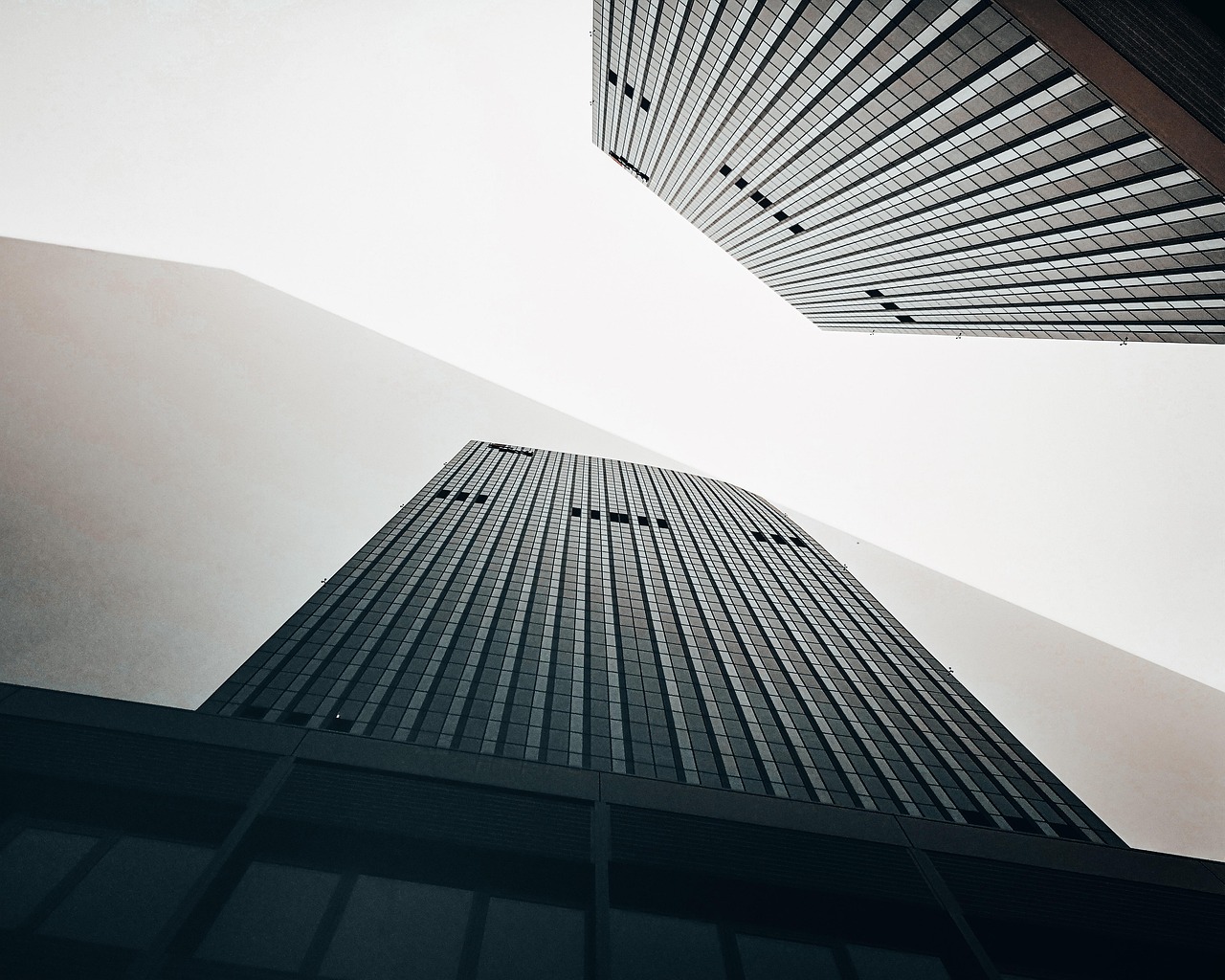
Passive solar design refers to the strategic orientation, shape, and envelope detailing of a skyscraper so that it naturally captures, stores, and distributes solar heat without relying on mechanical systems. In tall buildings, this concept is often realized through south‑facing glazing, thermal mass floors, and atrium cores that act as heat‑collecting chambers. An example is the Shanghai Tower, whose twisted form reduces solar gain on its north face while allowing generous daylight on the south side, lowering cooling loads by up to 15 percent.
Double‑skin façade is a layered envelope system consisting of two glass skins separated by an air cavity that can be ventilated or sealed. The cavity functions as a thermal buffer, reducing heat transfer and providing opportunities for natural ventilation. In the One Bryant Park building, the double‑skin façade is equipped with operable vents that enable the cavity to flush warm air during summer evenings, improving occupant comfort and reducing reliance on air‑conditioning.
Ventilation stack effect exploits the natural buoyancy of warm air rising within a vertical shaft. By designing a central atrium or stairwell that extends from the ground to the roof, a skyscraper can create a pressure differential that draws fresh air in at lower levels and expels stale air at the top. The Willis Tower in Chicago uses a series of sky lobbies that act as vertical shafts, allowing stack‑driven ventilation to provide up to 30 percent of the building’s fresh‑air requirements.
Thermal mass is the ability of a material to absorb, store, and release heat. In tall structures, concrete floor slabs, stone cladding, and water tanks can serve as thermal mass, moderating indoor temperature swings. The Bank of America Tower in New York incorporates a concrete core and exposed concrete floors that absorb daytime heat and release it at night, reducing peak cooling demand.
Renewable energy integration involves embedding energy‑producing technologies directly into the building envelope or structural system. Photovoltaic (PV) panels, building‑integrated photovoltaics (BIPV), and vertical wind turbines are common approaches. The Pearl River Tower in Guangzhou features a façade of flexible PV modules that generate up to 1 MW of electricity, while its roof hosts a series of vertical axis wind turbines that supplement the grid supply.
Photovoltaic façade is a type of BIPV where solar cells are incorporated into the exterior skin of the building. This approach turns the entire envelope into a power‑generating surface, reducing the need for separate solar farms. In the Al Bahr Towers in Abu Dhabi, a dynamic façade composed of motorized louvers doubles as a PV array, providing shade and electricity simultaneously.
Wind turbines mounted on the upper levels of a skyscraper can harvest the higher wind speeds found at altitude. The design must account for vortex shedding, structural vibration, and noise. The Strata SE1 in London experimented with rooftop turbines, achieving modest electricity generation but encountering maintenance challenges due to turbulence and access constraints.
Energy modeling is the computational simulation of a building’s energy performance throughout its lifecycle. Software such as EnergyPlus, IES VE, and DesignBuilder enable designers to evaluate the impact of façade geometry, glazing type, and HVAC strategies on annual energy use. Accurate modeling is essential for meeting certification thresholds like LEED v4 or BREEAM Excellent.
Life‑cycle assessment (LCA) quantifies the environmental impacts of a building from material extraction through demolition. In the context of skyscrapers, LCA helps compare the embodied carbon of structural steel versus high‑strength concrete, or assess the benefits of recycled steel content. The Empire State Building retrofit employed LCA to prioritize measures that reduced total carbon by 38 percent over the building’s remaining service life.
Embodied carbon is the greenhouse‑gas emissions associated with the production, transport, and installation of building materials. Tall buildings often have high embodied carbon due to the large quantities of steel and concrete required for structural stability. Strategies to lower embodied carbon include using high‑strength, low‑carbon concrete, sourcing steel from recycled streams, and optimizing structural geometry to reduce material use.
Operational carbon is the emissions generated during a building’s occupancy phase, primarily from heating, cooling, lighting, and plug loads. Sustainable skyscraper design seeks to minimize operational carbon through high‑performance envelopes, efficient HVAC systems, and renewable energy integration. For example, the Bank of America Tower achieved a 30 percent reduction in operational carbon compared with a conventional office tower of similar size.
Green roof is a vegetated roof system that provides insulation, storm‑water management, and habitat creation. In high‑rise contexts, green roofs must be engineered to support additional loads and ensure waterproofing integrity. The Chicago City Hall green roof demonstrates how a rooftop garden can reduce roof‑top temperature by up to 15 °C, decreasing cooling load on the building below.
Rainwater harvesting collects precipitation from the façade and roof, storing it for non‑potable uses such as toilet flushing, cooling‑tower make‑up water, and landscape irrigation. In skyscrapers, gravity‑driven distribution systems can be designed to minimize pumping energy. The One Angel Square building in Manchester captures rainwater in a 500 m³ tank, offsetting 30 percent of its total water demand.
Grey‑water recycling treats wastewater from sinks, showers, and washing machines for reuse in toilet flushing or cooling‑tower makeup. Closed‑loop systems can achieve water‑use reductions of 40–50 percent. The Bank of America Tower incorporates a grey‑water system that supplies water to its cooling towers, reducing potable water consumption.
Smart building systems integrate sensors, actuators, and data analytics to optimize performance in real time. Internet of Things (IoT) devices monitor temperature, occupancy, daylight levels, and air quality, feeding data to a central building management system (BMS) that adjusts HVAC, lighting, and shading accordingly. In the International Commerce Centre in Hong Kong, a network of over 10 000 IoT sensors enables predictive maintenance and energy savings of 12 percent annually.
Building management system (BMS) is the digital platform that orchestrates the operation of mechanical, electrical, and plumbing (MEP) equipment. Advanced BMS platforms support demand‑response participation, allowing the skyscraper to reduce load during peak grid periods in exchange for financial incentives. The Willis Tower BMS participates in Chicago’s demand‑response program, curbing peak demand by 5 MW during summer heat waves.
IoT sensors provide granular data on occupancy, lighting levels, and equipment performance. By clustering sensor data with machine‑learning algorithms, facilities managers can identify inefficiencies such as over‑ventilated spaces or lighting left on in unoccupied zones. In the One World Trade Center, IoT‑driven analytics have identified a 7 percent reduction in lighting energy through occupancy‑based dimming.
Adaptive reuse involves repurposing existing structural shells for new functions, thereby avoiding demolition and the associated embodied carbon. Tall structures can be retrofitted with new façade systems, upgraded mechanical plants, or converted from office to mixed‑use programs. The Hearst Tower in New York illustrates adaptive reuse, where the original 1928 steel frame was retained while a modern glass tower was added, achieving a 20 percent reduction in embodied carbon compared with a brand‑new build.
Material efficiency focuses on reducing the quantity of raw material required for structural and envelope components. Techniques include using high‑strength steel sections, optimizing concrete mix designs, and employing prefabricated modules. The Burj Khalifa utilized a bundled‑tube system, which distributes loads more efficiently than a conventional core, allowing a slimmer structural footprint and lower material consumption.
High‑performance glazing combines low‑emissivity (Low‑E) coatings, argon or krypton gas fills, and warm‑edge spacers to minimize heat transfer while maximizing daylight transmission. Selecting the appropriate solar heat gain coefficient (SHGC) is critical for skyscrapers located in hot climates. The Petronas Towers employ triple‑glazed units with a SHGC of 0.30, balancing solar control with visual comfort.
Low‑E coating is a thin metallic layer applied to glass that reflects infrared radiation while allowing visible light to pass. This coating reduces cooling loads in warm climates and heating loads in colder regions. In a high‑rise office tower in Singapore, low‑E glazing contributed to a 10 percent reduction in annual cooling energy.
Thermal breaks are insulating inserts placed between conductive materials to interrupt heat flow. In steel‑framed curtain walls, thermal breaks prevent the steel from acting as a thermal bridge, which would otherwise increase heat loss. The U.S. Bank Tower uses PVC‑based thermal breaks at every mullion, achieving a U‑value of 0.25 W/m²·K for its façade.
Daylighting is the practice of using natural light to illuminate interior spaces, thereby reducing artificial lighting demand. Strategies include large glazed areas, light shelves, and reflective interior finishes. In the Bank of America Tower, daylight‑responsive sensors dim artificial lighting to 30 percent of full output when sufficient daylight is detected.
Light shelves are horizontal reflective surfaces placed above eye level that bounce daylight deeper into the interior space. When combined with high‑performance glazing, light shelves can extend daylight penetration to the building core, reducing lighting loads on lower floors. The One Bryant Park office tower incorporates adjustable light shelves that track the sun’s angle throughout the day.
Dynamic shading systems automatically adjust the amount of solar radiation entering a building. Technologies include motorized louvers, electrochromic glass, and inflatable shading devices. In the Al Bahr Towers, a kinetic façade of rotating panels provides shade during peak sun hours and opens to admit daylight when solar intensity drops, cutting cooling demand by 20 percent.
Electrochromic glass is a type of smart glazing that changes its tint in response to an electrical voltage, allowing occupants or building automation to modulate solar gain. The One World Trade Center utilizes electrochromic glass on its upper floors, achieving a 15 percent reduction in cooling energy during summer.
Vertical gardens install plant panels on the façade, improving insulation, reducing heat island effect, and enhancing occupant wellbeing. The Bosco Verticale in Milan, while not a skyscraper, demonstrates how vegetation can be integrated into high‑rise structures, providing a 25 percent reduction in cooling loads due to evaporative cooling from the plant canopy.
Heat recovery ventilators (HRVs) capture waste heat from exhaust air and transfer it to incoming fresh air, improving ventilation efficiency. In tall buildings where ventilation loads are high, HRVs can achieve up to 80 percent heat recovery. The Shanghai Tower employs a series of HRVs in its atrium core, reducing heating demand during winter months.
Chilled beam systems provide cooling through convection and radiation from ceiling‑mounted water‑cooled beams, eliminating the need for air‑handling units in many zones. This reduces fan energy, duct losses, and noise. The Burj Khalifa uses a hybrid chilled‑beam system on its lower floors, achieving a 12 percent reduction in cooling energy compared with conventional VAV systems.
Variable refrigerant flow (VRF) technology allows a single outdoor condensing unit to serve multiple indoor fan‑coil units with varying load demands, providing precise temperature control and high efficiency. In the Gherkin building, VRF is used in the office podium, resulting in a 10 percent reduction in HVAC electricity consumption.
District cooling connects a building to a centralized plant that generates chilled water for multiple users, improving overall efficiency through economies of scale. The Hong Kong International Airport district cooling network supplies chilled water to nearby high‑rise office towers, cutting individual plant sizes and delivering a 25 percent reduction in electricity use.
Carbon offsetting involves purchasing credits that represent emission reductions elsewhere, balancing the residual carbon footprint of a skyscraper. While not a primary mitigation strategy, offsets can be part of a comprehensive sustainability plan when combined with aggressive reduction measures. The One Bryant Park project purchased verified offsets to achieve net‑zero operational carbon.
Renewable energy certificates (RECs) are tradable instruments that certify the generation of renewable electricity. Buildings can acquire RECs to claim renewable energy usage even if on‑site generation is limited. The Bank of America Tower holds RECs equivalent to 100 percent of its annual electricity consumption, supporting its LEED Platinum certification.
Net‑zero energy building (NZEB) is a building that produces as much renewable energy on site as it consumes over a year. Achieving NZEB status for a skyscraper requires a combination of extreme envelope performance, high‑efficiency systems, and substantial renewable generation. The One Angel Square has been certified as NZEB, with its on‑site wind turbines and PV façade meeting its annual demand.
Zero‑carbon construction aims to eliminate carbon emissions associated with building erection, often through the use of electric construction equipment, renewable‑powered manufacturing, and low‑carbon material sourcing. The Burj Khalifa construction phase incorporated a logistics plan that minimized diesel use, contributing to a 5 percent reduction in construction‑phase emissions.
Renewable material sourcing prioritizes materials harvested from sustainably managed forests, recycled content, or bio‑based alternatives. In interior finishes for tall buildings, bamboo flooring, reclaimed wood paneling, and recycled steel studs reduce embodied carbon. The One World Trade Center lobby features reclaimed stone and recycled steel, aligning with its sustainability targets.
Modular construction utilizes prefabricated modules that are assembled on site, reducing waste, construction time, and disturbance. In skyscrapers, modular units can be stacked vertically, allowing rapid vertical expansion. The Broadgate Tower employed a modular façade system that reduced on‑site glazing waste by 30 percent.
Deconstruction is the systematic dismantling of a building to maximize material recovery for reuse or recycling. While more common in demolition, deconstruction techniques can be applied during major renovations of tall buildings to salvage steel, concrete, and façade panels. The Hearst Tower renovation included a deconstruction phase that reclaimed 80 percent of the original steel framework.
Resilience in sustainable skyscraper design refers to the ability of the building to withstand and recover from extreme events such as earthquakes, hurricanes, and power outages. Strategies include redundant power supplies, flood‑resistant lower levels, and structural systems that exceed code wind loads. The Taipei 101 incorporates a massive tuned mass damper and a robust lateral‑force resisting system that enhances both performance and occupant safety.
Wind engineering is the discipline that analyses wind loads, vortex shedding, and aerodynamic performance of tall structures. Computational fluid dynamics (CFD) simulations guide the shaping of the building to reduce wind‑induced vibrations and improve energy capture for rooftop turbines. The Burj Khalifa was shaped with a series of setbacks that disrupt wind flow, lowering vortex shedding and allowing the installation of a rooftop wind turbine.
Aerodynamic shaping modifies the building’s geometry to manage wind pressures and reduce the formation of high‑speed jet streams at pedestrian level. Rounded corners, tapered profiles, and strategic setbacks are common tactics. The Jeddah Tower employs a spiral taper that not only creates a distinctive silhouette but also mitigates wind loads, enabling a lighter structural core.
Structural health monitoring (SHM) employs sensors embedded in the building’s skeleton to continuously track strain, acceleration, and displacement. Real‑time data allows early detection of fatigue, excessive deflection, or damage from seismic events. The One World Trade Center uses a network of fiber‑optic strain gauges that feed information to its BMS, facilitating proactive maintenance.
Carbon capture and utilization (CCU) is an emerging technology where CO₂ emitted from on‑site combustion is captured and transformed into useful products such as synthetic fuels or building materials. While still nascent, pilot projects are exploring CCU integration with skyscraper boiler plants. The Bank of America Tower is slated to host a demonstration CCU unit that will convert captured CO₂ into concrete additives, reducing the carbon intensity of its structural repairs.
Energy‑plus design is a philosophy that designs buildings to generate more energy than they consume, with excess energy exported to the grid. For skyscrapers, this often requires a combination of high‑efficiency envelopes, on‑site renewable generation, and demand‑response participation. The One Angel Square exemplifies energy‑plus design, exporting surplus electricity generated by its rooftop turbines to the national grid.
Smart façade integrates sensors, actuators, and control algorithms into the building envelope to actively respond to environmental conditions. Examples include motorized louvers, electrochromic glazing, and façade‑mounted PV panels that adjust tilt for optimal sun exposure. The Al Bahr Towers façade is a landmark smart façade that autonomously rotates its shading cells based on solar intensity.
Building performance simulation (BPS) encompasses a suite of tools that model thermal, daylight, acoustic, and structural behavior. By iterating designs through BPS, architects can evaluate trade‑offs between aesthetic aspirations and sustainability goals. The Shanghai Tower design team used BPS to fine‑tune its double‑skin façade, achieving a 12 percent reduction in overall energy use.
Occupant‑centric design places the needs and behaviors of building users at the forefront of sustainability strategies. Sensors that detect occupancy patterns enable demand‑controlled ventilation, while personalized lighting controls empower occupants to adjust illumination levels, reducing unnecessary energy consumption. The Burj Khalifa office floors employ occupancy sensors that modulate HVAC supply based on real‑time usage data.
Zero‑energy lighting combines daylight harvesting, high‑efficiency LED fixtures, and adaptive controls to eliminate the need for artificial lighting in many zones. In tall buildings, daylight can penetrate deep into the core when combined with light‑reflective interior finishes. The One World Trade Center lobby uses a combination of skylights and reflective surfaces to achieve zero‑energy lighting during daylight hours.
Thermal zoning divides the building into zones with distinct thermal requirements, allowing targeted heating and cooling. In skyscrapers, vertical zoning is common because temperature gradients develop with height. The Willis Tower employs a three‑tier thermal zoning strategy, with separate HVAC plants for the lower, middle, and upper zones, optimizing energy distribution.
Demand‑response (DR) programs enable buildings to reduce or shift electricity usage during peak grid periods in exchange for financial incentives. Tall buildings with large HVAC loads can provide significant DR capacity. The Burj Khalifa participates in Dubai’s DR program, curtailing cooling loads during evening peaks and receiving compensation that funds further sustainability upgrades.
Renewable Power Purchase Agreements (PPAs) are contracts where a building purchases renewable electricity directly from a generator, often at a fixed price. PPAs provide price stability and support the development of new renewable projects. The One Angel Square has a 20‑year PPA for offshore wind energy, ensuring that its electricity supply remains carbon‑free throughout its operational life.
Passive house (Passivhaus) standards set rigorous limits on heating demand (≤ 15 kWh/m²·year) and airtightness (≤ 0.6 air changes per hour at 50 Pa). While originally developed for low‑rise buildings, Passivhaus principles are being adapted for high‑rise contexts, focusing on super‑insulated envelopes, heat recovery ventilation, and minimal thermal bridges. The High Line Hotel renovation applied Passivhaus criteria to its tower extension, achieving a heating demand of 12 kWh/m²·year.
Zero‑waste construction aims to divert all construction and demolition waste from landfills through reuse, recycling, or energy recovery. In skyscraper projects, this involves careful material planning, modular prefabrication, and on‑site sorting stations. The Broadgate Tower achieved a 95 percent waste diversion rate by recycling steel, concrete, and glazing off‑cuts.
Carbon‑neutral operation is achieved when a building’s operational emissions are fully offset, either through on‑site renewable generation, purchased RECs, or carbon sequestration measures such as green walls. The One World Trade Center claims carbon‑neutral operation by combining its rooftop PV array with purchased RECs and a green roof that sequesters carbon.
Thermal imaging audits use infrared cameras to identify heat loss, insulation gaps, and thermal bridges in an existing skyscraper. Results guide retrofits such as adding external insulation panels or sealing air leaks. The Bank of America Tower underwent a thermal imaging audit that revealed façade leakage at the junction of curtain‑wall panels, prompting targeted sealing that reduced heat loss by 8 percent.
Dynamic building envelope refers to an envelope that can change its physical properties in response to environmental stimuli. Technologies include shape‑memory alloys, inflatable membranes, and kinetic shading devices. The Al Bahr Towers showcase a dynamic envelope that rotates its shading cells throughout the day, adapting to solar angle and intensity.
Hybrid renewable systems combine multiple renewable sources—such as solar PV, wind turbines, and geothermal heat pumps—to provide a balanced energy mix. In tall buildings, hybrid systems can smooth generation profiles, reducing reliance on any single source. The One Angel Square utilizes a hybrid system that couples rooftop PV with a ground‑source heat pump, delivering both electricity and heating.
Geothermal heat pump (GHP) extracts heat from the ground or a body of water to provide heating in winter and cooling in summer. While deep boreholes are often required for skyscrapers, innovative designs embed heat exchangers within the building’s foundation slab. The Shanghai Tower integrates a GHP system that supplies up to 30 percent of its cooling load.
Zero‑energy HVAC aims to supply heating, cooling, and ventilation using only renewable energy, often through high‑efficiency equipment, heat recovery, and on‑site generation. The Burj Khalifa employs a combination of chilled beams, heat recovery ventilators, and rooftop PV to achieve a near‑zero‑energy HVAC operation.
Carbon‑aware procurement involves selecting suppliers and products based on their carbon footprints, encouraging low‑carbon manufacturing and transportation. Procurement policies for tall building projects may require documentation of embodied carbon for structural steel, concrete, and façade components. The One World Trade Center procurement team mandated carbon‑aware specifications for all steel orders, resulting in a 12 percent reduction in embodied carbon.
Renewable integration planning is the process of coordinating renewable energy systems with the building’s electrical and mechanical infrastructure. It includes sizing PV arrays, selecting inverter capacity, and ensuring compliance with grid interconnection standards. In the Bank of America Tower, renewable integration planning guided the placement of PV modules on the south‑facing façade, maximizing solar exposure while maintaining aesthetic cohesion.
Smart lighting controls combine occupancy sensors, daylight sensors, and programmable schedules to adjust illumination levels automatically. Adaptive lighting can also incorporate circadian‑lighting principles that align light spectra with human biological rhythms, improving occupant health. The One Bryant Park office floors use smart lighting that reduces glare and optimizes energy consumption, cutting lighting electricity by 18 percent.
Carbon accounting tracks greenhouse‑gas emissions across scopes: Scope 1 (direct emissions), Scope 2 (indirect electricity), and Scope 3 (supply‑chain and lifecycle emissions). Accurate carbon accounting is essential for reporting to standards such as GRESB or CDP. The Shanghai Tower project team published an annual carbon inventory that identified a 25 percent reduction in Scope 1 emissions after implementing a low‑carbon cement mix.
Performance‑based contracting ties contractor payments to measurable sustainability outcomes, incentivizing lower energy use, reduced waste, and on‑time delivery. In the construction of the One Angel Square, the developer employed performance‑based contracts that rewarded contractors for achieving targeted embodied carbon reductions.
Renewable energy storage buffers intermittent generation from solar and wind, enabling a consistent power supply for the building’s loads. Technologies include lithium‑ion batteries, flow batteries, and thermal storage. The One World Trade Center incorporates a 2 MWh battery system that stores excess rooftop PV generation for use during peak demand periods.
Zero‑emission transportation strategies encourage occupants to use low‑carbon travel modes, such as electric vehicle (EV) charging stations, bicycle storage, and proximity to public transit. Tall buildings often provide dedicated EV charging bays and integrate with city bike‑share programs. The Burj Khalifa includes a fleet of 30 EV charging points and a direct connection to Dubai Metro, supporting a low‑carbon commuting profile.
Life‑cycle cost analysis (LCCA) evaluates the total cost of ownership, including initial capital, operation, maintenance, and disposal. LCCA helps justify higher upfront investment in high‑performance envelope systems by demonstrating long‑term savings. The Bank of America Tower performed an LCCA that showed a 12 year payback period for its high‑performance glazing and HVAC upgrades.
Renewable energy certificates (RECs) provide proof that renewable electricity has been generated and fed into the grid, allowing the building to claim renewable energy use. RECs are often bundled with carbon offsets to achieve net‑zero operational claims. The One Angel Square holds RECs equivalent to its entire electricity consumption, supporting its BREEAM Outstanding rating.
Carbon‑negative design goes beyond neutrality by removing more carbon from the atmosphere than the building emits. This can be achieved through on‑site carbon capture, extensive use of bio‑based materials, and integration of carbon‑sequestering vegetation. The One World Trade Center aims to become carbon‑negative by 2030 through a combination of renewable generation, carbon capture in its concrete, and expanded green roof coverage.
Adaptive façade systems respond to changing environmental conditions by altering their geometry, opacity, or reflectivity. Examples include motorized louvers, pneumatic skins, and shape‑memory alloy panels. The Al Bahr Towers adaptive façade is a benchmark case where shading cells rotate in response to solar intensity, providing both aesthetic dynamism and energy efficiency.
Smart grid interaction enables a building to communicate with the electric grid, providing services such as frequency regulation, voltage support, and load balancing. Tall buildings with substantial on‑site generation can act as distributed energy resources, contributing to grid stability. The One Angel Square participates in a smart‑grid pilot that allows its battery system to provide ancillary services to the national grid.
Renewable‑powered desalination can supply potable water for high‑rise occupants in coastal cities where freshwater is scarce. Integrating reverse‑osmosis units powered by rooftop solar reduces reliance on municipal water and lowers the building’s water‑related carbon footprint. The Burj Khalifa incorporates a solar‑driven desalination plant that meets 40 percent of its water demand.
Biophilic design incorporates natural elements such as plants, water features, and natural materials to improve occupant wellbeing and reduce stress. In skyscrapers, biophilic elements can be integrated through atrium gardens, vertical green walls, and daylight‑enhanced interior spaces. The One Bryant Park includes a 10‑story atrium with a living wall that improves indoor air quality and provides a visual connection to nature.
Thermal comfort modeling predicts occupant satisfaction with temperature, humidity, and air velocity, guiding HVAC set‑points and ventilation strategies. Tools such as COMFEN and CFD simulations help designers fine‑tune comfort parameters for high‑rise occupancy patterns. The Shanghai Tower used thermal comfort modeling to adjust its airflow distribution, achieving a 95 percent occupant satisfaction rating.
Dynamic thermal control leverages real‑time data to adjust heating and cooling supply based on occupancy, weather forecasts, and energy prices. Machine‑learning algorithms can predict future loads and pre‑condition zones during off‑peak periods, reducing peak demand. The Burj Khalifa employs dynamic thermal control that shifts cooling loads to night‑time when electricity rates are lower, saving 8 percent on energy costs.
Heat‑pipe technology transports thermal energy through sealed tubes filled with a working fluid, enabling passive heat redistribution without pumps. In skyscrapers, heat pipes can move heat from sun‑exposed façades to cooler interior zones, reducing the load on active cooling systems. The One World Trade Center incorporates heat‑pipe networks within its façade to transfer excess solar heat to the building’s chilled water loop.
Renewable‑driven microgrids create a localized energy network that can operate independently of the main grid, improving resilience and allowing higher penetration of renewables. Tall buildings can serve as nodes in a microgrid, sharing generation and storage resources with neighboring structures. The One Angel Square participates in a campus‑wide microgrid that balances renewable generation across several office towers.
Carbon‑aware design guidelines provide designers with thresholds for embodied carbon, operational carbon, and renewable energy share. These guidelines are often embedded in local building codes or voluntary certification schemes. The London Plan includes a carbon‑aware design policy that requires new skyscrapers to meet a maximum embodied carbon of 300 kg CO₂e/m².
Renewable energy forecasting uses weather data and predictive analytics to estimate solar and wind generation, enabling more accurate integration with building energy management systems. Accurate forecasts allow the BMS to schedule loads in anticipation of renewable supply, minimizing reliance on grid electricity. The Burj Khalifa employs solar forecasting to optimize its rooftop PV output, aligning HVAC operation with peak solar generation.
Thermal comfort standards such as ASHRAE 55 and EN 15251 define acceptable ranges for temperature, humidity, and air velocity. Compliance with these standards ensures occupant health and productivity while guiding energy‑efficient HVAC design. The One Bryant Park achieved ASHRAE 55 compliance with a mixed‑mode ventilation strategy that combines natural ventilation and low‑energy mechanical cooling.
Zero‑energy retrofit upgrades an existing skyscraper to achieve net‑zero operational energy through envelope improvements, high‑efficiency systems, and renewable generation. Retrofitting challenges include limited façade space for PV, existing structural constraints, and tenant disruption. The Bank of America Tower retrofit illustrates a successful zero‑energy upgrade, achieving a 50 percent reduction in electricity use while maintaining full occupancy.
Renewable‑powered backup generators replace diesel generators with systems that run on electricity from on‑site renewables, reducing emissions during power outages. Battery storage can supply critical loads while solar PV recharges the system. The One World Trade Center incorporates a renewable backup system that provides 24 hours of emergency power using its rooftop PV and battery bank.
Carbon‑budgeting allocates a fixed amount of allowable carbon emissions for a project, guiding design decisions toward low‑carbon options. A carbon budget can be divided between embodied carbon, operational carbon, and indirect emissions. The Shanghai Tower project team set a carbon budget that limited embodied carbon to 250 kg CO₂e/m², influencing material selection and structural optimization.
Renewable‑centric zoning designates specific building zones for high‑energy‑intensity functions, such as data centers or conference facilities, to be colocated with renewable generation and storage. This minimizes transmission losses and enables efficient use of generated power. The One Angel Square places its data center on the lower levels adjacent to a geothermal loop, allowing direct use of renewable cooling.
Heat‑recovery chillers capture waste heat from cooling processes and reuse it for domestic hot water or space heating, improving overall system efficiency. In tall buildings, heat‑recovery chillers can be integrated into the central plant to serve multiple zones. The Burj Khalifa uses heat‑recovery chillers that reclaim waste heat from its large cooling towers, providing hot water for its hotel portion.
Carbon‑neutral certification programs, such as the International Living Future Institute’s Zero Carbon Certification, verify that a building’s total carbon impact has been neutralized through reductions and offsets. Achieving certification requires rigorous measurement, verification, and reporting. The One Angel Square holds Zero Carbon Certification, confirming its operational carbon neutrality.
Renewable‑enabled demand forecasting merges historical consumption data with renewable generation forecasts to predict net demand, allowing the building to schedule loads during periods of high renewable availability. The One World Trade Center employs demand forecasting to shift non‑critical loads to midday when rooftop PV output peaks, reducing grid draw.
Green building rating systems such as LEED, BREEAM, and WELL provide frameworks for evaluating sustainability performance across categories like energy, water, materials, and health. Tall building projects often target the highest certification levels to demonstrate leadership. The Bank of America Tower achieved LEED Platinum, BREEAM Outstanding, and WELL Gold, reflecting its comprehensive sustainability strategy.
Carbon‑intelligent façade design integrates façade material selection, shading, and renewable generation to minimize carbon emissions. By selecting low‑carbon steel, high‑performance glazing, and incorporating PV, designers can reduce both embodied and operational carbon. The One Bryant Park façade combines recycled steel mullions, triple‑glazed Low‑E glass, and photovoltaic shading panels, delivering a holistic carbon‑intelligent solution.
Renewable‑driven chilled water loops use solar thermal collectors or geothermal heat exchangers to provide cooling via chilled water, reducing reliance on electrically driven chillers. In a skyscraper, rooftop solar thermal panels can pre‑cool water that feeds into the building’s cooling distribution network. The Shanghai Tower employs a solar‑thermal chilled water loop that
Key takeaways
- Passive solar design refers to the strategic orientation, shape, and envelope detailing of a skyscraper so that it naturally captures, stores, and distributes solar heat without relying on mechanical systems.
- In the One Bryant Park building, the double‑skin façade is equipped with operable vents that enable the cavity to flush warm air during summer evenings, improving occupant comfort and reducing reliance on air‑conditioning.
- By designing a central atrium or stairwell that extends from the ground to the roof, a skyscraper can create a pressure differential that draws fresh air in at lower levels and expels stale air at the top.
- The Bank of America Tower in New York incorporates a concrete core and exposed concrete floors that absorb daytime heat and release it at night, reducing peak cooling demand.
- The Pearl River Tower in Guangzhou features a façade of flexible PV modules that generate up to 1 MW of electricity, while its roof hosts a series of vertical axis wind turbines that supplement the grid supply.
- In the Al Bahr Towers in Abu Dhabi, a dynamic façade composed of motorized louvers doubles as a PV array, providing shade and electricity simultaneously.
- The Strata SE1 in London experimented with rooftop turbines, achieving modest electricity generation but encountering maintenance challenges due to turbulence and access constraints.