
Conservation Principles for Musical Artifacts
Conservation Principles for musical artifacts form the foundation of any responsible restoration programme. In the context of vintage musical instruments, the vocabulary is both broad and specialised, encompassing scientific, material‑based…
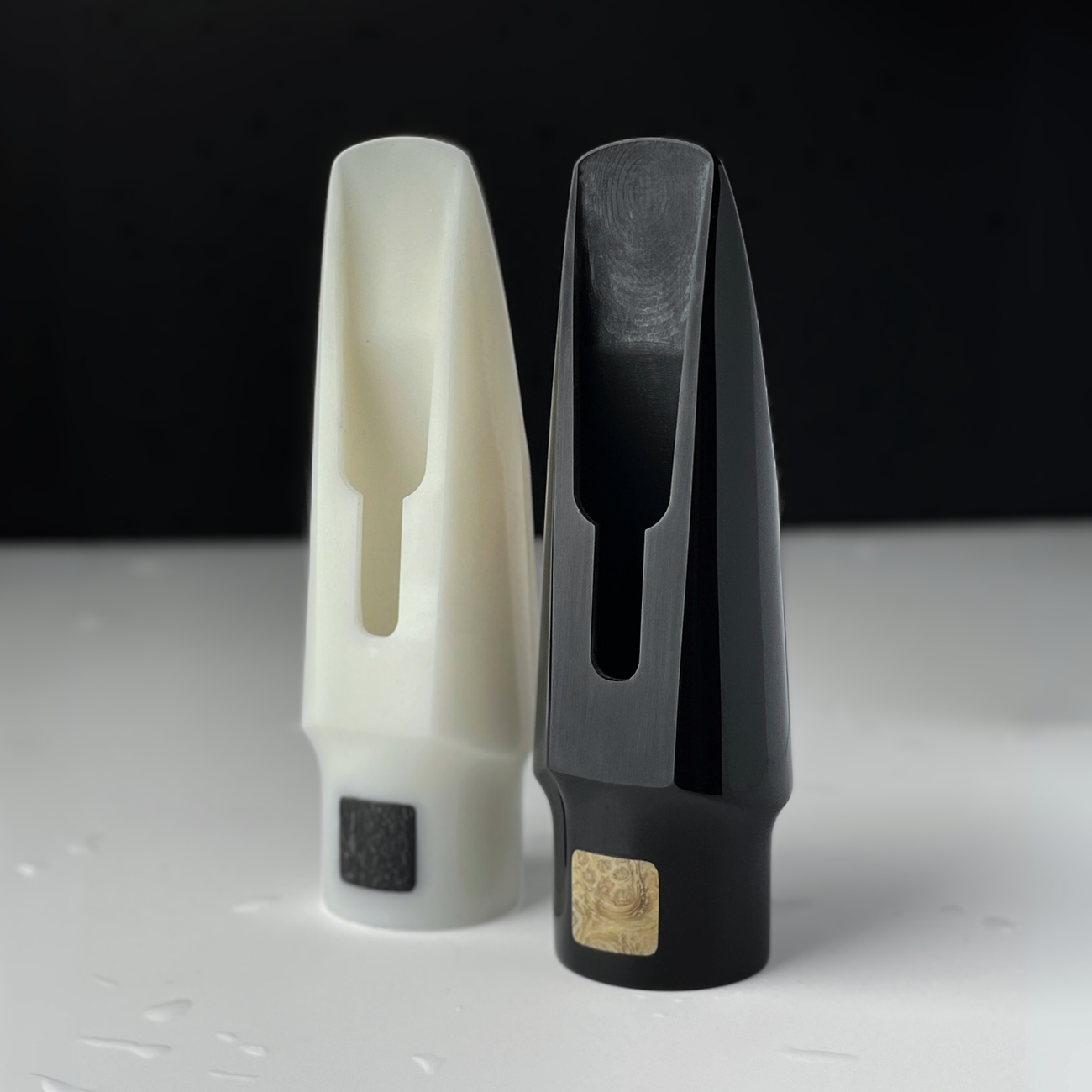
Conservation Principles for musical artifacts form the foundation of any responsible restoration programme. In the context of vintage musical instruments, the vocabulary is both broad and specialised, encompassing scientific, material‑based, and procedural terms. Mastery of this terminology enables practitioners to assess condition, plan interventions, and communicate findings with clarity. The following detailed exposition outlines the most essential terms, providing definitions, illustrative examples, practical applications, and common challenges encountered in the field.
Preventive Conservation is the overarching strategy that seeks to minimise deterioration before it occurs. Rather than reacting to damage, preventive measures create stable environmental conditions, implement handling protocols, and establish monitoring regimes. For a historic violin, this might involve storing the instrument in a climate‑controlled case, limiting exposure to direct sunlight, and using cotton gloves during handling. The primary challenge is balancing the need for accessibility—musicians often require quick instrument access—with the need for strict environmental control. Solutions often involve portable climate devices and scheduling regular checks of temperature and humidity.
Relative Humidity (RH) quantifies the amount of water vapour present in the air relative to the maximum possible at a given temperature. For wooden components of a piano, an RH range of 45‑55 % is generally recommended. Fluctuations beyond this range can cause wood to swell or shrink, leading to cracking, joint separation, or changes in acoustic properties. Monitoring RH typically employs digital hygrometers placed inside instrument cases. A common challenge is seasonal variation; in winter, indoor heating can lower RH, while summer humidity spikes can raise it. Mitigation strategies include using humidifiers, desiccant packs, or sealed containers with buffering agents such as silica gel.
Temperature control is equally critical. Most wooden instruments tolerate a narrow temperature band of 18‑22 °C (64‑72 °F). Elevated temperatures accelerate chemical reactions, including oxidation of metal strings and degradation of adhesives. Conversely, low temperatures can embrittle synthetic components, such as modern polymer bridges. Temperature sensors with data‑logging capabilities enable conservators to track trends over time. One practical difficulty is the heat generated by lighting in display cases; low‑intensity LED lighting can reduce this risk while still providing adequate illumination.
Light Exposure is measured in lux and is a primary factor in the fading of coloured finishes, varnishes, and printed materials (e.g., instrument labels). For delicate surfaces, exposure should be limited to 50 lux for continuous display, with occasional higher‑intensity bursts for short periods if necessary for detailed examination. The use of UV‑filtering glass or acrylic reduces the damaging ultraviolet component of light. A frequent challenge is ensuring that museum or studio lighting meets these low‑lux standards without compromising the visual appreciation of the instrument.
Pest Management involves preventing damage from insects, rodents, and other organisms that feed on organic materials. Wood‑boring beetles, such as Anobium punctatum, can tunnel through the soundboard of a cello, compromising structural integrity. Integrated pest management (IPM) combines regular inspections, environmental control (low RH discourages insect activity), and, when necessary, targeted treatments with inert gases like anoxia. The difficulty lies in detecting early infestations; non‑destructive imaging techniques such as infrared thermography can reveal hidden activity.
Handling Protocols define the correct methods for moving, supporting, and inspecting instruments. Key principles include supporting the instrument’s centre of gravity, avoiding pressure on delicate parts (e.g., the bridge or soundpost), and using clean, lint‑free gloves when touching metal fittings. For a vintage harp, a two‑person lift with a supportive sling prevents stress on the frame. Challenges arise when instruments are large or have complex shapes; custom supports or rolling platforms may be required.
Material Identification is the process of determining the composition of an artifact’s components, which informs appropriate conservation actions. Common materials in vintage instruments include spruce and maple wood, brass and steel metalwork, gut or silk strings, and various organic adhesives (e.g., hide glue). Analytical techniques such as X‑ray fluorescence (XRF) for metal alloys, Fourier‑transform infrared spectroscopy (FTIR) for organic binders, and microscopy for fibre analysis are routinely employed. Accurate identification is essential because, for example, a metal alloy containing lead may require different cleaning agents than a lead‑free alloy. The main challenge is the limited sample size that can be taken from historic objects; non‑invasive or micro‑sampling methods are therefore preferred.
Metal Corrosion refers to the chemical degradation of metal components, often manifested as oxidation, pitting, or the formation of corrosion products such as copper carbonate on brass wind‑instrument valves. Corrosion rates are influenced by humidity, pollutants (e.g., sulfur dioxide), and the presence of chloride ions. A practical conservation approach includes cleaning with appropriate solvents, applying corrosion inhibitors, and storing the instrument in a low‑humidity environment. One difficulty is that cleaning can be too aggressive, removing original patina that holds historical value. Conservators must therefore balance aesthetic restoration with preservation of original material.
Wood Deterioration encompasses a range of processes, including fungal decay, insect damage, and mechanical stress. In a historic guitar, fungal attack may manifest as a soft, spongy texture in the soundboard, while insect damage appears as tunnels or frass. Preventive measures such as maintaining stable RH and using fungicidal treatments in severe cases help mitigate deterioration. The challenge is that many treatments can alter the acoustic properties of the wood; thus, conservators often opt for minimally invasive methods and, when necessary, replace severely compromised sections with historically appropriate wood species.
Synthetic Materials such as modern polymers, adhesives, and finishes are increasingly encountered in instruments that have undergone past restorations. These materials may degrade differently from traditional organic components, often becoming brittle or yellowing over time. Identifying synthetic polymers (e.g., polyvinyl acetate glue) via FTIR or pyrolysis‑GC/MS helps determine suitable consolidation or replacement strategies. A notable challenge is that some synthetic materials are chemically incompatible with traditional materials, leading to further deterioration if not properly managed.
Organic Materials include wood, gut, silk, leather, and natural adhesives. Their susceptibility to environmental fluctuations makes them a primary focus of conservation. For example, gut strings in a 19th‑century violin may become brittle at low RH, leading to breakage. Conservation actions may involve humidifying the strings before adjusting tension or, alternatively, replacing them with historically accurate replicas. The difficulty lies in sourcing appropriate replacement materials that match the original in both appearance and performance.
Inorganic Materials such as metal hardware, stone inlays, and mineral pigments are generally more stable but can still suffer from corrosion or surface soiling. In a vintage piano, cast‑iron plate rust can be addressed through mechanical cleaning followed by protective coating application. Inorganic pigments used in decorative inlays may be prone to fading under light exposure; therefore, light‑filtering measures are essential. The challenge is that some inorganic compounds, like lead white, are toxic, requiring careful handling and disposal protocols.
Diagnostic Testing encompasses a suite of methods used to assess condition without causing damage. Non‑invasive techniques include visual inspection under magnification, ultraviolet fluorescence to reveal varnish cracks, and infrared reflectography to detect underlying structural changes. More advanced methods such as X‑ray radiography can expose internal fractures in a violin’s soundboard or the presence of hidden reinforcements. The practical application of these tests allows conservators to develop targeted treatment plans. However, equipment cost and the need for specialised training can limit access, especially in smaller institutions.
Non‑Invasive Analysis is a subset of diagnostic testing that avoids sampling altogether. Techniques such as Raman spectroscopy, which can identify pigments and metal compounds through laser excitation, are valuable for delicate surfaces. For instance, Raman can determine whether a violin’s varnish contains natural resins like amber or synthetic polymers without removing any material. The main limitation is that fluorescence from some organic compounds can obscure Raman signals, requiring careful selection of laser wavelength.
X‑ray Fluorescence (XRF) is a common method for elemental analysis of metal components. By directing X‑rays at a brass valve of a trumpet, the emitted fluorescence reveals the alloy composition, indicating the presence of copper, zinc, and trace elements such as lead. This information guides decisions on cleaning agents and polishing compounds. A challenge with XRF is its limited depth penetration; surface contamination can skew results, necessitating careful surface preparation.
Fourier‑Transform Infrared Spectroscopy (FTIR) provides molecular‑level information about organic substances. In a historic piano, FTIR can identify the type of hide glue used in the soundboard joint, distinguishing it from synthetic adhesives. This knowledge influences the choice of solvents for cleaning or the selection of compatible consolidation materials. The technique requires a small sample or a contact‑type probe; obtaining a representative sample without harming the artifact can be difficult.
Microscopy—both optical and scanning electron microscopy (SEM)—offers high‑resolution imaging of surfaces and microstructures. SEM can reveal corrosion patterns on a saxophone’s brass keys, while optical microscopy can examine fibre orientation in a wood panel. These observations help diagnose the mechanisms of deterioration and evaluate the effectiveness of previous treatments. The main obstacle is that SEM typically requires a conductive coating on the sample, which may be undesirable for valuable artifacts; low‑vacuum SEM mitigates this issue but still demands careful preparation.
Stress Testing involves applying controlled forces to evaluate the mechanical stability of components. For a vintage drum kit, a stress test might simulate the tension of drumheads to assess whether the shell can withstand the load without cracking. Data from such tests inform reinforcement decisions, such as adding discreet braces. The challenge lies in replicating realistic forces without over‑loading the instrument, which could cause irreversible damage.
Humidity Cycling is a preventive practice that gently varies RH within a narrow range to prevent the development of static stresses in wood. By allowing the instrument to experience minor fluctuations, the wood adapts gradually, reducing the risk of sudden cracking. Implementing humidity cycling requires precise control systems and regular monitoring. A difficulty is that some instruments, especially those with delicate lacquer finishes, may be sensitive even to small changes, necessitating a conservative approach.
Acidic Environment refers to the presence of low‑pH conditions that can accelerate the degradation of both organic and inorganic materials. Acidic pollutants from urban air, such as sulfur dioxide, can lead to the formation of sulfates on metal surfaces, causing corrosion. In wooden components, acidic conditions can weaken lignin, leading to brittleness. Mitigation strategies include using acid‑free storage materials, employing air filtration, and maintaining neutral pH in surrounding buffers. The challenge is that measuring and controlling ambient pH in a display environment can be complex, often requiring specialized sensors.
Alkaline Environment can be equally harmful, especially to delicate finishes that may become hazy or develop efflorescence when exposed to high pH. Alkaline conditions often arise from the degradation of paper or cardboard storage boxes that release alkaline residues. For a vintage accordion, alkaline vapour can affect the fabric of the bellows, leading to stiffening. Using archival‑quality, pH‑neutral storage enclosures helps maintain a stable environment. Detecting subtle pH shifts may require periodic testing of surrounding materials.
Buffering involves the use of materials that stabilise the pH of the surrounding micro‑environment. For instance, placing a small sachet of calcium carbonate near a wooden instrument can neutralise acidic vapours, protecting the wood from acid attack. Buffering must be applied judiciously, as excessive buffering agents can alter humidity levels or introduce contaminants. Selecting appropriate buffering agents and monitoring their effectiveness over time is a key challenge.
Consolidation is the process of strengthening deteriorated material by introducing a compatible consolidant that penetrates and reinforces the substrate. In a cracked lacquer surface on a 19th‑century piano, a consolidant such as a low‑viscosity acrylic resin may be applied to bind the fissures. The consolidant must match the original material’s mechanical and aesthetic properties to avoid altering the instrument’s appearance or sound. A frequent difficulty is ensuring deep penetration without creating visible residues; testing on inconspicuous areas is essential.
Reversibility is a guiding principle that dictates that any intervention should be undoable without damaging the original material. For example, using a temporary adhesive to attach a missing decorative element allows future removal if better methods become available. Reversibility is often challenged by the need for long‑term stability; some reversible treatments may degrade over time, requiring periodic re‑evaluation. Conservators must therefore balance the desire for reversibility with practical considerations of durability.
Documentation encompasses the systematic recording of an instrument’s condition, treatment history, and environmental data. High‑resolution photography, condition reports, and treatment logs create a comprehensive record that supports future research and decision‑making. In the case of a restored violin, documenting each step—from cleaning to varnish application—provides transparency and accountability. A challenge is ensuring that documentation is both thorough and accessible; digital databases with standardized metadata help address this issue.
Ethical Considerations guide the decision‑making process, emphasizing respect for the instrument’s cultural significance, original maker’s intent, and the expectations of stakeholders such as collectors or musicians. For instance, altering the original finish of a historic mandolin solely to improve its acoustic performance may conflict with ethical standards that prioritise preservation over aesthetic enhancement. Navigating these considerations often requires consultation with experts, owners, and relevant professional bodies.
Stabilisation refers to temporary measures taken to prevent further deterioration while a comprehensive treatment plan is developed. This might involve supporting a cracked soundboard with a removable brace or applying a protective film over a fragile decorative element. Stabilisation is crucial when an instrument is at risk of immediate damage, such as during transport. However, temporary solutions must be clearly identified and removed before final restoration to avoid long‑term adverse effects.
Restoration is the active process of returning an instrument to a functional or aesthetically pleasing state. It may involve repairing structural damage, re‑stringing, or renewing finishes. Restoration differs from conservation in that it often accepts some degree of alteration to achieve functionality. For a vintage saxophone with worn pads, a restoration might replace the pads with new leather to restore playability. The main challenge is ensuring that any replacement components are historically appropriate and that the instrument’s sound quality is preserved.
Conservation Ethics extend beyond individual interventions to include the broader impact of restoration activities on cultural heritage. This includes considerations such as the carbon footprint of material choices, the provenance of replacement parts, and the potential loss of intangible heritage associated with historic instruments. Practitioners must weigh the benefits of modern materials against the responsibility to maintain authenticity. Engaging with the instrument‑playing community helps align conservation goals with performance needs.
Acoustic Integrity is a term that describes the preservation of an instrument’s original sound characteristics. Any conservation or restoration work must consider how treatments affect vibration, resonance, and timbre. For example, over‑tightening a violin’s soundpost can increase stiffness, altering its tonal balance. Acoustic testing—using spectrum analysis or laser vibrometry—provides objective data on how interventions affect sound. The challenge is that acoustic preferences are subjective; thus, conservators often collaborate with musicians to achieve a satisfactory compromise.
Environmental Monitoring involves continuous or periodic measurement of key parameters such as temperature, RH, light levels, and pollutant concentrations. Data loggers placed inside instrument cases record fluctuations, enabling conservators to identify patterns that may lead to deterioration. For a collection of historic brass wind instruments, monitoring sulphur dioxide levels can predict corrosion risk. The practical difficulty lies in maintaining equipment calibration and ensuring that data are regularly reviewed and acted upon.
Microclimate refers to the localized environment surrounding an individual instrument, which may differ from the larger room conditions. A sealed case creates its own microclimate, often stabilising RH but potentially accumulating gases. Managing microclimates may involve using breathable packaging materials or incorporating small desiccants. A common issue is that microclimate control can be overlooked, leading to hidden damage despite overall room stability.
Pollutant Control addresses the presence of airborne chemicals that accelerate material degradation. Common pollutants include ozone, nitrogen oxides, and volatile organic compounds (VOCs) emitted from nearby furnishings. For wooden instruments, ozone can oxidise surface finishes, while VOCs may plasticise polymer components. Air filtration systems, activated carbon filters, and the selection of low‑emission furniture contribute to pollutant control. The challenge is that pollutants can infiltrate storage areas through ventilation, requiring comprehensive building‑wide strategies.
Packaging Materials play a vital role in protecting instruments during transport and storage. Archival‑grade, acid‑free paper, polyethylene foam, and custom‑molded supports are preferred. For a delicate harp, a wooden cradle lined with cotton batting distributes weight evenly, preventing stress on the frame. Inappropriate materials—such as rubber bands or PVC sleeves—can off‑gass acids or cause mechanical abrasion. Selecting suitable packaging often requires custom fabrication, which can be cost‑intensive.
Adhesive Compatibility concerns the interaction between original adhesives and modern repair materials. Hide glue, commonly used in 19th‑century instruments, is reversible with heat and moisture, while synthetic adhesives like epoxy are more permanent. When repairing a cracked violin plate, using an adhesive with similar mechanical properties to the original helps maintain structural integrity. Incompatibility can lead to joint failure or discoloration. Testing adhesive blends on mock‑up samples mitigates this risk.
Surface Cleaning is a routine conservation activity that removes dust, grime, and surface contaminants. Techniques range from gentle dry brushing to solvent‑based wipes, selected based on material sensitivity. For a brass trumpet, a soft microfiber cloth dampened with distilled water may suffice, while a lacquered piano may require a mild aqueous solution with a neutral pH. Over‑cleaning, however, can strip patina or alter finish colour; therefore, conservators employ spot testing and limit cleaning to necessary areas.
Deacidification is a treatment applied to acidic paper or wood to neutralise harmful acids. In the case of a vintage music manuscript bound to a wooden case, a deacidifying spray can raise the pH of the paper, slowing degradation. The process must be carefully controlled to avoid over‑wetting, which could cause swelling or ink bleed. Deacidification of wood is less common but may be considered for components that have absorbed acidic vapours.
Conservation Materials encompass a wide range of products used in treatment, including consolidants, adhesives, cleaning agents, and protective coatings. Materials must be selected for their stability, compatibility, and minimal impact on the instrument’s appearance and acoustics. For example, a reversible acrylic varnish may be applied to a violin’s surface to protect a restored finish while allowing future removal. The challenge lies in keeping abreast of new formulations and ensuring that selected products have been tested on similar artifacts.
Risk Assessment is a systematic process of identifying potential hazards to an instrument, evaluating the likelihood of occurrence, and determining the severity of possible damage. Factors considered include environmental threats, handling risks, and the instrument’s current condition. A risk matrix helps prioritize interventions; a high‑risk, low‑cost preventive measure—such as installing a humidity buffer—may be implemented before more extensive restoration. Conducting thorough risk assessments requires interdisciplinary expertise, which can be difficult to coordinate.
Stakeholder Consultation involves engaging with all parties interested in the instrument’s future, including owners, musicians, curators, and funding bodies. Their perspectives influence decisions on the extent of restoration, acceptable levels of intervention, and usage policies. For a historic concert harp loaned to a professional orchestra, stakeholders may negotiate limited performance periods to balance preservation with artistic use. Managing divergent expectations is a common challenge that necessitates clear communication and documented agreements.
Condition Reporting is the detailed description of an instrument’s present state, noting all forms of deterioration, previous repairs, and any anomalies. Reports typically include photographs, diagrams, and measurements. A comprehensive condition report for a vintage drum set might catalogue the state of each drumhead, the integrity of the shell, and any corrosion on hardware. Accurate reporting underpins effective treatment planning; incomplete reports can lead to overlooked issues and subsequent re‑work.
Treatment Planning translates the findings from condition reports and diagnostics into a step‑by‑step strategy. The plan outlines objectives, chosen methods, materials, timelines, and anticipated outcomes. For a restored piano, the treatment plan may sequence cleaning, structural repairs, string replacement, and final tuning. It should also incorporate contingency measures in case unexpected problems arise. The difficulty is that complex instruments often reveal hidden damage during treatment, requiring flexible adaptation of the original plan.
Acoustic Testing assesses the sound quality of an instrument before and after treatment, using objective measurements such as frequency response, harmonic content, and sustain. Devices like spectrographs or high‑speed cameras capture vibration patterns, allowing conservators to quantify the impact of interventions. In a vintage organ, acoustic testing can verify that pipe voicing remains consistent after cleaning. The challenge is that acoustic measurements can be influenced by room acoustics and microphone placement, demanding controlled testing environments.
Re‑tuning is a functional step after structural repairs, ensuring that the instrument meets contemporary pitch standards while respecting its historic character. For a baroque violin, re‑tuning may involve adjusting string tension within the limits of the original construction to achieve a pitch of A = 415 Hz rather than the modern A = 440 Hz. Re‑tuning must be performed by skilled musicians who understand both historical performance practice and the instrument’s physical constraints. Over‑tension can lead to renewed stress, so careful monitoring is essential.
Training and Education are essential components of a sustainable conservation programme. Workshops on handling techniques, material science, and analytical methods equip practitioners with the skills needed to address emerging challenges. For example, training sessions on the use of portable XRF devices enable conservators to conduct on‑site alloy analysis without relying on external laboratories. The primary obstacle is securing funding and time for ongoing professional development, especially in institutions with limited resources.
Interdisciplinary Collaboration brings together experts from fields such as chemistry, physics, musicology, and engineering to solve complex conservation problems. A collaborative project to stabilise a cracked soundboard may involve a materials scientist analysing wood grain orientation, a acoustician modelling vibration modes, and a luthier executing the repair. This synergy often yields innovative solutions but requires clear communication and shared terminology to avoid misunderstandings.
Funding and Resource Management influences the scope and feasibility of conservation projects. Grants from cultural heritage organisations, private donors, or governmental bodies often stipulate specific outcomes and timelines. Effective budgeting includes allocating resources for environmental control equipment, analytical testing, and skilled labour. A common challenge is balancing limited funds with the need for comprehensive preventive measures; prioritising high‑risk items can help optimise resource distribution.
Legal and Regulatory Compliance ensures that conservation activities adhere to national and international laws governing cultural property, hazardous materials, and occupational health. For instance, the use of lead‑based paints in restoration must comply with safety regulations, requiring appropriate protective equipment and disposal procedures. Understanding these regulations prevents legal complications and protects both staff and the artifact.
Digital Preservation complements physical conservation by creating high‑resolution 3D scans, photogrammetric models, and virtual reconstructions of instruments. These digital assets enable remote study, virtual exhibitions, and detailed analysis without handling the original object. For a rare clavichord, a 3D model can reveal internal mechanisms while the actual instrument remains safely stored. Challenges include ensuring accurate representation of material properties and maintaining long‑term digital storage formats.
Ethnographic Context acknowledges the cultural and social significance of musical instruments beyond their physical form. Instruments may carry symbolic meanings, be associated with specific rituals, or represent community identity. Conservation decisions should respect this context; for example, preserving the original paint scheme on a ceremonial drum may be more important than achieving optimal acoustic performance. Incorporating ethnographic research into conservation planning enriches the interpretive narrative of the artifact.
Historical Research underpins all conservation work, providing insight into original construction techniques, past restorations, and usage patterns. Archival documents, maker’s marks, and period photographs inform material choices and treatment approaches. In the case of a 18th‑century harpsichord, understanding the original stringing pattern guides accurate re‑stringing. The difficulty often lies in fragmented or contradictory historical records, requiring critical analysis and cross‑referencing.
Material Compatibility is a principle that ensures any new material introduced to an instrument does not cause adverse reactions with existing components. For instance, a consolidant applied to a wooden soundboard must not promote moisture retention that could lead to fungal growth. Compatibility testing on mock‑up samples or small, hidden areas helps verify suitability before full application. Incompatibility can manifest as discoloration, delamination, or increased brittleness, necessitating remedial action.
Conservation Ethics also encompass the concept of “minimum intervention,” advocating that only the essential amount of work be performed to stabilise and preserve an artifact. Over‑restoration can obscure original craftsmanship and diminish historical authenticity. For a vintage saxophone with minor surface oxidation, a light cleaning may be sufficient, avoiding the need for repainting. Determining the appropriate level of intervention often requires nuanced judgement and consultation with stakeholders.
Documentation of Treatments must include not only the procedures performed but also the rationale behind each decision. Recording the specific solvents, concentrations, and application techniques enables future conservators to replicate or reverse the work if needed. For example, noting that a lacquer was removed using a 5 % ethanol solution applied with a cotton swab provides a clear procedural reference. The challenge is ensuring that documentation remains comprehensive yet concise, avoiding unnecessary verbosity.
Long‑Term Monitoring extends beyond the immediate post‑treatment phase, encompassing periodic reassessment of the instrument’s condition over months or years. Monitoring may involve re‑measuring RH, inspecting for new cracks, or evaluating acoustic stability after repeated use. Establishing a schedule—such as quarterly checks for high‑value instruments—helps detect emerging issues early. Maintaining consistent monitoring can be resource‑intensive, requiring dedicated staff and reliable data‑management systems.
Conservation Lab Safety is critical when handling chemicals, solvents, and equipment. Proper ventilation, protective clothing, and training on hazardous material handling reduce the risk of accidents. For instance, using a fume hood when applying a solvent‑based varnish prevents inhalation of volatile compounds. Safety protocols must be regularly reviewed and updated to reflect new practices and regulatory changes.
Re‑use of Materials promotes sustainability by salvaging components from de‑accessioned or beyond‑repair instruments. Salvaged wood, metal fittings, or hardware can be repurposed in restoration projects, reducing demand for new resources. However, re‑using materials requires careful assessment of their condition and compatibility. A reclaimed brass key from a disassembled organ may be suitable for a vintage clarinet, provided it matches the required dimensions and alloy composition.
Conservation Standards such as those promulgated by professional organisations (e.g., International Council on Museums and the Arts) provide guidelines for best practices. Adhering to these standards ensures consistency, quality, and ethical integrity across projects. For example, the standard for documentation recommends the use of calibrated colour charts when recording varnish hues. The challenge is that standards may need adaptation to specific contexts, especially when working with unique or highly specialised instruments.
Technological Innovation continually expands the toolbox available to conservators. Emerging techniques like laser cleaning, which can precisely remove corrosion without mechanical abrasion, are increasingly applied to metal components of brass wind instruments. Similarly, nanocellulose consolidants offer lightweight, transparent reinforcement for fragile wood. Integrating new technologies requires rigorous testing, cost‑benefit analysis, and training to ensure that they enhance rather than compromise conservation outcomes.
Public Engagement plays a role in building support for conservation initiatives. Exhibitions that showcase the restoration process, accompanied by interpretive panels explaining key terms, can raise awareness of the complexities involved in preserving musical heritage. Interactive demonstrations, such as live cleaning of a violin, illustrate the practical application of concepts like surface cleaning and consolidation. Engaging the public also helps secure funding and fosters appreciation for the cultural value of historic instruments.
Ethical Dilemmas often arise when deciding whether an instrument should remain in a museum collection or return to active performance. The desire to hear a historic instrument’s authentic sound may conflict with the risk of accelerated wear. In such cases, conservators may recommend limited performance schedules, protective accessories, and post‑performance maintenance regimes. Balancing preservation with living heritage requires transparent decision‑making and respect for the instrument’s cultural context.
Case Study: Restoration of a 19th‑Century Grand Piano illustrates many of the terms discussed. Initial assessment revealed fluctuating RH, surface corrosion on the cast‑iron plate, and a cracked lacquer finish. Diagnostic testing employed XRF to confirm the plate’s composition (cast iron with trace manganese) and FTIR to identify the original oil‑based varnish. Preventive conservation measures included installing a humidifier with a hygroscopic buffer and adding UV‑filtering glass to the display case. Surface cleaning used a neutral‑pH aqueous solution, followed by a reversible acrylic consolidant applied to fissures in the lacquer. Metal corrosion was treated with a gentle chelating agent, then coated with a micro‑encapsulated corrosion inhibitor. After structural repairs, acoustic testing measured frequency response, confirming that the piano’s tonal balance remained within historic parameters. Documentation recorded each step, and a long‑term monitoring plan was established to track environmental data and acoustic stability. The project highlighted challenges such as balancing aesthetic restoration with the preservation of original materials, navigating stakeholder expectations, and ensuring that all interventions remained reversible.
Case Study: Conservation of a Vintage Saxophone demonstrates material identification and pollutant control. The instrument’s brass body exhibited greenish corrosion due to exposure to urban sulphur dioxide. XRF analysis identified the alloy as a standard brass (copper ≈ 70 %, zinc ≈ 30 %). A combination of mechanical cleaning with soft brass brushes and chemical treatment using a mild chelating solution removed the corrosion. To prevent recurrence, the saxophone was stored in a sealed case with a silica‑gel desiccant and an activated‑carbon filter to absorb airborne pollutants. Surface cleaning employed a cotton swab dampened with distilled water, avoiding any solvent that could affect the lacquered finish. Documentation included high‑resolution photographs before and after treatment, and a risk assessment recommended periodic re‑evaluation of the storage environment. The case underscored the importance of pollutant control, material compatibility, and the need for ongoing monitoring.
Case Study: Stabilisation of a Historic Drum Set required addressing both wood deterioration and synthetic material degradation. The drum shells showed signs of fungal decay, while the drumheads, originally made of animal skin, had become brittle. Microscopy confirmed fungal hyphae penetration, and FTIR identified the presence of nitrate‑based synthetic coatings on the shells. A humidity‑controlled environment (RH ≈ 48 %) halted further fungal growth. Consolidation of the wood employed a low‑viscosity acrylic resin, applied under a controlled vacuum to ensure deep penetration. The drumheads were replaced with historically accurate calfskin, selected after extensive material research. Acoustic testing compared the pre‑ and post‑treatment sound spectra, confirming that the drum’s tonal qualities were preserved. The project highlighted challenges in integrating traditional materials with modern conservation products and the necessity of interdisciplinary expertise.
Case Study: Ethical Decision‑Making for a Baroque Harp involved a stakeholder debate over performance use. The harp’s original gut strings were severely degraded, and the instrument’s structural integrity was compromised by a cracked soundboard. Conservation analysis recommended extensive repair, but performing the instrument could accelerate wear. After consultation with the owning museum, the performing ensemble, and a musicologist, a compromise was reached: the harp would be restored for limited concert use, with a protective case and a strict schedule of no more than ten performances per year. Post‑performance, the instrument would undergo a thorough re‑conditioning protocol, including humidity cycling and acoustic re‑tuning. This case exemplifies the balance between preserving cultural heritage and facilitating living musical traditions, guided by ethical principles and stakeholder engagement.
Terminology Summary (provided as a quick reference for learners) includes:
- Preventive Conservation: proactive measures to avoid deterioration. - Relative Humidity: measure of water vapour in air; critical for wood stability. - Temperature: affects material expansion, chemical reactions, and acoustic properties. - Light Exposure: causes fading and varnish degradation; managed by lux limits and UV filtering. - Pest Management: strategies to prevent insect and rodent damage. - Handling Protocols: guidelines for safe movement and support. - Material Identification: determining composition via analytical techniques. - Metal Corrosion: oxidative deterioration of metal parts. - Wood Deterioration: fungal, insect, or mechanical damage to wood. - Synthetic Materials: modern polymers and adhesives; distinct ageing behaviours. - Organic Materials: natural substances like wood, gut, leather. - Inorganic Materials: metals, minerals, and mineral pigments. - Diagnostic Testing: non‑destructive methods to assess condition. - Non‑Invasive Analysis: techniques that avoid sampling. - X‑ray Fluorescence: elemental analysis of metals. - Fourier‑Transform Infrared Spectroscopy: molecular identification of organics. - Microscopy: high‑resolution imaging of surfaces and microstructures. - Stress Testing: evaluating mechanical stability under load. - Humidity Cycling: controlled RH fluctuations to reduce static stress. - Acidic Environment: low‑pH conditions accelerating degradation. - Alkaline Environment: high‑pH conditions causing different forms of damage. - Buffering: use of materials to stabilise pH. - Consolidation: reinforcement of weakened material. - Reversibility: ability to undo treatments without harm. - Documentation: recording condition, treatment, and environmental data. - Ethical Considerations: respecting cultural significance and original intent. - Stabilisation: temporary measures to prevent further damage. - Restoration: active repair to return functionality or appearance. - Conservation Ethics: guiding principles for responsible practice. - Acoustic Integrity: preserving original sound characteristics. - Environmental Monitoring: tracking temperature, RH, light, pollutants. - Microclimate: localized environment around an instrument. - Pollutant Control: managing harmful airborne chemicals. - Packaging Materials: selecting archival‑grade protective containers. - Adhesive Compatibility: ensuring new adhesives work with original materials. - Surface Cleaning: removal of dust and contaminants. - Deacidification: neutralising acidic compounds. - Conservation Materials: selection of appropriate products. - Risk Assessment: identifying and prioritising hazards. - Stakeholder Consultation: involving owners, musicians, and others. - Condition Reporting: detailed description of current state. - Treatment Planning: devising a step‑by‑step intervention strategy. - Acoustic Testing: measuring sound quality changes. - Re‑tuning: adjusting pitch post‑restoration. - Training and Education: ongoing professional development. - Interdisciplinary Collaboration: integrating expertise across
Key takeaways
- The following detailed exposition outlines the most essential terms, providing definitions, illustrative examples, practical applications, and common challenges encountered in the field.
- For a historic violin, this might involve storing the instrument in a climate‑controlled case, limiting exposure to direct sunlight, and using cotton gloves during handling.
- Relative Humidity (RH) quantifies the amount of water vapour present in the air relative to the maximum possible at a given temperature.
- One practical difficulty is the heat generated by lighting in display cases; low‑intensity LED lighting can reduce this risk while still providing adequate illumination.
- For delicate surfaces, exposure should be limited to 50 lux for continuous display, with occasional higher‑intensity bursts for short periods if necessary for detailed examination.
- Integrated pest management (IPM) combines regular inspections, environmental control (low RH discourages insect activity), and, when necessary, targeted treatments with inert gases like anoxia.
- Challenges arise when instruments are large or have complex shapes; custom supports or rolling platforms may be required.