
Core Stability for Tennis Recovery
core stability refers to the ability of the muscles surrounding the trunk to maintain a neutral spine position while the limbs move freely. In the context of tennis recovery, this concept is critical because the rapid, multi‑directional mot…
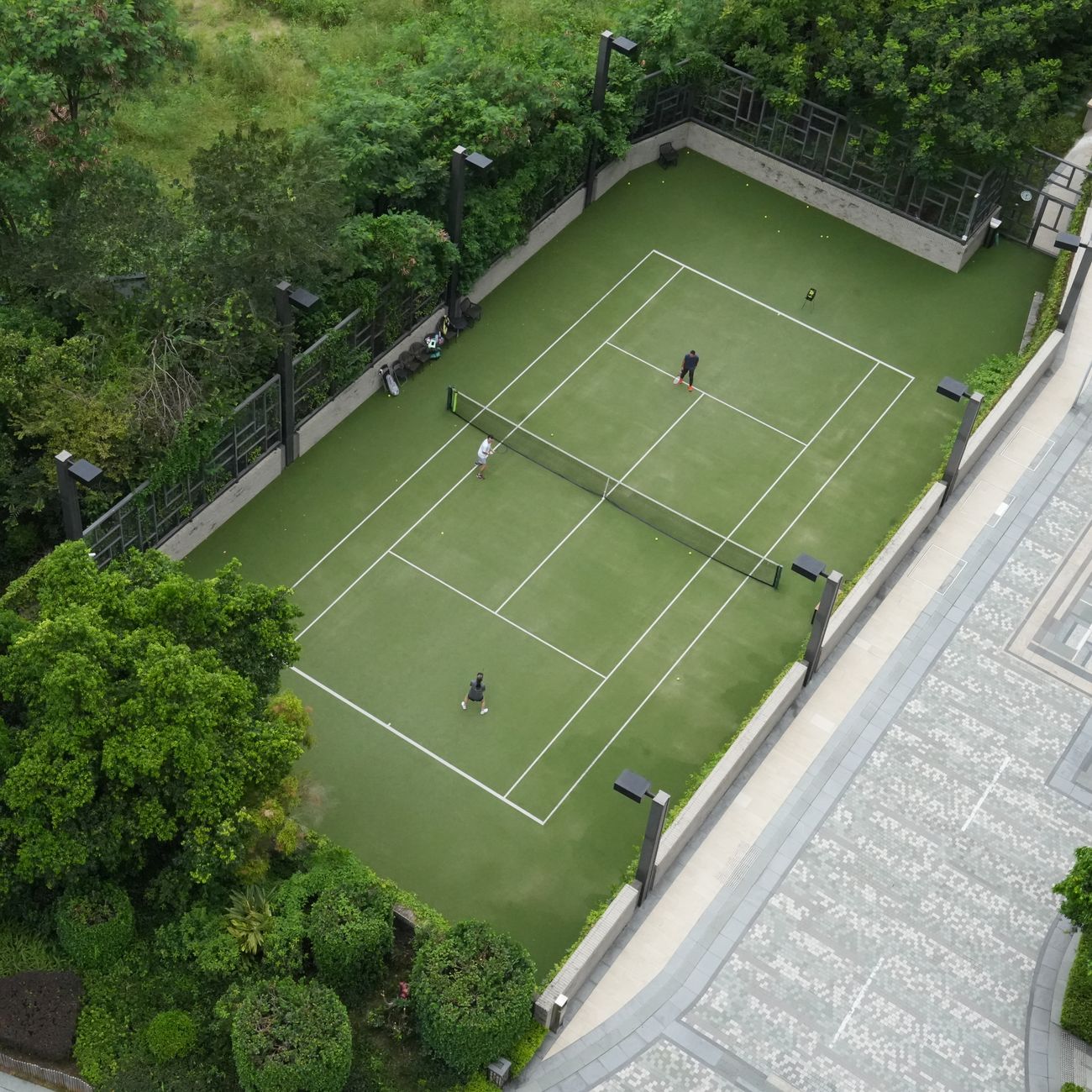
core stability refers to the ability of the muscles surrounding the trunk to maintain a neutral spine position while the limbs move freely. In the context of tennis recovery, this concept is critical because the rapid, multi‑directional motions required on the court place high demands on the spinal and pelvic regions. A well‑developed core provides a solid platform from which the upper and lower extremities can generate force efficiently, reducing the risk of compensatory patterns that often lead to injury.
lumbar spine is the lower portion of the vertebral column, consisting of five vertebrae (L1‑L5). Its primary function is to support the weight of the upper body and allow limited rotation, flexion, and extension. Tennis players frequently experience repetitive lumbar extension during serve motion and excessive flexion during groundstroke follow‑through. Understanding the biomechanics of the lumbar spine helps clinicians target specific stabilizing muscles during rehabilitation.
transverse abdominis is the deepest abdominal muscle, wrapping horizontally around the abdomen like a corset. Its activation creates intra‑abdominal pressure that stabilizes the lumbar vertebrae, particularly during rotational movements. In a tennis player, the transverse abdominis contracts before the obliques and rectus abdominis in a feed‑forward manner, preparing the trunk for the high‑velocity rotation of a forehand or backhand. Training this muscle through “dead‑bug” and “bird‑dog” progressions enhances spinal protection during on‑court play.
diaphragm is the primary respiratory muscle that also contributes to core stability. When it contracts, it increases intra‑abdominal pressure, which works in concert with the transverse abdominis and pelvic floor to create a rigid torso. Athletes who practice diaphragmatic breathing during warm‑ups develop better trunk rigidity, allowing more efficient force transfer from the lower body to the racquet.
pelvic floor consists of a group of muscles that span the bottom of the pelvis. Though often overlooked in sports rehabilitation, the pelvic floor collaborates with the diaphragm and transverse abdominis to regulate intra‑abdominal pressure. Weakness in this area can compromise lumbar support, especially during long matches where fatigue leads to decreased core engagement.
static stability describes the ability to maintain a fixed posture without movement. In tennis recovery, static stability drills such as the plank or side bridge are used to assess endurance of the core musculature. These exercises isolate the trunk muscles, allowing clinicians to identify imbalances that may have developed during periods of inactivity following injury.
dynamic stability involves maintaining trunk control while the body is in motion. This is the functional reality of tennis, where the core must stabilize the spine as the player lunges, pivots, and reaches. Dynamic stability is assessed with movement‑based tests like the medicine‑ball rotational throw or single‑leg squat, which reveal how well the core can resist perturbations during sport‑specific tasks.
proximal stability refers to the stability of the central body (the “proximal” segment) that provides a foundation for distal (limb) movement. In the kinetic chain model, a stable pelvis and lumbar spine allow the shoulder, elbow, and wrist to generate racquet speed without excessive compensatory motion. Lack of proximal stability often manifests as shoulder impingement or elbow valgus stress in tennis players.
distal mobility is the capacity of the extremities to move freely and generate power. While core training focuses on proximal stability, it must not impede distal mobility. Effective rehabilitation programs balance these two principles, ensuring that the trunk remains firm while the shoulder and wrist retain the range of motion needed for aggressive topspin shots.
muscle synergy describes the coordinated activation of groups of muscles to produce smooth, efficient movement. In a serve, the gluteus maximus, hamstrings, core, and shoulder rotators fire in a synchronized pattern. Disruption of this synergy—such as delayed core activation—can shift load to secondary structures, increasing the chance of overuse injuries.
feed‑forward activation is the anticipatory recruitment of stabilizing muscles before a prime mover initiates a movement. Research shows that the transverse abdominis and multifidus activate milliseconds before the deltoid during a forehand. Training programs that emphasize cueing “brace before swing” improve this timing, leading to better spinal protection.
postural control is the ability to maintain balance and orientation in space. Tennis players constantly adjust their center of mass during rapid direction changes. Impaired postural control, often seen after ankle sprains or lower back pain, can be remediated with balance board exercises that also challenge core stability.
kinetic chain is the concept that body segments are linked like a series of levers. When one link (e.G., The hips) is weak or unstable, the adjacent links (e.G., The lumbar spine) compensate, leading to strain. Rehabilitation that isolates each link—hip abductors, core, scapular stabilizers—restores proper load distribution throughout the chain.
force attenuation refers to the body’s ability to absorb and dissipate impact forces. During a serve, ground reaction forces travel up through the legs, pelvis, and spine before reaching the shoulder. A robust core acts as a shock absorber, reducing the magnitude of forces transmitted to the upper extremities and decreasing the risk of shoulder and elbow injuries.
eccentric contraction occurs when a muscle lengthens under load. In tennis, the eccentric phase of the forehand deceleration requires the core muscles to control spinal flexion while the arm slows the racquet. Incorporating eccentric loading—such as slow, controlled lowering from a plank—enhances the muscle’s ability to resist strain during high‑velocity deceleration.
concentric contraction is the shortening of a muscle while generating force. The concentric phase of a serve includes explosive hip extension and core rotation. Training with medicine‑ball throws that emphasize rapid concentric core activation helps athletes develop the power needed for serve velocity.
isometric contraction involves muscle activation without joint movement. Isometric core exercises, such as the abdominal bracing hold, improve spinal rigidity without placing shear stress on the lumbar discs, making them ideal for early stages of tennis injury recovery.
neuromuscular control is the brain’s ability to coordinate muscle activity to achieve precise movement. After a lumbar strain, athletes often lose fine‑tuned neuromuscular control, resulting in delayed core activation. Rehabilitation that utilizes proprioceptive cues, visual feedback, and perturbation training restores this control, enabling safe return to play.
proprioception is the sense of body position and movement derived from receptors in muscles, tendons, and joints. Tennis players rely on proprioceptive feedback to adjust racquet position mid‑stroke. Core proprioception can be enhanced with instability devices (e.G., Stability balls) that force the trunk to maintain alignment while the athlete performs functional movements.
core endurance refers to the ability of the core muscles to sustain submaximal contraction over time. Endurance deficits are common in players who have been sidelined for several weeks. Testing with a timed plank or side‑bridge provides objective data, while progressive overload through extended holds improves the stamina needed for long matches.
core strength is the maximal force the core can produce. Strength deficits often emerge after periods of immobilization following surgery. Resistance‑training methods—such as cable rotations, weighted sit‑ups, and kettlebell swings—target the primary and secondary core muscles, increasing the capacity to generate high force during serves and groundstrokes.
core power combines speed and strength, essential for explosive tennis actions. Power training incorporates ballistic movements, like medicine‑ball slams, that mimic the rapid trunk rotation of a forehand. By measuring peak power output with a force plate, clinicians can track progress and determine readiness for competition.
core activation is the process of engaging the core muscles prior to movement. In rehabilitation, cueing strategies such as “draw your belly button toward your spine” or “imagine tightening a corset” help athletes achieve optimal activation. Video analysis can verify activation patterns during sport‑specific drills.
core bracing is a technique where the athlete creates a rigid torso by co‑activating the abdominal wall, diaphragm, and pelvic floor. This bracing is crucial during heavy lifts, but also during high‑intensity tennis strokes where the spine must resist torsional forces. Proper bracing reduces lumbar shear and protects intervertebral discs.
core engagement is similar to activation but emphasizes maintaining engagement throughout a movement sequence. For example, during a serve, the athlete should keep the core engaged from the backswing through the follow‑through to avoid excessive lumbar extension at the end of the motion.
core fatigue occurs when the stabilizing muscles can no longer sustain the required level of contraction. Fatigued core muscles lead to compromised spinal alignment, increasing the likelihood of acute strain or chronic overuse injury. Monitoring fatigue through repeated‑measure tests (e.G., Multiple plank holds) helps schedule appropriate rest and recovery.
core assessment comprises a battery of tests designed to evaluate strength, endurance, stability, and motor control. Common tools include the McGill Core Endurance Test, the Functional Movement Screen (FMS) deep squat, and sport‑specific assessments like the medicine‑ball rotational throw. Results guide individualized rehabilitation plans.
functional movement screen (FMS) is a systematic evaluation that identifies movement limitations and asymmetries. The deep squat, hurdle step, and in‑line lunge components each challenge core stability in different planes. Scoring the FMS provides a baseline from which progress can be measured over the course of tennis recovery.
single‑leg squat challenges the core’s ability to stabilize the pelvis while the lower extremity moves. Performing this exercise on a stable surface tests static stability; adding a BOSU ball introduces dynamic instability, further engaging the core. Clinicians observe trunk sway and knee valgus as indicators of core weakness.
medicine‑ball rotational throw replicates the torquing motion of a tennis stroke. The athlete stands with feet shoulder‑width apart, holds a medicine ball at chest height, rotates the hips and trunk, and explosively throws the ball forward. Measuring distance or velocity provides quantitative feedback on core power and coordination.
plank is a fundamental isometric core exercise. Variations such as forearm, side, and reverse planks target different muscle groups. Holding a plank for 60 seconds or longer indicates adequate core endurance for moderate‑level competition, while shorter holds suggest the need for progressive training.
dead‑bug is a controlled movement that promotes feed‑forward activation of the transverse abdominis. The athlete lies supine, extends opposite arm and leg while maintaining a neutral spine, then returns to the starting position. This exercise is especially valuable for early‑stage rehabilitation after lumbar disc irritation.
bird‑dog is a quadruped exercise that simultaneously challenges core stability and posterior chain strength. Extending opposite arm and leg while keeping the torso stable reinforces the multifidus and gluteus maximus, both essential for hip extension during serves.
side‑bridge (or side plank) isolates the obliques and hip abductors, important for resisting lateral forces encountered during side‑to‑side court coverage. Progressions include adding leg lifts or weighted belts to increase the demand on the core.
rotational stability is the core’s capacity to resist unwanted torsion while allowing purposeful rotation. Tennis players need high rotational stability to generate powerful topspin without compromising spinal alignment. Training this quality involves anti‑rotation exercises, such as Pallof presses, where the athlete resists a lateral pull while maintaining a neutral spine.
antagonist muscles oppose the action of the prime mover. In core training, the erector spinae acts as an antagonist to the abdominal muscles during trunk flexion. Balancing antagonist and agonist strength prevents excessive curvature and promotes symmetrical spinal loading.
agonist muscles are the primary movers in a given action. During a forehand, the internal obliques and external obliques act as agonists for trunk rotation. Strengthening agonists ensures that the core can generate the necessary torque for high‑velocity strokes.
synergist muscles assist the agonist in producing movement. The rectus abdominis and transverse abdominis work together as synergists during trunk flexion, providing both force and stability. Rehabilitation that isolates each synergist helps refine movement patterns and reduce compensatory strategies.
stabilizer muscles maintain joint position while other muscles move the limb. The multifidus, deep spinal stabilizer, provides segmental control of the lumbar vertebrae during dynamic tennis actions. Targeted activation of stabilizers through low‑load, high‑precision drills is crucial for post‑injury recovery.
prime mover is the muscle that generates the majority of force for a movement. In a serve, the gluteus maximus is the prime mover for hip extension, while the core provides the rotational platform. Understanding the hierarchy of prime movers and stabilizers guides exercise sequencing in rehabilitation protocols.
injury mechanism describes how a specific movement or load pattern leads to tissue damage. Common tennis injury mechanisms include repetitive lumbar hyperextension during serving, abrupt deceleration causing eccentric overload of the core, and inadequate trunk control during lateral lunges. Identifying the mechanism informs targeted core interventions.
overuse injury results from repetitive micro‑trauma without sufficient recovery. Core fatigue is a frequent contributor to overuse injuries in the shoulder and elbow, as a compromised trunk forces the upper extremities to compensate. Preventative core conditioning reduces cumulative load on vulnerable structures.
musculoskeletal imbalance occurs when one group of muscles becomes stronger or more flexible than its opposing group. Tennis players often develop tight hip flexors and weak gluteal muscles, leading to anterior pelvic tilt and increased lumbar lordosis. Core‑focused corrective exercises address these imbalances, restoring neutral spinal posture.
scapular stabilizers—including the serratus anterior, lower trapezius, and rhomboids—work in tandem with the core to maintain shoulder girdle alignment during strokes. Weak scapular stabilizers can place additional rotational demand on the lumbar spine, emphasizing the need for integrated core and shoulder rehabilitation.
lower back pain (LBP) is prevalent among tennis players, frequently linked to insufficient core endurance or poor motor control. Acute LBP may stem from a sudden lumbar flexion event, while chronic LBP often relates to persistent core weakness. A graded core‑strengthening program, combined with ergonomic education, is the cornerstone of LBP management.
lumbar extension exercises such as the superman or prone back extension target the erector spinae, essential for resisting flexion forces during a serve’s follow‑through. However, excessive lumbar extension without adequate abdominal control can exacerbate disc pathology; therefore, these exercises should be paired with core bracing cues.
lumbar flexion movements, like sit‑ups, increase anterior loading on the intervertebral discs. In rehabilitation, controlled lumbar flexion is introduced only after the transverse abdominis and multifidus have been re‑educated, ensuring that the spine remains protected during flexion‑dominant activities.
hip hinge is a fundamental movement pattern that transfers load from the lower extremities to the torso while preserving a neutral spine. Teaching the hip hinge through kettlebell deadlifts teaches tennis players to generate power from the hips rather than over‑relying on lumbar extension.
gluteal activation is essential for stabilizing the pelvis during single‑leg stance phases of court movement. Failure to activate the gluteus medius leads to increased pelvic drop, which forces the core to work harder to maintain balance. Incorporating clamshells and side‑lying leg lifts into rehab restores proper pelvic control.
hip abductors (gluteus medius and minimus) provide frontal‑plane stability. Weakness in these muscles often manifests as excessive lateral trunk lean during a forehand, placing additional shear on the lumbar spine. Strengthening hip abductors reduces reliance on the core for lateral stability.
multifidus is a deep spinal stabilizer that spans each vertebral segment. It contracts reflexively to protect the lumbar spine during rapid trunk rotations. Ultrasound‑guided activation training helps athletes regain multifidus function after disuse atrophy.
pelvic tilt describes the orientation of the pelvis in the sagittal plane. An anterior tilt increases lumbar lordosis, while a posterior tilt flattens the lumbar curve. Core exercises that promote neutral pelvic positioning—such as pelvic clocks—help normalize spinal curvature and reduce strain on the discs.
spinal alignment is the orderly arrangement of vertebrae in the three anatomical planes. Proper alignment minimizes shear forces during dynamic tennis actions. Rehabilitation protocols emphasize maintaining alignment through cueing (“keep your ribs down”) during all core exercises.
load progression is the systematic increase of resistance, volume, or complexity in training. For tennis recovery, load progression follows a “time‑under‑tension” model: Starting with low‑intensity isometric holds, advancing to dynamic rotations, and culminating in sport‑specific power drills. This graduated approach ensures tissue adaptation without overloading the healing core.
volume manipulation involves adjusting the number of sets, repetitions, or duration of core exercises to manage fatigue. Early in rehab, low volume with high quality of movement is prioritized; as tolerance improves, volume is increased to develop endurance required for long matches.
frequency denotes how often core training sessions occur each week. Evidence suggests that 3‑4 sessions per week provide optimal stimulus for strength and endurance adaptations while allowing sufficient recovery for the lumbar tissues.
intensity reflects the load or resistance used during core exercises. For isometric holds, intensity is measured by duration; for dynamic movements, intensity is quantified by external load (e.G., Medicine‑ball weight). Training intensity must respect the stage of tissue healing—sub‑painful loads for acute phases, higher loads for chronic conditioning.
exercise selection is guided by the specific deficits identified in the core assessment. If a player shows poor anti‑rotation control, exercises like Pallof presses are emphasized; if endurance is lacking, longer plank variations become the focus. Tailoring selection ensures relevance to the athlete’s functional needs.
movement pattern integration is the process of embedding core exercises within sport‑specific drills. For example, after mastering the dead‑bug, a player may perform a shadow swing while maintaining core bracing, bridging the gap between isolated training and on‑court performance.
feedback mechanisms such as video replay, tactile cues, or wearable sensors provide real‑time information on core activation. Immediate feedback accelerates motor learning, allowing the athlete to correct faulty patterns before they become ingrained.
motor learning describes the acquisition and refinement of movement skills through practice and feedback. Core stability training for tennis recovery relies on motor learning principles—repetition, variability, and progressive challenge—to embed proper trunk control into the athlete’s movement repertoire.
neuromuscular fatigue is a temporary decline in the ability of the nervous system to activate muscles efficiently. In tennis, neuromuscular fatigue of the core may emerge after consecutive sets, leading to decreased trunk rigidity and increased injury risk. Monitoring fatigue through perceived exertion scales and performance tests helps schedule appropriate rest.
re‑injury risk increases when core deficits are not fully resolved before returning to competition. A comprehensive re‑entry protocol includes functional core testing, sport‑specific simulation, and a graduated match exposure plan to mitigate this risk.
return‑to‑play criteria for core stability often include: (1) Ability to hold a plank for at least 90 seconds with neutral spine, (2) perform three consecutive medicine‑ball rotational throws exceeding 70% of pre‑injury power, (3) demonstrate symmetrical hip‑abductor strength within 10% of the contralateral side, and (4) maintain trunk alignment during a simulated serve without pain. Meeting these benchmarks indicates readiness for competitive tennis.
rehabilitation timeline varies with injury severity. Acute lumbar strains may require 2‑4 weeks of gentle core activation, while post‑surgical disc repair may demand 6‑12 weeks of progressive loading. Throughout the timeline, core training intensity, volume, and complexity are adjusted to match tissue healing stages.
clinical reasoning involves interpreting assessment data, identifying underlying deficits, and selecting appropriate interventions. For a player presenting with chronic low back pain and reduced trunk rotation, the clinician might prioritize transverse abdominis re‑education, multifidus strengthening, and anti‑rotation drills before introducing high‑velocity serve drills.
evidence‑based practice underscores all core stability interventions. Systematic reviews highlight that combined core strengthening and neuromuscular training reduces recurrence of lumbar injuries in overhead athletes. Incorporating peer‑reviewed protocols ensures that the tennis recovery program aligns with current scientific standards.
patient education is a pivotal component of successful core rehabilitation. Athletes must understand the role of the core in injury prevention, the importance of consistent home exercises, and the signs of overtraining. Providing clear handouts and video demonstrations enhances adherence.
home exercise program (HEP) extends the benefits of clinic‑based training into the athlete’s daily routine. A typical HEP for tennis recovery might include: 1) Diaphragmatic breathing with pelvic floor engagement (5 minutes), 2) dead‑bug series (3 sets of 10 repetitions per side), 3) side‑bridge with hip dip (3 sets of 30 seconds each side), and 4) Pallof press with light resistance (3 sets of 12 repetitions). Progression is guided by weekly check‑ins.
progress monitoring utilizes objective metrics—such as plank duration, medicine‑ball throw distance, and hip‑abductor dynamometer readings—to track improvements. Plotting these data points over time provides visual motivation for the athlete and informs necessary adjustments to the training plan.
psychological readiness influences core performance. Anxiety or lack of confidence can lead to premature relaxation of the core during high‑pressure situations, undermining stability. Incorporating mental‑skill training, such as visualization of a braced trunk during serves, supports holistic recovery.
interdisciplinary collaboration ensures that core stability is addressed from multiple perspectives. Physical therapists, strength coaches, sports physicians, and tennis coaches coordinate to align training loads, recovery strategies, and technical adjustments, creating a unified approach to player health.
sport‑specific conditioning merges general core principles with tennis demands. Example drills include: (A) “split‑step to plank” where the player performs a split‑step, lands into a plank, and immediately returns to a ready stance; (b) “serve‑catch” where after a simulated serve, the player catches a ball with a partner while maintaining core bracing; (c) “lateral shuffle with anti‑rotation hold” where the athlete shuffles side‑to‑side while resisting a cable pull. These drills reinforce core engagement under realistic match‑play scenarios.
periodization structures core training across macro‑, meso‑, and micro‑cycles, aligning with the tennis season. Early season focuses on building foundational strength and endurance, mid‑season emphasizes power and sport‑specific integration, and late season prioritizes maintenance and injury prevention. Adjusting core workload to match competition peaks reduces overuse risk.
load monitoring tools such as session rating of perceived exertion (sRPE) and wearable inertial measurement units (IMUs) provide quantitative insight into the stress placed on the core during training. A sudden spike in sRPE without a corresponding increase in performance may signal the need for a deload week.
deload week is a planned reduction in training volume and intensity, allowing tissues to recover and adapt. For core stability, a deload week might consist of reduced sets, lighter resistance, and increased emphasis on mobility and breathing work. This strategic pause supports long‑term progression and minimizes burnout.
mobility work complements core strengthening by ensuring that the thoracic spine, hips, and shoulders have sufficient range of motion to execute optimal movement patterns. Foam‑rolling the thoracic extensors, performing hip flexor stretches, and executing shoulder pass‑throughs help maintain a balanced kinetic chain.
myofascial release targets connective tissue restrictions that can impede core function. Applying a foam roller to the latissimus dorsi, quadratus lumborum, and gluteal muscles improves tissue pliability, allowing the core to engage more effectively during dynamic tennis actions.
integrated warm‑up combines aerobic activation, dynamic stretching, and core priming. A typical tennis‑specific warm‑up may start with 5 minutes of light jogging, followed by dynamic leg swings, arm circles, and a series of anti‑rotation band pulls to activate the core before hitting drills begin.
cool‑down protocol incorporates gentle core stretches and breathing exercises to promote recovery. Holding a supine twist for 30 seconds on each side, followed by diaphragmatic breathing while lying on the back, helps reset intra‑abdominal pressure and reduces post‑exercise soreness.
nutrition for core recovery emphasizes adequate protein intake to support muscle repair, omega‑3 fatty acids for anti‑inflammatory effects, and sufficient hydration to maintain disc health. A post‑training snack containing 20‑30 g of high‑quality protein, such as Greek yogurt with berries, aids in rebuilding core musculature.
sleep hygiene is essential for neuromuscular recovery. Aim for 7‑9 hours of uninterrupted sleep, creating a dark, cool environment, and limiting screen exposure before bedtime. Poor sleep impairs motor learning, making it harder for the brain to consolidate core activation patterns.
injury surveillance systems track the incidence of core‑related injuries across a tennis program. By logging each player’s pain levels, training load, and functional test scores, coaches can identify trends and intervene early, adjusting core programming before injuries become severe.
case study – player A (male, 22 years, collegiate level) presented with chronic low back pain after a season of heavy serving. Assessment revealed reduced plank time (45 seconds), asymmetrical hip‑abductor strength (15 % deficit on the right), and delayed transverse abdominis activation on EMG. Intervention began with diaphragmatic breathing and pelvic floor activation, progressed to dead‑bug and bird‑dog drills, incorporated side‑bridge with hip dips, and later added medicine‑ball rotational throws. After eight weeks, plank time increased to 95 seconds, hip‑abductor strength normalized, and serve velocity improved by 5 mph. Player A returned to competition without recurrence of back pain, illustrating the impact of targeted core rehabilitation.
case study – player B (female, 30 years, professional tour) suffered an acute lumbar strain during a serve. Immediate care focused on pain control and gentle isometric core activation. Once pain subsided, a progressive program emphasized eccentric lumbar extension (prone back extensions with light resistance), anti‑rotation training (Pallof press), and dynamic hip‑hinge movements ( kettlebell deadlifts). Core power was later addressed with medicine‑ball slams and rotational jumps. Over a 12‑week period, player B regained pre‑injury serve speed and reported no lingering discomfort, underscoring the necessity of combining strength, endurance, and power elements in core recovery.
common challenges during core stability training for tennis include: (1) Patient non‑compliance with home exercises, (2) difficulty mastering feed‑forward activation, (3) fear of re‑injury limiting effort, (4) balancing core work with sport‑specific skill training, and (5) monitoring fatigue in a high‑volume competition schedule. Strategies to overcome these obstacles involve using technology for feedback, setting realistic short‑term goals, integrating core cues into regular tennis drills, and employing periodized load management.
strategic cues that facilitate core engagement include: “Draw your belly button toward your spine,” “keep your ribs down,” “imagine a belt tightening around your waist,” and “maintain a neutral head position.” Consistent use of these cues during both isolated core exercises and on‑court practice helps embed proper trunk control into the athlete’s motor repertoire.
assessment pitfalls to avoid: Relying on a single test (e.G., Plank) to gauge overall core health, neglecting to assess asymmetries, ignoring the role of the diaphragm and pelvic floor, and failing to re‑evaluate after each training phase. A comprehensive assessment protocol that combines endurance, strength, power, and motor‑control measures provides a more accurate picture of the athlete’s core status.
technology integration includes using surface EMG to verify transverse abdominis activation, motion capture to analyze trunk rotation during serves, and pressure sensors under the mat to monitor weight distribution during single‑leg stability tasks. While these tools enhance precision, they should complement, not replace, clinical observation and palpation.
future directions in core stability research for tennis recovery point toward: (1) Exploring the impact of core fatigue on serve biomechanics using real‑time wearable sensors, (2) investigating optimal dosing of anti‑rotation training for injury prevention, (3) integrating virtual reality environments to simulate match stress while monitoring core activation, and (4) developing individualized algorithms that predict re‑injury risk based on core performance metrics. Staying abreast of emerging evidence allows practitioners to refine protocols and deliver cutting‑edge care.
key take‑aways for the practitioner include: Recognize that core stability is not a static attribute but a dynamic skill that must be trained in multiple planes; prioritize feed‑forward activation of deep abdominal muscles before adding high‑velocity rotations; balance static endurance with dynamic power to meet the demands of long matches and explosive strokes; use objective testing to guide progression and ensure readiness for competition; and embed core cues into every tennis‑specific drill to create a seamless transition from rehabilitation to performance. By adhering to these principles, clinicians can facilitate efficient recovery, enhance on‑court performance, and reduce the long‑term injury burden for tennis athletes.
Key takeaways
- A well‑developed core provides a solid platform from which the upper and lower extremities can generate force efficiently, reducing the risk of compensatory patterns that often lead to injury.
- Tennis players frequently experience repetitive lumbar extension during serve motion and excessive flexion during groundstroke follow‑through.
- In a tennis player, the transverse abdominis contracts before the obliques and rectus abdominis in a feed‑forward manner, preparing the trunk for the high‑velocity rotation of a forehand or backhand.
- Athletes who practice diaphragmatic breathing during warm‑ups develop better trunk rigidity, allowing more efficient force transfer from the lower body to the racquet.
- Though often overlooked in sports rehabilitation, the pelvic floor collaborates with the diaphragm and transverse abdominis to regulate intra‑abdominal pressure.
- These exercises isolate the trunk muscles, allowing clinicians to identify imbalances that may have developed during periods of inactivity following injury.
- Dynamic stability is assessed with movement‑based tests like the medicine‑ball rotational throw or single‑leg squat, which reveal how well the core can resist perturbations during sport‑specific tasks.