
Culinary Innovation for Premium Experiences
Culinary Innovation for premium experiences is a dynamic field that blends creativity, technology, and deep understanding of guest expectations. In the context of luxury hospitality, it involves developing dishes that not only delight the p…
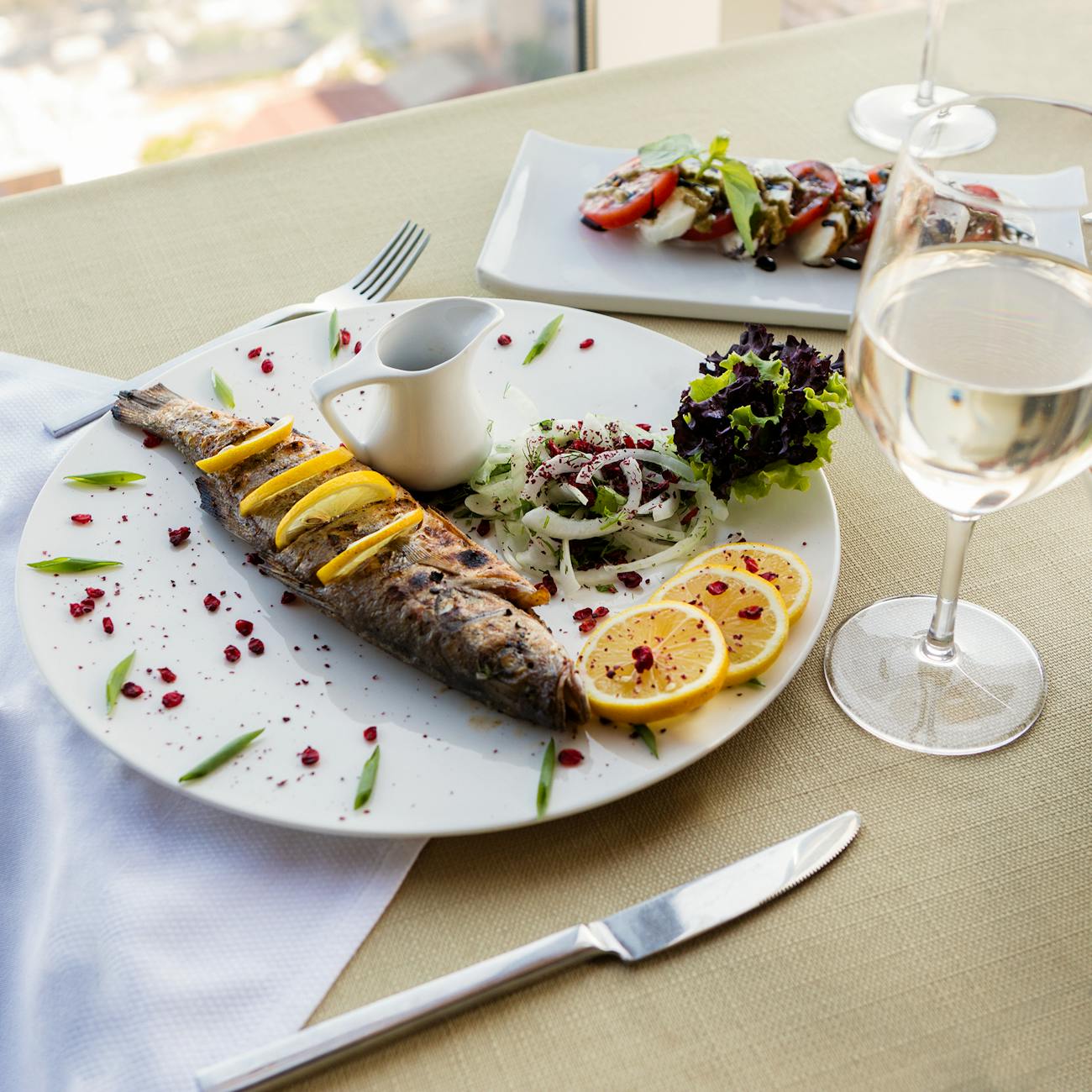
Culinary Innovation for premium experiences is a dynamic field that blends creativity, technology, and deep understanding of guest expectations. In the context of luxury hospitality, it involves developing dishes that not only delight the palate but also convey a story, reflect cultural authenticity, and reinforce brand prestige. The following key terms and vocabulary form the foundation for students studying this discipline. Each definition is accompanied by examples, practical applications, and common challenges that professionals encounter.
Farm‑to‑Table A sourcing philosophy that emphasizes fresh, locally grown ingredients, reducing the distance between producer and plate. In a luxury resort, a chef might partner with nearby vineyards to procure heirloom tomatoes and boutique olives, creating a menu that showcases regional terroir. Practical application includes seasonal menu cycles that adapt to harvest calendars. A challenge is maintaining consistent supply, as small‑scale farms can be vulnerable to weather fluctuations and labor shortages.
Artisanal Technique Methods that prioritize handcrafted processes, often preserving traditional skills. Examples include hand‑rolled pasta, smoked cheese made in a small‑batch cellar, and wood‑fired charcuterie. In premium settings, artisans may be invited to demonstrate their craft in the dining room, adding an interactive element. The main challenge lies in scaling these techniques without compromising quality, especially when demand spikes during peak seasons.
Sustainable Sourcing The practice of selecting ingredients that have minimal environmental impact and support ethical production. This includes certified organic produce, responsibly fished seafood, and free‑range poultry. A luxury hotel might feature a “green menu” where dishes are labeled with sustainability icons, guiding guests toward eco‑conscious choices. Challenges involve verifying certifications across multiple supply chains and balancing cost pressures while maintaining the high price point expected in luxury markets.
Molecular Gastronomy A scientific approach that manipulates the physical and chemical properties of food to create novel textures and flavors. Techniques such as spherification, foaming, and sous‑vide cooking fall under this umbrella. For instance, a deconstructed lemon tart could be presented as a lemon caviar sphere atop a cloud of meringue foam. While the visual impact is striking, chefs must manage the technical complexity, equipment investment, and potential guest resistance to unfamiliar presentations.
Flavor Pairing The strategic combination of ingredients that complement or contrast each other to enhance overall taste. Modern flavor pairing often relies on data from food chemistry, such as shared volatile compounds. An example is pairing dark chocolate with smoked sea salt, where the smoky notes amplify the chocolate’s richness. Practical application includes creating tasting menus where each course builds on the previous flavor profile. A common challenge is avoiding overly predictable pairings that lack excitement for discerning luxury diners.
Umami One of the five basic tastes, described as a savory, mouth‑filling sensation. Ingredients rich in glutamates, such as aged Parmesan, kombu seaweed, and fermented soy, contribute umami depth. In premium cuisine, a chef may incorporate a miso‑infused broth to elevate a seafood dish, creating a lingering savoriness that resonates with the palate. The challenge is balancing umami with other taste elements to prevent overwhelming the dish.
Texture Contrast The deliberate use of differing mouthfeel components within a single dish to generate interest. Combining a crisp, fried element with a silky purée exemplifies this principle. For a luxury tasting menu, a seared scallop might be served atop a cauliflower purée with a crunchy almond crumble, delivering a harmonious interplay of softness and crunch. Executing texture contrast demands precise timing to preserve the intended textures until service.
Plating Aesthetics The visual arrangement of food on the plate, encompassing balance, color harmony, and negative space. High‑end restaurants often employ minimalist plating, allowing each component to stand out. A practical tip is to use a single focal point, such as a central garnish, to guide the guest’s eye. Challenges include maintaining consistency across service and adapting plating designs for various plate sizes and shapes.
Guest Journey The sequential experience a guest undergoes from arrival to departure, with culinary moments acting as pivotal touchpoints. In luxury hospitality, the dining experience may be integrated with a pre‑dinner cocktail, a multi‑course tasting menu, and a post‑meal digestif, each engineered to elevate the overall perception of value. Mapping the guest journey helps identify opportunities for surprise and delight, such as a chef’s table offering behind‑the‑scenes insight. The difficulty lies in coordinating multiple departments to deliver a seamless narrative.
Narrative Cuisine A storytelling approach where each dish reflects a theme, cultural heritage, or personal memory. For example, a “Silk Road” menu could trace flavors from Persia to China, using spices like saffron and star anise to evoke historic trade routes. Practical application involves training front‑of‑house staff to convey the story convincingly, enhancing guest engagement. A potential obstacle is ensuring the narrative does not overshadow the quality of the food itself.
Chef de Cuisine The executive chef responsible for overseeing kitchen operations, menu development, and staff mentorship. In a luxury hotel, the chef de cuisine must align culinary creations with the brand’s identity while managing costly ingredients and high service standards. Leadership skills, such as fostering a culture of innovation, are crucial. Challenges often stem from balancing creative freedom with financial constraints imposed by the property’s management.
Signature Dish A standout creation that embodies the chef’s style and becomes synonymous with the establishment. It serves as a marketing asset, drawing guests who seek the iconic experience. For instance, a truffle‑infused lobster risotto may become the hallmark of a seaside resort. Maintaining the integrity of a signature dish requires rigorous quality control and periodic reinvention to keep it fresh for repeat visitors.
Ingredient Traceability The ability to track an ingredient from its origin to the final plate, ensuring transparency and safety. Luxury venues often implement blockchain or QR code systems that allow guests to scan a dish and view its provenance. Practical benefits include building trust and differentiating the brand. However, establishing a robust traceability network can be costly and requires collaboration with suppliers willing to share detailed data.
Seasonality The practice of aligning menus with the natural harvest cycles of ingredients, maximizing flavor and freshness. A winter menu might feature root vegetables, braised short ribs, and winter berries, while a summer offering could highlight heirloom tomatoes, fresh herbs, and stone fruits. Seasonal menus encourage repeat visits as guests anticipate new creations. The challenge is predicting demand and managing inventory for short‑lived produce.
Flavor Spectrum The range of taste sensations—sweet, sour, salty, bitter, and umami—along with aromatic and textural nuances. Understanding the flavor spectrum enables chefs to construct balanced dishes that satisfy multiple sensory dimensions. In premium experiences, a chef may design a tasting menu that progresses from light, citrusy notes to deep, earthy flavors, creating a crescendo of taste. Difficulties arise when attempting to please diverse palates within a single group.
Chef’s Table An intimate dining setting located within or adjacent to the kitchen, allowing guests to observe culinary preparation and interact directly with the chef. This format enhances exclusivity and provides a platform for experimental dishes. Practical considerations include managing noise levels, ensuring safety, and maintaining the kitchen’s workflow. Additionally, chefs must be adept at storytelling to enrich the experience.
Gastronomic Research Systematic investigation into food science, consumer preferences, and emerging trends. Luxury hotels may partner with culinary institutes to develop innovative techniques, such as high‑pressure processing for novel textures. Research findings can translate into menu innovations that set the property apart. Funding, time constraints, and translating academic results into practical kitchen applications are common hurdles.
Ingredient Curation The selective process of choosing ingredients that align with a culinary vision, brand identity, and guest expectations. Curating rare items like white truffle or heritage grains involves establishing relationships with niche producers. The curated approach adds exclusivity, but sourcing rarity can be unpredictable, and price volatility may impact profitability.
Cross‑Cultural Fusion Combining culinary elements from different culinary traditions to create hybrid dishes. An example is a miso‑glazed wagyu steak served with a chimichurri sauce, marrying Japanese umami with Argentine zest. Successful fusion respects the integrity of each cuisine while delivering a harmonious result. Risks include cultural appropriation and confusing guests if the integration feels forced.
Interactive Dining A format where guests participate in the preparation or assembly of their meal, heightening engagement. In a luxury setting, a tableside flambé or a DIY sushi roll station can add theatrical flair. The key to success lies in training staff to guide guests safely and ensuring that the interactive element does not compromise the dish’s quality. Managing timing and cleanliness are practical challenges.
Palate Cleansing A technique used between courses to reset the taste buds, often employing sorbet, citrus, or light broth. In a multi‑course tasting menu, a small scoop of yuzu sorbet might precede a rich meat course, allowing guests to fully appreciate subsequent flavors. Overuse can disrupt the flow, so chefs must strategically place palate cleansers to maintain momentum.
Umami‑Rich Stock A foundational liquid infused with ingredients high in glutamates, such as kombu, dried mushrooms, and tomato paste. This stock provides depth to sauces and soups, especially in premium dining where subtlety matters. Preparing an umami‑rich stock requires careful simmering to extract flavors without bitterness. The challenge is achieving consistency across large batches.
Fermentation A controlled microbial process that transforms ingredients, enhancing flavor complexity and preservation. Luxury kitchens might produce house‑made kimchi, miso, or aged balsamic reductions. Fermented components add a layer of sophistication and can be featured as condiments or incorporated into sauces. Managing fermentation timelines and maintaining sanitary conditions are essential to avoid spoilage.
Seasonal Foraging The practice of gathering wild edibles such as mushrooms, seaweed, and herbs in their natural habitats. Foragers collaborate with chefs to source unique ingredients that cannot be cultivated, adding exclusivity to the menu. Example: A coastal resort might serve a dish featuring locally foraged samphire. Foraging carries risks related to sustainability, legal restrictions, and ensuring proper identification of safe species.
Zero‑Waste Philosophy An operational mindset aimed at minimizing food waste through creative utilization of all parts of an ingredient. Techniques include turning vegetable trimmings into consommés, repurposing stale bread into croutons, and using fish bones for stock. In premium establishments, zero‑waste practices can be highlighted in marketing to appeal to environmentally conscious guests. Implementation requires meticulous planning and staff training.
Ingredient Highlight A menu strategy that showcases a single, high‑quality component across multiple dishes, emphasizing its versatility. For example, a menu centered on black truffle may feature truffle‑infused risotto, truffle‑scented custard, and a truffle‑enhanced chocolate mousse. This approach elevates the ingredient’s prestige and justifies higher pricing. The difficulty lies in preventing menu fatigue and ensuring each dish offers a distinct experience.
Chef’s Signature Technique A distinctive method that defines a chef’s style, such as a particular smoking method, a unique plating tool, or a proprietary sauce. The technique becomes a hallmark that guests associate with the establishment. Training line cooks to replicate the signature technique consistently is vital; otherwise, the perceived quality may diminish.
Flavor Amplifier An ingredient or method that intensifies existing flavors without introducing dominant new notes. Common amplifiers include a dash of sea salt, a splash of acidity, or a drizzle of aged vinegar. In premium cuisine, a chef may use a small amount of fermented black garlic to deepen the umami profile of a sauce. The challenge is applying amplifiers judiciously to avoid overpowering subtle flavors.
Multisensory Dining An experience that engages sight, taste, smell, sound, and touch to create an immersive environment. Luxury venues might synchronize lighting, music, and aroma diffusers with each course. Example: Serving a forest-inspired dish while projecting subtle leaf rustle sounds and a pine scent enhances the thematic connection. Coordinating multisensory elements requires collaboration between culinary, design, and technology teams, adding complexity to execution.
Ingredient Provenance The documented history of an ingredient’s origin, including farm, region, and production methods. Providing provenance details on menus reinforces authenticity and can command premium pricing. A luxury resort might list “heritage Peruvian quinoa, cultivated at 3,800 m altitude, harvested by indigenous cooperatives.” Verifying provenance demands rigorous supplier audits and sometimes third‑party certification.
Luxury Palate The refined taste preferences typical of high‑net‑worth guests, who often seek rare, nuanced, and meticulously crafted flavors. Understanding this palate involves recognizing a desire for balance, subtlety, and surprise. For example, guests may appreciate a dish that pairs a delicate floral note with a faint mineral finish. The challenge is catering to diverse cultural backgrounds while maintaining a cohesive brand identity.
Chef Collaboration Joint creative endeavors between chefs from different establishments or culinary backgrounds. Collaborative pop‑up events can generate buzz and showcase innovative dishes that blend distinct styles. Practical steps include aligning on shared concepts, coordinating logistics, and ensuring consistent quality standards. Intellectual property concerns and brand alignment are potential hurdles.
Ingredient Seasonality Calendar A planning tool that maps the peak availability of various produce, proteins, and specialty items throughout the year. Using this calendar, a luxury hotel can design rotating menus that capitalize on freshness and scarcity. The calendar also aids in budgeting and forecasting. Maintaining an up‑to‑date calendar requires ongoing communication with suppliers and monitoring of climate trends.
Flavor Layering The technique of building depth by adding multiple complementary flavor components at different stages of cooking. A classic example is a braised short rib dish that begins with a sear for Maillard flavor, followed by a mirepoix, wine reduction, and finishing herbs. Each layer contributes to a complex final taste. The challenge is timing each addition to avoid over‑cooking or flavor clash.
Gastronomic Storytelling The practice of weaving narrative elements into the presentation and description of dishes. A chef might describe a dessert as “a tribute to sunrise over the Amalfi Coast, with citrus zest evoking the first light.” This storytelling enhances emotional connection and perceived value. Staff must be trained to convey stories authentically; otherwise, guests may perceive it as gimmickry.
Ingredient Pairing Matrix A systematic chart that outlines compatible flavor compounds, textures, and aromas for various ingredients. Chefs use the matrix to discover unconventional pairings, such as chocolate with blue cheese. In premium kitchens, the matrix serves as a research tool for menu development. Maintaining an accurate matrix requires continuous updates as new scientific data emerges.
Temperature Contrast Serving components of a dish at differing temperatures to create sensory intrigue. For instance, a warm caramel sauce poured over a chilled vanilla bean ice cream creates a delightful contrast. Implementing temperature contrast demands precise plating timing and equipment capable of maintaining desired temperatures. Guest expectations for consistent temperature can be high, especially in fine dining.
Heritage Breed Livestock or poultry varieties preserved for their unique qualities, such as flavor, texture, or cultural significance. Examples include Iberian pork or heritage turkey. Featuring heritage breeds signals authenticity and exclusivity, appealing to luxury diners. Supply limitations and higher costs are typical challenges.
Ingredient Substitution The process of replacing an ingredient while preserving the dish’s integrity, often due to seasonality or availability. In premium settings, substitutions must be seamless; for example, swapping a rare mushroom with a similarly flavored truffle variety. The chef must understand flavor profiles deeply to avoid compromising the guest experience.
Chef’s Tasting Menu A curated sequence of small, meticulously crafted courses that showcase the chef’s creativity and technical skill. The menu often evolves nightly, reflecting market availability and inspiration. Practical considerations include pacing, portion control, and wine pairings that complement each course. Executing a tasting menu demands disciplined kitchen coordination and precise timing.
Flavor Balance The harmonious proportion of sweet, salty, sour, bitter, and umami elements within a dish. Achieving balance ensures no single taste dominates, providing a satisfying mouthfeel. In luxury cuisine, chefs may use a pinch of sea salt to lift sweetness or a splash of acidity to cut richness. Over‑adjusting can lead to a dish that feels contrived; therefore, subtlety is key.
Ingredient Longevity The duration an ingredient retains optimal quality after harvest or preparation. Understanding longevity assists chefs in inventory management, minimizing waste, and preserving premium standards. For delicate items like microgreens, rapid turnover is essential, whereas aged cheeses can be stored longer. Misjudging longevity can result in compromised dishes and guest dissatisfaction.
Plate Composition The arrangement of food, garnish, sauces, and decorative elements on the plate to achieve visual harmony. Principles include focal points, color contrast, and negative space. In a premium environment, a minimalist plate with a single, striking element can convey elegance. Consistency across service is a common challenge, requiring detailed plating guides and skilled staff.
Ingredient Fermentation Cycle The timeline of microbial activity that transforms raw ingredients into fermented products. Mastery of the cycle enables chefs to predict flavor development and schedule service accordingly. For example, a kimchi batch may reach peak flavor after three weeks of fermentation. Managing the cycle demands controlled temperature, humidity, and sanitation.
Gastronomic Innovation Lab A dedicated space within a hotel or resort where chefs experiment with new techniques, ingredients, and presentations. The lab may be equipped with sous‑vide circulators, centrifuges, and sensory testing stations. Outcomes from the lab can be introduced as limited‑time offerings, keeping the brand at the forefront of culinary trends. Funding, staffing, and aligning experimentation with brand standards are typical obstacles.
Ingredient Transparency The open communication of ingredient origins, production methods, and nutritional information to guests. Transparency builds trust, particularly among health‑conscious luxury travelers. Menus may feature icons indicating “organic,” “wild‑caught,” or “low‑sugar.” Implementing transparency requires thorough supplier vetting and regular updates to maintain accuracy.
Guest‑Centric Design A design philosophy that places guest preferences and comfort at the core of culinary development. This includes accommodating dietary restrictions, offering customizable components, and ensuring accessibility. In premium hospitality, guest‑centric design may involve personalized tasting menus based on pre‑arrival questionnaires. Balancing personalization with operational efficiency can be demanding.
Ingredient Amplification A technique where a base ingredient is enhanced through methods such as smoking, brining, or aging to intensify its natural qualities. Smoking a prime cut of beef with applewood adds subtle fruitiness, while brining a chicken breast improves juiciness. Amplification must be controlled to avoid masking the ingredient’s inherent character.
Seasonal Tasting Menu A menu that reflects the current season’s bounty, often changing quarterly. It allows chefs to showcase the freshest produce and adapt to market fluctuations. Guests anticipate seasonal menus as a reason to return, fostering loyalty. The challenge lies in rapid menu development, staff training, and ensuring each seasonal iteration maintains the brand’s signature style.
Ingredient Synergy The collaborative effect where two or more ingredients enhance each other’s flavor, aroma, or texture beyond their individual contributions. An example is the classic pairing of citrus and chocolate, where the acidity brightens the richness. Identifying synergistic combinations requires sensory experimentation and knowledge of food chemistry.
Chef’s Palette The repertoire of flavors, techniques, and presentations a chef regularly employs. A well‑curated palette enables the chef to create cohesive dishes while still offering variety. Continuous refinement of the palette through research and tasting keeps the chef’s work innovative. Over‑reliance on a limited palette can lead to menu stagnation.
Ingredient Procurement Strategy A structured approach to sourcing high‑quality ingredients, balancing cost, availability, and brand values. Strategies may include long‑term contracts with boutique farms, diversified supplier lists, and contingency plans for disruptions. For luxury hotels, the procurement strategy often emphasizes exclusivity and sustainability. Executing the strategy requires strong negotiation skills and market awareness.
Flavor Mapping A visual representation of the taste journey across a dish or menu, highlighting where each flavor peaks. Chefs use flavor mapping to ensure a balanced progression, such as starting with light acidity, moving to umami depth, and concluding with sweet finish. Mapping assists in refining menus and training staff to articulate the experience. Accurate mapping depends on precise sensory evaluation.
Ingredient Conservation Methods for preserving ingredients while maintaining their premium quality, such as vacuum sealing, flash freezing, or curing. Conservation allows chefs to extend the availability of seasonal items, reducing reliance on last‑minute sourcing. However, improper conservation can degrade texture or flavor, undermining the luxury standard.
Chef‑Guest Interaction Direct communication between the chef and diners, often occurring during a chef’s table or through personalized notes. This interaction personalizes the experience, conveys the chef’s inspiration, and can increase guest satisfaction. Training chefs to engage gracefully and authentically is essential; missteps may appear pretentious.
Ingredient Storytelling Narratives that describe the journey of an ingredient from farm to plate, often highlighting cultural significance. For example, a dish may feature “hand‑picked Saffron from a centuries‑old Spanish cooperative, harvested at dawn.” Storytelling adds depth and justifies premium pricing. It requires accurate research and compelling writing.
Luxury Gastronomy The overarching discipline that combines exceptional culinary execution, exclusive ingredients, and elevated service to create unforgettable experiences. Luxury gastronomy demands meticulous attention to detail, from sourcing to plating, and a deep understanding of affluent guest expectations. Continuous innovation and brand consistency are critical to sustaining relevance.
Ingredient Shelf‑Life Management The systematic tracking of each ingredient’s usable period to prevent spoilage and ensure optimal freshness. Digital inventory systems can alert chefs when items approach expiration, prompting usage in appropriate dishes. Effective shelf‑life management reduces waste and protects the establishment’s reputation for quality.
Flavor Enhancement Technology Tools and equipment that intensify flavors, such as ultrasonic emulsifiers, rotary evaporators, or aroma diffusers. These technologies enable chefs to create nuanced taste experiences that differentiate premium offerings. Investment costs and staff training are barriers that must be addressed before integration.
Guest Feedback Loop A process for collecting, analyzing, and acting upon guest comments regarding culinary experiences. In luxury hospitality, feedback is often gathered through post‑dining surveys, direct conversation, or digital platforms. Insights guide menu refinement, staff development, and service adjustments. Maintaining a responsive loop without overwhelming guests is a delicate balance.
Ingredient Curation Process The systematic selection of ingredients based on criteria such as rarity, quality, sustainability, and alignment with brand narrative. Curators may travel to farms, attend trade shows, and evaluate samples before finalizing choices. The process ensures that each ingredient contributes meaningfully to the overall experience. Time constraints and logistical complexities can impede thorough curation.
Plating Protocol A set of guidelines that dictate how dishes should be assembled, garnished, and presented to guarantee consistency across service. Protocols often include measurements, timing, and visual checks. In a premium setting, strict adherence to plating protocol safeguards the chef’s vision and brand perception. Training and regular audits are necessary to enforce compliance.
Ingredient Fusion The deliberate combination of ingredients from disparate culinary traditions to create innovative dishes. Successful fusion respects the essence of each component while delivering a cohesive final product. For example, incorporating Mexican chilhuacle peppers into a classic French bouillabaisse introduces unexpected heat. Mismanaged fusion can result in confusing flavors and dilute brand identity.
Chef’s Signature Flavor A distinct taste profile that becomes synonymous with a chef’s body of work, such as a particular spice blend or a unique reduction. This signature flavor can be a powerful branding tool, differentiating the establishment in a competitive market. Protecting the uniqueness of the signature flavor may involve trade secret considerations.
Culinary Trend Forecasting The practice of anticipating future food trends based on cultural shifts, technology, and consumer behavior. Forecasting enables luxury hotels to stay ahead, introducing avant‑garde concepts before they become mainstream. Methods include market research, attending industry conferences, and monitoring social media. Predictions may be inaccurate, requiring flexibility to adapt.
Ingredient Quality Assurance Procedures that verify the standards of incoming ingredients, including visual inspection, sensory evaluation, and laboratory testing. Quality assurance ensures that every component meets the exacting standards expected in premium hospitality. Implementing rigorous QA can increase operational costs, but the return is reflected in guest satisfaction and brand reputation.
Seasonal Ingredient Showcase A dedicated menu or special event that highlights a particular seasonal ingredient, such as a “Rhubarb Celebration” or “Winter Truffle Feast.” Showcases generate excitement, encourage repeat visits, and provide marketing content. Coordinating a showcase requires synchronization of supply, staff training, and promotional planning.
Flavor Contrast The intentional juxtaposition of divergent taste elements within a dish, such as pairing sweet honey with bitter dark chocolate. Contrast creates dynamic sensations that engage the palate. In luxury dining, contrast is often subtle, ensuring the dish remains refined. Over‑emphasis can lead to a disjointed experience, so balance is crucial.
Ingredient Lifecycle The stages an ingredient undergoes from cultivation, harvest, processing, distribution, consumption, to disposal. Understanding the lifecycle helps chefs identify opportunities for sustainability, waste reduction, and storytelling. For premium brands, emphasizing a responsible lifecycle can enhance perceived value. Managing each stage demands coordination across multiple stakeholders.
Chef‑Driven Innovation Innovation that originates from the chef’s creative vision, rather than external trends or market pressure. Chef‑driven projects may involve inventing new plating techniques, developing proprietary sauces, or reinterpreting classic dishes. While this approach can produce distinctive offerings, it carries risk if the concept does not resonate with guests.
Ingredient Consistency The uniformity of an ingredient’s characteristics—size, flavor, texture—across multiple deliveries. Consistency is vital for maintaining the integrity of dishes, especially in a tasting menu where precision is expected. Establishing strong supplier relationships and clear specifications mitigates variability. Unexpected inconsistencies can disrupt service and damage reputation.
Flavor Extraction The process of drawing out desired taste components from an ingredient, typically through methods such as simmering, macerating, or pressing. For example, extracting citrus oils from zest yields an intense aroma that can enhance sauces. Mastery of extraction techniques allows chefs to concentrate flavors without adding extra weight to a dish.
Ingredient Season Extension Strategies to lengthen the availability of seasonal produce, such as controlled atmosphere storage, partial dehydration, or cryogenic freezing. Extending seasons enables premium kitchens to feature coveted items year‑round while preserving quality. Technological investment and careful monitoring are required to avoid compromising the ingredient’s essence.
Chef Collaboration Platform Digital or physical spaces where chefs share ideas, recipes, and best practices, fostering collective innovation. Platforms may include online forums, culinary incubators, or joint workshops. Participation can accelerate learning and inspire cross‑pollination of techniques. Intellectual property concerns and differing brand philosophies may limit openness.
Ingredient Pairing Theory A scientific framework that predicts successful flavor combinations based on shared aromatic compounds and chemical structures. Chefs apply this theory to craft unexpected yet harmonious pairings, such as strawberry and basil. While the theory provides guidance, sensory testing remains essential to confirm compatibility in practice.
Luxury Service Etiquette The set of behaviors and protocols that ensure guests feel respected, attended to, and valued throughout their dining experience. In a premium context, etiquette includes precise table settings, unobtrusive yet attentive service, and personalized greetings. Training staff in etiquette reinforces the overall brand experience and differentiates the property from competitors.
Ingredient Diversification Incorporating a broad range of ingredients to expand menu variety and reduce reliance on a single source. Diversification can improve resilience against supply disruptions and introduce new flavor dimensions. However, managing a diverse inventory demands meticulous planning to avoid over‑stocking and waste.
Flavor Development Timeline A schedule that outlines when specific flavor components are introduced during cooking, ensuring optimal integration. For example, adding fresh herbs at the end of cooking preserves their bright notes, while simmering spices early builds depth. Adhering to a timeline is critical in high‑pressure kitchen environments.
Ingredient Heritage The cultural and historical background of a particular food item, often linked to traditional practices and regional identity. Highlighting heritage adds authenticity and depth to premium dishes. For instance, using ancient grain spelt honors its lineage dating back to early agriculture. Accurate representation requires thorough research and respect for cultural origins.
Chef’s Creative Process The systematic approach a chef follows to generate ideas, test concepts, and refine dishes. This may involve brainstorming, sketching plating layouts, prototyping, and sensory evaluation. Understanding the creative process enables managers to allocate time and resources effectively, fostering an environment where innovation thrives. Balancing creative freedom with operational constraints is a persistent challenge.
Ingredient Cost Analysis A detailed examination of the expenses associated with each component, factoring in purchase price, waste, and preparation labor. Cost analysis informs menu pricing, portion control, and profitability. In luxury hospitality, high‑margin ingredients must still deliver perceived value. Accurate analysis requires real‑time data and collaboration between culinary and finance teams.
Flavor Harmony The seamless blending of taste elements so that no single component dominates, achieving a cohesive overall palate. Harmony is essential in premium cuisine, where guests expect refinement. Chefs achieve harmony by adjusting seasoning, balancing acidity, and aligning textures. Over‑complication can disrupt harmony, leading to a fragmented experience.
Ingredient Sustainability Index A rating system that evaluates the environmental impact of an ingredient, considering factors like carbon footprint, water usage, and biodiversity impact. Luxury establishments may display the index on menus to communicate commitment to responsible sourcing. Developing a reliable index requires comprehensive data collection and third‑party verification.
Chef’s Signature Presentation A unique visual style that distinguishes a chef’s dishes, such as using a specific plate shape, garnish motif, or lighting technique. Consistent presentation reinforces brand identity and can become a recognizable hallmark. Training staff to replicate the signature presentation accurately is essential for maintaining guest expectations.
Flavor Accents Minor additions that enhance a dish’s primary flavors without overwhelming them, such as a pinch of smoked paprika or a drizzle of aged balsamic. Accents add complexity and depth, elevating a dish from good to extraordinary. Selecting appropriate accents requires an understanding of flavor hierarchy and balance.
Ingredient Shelf‑Stability The capacity of an ingredient to retain quality over time under standard storage conditions. Shelf‑stable items, like aged cheeses or cured meats, are valuable in luxury settings for menu flexibility. Proper handling and rotation are necessary to prevent degradation and maintain premium standards.
Chef’s Personal Brand The public image and reputation a chef cultivates through culinary style, media presence, and guest interaction. A strong personal brand can attract clientele, media attention, and partnership opportunities. Managing the brand involves consistent communication, authenticity, and alignment with the host property’s values. Misalignment can create tension between chef and management.
Ingredient Traceability System A technological framework that records each step of an ingredient’s journey, often using barcodes, RFID tags, or blockchain. This system enhances transparency, safety, and compliance with regulatory standards. Implementing a traceability system in a luxury hotel may involve significant investment and staff training, but it adds a competitive edge in guest trust.
Flavor Profile Development The process of defining the characteristic tastes of a dish or menu segment, guiding ingredient selection and technique choice. A chef may develop a “smoky‑earthy” profile for a winter menu, selecting smoked paprika, roasted root vegetables, and earthy mushrooms. Clear profile development streamlines menu creation and ensures cohesive guest experiences.
Ingredient Lifecycle Management Coordinated oversight of an ingredient from procurement through disposal, emphasizing efficiency and sustainability. Lifecycle management includes demand forecasting, inventory control, and waste reduction initiatives. In premium hospitality, effective management supports cost control while upholding the high quality guests expect.
Chef’s Innovation Pipeline A structured flow of ideas from concept to implementation, including stages such as ideation, prototyping, testing, and launch. The pipeline ensures that innovative dishes are vetted, refined, and aligned with brand standards before reaching the guest. Maintaining momentum through the pipeline requires cross‑functional collaboration and clear decision‑making criteria.
Ingredient Flavor Mapping Charting the dominant taste attributes of an ingredient to identify complementary pairings. For example, mapping the bright citrus notes of yuzu against the buttery richness of lobster helps create balanced dishes. Flavor mapping assists chefs in constructing harmonious flavor architectures across multi‑course meals.
Luxury Guest Expectations The anticipations of affluent diners regarding quality, personalization, exclusivity, and innovation. Meeting these expectations involves delivering flawless execution, attentive service, and memorable culinary moments. Failure to align with expectations can result in negative reviews and loss of repeat business.
Ingredient Procurement Ethics The moral considerations governing how ingredients are sourced, including fair labor practices, animal welfare, and community impact. Luxury establishments often highlight ethical procurement as part of their brand narrative, appealing to socially conscious guests. Verifying ethical compliance may require audits, certifications, and supplier vetting.
Chef’s Collaborative Workshop A hands‑on session where chefs share techniques, experiment with new ideas, and receive feedback from peers. Workshops foster creativity, skill development, and cross‑pollination of culinary concepts. Organizing a workshop demands logistical planning, resource allocation, and a conducive learning environment.
Flavor Complexity The depth and richness of taste sensations created by multiple layers of flavor elements. Complexity is prized in premium dining, where guests appreciate nuanced experiences. Achieving complexity involves careful layering, timing, and balance of primary and secondary flavors.
Ingredient Preservation Method Techniques such as pickling, curing, or sous‑vide that extend the usable life of ingredients while enhancing flavor. Preservation can turn ordinary components into specialty items, adding value to the menu. Proper execution is essential to avoid off‑flavors or texture loss.
Chef’s Culinary Philosophy The guiding principles that shape a chef’s approach to food, including values like sustainability, innovation, or cultural reverence. Communicating the philosophy through menus, storytelling, and service creates a cohesive brand experience. Aligning the philosophy with the property’s mission ensures coherence across the guest journey.
Ingredient Diversity The inclusion of a wide array of ingredients from different regions, climates, and cultures to enrich the menu’s appeal. Diversity introduces guests to new flavors and expands the culinary narrative. Managing diverse inventories requires careful planning to avoid over‑stocking and maintain freshness.
Flavor Balance Techniques Specific methods used to achieve equilibrium among taste elements, such as adjusting acidity with citrus, adding sweetness with honey, or tempering bitterness with salt. Mastery of these techniques is essential for creating refined dishes that satisfy discerning palates.
Chef’s Presentation Toolbox A collection of tools—such as tweezers, silicone molds, and blowtorches—that enable precise and artistic plating. The toolbox supports the execution of complex designs and consistency across service. Investing in quality tools and training staff on their use enhances the overall visual impact.
Ingredient Innovation The introduction of novel foods or new applications of existing ingredients, such as using seaweed as a garnish for its umami and visual appeal. Innovation keeps the menu fresh and positions the brand as a leader in culinary trends. Market acceptance and supply reliability are common challenges.
Luxury Culinary Branding The strategic development of a brand identity that reflects exclusivity, quality, and distinctive culinary experiences. Branding encompasses logo design, menu aesthetics, storytelling, and guest communication.
Key takeaways
- In the context of luxury hospitality, it involves developing dishes that not only delight the palate but also convey a story, reflect cultural authenticity, and reinforce brand prestige.
- In a luxury resort, a chef might partner with nearby vineyards to procure heirloom tomatoes and boutique olives, creating a menu that showcases regional terroir.
- The main challenge lies in scaling these techniques without compromising quality, especially when demand spikes during peak seasons.
- Challenges involve verifying certifications across multiple supply chains and balancing cost pressures while maintaining the high price point expected in luxury markets.
- While the visual impact is striking, chefs must manage the technical complexity, equipment investment, and potential guest resistance to unfamiliar presentations.
- Flavor Pairing The strategic combination of ingredients that complement or contrast each other to enhance overall taste.
- In premium cuisine, a chef may incorporate a miso‑infused broth to elevate a seafood dish, creating a lingering savoriness that resonates with the palate.