
Telecommunication Systems
Telecommunication systems are complex networks that enable the transmission of information over long distances through various media, including copper wires, fiber optic cables, and wireless links. The fundamental components of a telecommun…
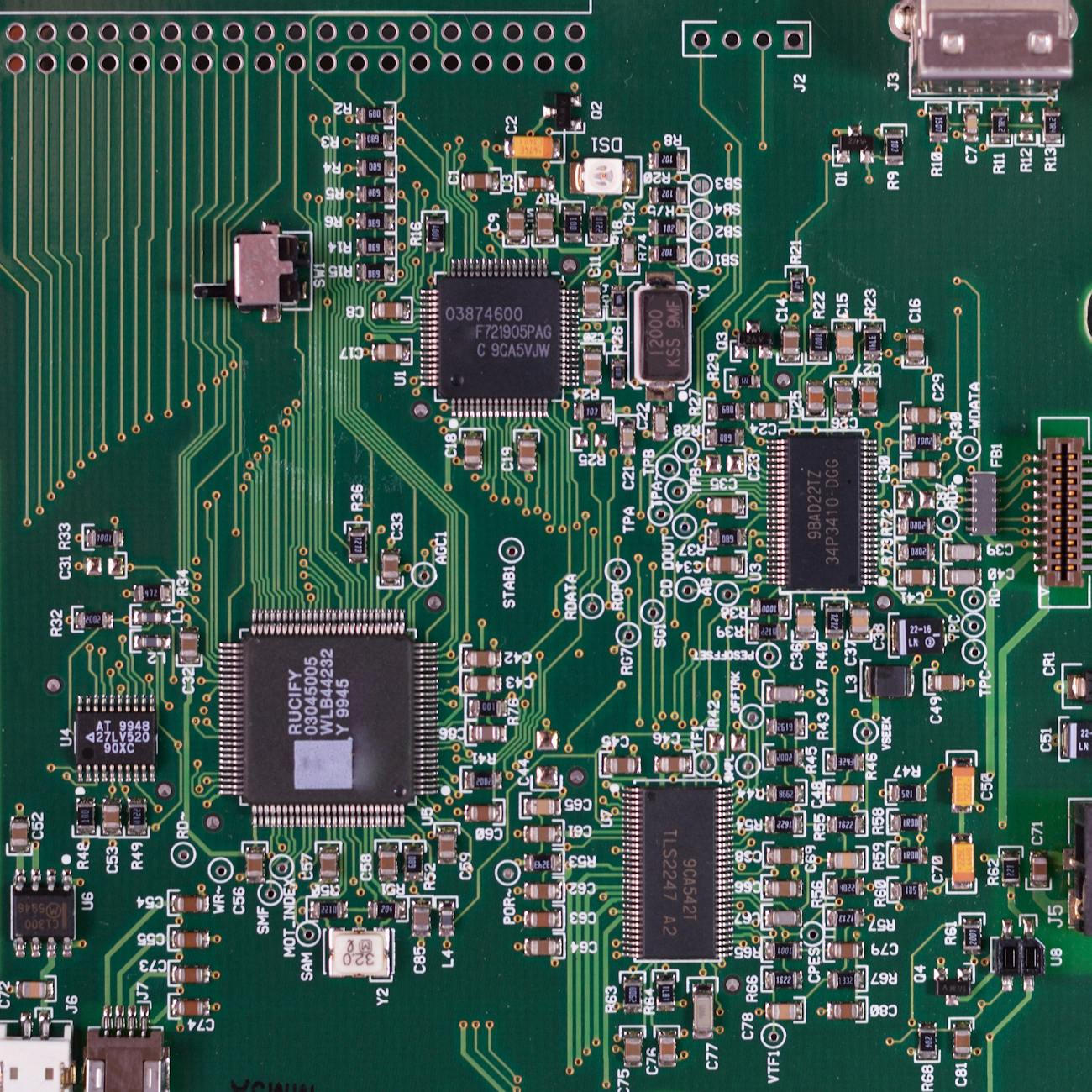
Telecommunication systems are complex networks that enable the transmission of information over long distances through various media, including copper wires, fiber optic cables, and wireless links. The fundamental components of a telecommunication system include transmitters, receivers, and communication channels. Transmitters convert information into a signal, which is then transmitted through a communication channel to a receiver, where it is converted back into its original form. The quality of the communication channel has a significant impact on the overall performance of the telecommunication system.
One of the key concepts in telecommunication systems is bandwidth, which refers to the range of frequencies available for transmission. A higher bandwidth allows for more information to be! Transmitted simultaneously, making it a critical factor in determining the capacity of a telecommunication system. For example, a fiber optic cable has a much higher bandwidth than a copper wire, making it suitable for high-speed data transmission. Telecommunication systems also rely on protocols to ensure that data is transmitted efficiently and reliably. Protocols such as TCP/IP and HTTP govern the format and timing of data transmission, allowing different devices to communicate with each other seamlessly.
Telecommunication systems can be broadly classified into two categories: wired and wireless. Wired systems use physical media such as copper wires or fiber optic cables to transmit information, while wireless systems use radio waves or other forms of electromagnetic radiation. Wired systems are generally more secure and offer higher reliability, but they are limited by the need for a physical connection. Wireless systems, on the other hand, offer greater flexibility and mobility, but they are more susceptible to interference and security threats.
The architecture of a telecommunication system typically consists of several layers, each with its own distinct functionality. The physical layer is responsible for transmitting raw bits over the communication channel, while the data link layer ensures that data is transmitted reliably and efficiently. The network layer routes data between different devices, and the transport layer ensures that data is delivered reliably and in the correct order. The session layer establishes and manages connections between devices, and the presentation layer converts data into a format that can be understood by the receiving device. The application layer provides services and interfaces for applications to communicate with each other.
Telecommunication systems use a variety of techniques to transmit information, including amplitude shift keying, frequency shift keying, and phase shift keying. These techniques modify the amplitude, frequency, or phase of the carrier wave to encode digital information. For example, amplitude shift keying modifies the amplitude of the carrier wave to represent different digital values. Telecommunication systems also use modulation techniques such as quadrature amplitude modulation and phase shift keying to transmit multiple signals simultaneously over a single communication channel.
The performance of a telecommunication system is typically measured in terms of its throughput, latency, and error rate. Throughput refers to the amount of data that can be transmitted per unit time, while latency refers to the time it takes for data to be transmitted from the sender to the receiver. The error rate refers to the number of errors that occur during transmission, and it is typically measured in terms of the bit error rate. Telecommunication systems also use forward error correction techniques such as Reed-Solomon coding and convolutional coding to detect and correct errors that occur during transmission.
Telecommunication systems have a wide range of applications in modern society, including telephone networks, internet connectivity, and television broadcasting. They also play a critical role in emergency services such as 911 and navigation systems such as GPS. Telecommunication systems are also used in medicine to transmit medical images and patient data, and in finance to transmit financial transactions and market data.
One of the major challenges facing telecommunication systems is the increasing demand for bandwidth and capacity. As more devices become connected to the internet, the demand for bandwidth and capacity is increasing exponentially. This has led to the development of new technologies such as 5G and Li-Fi to meet the growing demand for bandwidth and capacity. Telecommunication systems also face security threats such as hacking and eavesdropping, which can compromise the confidentiality and integrity of transmitted data.
The future of telecommunication systems is likely to be shaped by emerging technologies such as artificial intelligence and internet of things. Artificial intelligence can be used to optimize network performance and predict traffic patterns, while internet of things can be used to connect a wide range of devices and sensors to the internet. Telecommunication systems will also need to adapt to the growing demand for mobility and flexibility, with more devices becoming connected to the internet and requiring access to high-speed data transmission.
In terms of practical applications, telecommunication systems are used in a wide range of industries such as healthcare, finance, and education. They are used to transmit medical images and patient data, financial transactions and market data, and educational content and online courses. Telecommunication systems are also used in emergency services such as 911 and navigation systems such as GPS. They play a critical role in modern society, and their impact is likely to continue to grow in the future.
The design of a telecommunication system typically involves several stages, including planning, implementation, and testing. The planning stage involves defining the requirements and specifications of the system, while the implementation stage involves building and configuring the system. The testing stage involves verifying that the system meets the required specifications and performs as expected. Telecommunication systems also require maintenance and upgrades to ensure that they continue to perform optimally and meet the growing demand for bandwidth and capacity.
In terms of examples, a telecommunication system can be as simple as a telephone network or as complex as a satellite communication system. A telephone network consists of a series of interconnected switches and exchanges that allow users to make phone calls, while a satellite communication system uses satellites in orbit around the earth to transmit data between different locations. Telecommunication systems can also be used to transmit video and audio content, such as television broadcasts and online streaming services.
The components of a telecommunication system can be broadly classified into two categories: hardware and software. Hardware components include devices such as switches, routers, and servers, while software components include programs and protocols that govern the behavior of the system. Telecommunication systems also rely on standards and protocols to ensure that different devices and systems can communicate with each other seamlessly. Standards such as TCP/IP and HTTP govern the format and timing of data transmission, allowing different devices to communicate with each other.
The security of a telecommunication system is a critical concern, as it can be vulnerable to hacking and eavesdropping. To mitigate these risks, telecommunication systems use a variety of security measures such as encryption, firewalls, and authentication protocols. Encryption scrambles data to prevent unauthorized access, while firewalls block unauthorized traffic and authentication protocols verify the identity of users and devices. Telecommunication systems also use intrusion detection systems to detect and respond to security threats in real-time.
In terms of challenges, telecommunication systems face a number of technical and regulatory challenges. Technical challenges include the need for increased bandwidth and capacity, as well as the need for greater security and reliability. Regulatory challenges include the need to comply with laws and regulations governing the use of telecommunication systems, such as those related to privacy and security. Telecommunication systems must also adapt to the growing demand for mobility and flexibility, with more devices becoming connected to the internet and requiring access to high-speed data transmission.
The impact of telecommunication systems on society is significant, with far-reaching consequences for the way we live and work. Telecommunication systems have enabled global communication and connectivity, facilitating the exchange of ideas and information across borders and time zones. They have also enabled the development of new industries and businesses, such as e-commerce and online education. However, telecommunication systems also pose risks and challenges, such as the potential for hacking and eavesdropping, and the need for greater security and regulation.
In terms of future developments, telecommunication systems are likely to continue to evolve and improve, with advances in technology and innovation. Emerging technologies such as 5G and Li-Fi are expected to provide faster and more reliable connectivity, while advances in artificial intelligence and machine learning are expected to enable greater automation and efficiency.
The role of telecommunication systems in modern society is critical, with significant implications for the way we live and work.
Key takeaways
- Telecommunication systems are complex networks that enable the transmission of information over long distances through various media, including copper wires, fiber optic cables, and wireless links.
- Protocols such as TCP/IP and HTTP govern the format and timing of data transmission, allowing different devices to communicate with each other seamlessly.
- Wired systems use physical media such as copper wires or fiber optic cables to transmit information, while wireless systems use radio waves or other forms of electromagnetic radiation.
- The physical layer is responsible for transmitting raw bits over the communication channel, while the data link layer ensures that data is transmitted reliably and efficiently.
- Telecommunication systems also use modulation techniques such as quadrature amplitude modulation and phase shift keying to transmit multiple signals simultaneously over a single communication channel.
- Telecommunication systems also use forward error correction techniques such as Reed-Solomon coding and convolutional coding to detect and correct errors that occur during transmission.
- Telecommunication systems have a wide range of applications in modern society, including telephone networks, internet connectivity, and television broadcasting.