
Fire Protection And Emergency Response
Fire Triangle – The three elements required for combustion: Fuel, oxygen, and an ignition source. In tank storage facilities the fuel is the hydrocarbon product, the oxygen is supplied by the atmosphere, and the ignition source can be stati…
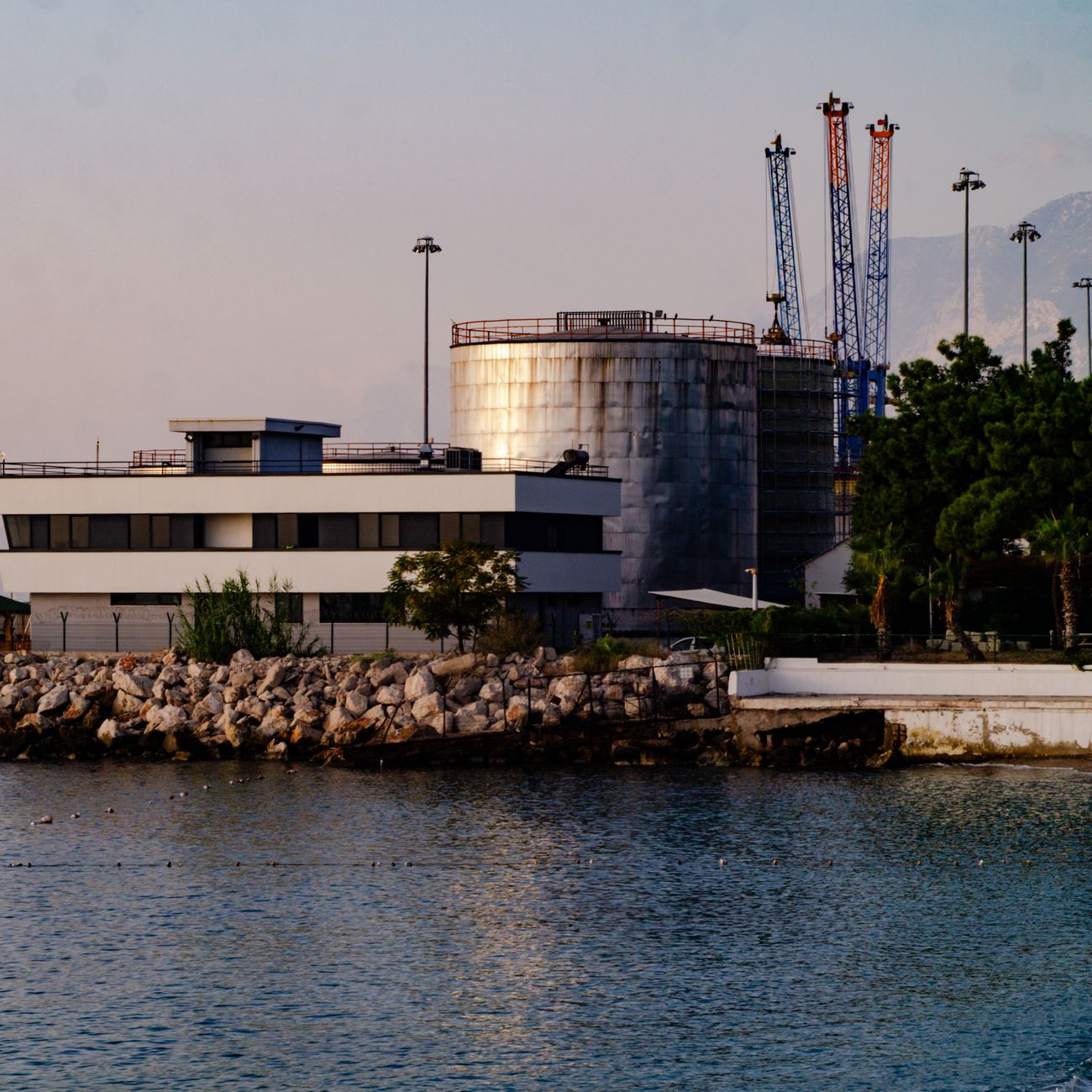
Fire Triangle – The three elements required for combustion: Fuel, oxygen, and an ignition source. In tank storage facilities the fuel is the hydrocarbon product, the oxygen is supplied by the atmosphere, and the ignition source can be static electricity, hot work, or equipment failure. Understanding this concept helps operators isolate one element to prevent fire.
Fire Tetrahedron – An extension of the fire triangle that adds a fourth element – the chemical reaction. Modern fire‑protection strategies focus on interrupting the chain reaction through suppression agents such as foam or inert gases.
Ignition Source – Any energy that can start a fire, including sparks, open flames, hot surfaces, and electrical arcs. Practical application: A hot‑work permit requires a risk assessment of potential ignition sources before any welding or cutting is performed near a tank.
Flash Point – The lowest temperature at which a liquid releases enough vapor to form an ignitable mixture with air. Example: Gasoline has a flash point of –43 °C, whereas diesel fuel flashes at about 52 °C. Knowledge of flash points guides the selection of fire‑resistant equipment and the design of ventilation systems.
Autoignition Temperature – The temperature at which a substance will ignite without an external spark. In oil‑and‑gas terminals, the autoignition temperature of crude oil (≈ 260 °C) informs the placement of temperature monitoring devices.
Fire Classification – Categorisation of fires based on the material involved. Class B fires involve flammable liquids such as gasoline or diesel; Class C fires involve electrical equipment; Class D fires involve combustible metals. Correct classification is essential for selecting the appropriate extinguishing medium.
Fire‑Detection System – Network of sensors (heat, flame, smoke) linked to an alarm panel. Practical application: Heat‑detectors placed at the top of a storage tank can provide early warning of a fire developing on the vapour space.
Fire‑Alarm – Audible and visual signals that alert personnel to a fire incident. In a terminal, a fire‑alarm must be audible throughout the site and integrated with the emergency‑shutdown system to initiate automatic isolation of valves.
Fire‑Suppression System – Equipment designed to extinguish or control a fire. Common types in tank terminals include foam‑generation systems, water‑spray deluge, CO₂, and inert‑gas systems. Selection depends on the fire class, the size of the storage area, and environmental considerations.
Foam‑Generation System – A system that mixes water, foam concentrate, and air to produce a blanket of foam that smothers vapour‑phase fires. Example: A Class B foam system (AFFF) is used for gasoline storage tanks. Challenges include ensuring the correct foam concentration and maintaining proper nozzle pressure.
Water‑Spray Deluge System – A network of open sprinkler heads that discharge a large volume of water simultaneously when a detection device activates. This system is effective for rapid cooling of tank walls and for protecting adjacent equipment. A key challenge is the potential for water‑runoff to create environmental contamination; therefore, drainage and water‑treatment facilities must be designed accordingly.
CO₂ Suppression System – Uses carbon dioxide to displace oxygen and extinguish fires in enclosed spaces. Practical use: CO₂ cylinders mounted on a tank’s vent pipe can flood the vapour space, suffocating a fire. Limitations include the risk of asphyxiation for personnel and the need for evacuation before activation.
Inert‑Gas System – Deploys nitrogen or argon to reduce oxygen concentration below the combustion threshold. In terminals where water use is limited, an inert‑gas system can protect high‑value product tanks. The challenge lies in the rapid distribution of the gas throughout large volumes and the need for reliable gas‑generation equipment.
Emergency‑Shutdown (ESD) System – An integrated network of sensors and actuators that automatically isolates process equipment when a hazardous condition is detected. Example: A high‑temperature alarm on a tank triggers the ESD to close the inlet and outlet valves, preventing further fuel feed. Coordination with fire‑detection systems ensures a synchronized response.
Emergency‑Response Plan (ERP) – A documented procedure that outlines actions, responsibilities, and resources required to respond to emergencies, including fires, spills, and explosions. The ERP must be reviewed annually, and drills must be conducted at least twice a year to maintain competency.
Incident‑Command System (ICS) – A standardized management hierarchy used to coordinate emergency response activities. The system defines roles such as Incident Commander, Operations Section Chief, and Safety Officer. In a tank terminal, the Incident Commander may be the site manager, while the Safety Officer monitors atmospheric conditions and PPE compliance.
Hazard Identification – The systematic process of recognising potential sources of fire, explosion, or release. Techniques include HAZOP (Hazard and Operability Study), LOPA (Layer of Protection Analysis), and checklist inspections. Practical example: During a HAZOP, the team may identify a potential over‑pressurisation of a vent line as a fire‑hazard trigger.
Risk Assessment – Evaluation of the likelihood and consequence of identified hazards. The result is a risk matrix that guides the implementation of control measures. For fire protection, a risk assessment may reveal that a particular tank’s proximity to a loading pier increases the consequence rating, prompting the installation of a dedicated foam system.
Safety Case – A comprehensive document that demonstrates how safety risks are managed. In Oman, the Petroleum Development Oman (PDO) requires a safety case for each terminal, including detailed fire‑protection strategies, fire‑modelling results, and maintenance plans.
LOPA (Layer of Protection Analysis) – A semi‑quantitative method that evaluates the effectiveness of existing and proposed safeguards. Example: A LOPA may show that the combination of a pressure‑relief valve, a fire‑water system, and a shutdown valve provides a target risk reduction factor of 1,000.
HAZOP (Hazard and Operability Study) – A structured team‑based review that examines deviations from design intent. During a HAZOP of a loading rack, the team may identify that a loss of power to the pump could cause a “no flow” deviation, leading to product accumulation and an increased fire‑hazard potential.
Blowout – Uncontrolled release of fluid from a well or pipeline, often accompanied by fire. In storage terminals, a blowout may occur at a loading arm if the emergency‑stop device fails. Preventive measures include regular testing of stop‑cocks and the installation of blow‑out preventers.
Over‑Pressure – Condition where pressure exceeds the design limit of equipment, potentially leading to rupture. Relief valves are the primary protection; however, they must be sized correctly and maintained to function during a fire scenario.
Relief Valve – A device that releases excess pressure to protect equipment from over‑pressure. In fire protection design, the relief valve discharge must be routed to a safe area, often through a vent stack equipped with a flame arrester to prevent flame propagation.
Flame Arrestor – A passive device that stops flame propagation through a vent or pipe. Example: A flame‑arrestor installed on a tank vent prevents a fire from traveling back into the storage vessel. Challenges include ensuring the arrestor’s pressure rating matches the system’s operating pressure.
Fire‑Water Network – The piping system that supplies water to hydrants, sprinklers, and deluge stations. The network must be designed to maintain adequate pressure even during peak demand. Regular flow‑testing is essential to verify performance.
Hydrant – An external access point for fire‑fighting water. In a terminal, hydrants are strategically positioned near loading bays, tank farms, and control rooms. Proper spacing ensures that fire‑fighters can reach any point within a 30‑meter radius.
Fire Pump – A motor‑driven pump that provides the required pressure for the fire‑water network. Redundancy is critical; typically, a terminal will have a primary diesel‑driven pump and an electric backup pump, each capable of delivering the design flow.
Fire Brigade – Trained personnel responsible for fire‑suppression and rescue operations. In many terminals, an on‑site fire brigade is supplemented by municipal fire services. Mutual‑aid agreements define the coordination procedures and resource sharing.
Response Time – The interval between the detection of a fire and the arrival of fire‑fighting resources at the incident site. Reducing response time involves optimal sensor placement, clear access routes, and regular drills.
Evacuation – The organised movement of personnel to a safe area. Evacuation routes must be clearly marked, free of obstructions, and regularly inspected. Practical challenge: In a confined terminal layout, ensuring that all personnel can exit within the required 2‑minute window.
Muster Point – A pre‑designated assembly area where personnel gather after evacuation. The muster point should be located at a safe distance from potential fire zones, and headcounts must be performed to confirm that no one is missing.
Personal Protective Equipment (PPE) – Clothing and equipment that protect workers from fire, heat, and chemical hazards. In fire‑response scenarios, PPE includes flame‑resistant coveralls, heat‑resistant gloves, safety helmets, and respiratory protection. Regular inspection of PPE ensures integrity.
Fire Watch – A designated individual who monitors a hot‑work area for signs of fire. The fire watch must be equipped with portable extinguishers and a means of communication. The watch remains on duty for at least 30 minutes after the completion of hot work.
Hot‑Work Permit – A formal authorization that allows welding, cutting, or other activities that generate ignition sources. The permit outlines safety measures such as isolation of flammable material, provision of fire‑watch, and verification of fire‑extinguishing equipment.
Permit‑to‑Work (PTW) – A comprehensive system that controls hazardous activities, ensuring that all necessary precautions are taken before work begins. PTW integrates with the hot‑work permit and includes steps for isolation, verification, and de‑isolation.
Safety Isolation – The process of physically disconnecting equipment from energy sources. Isolation valves are locked and tagged (“Lock‑out/Tag‑out”) to prevent accidental re‑energisation. Proper isolation is a prerequisite for safe fire‑fighting and rescue operations.
Isolation Valve – A valve used to stop the flow of product or utilities. In fire protection, isolation valves are often placed at strategic points such as the inlet and outlet of each tank. Regular testing ensures they close fully under fire‑conditions.
Emergency‑Shutdown Valve (ESD Valve) – A valve that automatically closes when the ESD system receives a signal. These valves are typically pneumatically actuated and must be fail‑safe, meaning they close when power or pressure is lost.
Shutdown Procedures – Detailed steps for safely bringing equipment to a safe state. For a storage tank, the shutdown procedure may include closing inlet/outlet valves, activating the foam system, and depressurising the vapour space.
Emergency Drills – Simulated exercises that test the effectiveness of the ERP and the readiness of personnel. Drills can be tabletop, functional, or full‑scale. After each drill, a debrief identifies gaps and corrective actions.
Tabletop Exercise – A discussion‑based scenario where participants walk through the response steps without actual deployment of resources. This format is useful for testing communication protocols and decision‑making processes.
Scenario Analysis – The development of realistic emergency situations to evaluate response capabilities. A common scenario for a terminal is a “simultaneous fire and product spill,” which challenges coordination between fire‑fighting and containment teams.
Incident Reporting – The formal documentation of any fire, near‑miss, or safety event. Reports must include time, location, cause, actions taken, and outcomes. Accurate reporting supports trend analysis and continuous improvement.
Root‑Cause Analysis (RCA) – A systematic investigation to identify underlying factors that led to an incident. Techniques such as the “5 Whys” or Fishbone diagram are employed. For a fire caused by a valve leak, RCA may reveal inadequate maintenance as the root cause.
Post‑Incident Review – A comprehensive evaluation conducted after an incident to assess performance and implement lessons learned. The review should involve all stakeholders, including operations, fire‑brigade, and management.
NFPA Standards – Publications from the National Fire Protection Association that provide guidelines for fire safety. NFPA 30 (Flammable and Combustible Liquids) and NFPA 13 (Sprinkler Systems) are frequently referenced in terminal design.
OHS Regulations – Occupational health and safety laws that govern workplace safety. In Oman, the Ministry of Labour’s regulations require a documented fire‑risk assessment and provision of appropriate fire‑extinguishers.
ISO 45001 – International standard for occupational health and safety management systems. Certification demonstrates a commitment to systematic risk management, including fire safety.
API 2000 – Standard for venting atmospheric and low‑pressure storage tanks. It specifies requirements for pressure‑relief devices, flame arrestors, and vent sizing, all of which influence fire‑hazard mitigation.
API 650 – Standard for welded steel tanks for oil storage. It includes design criteria for fire‑proofing, roof drainage, and seismic considerations. Understanding API 650 helps engineers design tanks that can withstand fire exposure.
API 620 – Standard for large, welded, low‑pressure storage tanks. It provides guidance on material selection, roof design, and thermal protection, which are critical for fire resistance.
API 653 – Standard for inspection, repair, alteration, and reconstruction of storage tanks. Regular inspections, especially of fire‑proofing and foam systems, are mandated to maintain compliance.
API 12C – Standard for fire‑hazard analysis of offshore facilities, but its principles are applicable to on‑shore terminals. It outlines methods for quantitative fire‑risk assessment and the selection of protective measures.
API 12D – Standard for fire‑risk assessment and mitigation of petroleum facilities. It provides a structured approach to identify fire scenarios, evaluate consequences, and design safeguards.
IEC 60079 – International standard for explosive atmospheres. It classifies equipment as “intrinsic safety” or “explosion‑proof” based on the potential for ignition. Selecting IEC‑compliant equipment reduces fire‑risk in hazardous zones.
ATEX – European directive for equipment used in explosive atmospheres. ATEX‑certified devices are required in areas where vapour concentrations may reach the lower explosive limit (LEL).
Emergency Power Supply – Backup electrical source that ensures fire‑detection and suppression systems remain operational during a power outage. Options include diesel generators, battery‑backed UPS, and renewable‑energy storage.
UPS (Uninterruptible Power Supply) – Provides short‑term power to bridge the gap between outage and generator start‑up. Critical fire‑alarm panels and control units are often connected to UPS to avoid loss of signal.
Backup Generators – Diesel‑driven generators that supply power for extended periods. Routine testing, fuel quality checks, and load‑bank testing are required to guarantee reliability.
Fire‑Hydrant System – The arrangement of hydrants, suction devices, and water mains that enable rapid water delivery. System design must consider hydraulic calculations to ensure each hydrant can deliver the required flow rate.
Foam‑Proportioning System – Equipment that mixes water, foam concentrate, and air in the correct ratio. Calibration of proportioning pumps is essential; an incorrect mix can lead to ineffective fire suppression.
Fire‑Detection Sensors – Devices that sense heat, flame, or smoke. Heat sensors (fixed‑temperature or rate‑of‑rise) are used in tank vapour spaces, while flame detectors (UV/IR) are suitable for open‑area monitoring.
Fireproofing – Application of protective materials (intumescent coating, cementitious blankets) to structural elements to delay temperature rise during a fire. In tank farms, fireproofing is applied to steel columns and pipe supports.
Passive Fire Protection – Measures that do not require activation, such as firewalls, fire doors, and fire‑resistant coatings. These barriers compartmentalise fire and protect critical equipment.
Active Fire Protection – Systems that require activation, including sprinklers, foam generators, and gaseous suppression. Coordination between active and passive measures enhances overall safety.
Fire Doors – Doors with a fire‑resistance rating, typically 60 minutes for terminal control rooms. They must be self‑closing and equipped with fire‑rating seals to maintain integrity.
Fire Walls – Structural barriers that separate high‑hazard areas from low‑hazard zones. In a terminal, fire walls may separate the loading area from the administrative block, limiting fire spread.
Fire‑Resistant Coating – Specialized paint that provides a degree of fire protection to metal surfaces. It is often used on equipment that cannot be easily insulated, such as valve stems.
Emergency Lighting – Battery‑powered lighting that activates when mains power fails. Illuminated exit signs and pathway lights guide personnel to muster points during a fire.
Signage – Visible markings that indicate hazards, evacuation routes, and equipment locations. Symbols must comply with international standards (ISO 7010) to ensure universal comprehension.
Muster Station – The designated safe area where personnel assemble after evacuation. It must be equipped with communication devices, first‑aid kits, and a roll‑call system.
Emergency Communication – Systems used to convey instructions during a fire, including two‑way radios, public‑address (PA) systems, and handheld megaphones. Redundancy is vital; a failure of the PA system should not impede the radio network.
Radio – Portable device used by fire‑brigade and response teams for real‑time coordination. Frequency management plans prevent interference with nearby industrial communications.
Public‑Address System – Fixed speakers that broadcast alarm messages and evacuation instructions. The system should be capable of delivering clear messages over background noise generated by plant equipment.
Incident Log – Chronological record of actions taken during a fire event. The log includes timestamps, personnel names, equipment status, and decision points. Accurate logs are essential for post‑incident analysis.
Casualty Management – Procedures for treating injured personnel, including triage, evacuation, and medical reporting. The terminal must have a designated first‑aid station and trained responders.
Triage – Prioritisation of casualties based on the severity of injuries. The “Priority 1” category is for life‑threatening conditions requiring immediate intervention.
Rescue – Activities aimed at removing personnel from hazardous environments. Rescue teams must be equipped with self‑contained breathing apparatus (SCBA) and thermal‑protective suits.
Decontamination – Process of removing hazardous substances from personnel and equipment before they exit the incident area. In a fire involving chemicals, decontamination tents are set up near the muster point.
Salvage – Efforts to protect property and equipment from further damage during a fire. For example, covering nearby tanks with fire‑resistant blankets can prevent heat damage while the fire is being extinguished.
Environmental Impact – Potential adverse effects on surrounding ecosystems caused by fire‑related runoff, smoke, or product loss. Mitigation measures include containment berms, oil‑water separators, and air‑quality monitoring.
Spill Containment – Physical barriers (dikes, berms) designed to capture accidental releases of product. Containment structures must be sized based on the largest tank’s volume and the possible fire‑induced expansion of liquids.
Secondary Containment – Additional containment that surrounds primary storage vessels, providing a safeguard against leaks. In fire scenarios, secondary containment also serves to limit the spread of water runoff.
Fire‑Water Runoff Control – Systems that collect and treat water used in fire‑suppression to prevent environmental contamination. Settling ponds, oil‑water separators, and filtration units are common components.
Drainage – Network of pipes and channels that direct water away from the site. Proper grading and sizing prevent water pooling, which could create slip hazards or affect foundation stability.
Water Treatment – Processes that remove hydrocarbons and chemicals from fire‑water before discharge. Treatment may involve skimming, adsorption, or biological degradation.
Chemical Inhibitors – Substances added to fire‑water to reduce the corrosive effect on equipment and the environment. For example, neutralising agents can be mixed with water to lower pH after a fire involving acidic products.
Fire Safety Management System (FSMS) – Integrated framework that defines policies, responsibilities, and procedures for fire protection. The FSMS aligns with ISO 45001 and incorporates elements such as audit schedules, training plans, and performance metrics.
Safety Culture – The shared values and attitudes that influence how personnel approach fire safety. A strong safety culture encourages reporting of hazards, adherence to permits, and proactive participation in drills.
Training – Structured programmes that develop knowledge and skills related to fire protection. Training modules include classroom instruction on fire chemistry, hands‑on practice with extinguishers, and simulated response exercises.
Competency – Demonstrated ability to perform fire‑related tasks safely and effectively. Competency assessments may involve written exams, practical demonstrations, and observation of on‑the‑job performance.
Refresher – Periodic training sessions that update personnel on new procedures, equipment, or regulatory changes. Refresher courses are typically required annually for fire‑watch personnel.
Drills – Rehearsals of emergency procedures. Drills can be classified as “alert,” “evasion,” or “full‑scale.” Each type tests different aspects of the ERP, from alarm activation to full deployment of fire‑fighting resources.
Mutual‑Aid Agreements – Formal arrangements between the terminal and external agencies (civil defence, neighbouring facilities) to provide additional resources during a large‑scale fire. Agreements specify response times, resource types, and cost‑recovery mechanisms.
Liaison with Civil Authorities – Ongoing coordination with local fire departments, environmental agencies, and regulatory bodies. Regular meetings ensure that response plans are aligned and that authorities are familiar with site layouts.
Fire‑Protection Design – The engineering process that determines the optimal combination of active and passive measures. Design steps include hazard identification, fire modelling (using CFD or zone models), selection of suppression agents, and verification against standards.
Fire Modelling – Computational techniques that predict fire growth, heat release rates, and smoke movement. Models such as the NFPA 92 fire‑modelling software help designers size foam systems and assess the effectiveness of firewalls.
Heat Release Rate (HRR) – The amount of energy liberated by a fire per unit time, expressed in kilowatts (kW). HRR is a key parameter for sizing suppression systems; a typical HRR for a 10 000 m³ gasoline tank is approximately 6 000 kW.
Smoke Management – Strategies to control the movement of smoke, which can impede evacuation and rescue. Smoke extraction fans, pressurised stairwells, and natural ventilation openings are employed to maintain clear egress routes.
Ventilation – The deliberate introduction or removal of air to control temperature and gas concentrations. In a fire scenario, ventilation may be used to dilute flammable vapours, but must be coordinated to avoid feeding the fire.
Gas Detection – Continuous monitoring of hydrocarbon concentrations in the vapour space. Fixed gas detectors trigger alarms when concentrations approach the lower explosive limit (LEL), prompting immediate isolation.
Lower Explosive Limit (LEL) – The minimum concentration of a flammable gas or vapour in air that can ignite. For methane, the LEL is about 5 % by volume. Sensors calibrated to 10 % of the LEL provide early warning.
Upper Explosive Limit (UEL) – The maximum concentration at which a mixture can ignite. Exceeding the UEL reduces the risk of fire but may indicate over‑pressurisation, requiring pressure relief.
Atmospheric Monitoring – Periodic sampling of ambient air to detect hazardous gases, temperature, and humidity. Portable detectors are used during routine inspections and after a fire to verify safe re‑entry conditions.
Thermal Imaging – Use of infrared cameras to locate hot spots, fire fronts, and equipment overheating. Thermal imaging is valuable for both detection and post‑fire assessment, revealing damage that may not be visible to the naked eye.
Fire‑Extinguishers – Portable devices containing extinguishing agents such as water, foam, CO₂, or dry chemical. The selection of extinguisher type must match the fire class; for instance, a Class B foam extinguisher is appropriate for gasoline spills.
Dry‑Chemical Extinguishers – Contain powders (e.G., ABC or BC) that interrupt the chemical reaction. They are effective on electrical fires (Class C) and flammable liquids (Class B), but can create a mess that requires cleanup.
Water‑Mist Systems – Generate fine droplets that absorb heat efficiently while using less water than traditional sprinklers. Water‑mist is advantageous in areas where water damage must be minimised, such as electronic control rooms.
Fire‑Pump Test – Procedure to verify the performance of fire pumps under load. Tests are conducted quarterly and include flow, pressure, and suction checks. Documentation of test results is required for compliance audits.
Valve Integrity Test – Examination of isolation and ESD valves to ensure they close fully and seal against leakage. Hydrostatic testing at 1.5 Times the design pressure is a common method.
Maintenance of Foam Systems – Involves checking concentrate levels, verifying pump operation, and inspecting nozzle condition. Foam system degradation can lead to insufficient coverage and failure to suppress a vapour‑phase fire.
Corrosion Control – Preventative measures to protect fire‑water pipes and equipment from corrosion, which can impair flow and lead to leaks. Coating, cathodic protection, and regular inspection are part of the strategy.
Training Simulators – Virtual or physical platforms that replicate fire scenarios for skill development. Simulators allow personnel to practise decision‑making without exposing the facility to real hazards.
Challenges in Fire Protection – Include the coexistence of high‑value product storage with strict environmental regulations, the need for rapid response in remote locations, and the integration of legacy equipment with modern safety systems. Overcoming these challenges requires a combination of robust engineering, continuous training, and proactive management.
Case Study – Foam Failure – At a terminal in the Gulf region, a fire on a gasoline tank was not contained because the foam proportioning pump was incorrectly calibrated, resulting in a water‑rich mixture. The incident prompted a review of calibration procedures, implementation of double‑check verification, and the addition of an automated proportioning controller with built‑in alarms.
Case Study – Inadequate Evacuation Routes – A fire in a loading bay blocked the primary access road, trapping personnel on the opposite side. The subsequent audit identified the need for secondary egress routes, installation of additional emergency‑exit signs, and the redesign of site roadways to provide multiple escape paths.
Practical Application – Integrated ESD and Fire‑Alarm – By linking the fire‑alarm panel to the ESD system, the terminal achieved a coordinated shutdown: When a fire alarm triggered, the ESD automatically closed all inlet and outlet valves, isolated the affected zone, and activated the foam system. This integration reduced the time to isolate the hazard from 45 seconds to 12 seconds.
Practical Application – Hot‑Work Permit Audits – A quarterly audit of hot‑work permits revealed that fire‑watch personnel were sometimes not equipped with functional extinguishers. Corrective actions included adding a checklist item for extinguisher inspection, providing additional portable extinguishers, and scheduling refresher training for fire‑watch staff.
Practical Application – Gas‑Detection Strategy – Deploying fixed gas detectors at 1 m above the tank deck and at the vent stack provided early detection of vapour accumulation. The detectors were linked to a central SCADA system, enabling remote monitoring and instant alarm activation. This strategy reduced the average detection time from 4 minutes to under 30 seconds.
Practical Application – Fire‑Water Runoff Management – Installation of a containment basin beneath the deluge system captured runoff, which was then pumped to an on‑site oil‑water separator. The treated water met discharge standards, eliminating the need for external waste disposal and reducing environmental impact.
Key Vocabulary Summary – The following terms are essential for mastery of fire protection and emergency response in tank storage and terminal operations:
Fire Triangle, Fire Tetrahedron, Ignition Source, Flash Point, Autoignition Temperature, Fire Classification, Fire Detection System, Fire Alarm, Fire Suppression System, Foam Generation System, Water-Spray Deluge System, CO₂ Suppression System, Inert-Gas System, Emergency Shutdown (ESD) System, Emergency Response Plan (ERP), Incident Command System (ICS), Hazard Identification, Risk Assessment, Safety Case, LOPA, HAZOP, Blowout, Over-Pressure, Relief Valve, Flame Arrestor, Fire Water Network, Hydrant, Fire Pump, Fire Brigade, Response Time, Evacuation, Muster Point, Personal Protective Equipment (PPE), Fire Watch, Hot-Work Permit, Permit-to-Work (PTW), Safety Isolation, Isolation Valve, Emergency Shutdown Valve (ESD Valve), Shutdown Procedures, Emergency Drills, Tabletop Exercise, Scenario Analysis, Incident Reporting, Root-Cause Analysis (RCA), Post-Incident Review, NFPA Standards, OHS Regulations, ISO 45001, API 2000, API 650, API 620, API 653, API 12C, API 12D, IEC 60079, ATEX, Emergency Power Supply, UPS, Backup Generators, Fire-Hydrant System, Foam-Proportioning System, Fire-Detection Sensors, Fireproofing, Passive Fire Protection, Active Fire Protection, Fire Doors, Fire Walls, Fire-Resistant Coating, Emergency Lighting, Signage, Muster Station, Emergency Communication, Radio, Public-Address System, Incident Log, Casualty Management, Triage, Rescue, Decontamination, Salvage, Environmental Impact, Spill Containment, Secondary Containment, Fire-Water Runoff Control, Drainage, Water Treatment, Chemical Inhibitors, Fire Safety Management System (FSMS), Safety Culture, Training, Competency, Refresher, Drills, Mutual-Aid Agreements, Liaison with Civil Authorities, Fire Protection Design, Fire Modelling, Heat Release Rate (HRR), Smoke Management, Ventilation, Gas Detection, Lower Explosive Limit (LEL), Upper Explosive Limit (UEL), Atmospheric Monitoring, Thermal Imaging, Fire-Extinguishers, Dry-Chemical Extinguishers, Water-Mist Systems, Fire-Pump Test, Valve Integrity Test, Maintenance of Foam Systems, Corrosion Control, Training Simulators, Case Studies, Practical Applications, and Challenges.
Each term is interlinked; mastery requires not only memorisation but also the ability to apply concepts in real‑world scenarios, to conduct systematic analyses, and to continuously improve fire‑protection performance through training, audits, and technological upgrades.
Key takeaways
- In tank storage facilities the fuel is the hydrocarbon product, the oxygen is supplied by the atmosphere, and the ignition source can be static electricity, hot work, or equipment failure.
- Modern fire‑protection strategies focus on interrupting the chain reaction through suppression agents such as foam or inert gases.
- Practical application: A hot‑work permit requires a risk assessment of potential ignition sources before any welding or cutting is performed near a tank.
- Flash Point – The lowest temperature at which a liquid releases enough vapor to form an ignitable mixture with air.
- In oil‑and‑gas terminals, the autoignition temperature of crude oil (≈ 260 °C) informs the placement of temperature monitoring devices.
- Class B fires involve flammable liquids such as gasoline or diesel; Class C fires involve electrical equipment; Class D fires involve combustible metals.
- Practical application: Heat‑detectors placed at the top of a storage tank can provide early warning of a fire developing on the vapour space.