
Measurement And Control
Measurement and control are essential components of instrumentation engineering, as they enable the monitoring and regulation of various processes in industries such as oil and gas, chemical processing, and power generation. A key concept i…
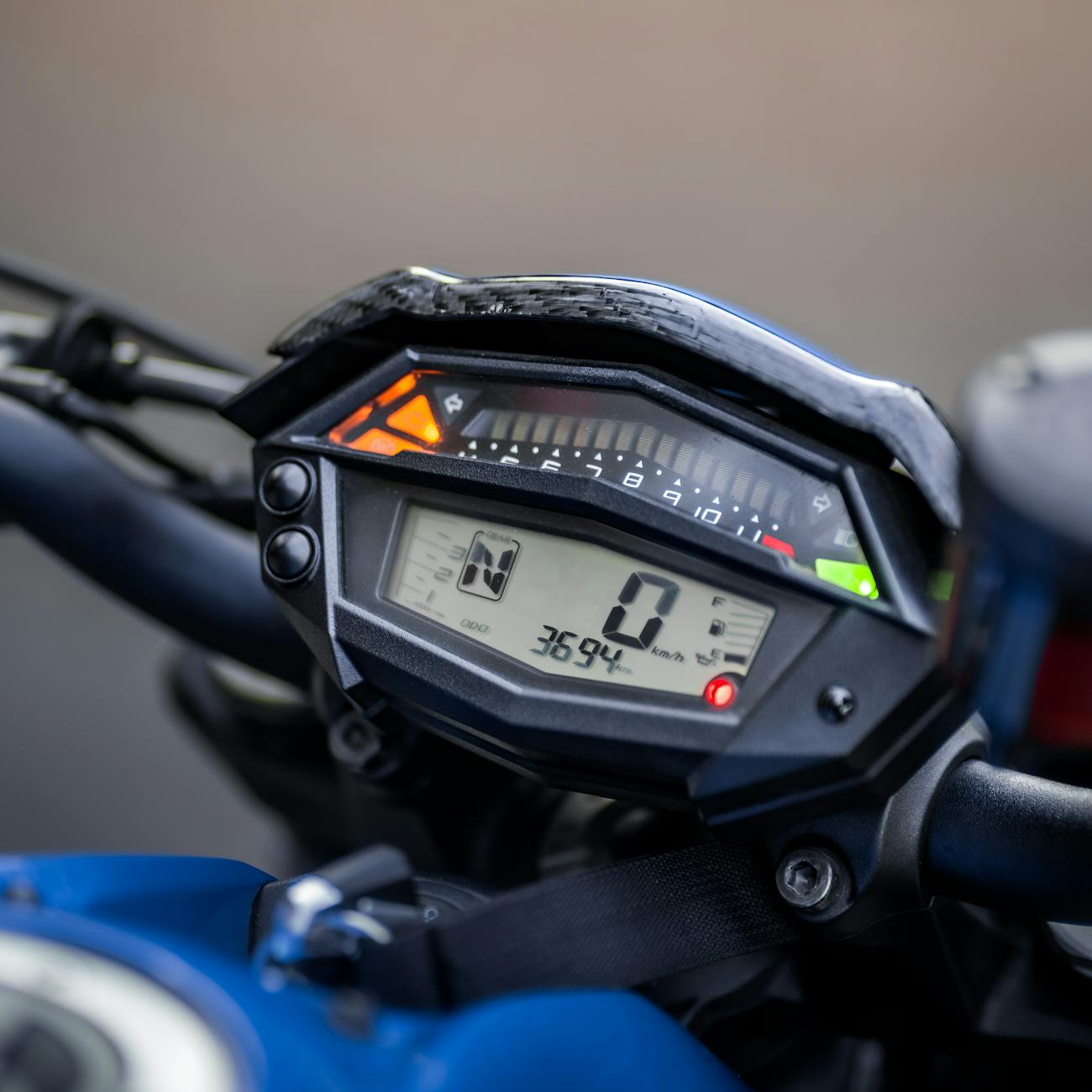
Measurement and control are essential components of instrumentation engineering, as they enable the monitoring and regulation of various processes in industries such as oil and gas, chemical processing, and power generation. A key concept in measurement and control is the variable, which refers to the physical parameter being measured, such as temperature, pressure, or flow rate. The sensor is a device that detects changes in the variable and converts them into a signal that can be read by a control system.
There are several types of sensors used in measurement and control, including thermocouples, pressure transmitters, and flow meters. Thermocouples, for example, are used to measure temperature and consist of two dissimilar metals joined together to produce a small voltage proportional to the temperature difference between the two metals. Pressure transmitters, on the other hand, use a piezoelectric material to measure pressure and generate a signal that is proportional to the applied pressure.
Another important concept in measurement and control is the transducer, which is a device that converts energy from one form to another. In the context of measurement and control, transducers are used to convert the signal from a sensor into a format that can be read by a control system. For example, a thermistor is a type of transducer that converts temperature into an electrical signal.
The control system is the brain of the measurement and control process, as it receives the signal from the sensor and transducer and uses it to adjust the process to achieve the desired outcome. There are several types of control systems, including open-loop and closed-loop systems. Open-loop systems do not use feedback to adjust the process, whereas closed-loop systems use feedback to continuously monitor and adjust the process to achieve the desired outcome.
A key component of a control system is the controller, which is a device that receives the signal from the sensor and transducer and uses it to adjust the process. There are several types of controllers, including proportional, integral, and derivative controllers. Proportional controllers adjust the process based on the current error, whereas integral controllers adjust the process based on the accumulation of past errors. Derivative controllers, on the other hand, adjust the process based on the rate of change of the error.
In addition to controllers, control systems also use actuators to adjust the process. Actuators are devices that convert the signal from the controller into a physical action, such as opening or closing a valve. There are several types of actuators, including electrical, pneumatic, and hydraulic actuators. Electrical actuators use electrical energy to adjust the process, whereas pneumatic actuators use compressed air to adjust the process. Hydraulic actuators, on the other hand, use fluid pressure to adjust the process.
The process itself is the physical system being controlled, such as a chemical reaction or a mechanical system. The setpoint is the desired value of the process variable, such as a temperature of 100 degrees Celsius. The error is the difference between the setpoint and the actual value of the process variable, and the deviation is the amount by which the process variable deviates from the setpoint.
In practical applications, measurement and control systems are used to regulate a wide range of industrial processes. For example, in the oil and gas industry, measurement and control systems are used to regulate the flow of fluids, monitor pressure and temperature, and detect leaks. In the chemical processing industry, measurement and control systems are used to regulate chemical reactions, monitor temperature and pressure, and control the flow of raw materials.
One of the challenges of measurement and control is noise, which refers to random fluctuations in the signal that can affect the accuracy of the measurement. There are several types of noise, including electrical noise, mechanical noise, and thermal noise. Electrical noise can be caused by electromagnetic interference, whereas mechanical noise can be caused by vibrations or movement. Thermal noise, on the other hand, can be caused by temperature fluctuations.
Another challenge of measurement and control is interference, which refers to the interaction between different components of the system. For example, electromagnetic interference can occur when two or more devices are in close proximity to each other, causing them to interact and affect each other's performance. Mechanical interference, on the other hand, can occur when two or more components are in physical contact with each other, causing them to interact and affect each other's performance.
In addition to noise and interference, measurement and control systems can also be affected by drift, which refers to a gradual change in the signal over time. Drift can be caused by a variety of factors, including temperature changes, humidity changes, and aging of the components. For example, a thermocouple can drift over time due to changes in the temperature of the surrounding environment.
To overcome these challenges, measurement and control systems use a variety of techniques, including calibration, filtering, and compensation. Calibration involves adjusting the system to ensure that it is accurate and reliable, whereas filtering involves removing noise and interference from the signal. Compensation involves adjusting the system to account for changes in the process or environment, such as changes in temperature or humidity.
In terms of practical applications, measurement and control systems are used in a wide range of industries, including oil and gas, chemical processing, and power generation.
The benefits of measurement and control systems include improved accuracy, increased efficiency, and enhanced safety. For example, measurement and control systems can improve the accuracy of industrial processes, reducing the risk of errors and improving product quality. They can also increase efficiency, reducing waste and improving productivity. Finally, they can enhance safety, reducing the risk of accidents and improving the overall safety of the process.
In terms of future developments, measurement and control systems are likely to become even more sophisticated and advanced. For example, the use of artificial intelligence and machine learning is likely to become more prevalent, enabling systems to learn and adapt to changing conditions. The use of internet of things (IoT) technology is also likely to become more prevalent, enabling systems to communicate and interact with each other in new and innovative ways.
The impact of measurement and control systems on society is significant, as they play a critical role in a wide range of industries and applications. For example, in the healthcare industry, measurement and control systems are used to monitor patient vital signs, regulate medical equipment, and control the flow of medications. In the transportation industry, measurement and control systems are used to regulate traffic flow, monitor vehicle performance, and control the flow of passengers.
In terms of challenges, measurement and control systems face a number of technical challenges, including the need for high accuracy, high reliability, and low maintenance. They also face a number of practical challenges, including the need for easy installation, easy operation, and low cost. Finally, they face a number of regulatory challenges, including the need to comply with safety regulations, environmental regulations, and industry standards.
The solution to these challenges is to use advanced technologies, such as sensor technologies, communication technologies, and control technologies. For example, the use of wireless sensor technologies can enable the easy installation and operation of measurement and control systems, while the use of cloud computing technologies can enable the easy analysis and interpretation of data. The use of artificial intelligence and machine learning technologies can also enable the development of more sophisticated and advanced measurement and control systems.
In terms of best practices, there are a number of guidelines and recommendations that can be followed to ensure the effective use of measurement and control systems. For example, it is recommended to calibrate systems regularly, to test systems thoroughly, and to maintain systems regularly. It is also recommended to train personnel in the use of measurement and control systems, to document procedures and protocols, and to review and update systems regularly.
The role of measurement and control systems in industry is critical, as they play a key role in regulating and controlling industrial processes. For example, in the manufacturing industry, measurement and control systems are used to regulate the production process, monitor product quality, and control the flow of materials. In the energy industry, measurement and control systems are used to regulate the generation and transmission of energy, monitor energy usage, and control the flow of energy.
The future of measurement and control systems is likely to be shaped by a number of trends and developments, including the increasing use of artificial intelligence and machine learning, the growing importance of internet of things (IoT) technology, and the increasing need for cybersecurity and data protection. For example, the use of artificial intelligence and machine learning is likely to enable the development of more sophisticated and advanced measurement and control systems, while the growing importance of IoT technology is likely to enable the development of more connected and integrated systems.
In terms of education and training, there are a number of programs and courses available that can provide personnel with the skills and knowledge needed to use measurement and control systems effectively. For example, there are degree programs in instrumentation engineering, certificate programs in measurement and control, and training programs in the use of specific measurement and control systems.
The certification of measurement and control systems is also an important aspect of their use, as it ensures that systems meet certain standards and regulations. For example, there are industry standards for the certification of measurement and control systems, such as the ISA certification program, and there are also government regulations that require the certification of certain types of measurement and control systems.
In terms of research and development, there are a number of areas that are being explored, including the development of new sensor technologies, the development of new communication technologies, and the development of new control technologies. For example, researchers are exploring the use of nanotechnology to develop new sensor technologies, and they are also exploring the use of cloud computing to develop new communication technologies.
The application of measurement and control systems is wide-ranging, and they are used in a variety of industries and applications. For example, they are used in the oil and gas industry to regulate the flow of fluids, monitor pressure and temperature, and detect leaks. They are also used in the chemical processing industry to regulate chemical reactions, monitor temperature and pressure, and control the flow of raw materials.
In terms of challenges and limitations, measurement and control systems face a number of technical challenges, including the need for high accuracy, high reliability, and low maintenance.
Key takeaways
- Measurement and control are essential components of instrumentation engineering, as they enable the monitoring and regulation of various processes in industries such as oil and gas, chemical processing, and power generation.
- Thermocouples, for example, are used to measure temperature and consist of two dissimilar metals joined together to produce a small voltage proportional to the temperature difference between the two metals.
- In the context of measurement and control, transducers are used to convert the signal from a sensor into a format that can be read by a control system.
- The control system is the brain of the measurement and control process, as it receives the signal from the sensor and transducer and uses it to adjust the process to achieve the desired outcome.
- A key component of a control system is the controller, which is a device that receives the signal from the sensor and transducer and uses it to adjust the process.
- Electrical actuators use electrical energy to adjust the process, whereas pneumatic actuators use compressed air to adjust the process.
- The error is the difference between the setpoint and the actual value of the process variable, and the deviation is the amount by which the process variable deviates from the setpoint.