
Geriatric Pathologies And Conditions
Osteoarthritis is the most common degenerative joint disease in older adults and is characterized by cartilage loss, subchondral bone sclerosis, and osteophyte formation. In the context of shiatsu, practitioners must recognize that the affe…
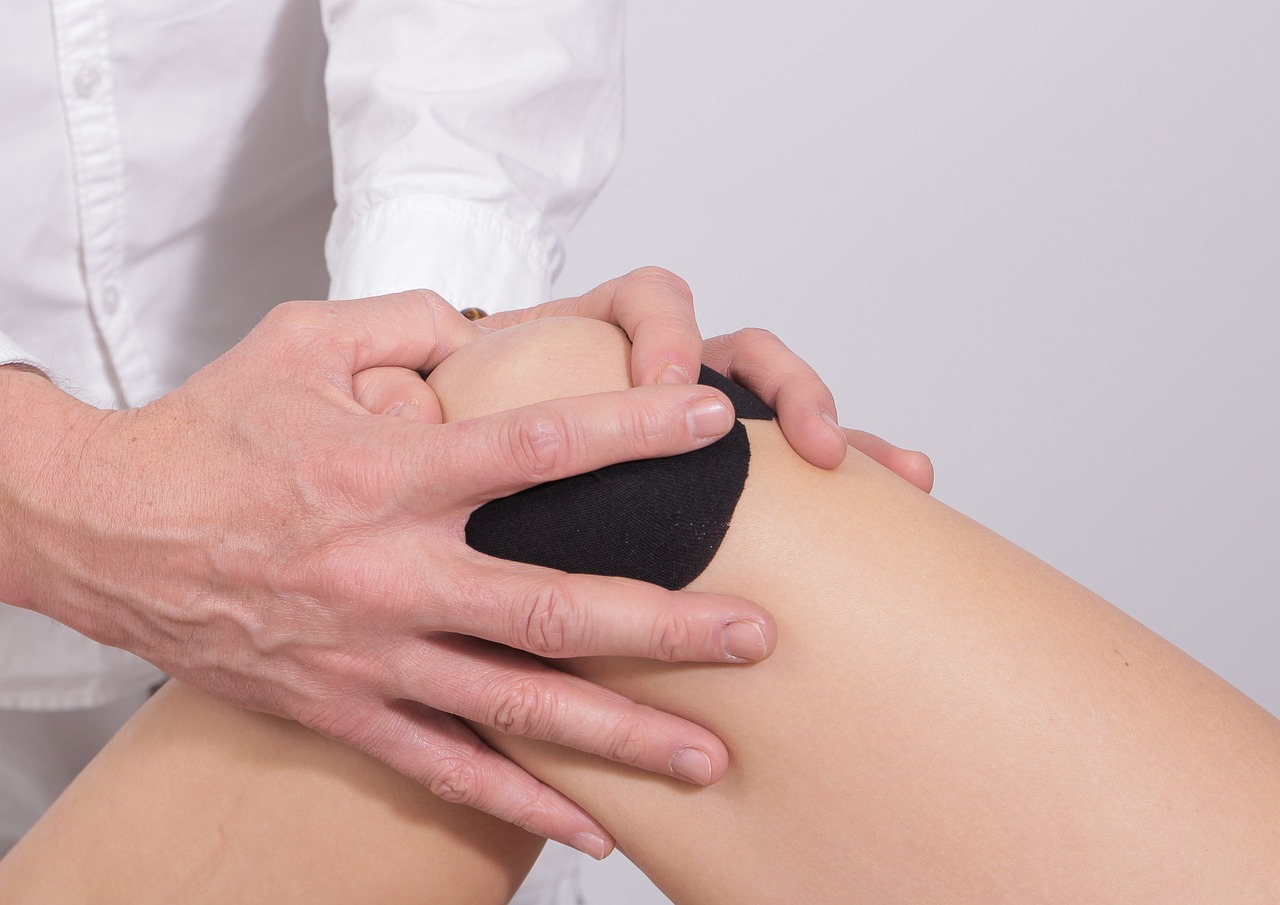
Osteoarthritis is the most common degenerative joint disease in older adults and is characterized by cartilage loss, subchondral bone sclerosis, and osteophyte formation. In the context of shiatsu, practitioners must recognize that the affected joints may be stiff, painful, and less tolerant of deep pressure. A typical presentation includes pain in the knee, hip, hand, or spine that worsens with activity and improves with rest. Practical application: when treating a client with knee osteoarthritis, gentle longitudinal strokes along the meridian pathways that cross the knee (such as the Stomach and Gallbladder channels) can help improve circulation and reduce muscular guarding. However, the challenge lies in balancing therapeutic pressure with the client’s pain threshold; excessive force may exacerbate inflammation and lead to a flare‑up. Therefore, the therapist should begin with light palm pressure, assess the client’s response, and gradually increase intensity only if comfort is maintained.
Rheumatoid arthritis is an autoimmune condition that leads to synovial inflammation, joint swelling, and progressive erosive damage. Unlike osteoarthritis, rheumatoid arthritis often presents with symmetrical joint involvement and systemic symptoms such as fatigue and low‑grade fever. Shiatsu treatment must be adapted to the inflammatory phase; vigorous techniques can aggravate synovitis. Practical application: using soft, rhythmic finger pressure on the affected joints can promote lymphatic drainage and reduce edema. The therapist may also focus on distal points that correspond to the Large Intestine and Lung meridians, which are traditionally linked to immune regulation. A key challenge is the fluctuating disease activity; during a flare the client may be unable to tolerate even mild pressure, requiring the therapist to shift to a purely gentle, soothing modality, such as light tapping or gentle joint mobilizations performed within the painless range.
Osteoporosis denotes a systemic reduction in bone mineral density, leading to fragile bones and an increased risk of fractures. In the elderly, vertebral compression fractures and hip fractures are common complications. Shiatsu practitioners must be aware that the skeletal structure is compromised, and certain manipulative techniques that place compressive forces on the spine or pelvis may be contraindicated. Practical application: focusing on enhancing muscular support around vulnerable areas can be beneficial. For instance, applying gentle pressure along the Kidney meridian, which runs along the lower back, can help strengthen the paraspinal musculature without imposing direct load on the vertebrae. Additionally, incorporating myofascial release techniques on the thigh and gluteal muscles can improve hip stability, thereby reducing fall risk. The primary challenge is ensuring that the client’s posture is supported throughout the session, using bolsters or cushions to prevent inadvertent strain on the spine.
Sarcopenia refers to the age‑related loss of skeletal muscle mass and strength, often accompanied by reduced functional capacity. It is a key contributor to frailty and falls. From a shiatsu perspective, the goal is to stimulate muscle activation and improve circulation. Practical application: rhythmic tapping (known as tsuki) on the thigh and calf muscles can activate the underlying muscle fibers and promote blood flow, which may help mitigate muscle atrophy. Additionally, applying pressure to the Large Intestine meridian points on the forearm can support overall muscular tone. A challenge is that many older clients may have limited mobility, making it difficult to position them for optimal access to certain muscle groups. The therapist must therefore adapt techniques, perhaps using a seated position or employing assistive devices, while maintaining therapeutic effectiveness.
Frailty is a clinical syndrome characterized by decreased physiological reserve, increased vulnerability to stressors, and a higher likelihood of adverse health outcomes. It often co‑exists with sarcopenia, malnutrition, and chronic disease. In shiatsu practice, recognizing frailty is essential for determining the appropriate intensity of treatment. Practical application: a gentle, whole‑body approach that includes light pressure on the back, abdomen, and limbs can promote relaxation and improve autonomic balance without overwhelming the client’s limited energy reserves. The therapist may also incorporate breathing awareness techniques to enhance oxygenation. The primary challenge is that frail clients may experience rapid fatigue; sessions should therefore be kept relatively short (15‑20 minutes) and interspersed with rest periods to avoid overexertion.
Dementia is an umbrella term for progressive cognitive decline that interferes with daily functioning. Alzheimer’s disease is the most prevalent form, but vascular dementia, Lewy body dementia, and frontotemporal dementia are also common. Cognitive impairment influences the client’s ability to understand instructions, communicate discomfort, and cooperate during treatment. Practical application: using a calm, predictable routine and employing simple, clear language can enhance cooperation. The therapist may focus on soothing points such as the Heart and Pericardium meridians, which are associated with emotional balance. Gentle palm pressure on the chest can also provide a sense of security. A significant challenge is the variability in the client’s mood and attention; some days the client may be agitated, requiring the therapist to adapt by reducing stimulation, whereas on calmer days more comprehensive techniques can be employed.
Alzheimer’s disease specifically involves the accumulation of amyloid plaques and neurofibrillary tangles, leading to memory loss, language difficulties, and impaired judgment. While shiatsu cannot modify the underlying pathology, it can address secondary symptoms such as anxiety, sleep disturbances, and agitation. Practical application: rhythmic, low‑frequency strokes on the scalp (using the shen technique) can have a calming effect on the central nervous system. Additionally, applying gentle pressure to the ankle points of the Kidney meridian may support the body’s internal rhythm, potentially improving sleep quality. The therapist must be vigilant for signs of overstimulation; elderly clients with Alzheimer’s may become confused or upset if the session is too long or the environment too noisy. Maintaining a quiet, dimly lit treatment space helps mitigate these issues.
Parkinson’s disease is a neurodegenerative disorder characterized by dopaminergic neuron loss, resulting in tremor, rigidity, bradykinesia, and postural instability. Muscle stiffness and gait disturbances are prominent features that affect shiatsu treatment. Practical application: employing slow, flowing movements along the Liver and Gallbladder meridians can help reduce muscular tension and improve flexibility. Targeting the forearm points of the Small Intestine meridian may aid in alleviating tremor. The therapist should also incorporate balance‑enhancing techniques, such as gentle rocking motions while the client is seated, to stimulate proprioceptive feedback. A major challenge is that rigidity may limit the range of motion, and excessive stretching could provoke pain. Therefore, the practitioner must constantly assess the client’s comfort and adjust pressure accordingly.
Stroke (cerebrovascular accident) can result in hemiparesis, sensory loss, and speech difficulties. Post‑stroke rehabilitation often includes restoring motor function and preventing contractures. Shiatsu can complement conventional therapy by promoting circulation and reducing spasticity. Practical application: applying pressure along the affected limb’s meridian pathways (e.g., the Large Intestine on the arm, the Stomach on the leg) can facilitate blood flow and reduce edema. Gentle joint mobilizations within the painless range can help maintain joint mobility. The therapist must be aware of contraindications such as recent intracerebral hemorrhage, uncontrolled hypertension, or deep vein thrombosis. A central challenge is the client’s limited ability to communicate pain; therefore, the therapist should use visual cues and ask for feedback frequently.
Cardiovascular disease encompasses a range of conditions including coronary artery disease, heart failure, and arrhythmias. In older adults, reduced cardiac output can affect tissue perfusion and healing capacity. Shiatsu treatment should avoid positions that place undue strain on the heart, such as supine positions that compress the abdomen. Practical application: using seated or side‑lying positions while applying pressure to the chest points of the Pericardium meridian can support cardiovascular function without overloading the heart. Additionally, gentle abdominal strokes can stimulate the spleen and stomach, enhancing digestive efficiency, which indirectly benefits cardiac health. The therapist must monitor for signs of dizziness or shortness of breath, especially in clients with heart failure, and be prepared to modify or discontinue the session if necessary.
Hypertension is a prevalent condition in the elderly, often asymptomatic but associated with increased risk of stroke and kidney disease. Certain shiatsu techniques can influence blood pressure by modulating autonomic balance. Practical application: applying light pressure to the wrist points of the Large Intestine and Lung meridians can stimulate parasympathetic activity, potentially lowering blood pressure. Incorporating a brief period of diaphragmatic breathing before and after treatment can further enhance relaxation. However, the therapist should avoid vigorous abdominal compressions or extreme neck stretches that might provoke a hypertensive response. The challenge is that some clients may be on multiple antihypertensive medications, making blood pressure fluctuations more pronounced; close monitoring is essential.
Peripheral arterial disease (PAD) involves narrowing of the peripheral arteries, most commonly in the lower limbs, leading to claudication and ischemic pain. Shiatsu can improve peripheral circulation but must be performed with caution to avoid compromising already limited blood flow. Practical application: gentle, rhythmic strokes along the Stomach and Gallbladder meridians of the legs can enhance venous return without imposing excessive pressure. The therapist should also encourage the client to perform simple ankle pumps after the session to promote calf muscle pump activity. A critical challenge is recognizing the threshold between therapeutic stimulation and ischemic aggravation; any increase in pain or discoloration during treatment signals the need to reduce intensity or stop the session.
Diabetes mellitus type 2 is common in older adults and can lead to neuropathy, vascular disease, and impaired wound healing. Shiatsu can assist in managing peripheral neuropathy symptoms and improving circulation. Practical application: applying light pressure to the foot points of the Kidney and Spleen meridians can alleviate tingling sensations and promote blood flow. Additionally, gentle abdominal massage on the spleen region can support metabolic function. The therapist must be vigilant for areas of reduced sensation, as excessive pressure may cause unnoticed tissue damage. Clients with diabetic foot ulcers require special precautions; direct pressure on ulcerated areas is contraindicated, and the therapist should focus on surrounding healthy tissue.
Neuropathy often manifests as burning, numbness, or tingling, especially in the hands and feet. In geriatric patients, neuropathy can stem from diabetes, chemotherapy, or age‑related nerve degeneration. Shiatsu can provide symptomatic relief by stimulating sensory pathways. Practical application: alternating gentle tapping and sustained pressure on the affected nerves can modulate pain perception. For foot neuropathy, the therapist may use the shiatsu technique on the heel and arch, targeting the Kidney and Liver meridians. The challenge lies in the client’s variable pain thresholds; some may experience heightened sensitivity, requiring the therapist to modulate pressure continuously.
Pressure ulcers (decubitus ulcers) develop in areas of prolonged pressure, commonly over bony prominences such as the sacrum, heels, and hips. They are a major concern for immobile elderly patients. Shiatsu treatment is generally contraindicated directly over open ulcers due to infection risk. However, the therapist can support ulcer prevention by improving overall circulation and reducing tissue stiffness. Practical application: gentle massage of the surrounding musculature, such as the gluteal muscles, can enhance blood flow to the area without touching the ulcer site. Additionally, educating caregivers on pressure‑relieving positioning and skin inspection is an integral part of the therapeutic process. The main challenge is coordinating care with medical staff and ensuring that any intervention does not interfere with wound management protocols.
Incontinence includes both urinary and fecal loss, often resulting from weakened pelvic floor muscles, neurological impairment, or chronic disease. Shiatsu can contribute to pelvic floor strengthening and autonomic regulation. Practical application: applying light pressure to the lower abdomen along the Ren and Conception meridians can stimulate bladder function and promote relaxation of the detrusor muscle. Gentle tapping on the perineal area (with client consent and appropriate draping) can enhance circulation to the pelvic floor. The therapist must be sensitive to the client’s dignity and privacy, ensuring a respectful environment. A notable challenge is that many clients may feel embarrassment, leading to reluctance in discussing symptoms; establishing trust is essential.
Falls are a leading cause of injury in older adults, often resulting from a combination of muscle weakness, balance deficits, visual impairment, and environmental hazards. Shiatsu can address underlying factors such as muscle tension and proprioceptive deficits. Practical application: incorporating balance‑enhancing techniques, such as slow, controlled rocking while the client stands with support, can improve vestibular feedback. Applying pressure to the ankle points of the Spleen meridian may enhance lower‑leg stability. Additionally, the therapist can assess the client’s gait and recommend simple home exercises to strengthen the ankle dorsiflexors. The challenge is that many fall‑prone clients have limited endurance; the therapist must tailor the session length and intensity to avoid fatigue, which itself increases fall risk.
Gait disorders encompass a range of abnormalities including shuffling, festination, and ataxic steps. They may arise from neurological conditions (Parkinson’s, stroke), musculoskeletal issues (arthritis), or sensory deficits. Shiatsu can help by relieving muscular tightness and improving joint mobility. Practical application: applying longitudinal strokes along the thigh (Stomach meridian) and calf (Kidney meridian) can increase range of motion, while gentle joint mobilizations of the hip and ankle can restore smoother stepping patterns. The therapist should observe the client’s walking pattern before and after treatment to gauge effectiveness. A common challenge is that some clients may have assistive devices (cane, walker); the therapist must coordinate movements to avoid interfering with these tools.
Vision impairment is prevalent in the elderly due to cataracts, macular degeneration, and glaucoma. Reduced visual acuity affects balance and daily activities. While shiatsu cannot correct ocular pathology, it can support overall well‑being. Practical application: soothing pressure on the temples (Temporal points) and the forehead (Yintang) can alleviate eye strain and promote relaxation. The therapist should ensure a well‑lit environment and use verbal cues to guide the client, minimizing reliance on visual input. A challenge is that clients with severe vision loss may be more dependent on tactile feedback; the therapist must be gentle and communicate each movement clearly to maintain trust.
Hearing loss often accompanies aging and can lead to social isolation and communication difficulties. Shiatsu can assist by improving circulation to the ear region and reducing tension in the neck and jaw that may exacerbate auditory discomfort. Practical application: gentle circular motions around the mastoid process and along the Gallbladder meridian can stimulate blood flow. Additionally, massaging the temporomandibular joint area can relieve associated muscle tightness. The therapist should speak slowly and face the client directly, using clear articulation to enhance understanding. The challenge is that some clients may use hearing aids; the therapist must ensure these devices are not displaced during treatment.
Depression is common in older adults and may be linked to chronic illness, loss of independence, or social isolation. Shiatsu can have mood‑enhancing effects by modulating the autonomic nervous system and releasing endorphins. Practical application: incorporating a calming sequence that includes gentle pressure on the Heart meridian and rhythmic tapping on the abdomen can promote relaxation and improve emotional balance. The therapist should also provide a supportive listening environment, allowing the client to express feelings if they wish. A challenge is that depressive symptoms can diminish motivation, leading to shorter sessions or reduced cooperation; the therapist may need to adjust expectations and focus on brief, soothing interventions.
Anxiety often co‑exists with depression and can be triggered by health concerns or environmental stressors. Shiatsu’s rhythmic, repetitive movements can induce a parasympathetic response, reducing anxiety levels. Practical application: slow, steady strokes along the Lung meridian on the chest can calm breathing patterns, while light pressure on the forehead can alleviate mental tension. The therapist should maintain a calm demeanor, using a soft voice and steady tempo. A difficulty arises when the client’s anxiety manifests as hyper‑sensitivity to touch; in such cases, the therapist must use minimal pressure and perhaps incorporate more breathing exercises than direct manipulation.
Polypharmacy refers to the use of multiple medications, often seen in geriatric patients. Drug interactions can cause side effects such as dizziness, orthostatic hypotension, and gastrointestinal upset. Shiatsu practitioners should be aware of these possible effects when planning treatment. Practical application: before each session, the therapist should review the client’s medication list and inquire about recent changes. Gentle techniques that do not exacerbate side effects, such as light abdominal massage to aid digestion, may be beneficial. The challenge is that some medications may increase bleeding risk (e.g., anticoagulants), making deep tissue work unsafe. In such cases, the therapist must limit pressure and focus on superficial techniques.
Malnutrition is a frequent issue in older adults due to reduced appetite, dental problems, or socioeconomic factors. Poor nutritional status hampers tissue repair and immune function. Shiatsu can indirectly support nutrition by stimulating appetite‑related points. Practical application: applying pressure to the Stomach meridian’s upper abdominal points can enhance digestive function and potentially increase hunger. Additionally, gentle foot massage can improve circulation, which may boost overall vitality. The therapist should coordinate with nutritionists or caregivers to ensure a holistic approach. A challenge is that severe malnutrition may lead to fragile skin, requiring the therapist to use soft, non‑abrasive techniques to avoid tissue damage.
Dehydration often results from reduced thirst perception, diuretic medication, or limited fluid intake. Dehydration can cause dizziness, confusion, and renal impairment. Shiatsu can aid in fluid balance by promoting lymphatic flow. Practical application: light, rhythmic strokes along the arms and legs can facilitate lymph drainage, encouraging the body’s natural fluid redistribution. The therapist should also remind the client to drink water before and after the session, especially if the treatment induces sweating. The main difficulty is that some clients may have fluid restrictions due to heart or kidney disease; the therapist must respect these medical limits while still encouraging safe hydration.
Immunosenescence describes the gradual decline of the immune system with age, leading to increased susceptibility to infections. Shiatsu’s influence on the body’s energy pathways may support immune resilience. Practical application: stimulating the Lung meridian points on the chest can help enhance respiratory defenses, while gentle pressure on the Spleen meridian can support blood formation. The therapist should avoid treating areas with active infection and maintain strict hygiene practices. A challenge is that older adults may have reduced fever response, making early infection detection harder; the therapist must be vigilant for subtle signs such as skin redness or unexplained fatigue.
Chronic pain is a pervasive issue in geriatric populations, often resulting from musculoskeletal degeneration, neuropathy, or inflammatory conditions. Shiatsu offers a non‑pharmacological approach to pain management. Practical application: combining deep tissue pressure on trigger points with rhythmic, soothing strokes can break pain cycles and promote endorphin release. The therapist may also incorporate temperature modulation, such as applying a warm compress before treatment to relax muscles, followed by cool packs afterward to reduce inflammation. The challenge is that chronic pain patients may have heightened pain sensitivity (hyperalgesia), necessitating a cautious, patient‑centered approach and frequent feedback loops.
Joint contracture occurs when a joint’s range of motion becomes permanently limited due to prolonged immobility, scar tissue, or arthritis. This condition is common in bedridden elderly patients. Shiatsu can help by gently mobilizing surrounding soft tissues. Practical application: sustained pressure along the tendon pathways of the affected joint, combined with slow, passive stretching, can gradually increase flexibility. For example, in a frozen shoulder, the therapist may apply pressure along the deltoid muscle while gently guiding the arm into a safe range of motion. The therapist must respect the joint’s structural limits to avoid causing micro‑fractures or exacerbating pain.
Osteomyelitis is an infection of the bone, often occurring after a fracture or in diabetic patients. Direct shiatsu on infected bone is contraindicated due to the risk of spreading infection. However, the therapist can support surrounding healthy tissue. Practical application: gentle massage of the adjacent muscle groups can improve circulation, aiding the body’s immune response. The therapist should coordinate with medical professionals and ensure that any treatment is deferred until the infection is fully resolved.
Varicose veins are enlarged, tortuous veins in the lower limbs, resulting from venous insufficiency. Shiatsu can improve venous return but must avoid excessive pressure that could cause vein rupture. Practical application: light, upward strokes along the calf muscles, following the direction of blood flow, can assist the calf pump mechanism. The therapist should also educate the client on leg elevation and compression stockings. A challenge is that some clients have fragile skin over varicose areas, requiring the therapist to use soft, non‑abrasive techniques.
Peripheral edema often accompanies heart failure, renal disease, or venous insufficiency. Accumulated fluid can cause discomfort and limit mobility. Shiatsu can facilitate fluid mobilization. Practical application: gentle, rhythmic kneading of the thighs and calves can promote lymphatic drainage. The therapist should monitor for signs of worsening edema, such as sudden swelling or skin discoloration, and adjust treatment accordingly. The therapist must also be aware of any anticoagulant therapy, as excessive pressure may increase bleeding risk.
Deep vein thrombosis (DVT) is a clot formation in deep veins, typically in the legs, and is a medical emergency. Shiatsu is contraindicated on areas with suspected DVT due to the risk of dislodging the clot. Practical application: the therapist should conduct a thorough assessment for signs of DVT—painful swelling, warmth, and redness—before initiating any lower‑limb work. If DVT is present, the therapist must refer the client to medical care and may only perform upper‑body techniques that do not affect lower‑leg circulation.
Chronic obstructive pulmonary disease (COPD) involves airflow limitation and can lead to dyspnea and fatigue. Shiatsu can aid breathing mechanics. Practical application: applying gentle pressure to the diaphragm region and the Lung meridian points on the chest can improve respiratory muscle function. The therapist should encourage slow, diaphragmatic breathing during treatment, which can enhance oxygenation. A challenge is that COPD patients may have limited breath capacity; the therapist must avoid positions that compress the thorax, such as lying flat on the abdomen, and should keep sessions brief to prevent breathlessness.
Asthma in the elderly may be triggered by allergens, cold air, or stress. Shiatsu can help by calming the autonomic nervous system. Practical application: light tapping on the back along the Bladder meridian can open the airway pathways, while gentle pressure on the throat points of the Kidney meridian can reduce tension in the neck. The therapist must be prepared to stop treatment if the client experiences wheezing or increased shortness of breath.
Chronic kidney disease (CKD) reduces renal function and can cause fluid retention, electrolyte imbalance, and fatigue. Shiatsu can support the body’s detoxification pathways. Practical application: stimulating the Kidney meridian points on the lower back and the foot can enhance the flow of qi associated with renal health. Light abdominal massage can aid digestion and reduce constipation, a common issue in CKD. The therapist must avoid excessive pressure on the lower back if the client has severe osteoporosis, as bone fragility may increase fracture risk.
Hypothyroidism is a common endocrine disorder in older adults, leading to slowed metabolism, weight gain, and cold intolerance. Shiatsu may help by stimulating metabolic activity. Practical application: applying gentle pressure to the thyroid region (while respecting anatomical safety) and to the abdomen’s spleen points can support digestive function. The therapist should also incorporate warming techniques, such as gentle friction strokes, to counteract cold sensations. A challenge is that hypothyroid patients may have reduced tolerance for heat; the therapist must monitor the client’s comfort.
Hyperthyroidism causes increased metabolic rate, heat intolerance, and anxiety. Shiatsu can aid in calming the nervous system. Practical application: light, soothing strokes on the heart and pericardium points can reduce rapid heart rate, while gentle foot massage can promote grounding. The therapist should avoid stimulating the thyroid region directly, as this could potentially exacerbate hyperactivity.
Gastroesophageal reflux disease (GERD) is common in the elderly, causing heartburn and esophageal irritation. Shiatsu can improve digestive flow and reduce reflux episodes. Practical application: gentle clockwise circular motions on the abdomen, following the pathway of the Stomach meridian, can facilitate gastric emptying. Additionally, light pressure on the diaphragm can help open the lower esophageal sphincter. The therapist must avoid lying the client flat on the back immediately after treatment, as this may increase reflux; instead, a semi‑upright position is recommended.
Constipation often results from reduced mobility, low fiber intake, or medication side effects. Shiatsu can stimulate intestinal motility. Practical application: rhythmic tapping on the abdomen, especially over the Large Intestine meridian, can promote peristalsis. The therapist may also use gentle pressure on the sacral area to activate the parasympathetic nerves that control bowel function. The client should be advised to increase fluid intake and consider dietary adjustments as part of a comprehensive plan.
Urinary retention can occur due to prostate enlargement, neurogenic bladder, or medication effects. Shiatsu may aid bladder emptying. Practical application: applying light pressure to the lower abdomen, specifically the Ren meridian points, can stimulate bladder activity. Gentle tapping on the sacral region can also support pelvic nerve function. The therapist must be cautious not to apply excessive pressure that could cause discomfort or exacerbate underlying pathology.
Sleep disorders such as insomnia are prevalent in older adults, often linked to pain, anxiety, or medication side effects. Shiatsu can promote relaxation and improve sleep quality. Practical application: a calming sequence that includes slow, flowing strokes on the back, gentle pressure on the heart points, and light tapping on the scalp can induce a state of relaxation conducive to sleep. The therapist should schedule sessions in the early evening, allowing the client time to wind down before bedtime. A challenge may be that some clients have irregular sleep patterns, requiring individualized timing and possibly shorter, more frequent sessions.
Age‑related hearing loss (presbycusis) often involves high‑frequency loss and can affect communication. Shiatsu can relieve associated tension. Practical application: gentle circular movements around the temporomandibular joint and the mastoid area can reduce muscular tightness that may exacerbate perceived hearing difficulty. The therapist should keep the treatment environment quiet and avoid sudden noises that could startle the client.
Age‑related macular degeneration leads to central vision loss, affecting reading and facial recognition. While shiatsu cannot reverse retinal degeneration, it can support overall well‑being. Practical application: soothing pressure on the forehead points can reduce eye strain, while gentle massage of the scalp can increase blood flow to the ocular region. The therapist should ensure adequate lighting and use verbal cues to guide the client through the session.
Peripheral neuropathy due to diabetes or chemotherapy can cause numbness and burning sensations. Shiatsu can modulate sensory input. Practical application: alternating light tapping with sustained pressure on the affected limbs can desensitize hyperactive nerve endings. Using the Kidney meridian points on the foot can help balance the body’s internal energy, potentially reducing neuropathic discomfort. The therapist must constantly assess the client’s feedback, as neuropathic pain thresholds can fluctuate dramatically.
Venous insufficiency leads to pooling of blood in the lower extremities, causing swelling and discomfort. Shiatsu can assist venous return. Practical application: gentle upward strokes along the calf muscles, combined with light pressure on the popliteal area, can enhance the calf pump mechanism. The therapist should advise the client to elevate the legs after treatment to maintain the benefits. A challenge is that some elderly clients may have fragile skin; the therapist should use soft, non‑abrasive techniques to avoid bruising.
Prostate enlargement (benign prostatic hyperplasia) can cause urinary hesitancy and nocturia. Shiatsu can help by relaxing pelvic muscles. Practical application: applying light pressure to the perineum (with proper draping) and to the lower abdomen can reduce tension in the bladder neck region. The therapist must be sensitive to the client’s privacy and comfort, explaining each step clearly. The challenge lies in the client’s potential embarrassment, which may limit openness; building rapport is essential.
Hip fracture is a serious injury that often follows a fall in the elderly. Post‑operative shiatsu can aid recovery by improving circulation and reducing scar tissue formation. Practical application: after medical clearance, the therapist can apply gentle strokes around the hip joint, focusing on the surrounding gluteal muscles, to promote blood flow without stressing the healing bone. The therapist must avoid direct pressure on the fracture site and coordinate with the orthopedic team to ensure weight‑bearing restrictions are respected.
Spinal stenosis involves narrowing of the spinal canal, leading to nerve compression, back pain, and leg weakness. Shiatsu can alleviate muscular tension that aggravates symptoms. Practical application: gentle, longitudinal strokes along the back, following the bladder meridian, can reduce paraspinal muscle tightness. Light pressure on the sacral points can also help improve nerve flow. The therapist must avoid aggressive spinal manipulation, as this could worsen nerve compression.
Degenerative disc disease leads to loss of disc height and intervertebral instability, causing chronic back pain. Shiatsu can support surrounding musculature to stabilize the spine. Practical application: rhythmic tapping on the erector spinae muscles and gentle pressure on the surrounding fascia can improve flexibility. The therapist should encourage the client to maintain a neutral spine posture during daily activities. A challenge is that some clients may have significant pain limiting any spinal work; in such cases, the therapist should focus on peripheral muscle groups and provide education on gentle home exercises.
Post‑mastectomy lymphedema can occur after breast surgery, leading to swelling of the arm. Shiatsu techniques that promote lymphatic drainage can be beneficial. Practical application: light, sweeping strokes from the hand toward the shoulder along the Lung meridian can facilitate fluid movement. The therapist should use a gentle pressure gradient, starting distal and moving proximally, to encourage lymph flow. The challenge is that lymphedema tissue is delicate and prone to infection; the therapist must maintain strict hygiene and avoid deep tissue work.
Peripheral arterial disease (PAD) was previously discussed; an additional note is that shiatsu can be integrated with supervised walking programs to improve circulation. The therapist may schedule short sessions before or after a walking exercise, using gentle leg strokes to warm the muscles and reduce post‑exercise soreness.
Multiple sclerosis (MS) is an autoimmune demyelinating disease that can cause muscle spasticity, fatigue, and sensory changes. Shiatsu can help manage spasticity and promote relaxation. Practical application: slow, sustained pressure on the affected limbs, combined with rhythmic tapping, can reduce muscle hypertonicity. The therapist should also incorporate breathing techniques to address autonomic dysfunction. A challenge is the unpredictability of MS relapses; during an exacerbation, the client may be highly sensitive to touch, requiring the therapist to modify or postpone treatment.
Fibromyalgia is characterized by widespread musculoskeletal pain, fatigue, and sleep disturbances. In older adults, fibromyalgia can coexist with other chronic conditions. Shiatsu can provide symptom relief through gentle, rhythmic techniques. Practical application: using broad, sweeping strokes across the back, shoulders, and hips can calm the nervous system and reduce pain perception. The therapist should avoid deep, localized pressure that may trigger a pain flare. A challenge is that fibromyalgia patients often experience heightened sensory sensitivity, necessitating a highly individualized approach and frequent client feedback.
Chronic fatigue syndrome (CFS) presents with persistent, unexplained fatigue that is not relieved by rest. Shiatsu may help by improving energy flow and reducing stress. Practical application: light, nurturing strokes on the abdominal region and the chest can promote relaxation, while brief tapping on the hands can stimulate qi without causing exertion. The therapist should keep sessions short (20‑30 minutes) and avoid any technique that could induce post‑treatment exhaustion.
Age‑related skin changes include thinning epidermis, reduced elasticity, and increased susceptibility to bruising. Shiatsu practitioners must adapt their touch to protect delicate skin. Practical application: using the fingertips or the flat of the hand instead of the knuckles reduces pressure points. Applying a light oil or cream can reduce friction and protect the skin barrier. The therapist should regularly inspect the treatment area for signs of irritation or bruising, especially after deep tissue work. The challenge is that older skin may not tolerate even moderate pressure, requiring the therapist to rely more on subtle, energetic techniques.
Peripheral sensory loss can result from diabetic neuropathy or age‑related degeneration. This loss reduces the client’s ability to perceive harmful stimuli. Shiatsu must therefore emphasize safety. Practical application: the therapist should perform a gentle “sensory check” by lightly touching the skin and asking the client to describe the sensation, ensuring that pressure is within a comfortable range. When treating areas with diminished sensation, the therapist should use very light strokes and avoid vigorous manipulation. The challenge lies in balancing therapeutic benefit with the risk of unnoticed tissue damage.
Medication‑induced orthostatic hypotension can cause dizziness upon standing, increasing fall risk. Shiatsu can aid by enhancing vascular tone. Practical application: gentle pressure on the ankle points of the Spleen meridian can stimulate venous return, while light abdominal strokes can improve autonomic regulation. The therapist should advise the client to rise slowly after the session and to monitor blood pressure if possible. A difficulty is that some clients may be on multiple antihypertensive agents, making them more prone to sudden drops in blood pressure; careful monitoring is essential.
Post‑operative pain after surgeries such as knee replacement or abdominal procedures can be intense. Shiatsu can complement conventional analgesia. Practical application: applying light, soothing strokes around the surgical site, avoiding direct pressure on incisions, can reduce muscle guarding and improve circulation. The therapist should coordinate with the surgical team to confirm wound healing status before initiating any treatment. The challenge is that post‑operative patients may have limited mobility and heightened sensitivity; the therapist must be adaptable and prioritize comfort.
Post‑stroke spasticity often manifests as increased muscle tone in the affected limb. Shiatsu can help by applying sustained, gentle pressure to reduce hypertonicity. Practical application: using the “palm press” technique on the forearm muscles, followed by slow stretching within the painless range, can gradually decrease spasticity. The therapist should monitor for any increase in muscle resistance, indicating the need to reduce intensity. A major challenge is that spasticity may fluctuate throughout the day, requiring the therapist to assess the optimal timing for treatment.
Peripheral nerve compression such as carpal tunnel syndrome can cause pain and numbness in the hand. Shiatsu can relieve compression by addressing surrounding tissue. Practical application: gentle circular motions around the wrist, combined with light pressure on the radial and ulnar sides, can reduce swelling and improve nerve glide. The therapist should avoid deep pressure directly over the median nerve to prevent exacerbation. The client may experience temporary tingling after treatment, which is usually benign but should be communicated beforehand.
Post‑herpetic neuralgia is a painful condition following shingles, often affecting the thoracic or facial region. Shiatsu can provide symptomatic relief. Practical application: light tapping along the affected dermatome, using the “gentle sweep” technique, can modulate pain signals. The therapist should avoid any aggressive manipulation over the area, as the skin may be hypersensitive. A challenge is the variability in pain intensity; the therapist must adjust pressure constantly based on client feedback.
Age‑related immunodeficiency increases susceptibility to infections like influenza and pneumonia. Shiatsu
Key takeaways
- Osteoarthritis is the most common degenerative joint disease in older adults and is characterized by cartilage loss, subchondral bone sclerosis, and osteophyte formation.
- The therapist may also focus on distal points that correspond to the Large Intestine and Lung meridians, which are traditionally linked to immune regulation.
- Shiatsu practitioners must be aware that the skeletal structure is compromised, and certain manipulative techniques that place compressive forces on the spine or pelvis may be contraindicated.
- Practical application: rhythmic tapping (known as tsuki) on the thigh and calf muscles can activate the underlying muscle fibers and promote blood flow, which may help mitigate muscle atrophy.
- Practical application: a gentle, whole‑body approach that includes light pressure on the back, abdomen, and limbs can promote relaxation and improve autonomic balance without overwhelming the client’s limited energy reserves.
- Cognitive impairment influences the client’s ability to understand instructions, communicate discomfort, and cooperate during treatment.
- Alzheimer’s disease specifically involves the accumulation of amyloid plaques and neurofibrillary tangles, leading to memory loss, language difficulties, and impaired judgment.