
Aquaculture Engineering and Technology
Aquaculture engineering and technology is a field that involves the application of engineering principles and technology to the cultivation of aquatic plants and animals. The field requires a strong understanding of water quality, hydraulic…
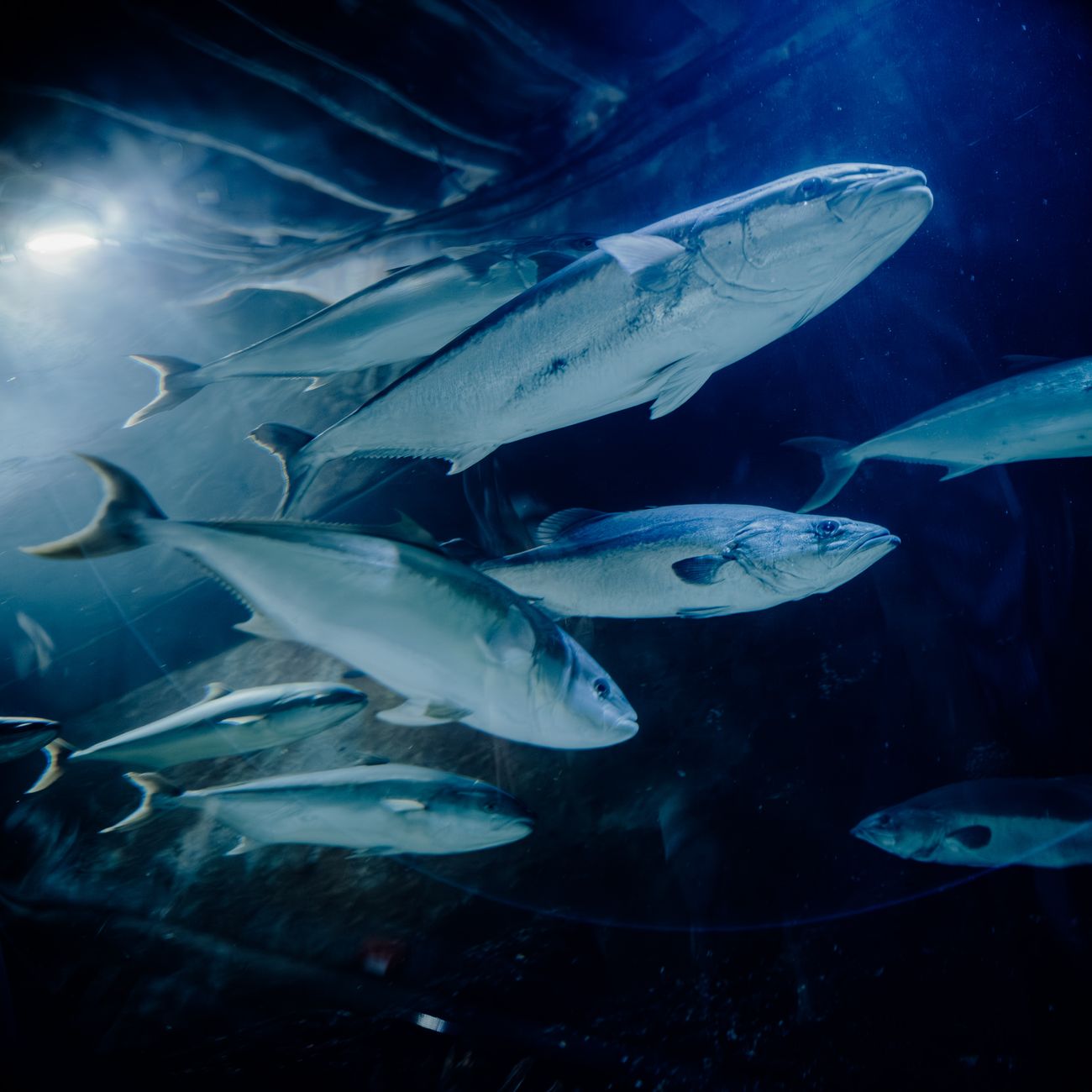
Aquaculture engineering and technology is a field that involves the application of engineering principles and technology to the cultivation of aquatic plants and animals. The field requires a strong understanding of water quality, hydraulics, and mechanics to design and operate aquaculture systems. One of the key concepts in aquaculture engineering is the design of recirculating aquaculture systems (RAS), which involve the reuse of water to minimize wastewater production and reduce the environmental impact of aquaculture operations. RAS involve a complex system of pumps, filters, and tanks to maintain optimal water quality and provide a healthy environment for aquatic organisms.
In addition to RAS, aquaculture engineers also design and operate open sea cages, which are used to culture marine species such as salmon and shrimp. Open sea cages are typically made of metal or plastic mesh and are suspended in the water column to provide a secure environment for the aquatic organisms. However, open sea cages can be vulnerable to predation and disease, and require regular monitoring and maintenance to ensure the health and well-being of the aquatic organisms.
Aquaculture engineers also use a variety of materials and equipment to construct and operate aquaculture systems, including pipes, pumps, and valves. The selection of materials and equipment is critical to the success of an aquaculture operation, as it can affect the water quality, energy efficiency, and cost of the operation. For example, the use of corrosion-resistant materials such as stainless steel or fiberglass can help to prevent leaks and contamination of the water supply.
Another important aspect of aquaculture engineering is the design and operation of feeding systems, which are used to provide nutrition to the aquatic organisms. Feeding systems can be manual or automated, and can include feed hoppers, pumps, and pipes to distribute feed to the aquatic organisms. The design of feeding systems requires a strong understanding of nutrition and feeding behavior, as well as mechanics and hydraulics to ensure that the feed is delivered efficiently and effectively.
In addition to the technical aspects of aquaculture engineering, there are also environmental and socioeconomic considerations that must be taken into account. Aquaculture operations can have impacts on the environment, including water pollution, habitat destruction, and invasive species. Aquaculture engineers must be aware of these impacts and design and operate aquaculture systems in a way that minimizes harm to the environment and local communities.
One of the key challenges facing aquaculture engineers is the need to balance production with environmental and socioeconomic considerations. Aquaculture operations must be profitable and sustainable in the long term, while also minimizing harm to the environment and local communities. This requires a strong understanding of economics and business principles, as well as environmental and socioeconomic impacts.
Aquaculture engineers also play a critical role in the development of new and innovative aquaculture technologies, such as integrated multi-trophic aquaculture (IMTA) systems. IMTA systems involve the cultivation of multiple species together, such as fish, shellfish, and seaweed, to create a more diverse and resilient aquaculture system. The design and operation of IMTA systems require a strong understanding of ecology and biology, as well as engineering and technology.
In addition to IMTA systems, aquaculture engineers are also developing new and innovative technologies such as recirculating aquaculture systems (RAS) and offshore aquaculture systems. RAS involve the reuse of water to minimize wastewater production and reduce the environmental impact of aquaculture operations. Offshore aquaculture systems involve the cultivation of aquatic organisms in open ocean environments, such as sea cages or longlines. The design and operation of offshore aquaculture systems require a strong understanding of oceanography and meteorology, as well as engineering and technology.
The development of new and innovative aquaculture technologies is critical to the sustainability and long-term viability of the aquaculture industry. Aquaculture engineers play a key role in the development of these technologies, and must be aware of the latest research and developments in the field. This requires a strong commitment to lifelong learning and professional development, as well as a willingness to collaborate and network with other professionals in the field.
Aquaculture engineers must also be aware of the regulatory and policy framework that governs the aquaculture industry. This includes laws and regulations related to environmental protection, food safety, and animal welfare. Aquaculture engineers must be able to navigate this complex regulatory and policy framework, and ensure that aquaculture operations are compliant with all relevant laws and regulations.
In addition to the technical and regulatory aspects of aquaculture engineering, there are also socioeconomic and cultural considerations that must be taken into account. Aquaculture operations can have impacts on local communities and indigenous peoples, and must be designed and operated in a way that respects and protects their rights and interests. This requires a strong understanding of socioeconomic and cultural context, as well as a commitment to social responsibility and environmental sustainability.
The future of aquaculture engineering is exciting and challenging, with many opportunities and challenges on the horizon. As the global demand for seafood continues to grow, the aquaculture industry will play an increasingly important role in meeting this demand. However, the industry must also address the many challenges it faces, including environmental sustainability, social responsibility, and economic viability. Aquaculture engineers will play a critical role in addressing these challenges and shaping the future of the aquaculture industry.
One of the key areas of focus for aquaculture engineers will be the development of sustainable and resilient aquaculture systems. This will involve the use of new and innovative technologies, such as recirculating aquaculture systems (RAS) and integrated multi-trophic aquaculture (IMTA) systems. It will also involve a strong focus on environmental sustainability, including the reduction of waste and pollution, and the protection of biodiversity and ecosystems.
Another key area of focus for aquaculture engineers will be the development of socially responsible and environmentally sustainable aquaculture practices. This will involve working with local communities and indigenous peoples to develop aquaculture operations that respect and protect their rights and interests. It will also involve a strong focus on animal welfare and food safety, to ensure that aquaculture products are safe and healthy for human consumption.
The development of new and innovative aquaculture technologies will also be a key area of focus for aquaculture engineers. This will involve the use of advanced materials and technologies, such as biotechnology and nanotechnology, to develop more efficient and sustainable aquaculture systems. It will also involve the development of new and innovative aquaculture products, such as value-added seafood products and aquaculture by-products.
In addition to these technical and scientific challenges, aquaculture engineers will also face social and economic challenges in the future. The aquaculture industry will need to address the social and economic impacts of aquaculture operations, including the effects on local communities and indigenous peoples. It will also need to address the economic viability of aquaculture operations, including the cost of production and the price of products.
Overall, the future of aquaculture engineering is exciting and challenging, with many opportunities and challenges on the horizon. As the global demand for seafood continues to grow, the aquaculture industry will play an increasingly important role in meeting this demand. Aquaculture engineers will play a critical role in shaping the future of the aquaculture industry, and will need to be well-equipped to address the many technical, social, and economic challenges that lie ahead.
The application of information technology in aquaculture engineering is another key area of focus. The use of advanced computer systems and software can help to improve the efficiency and productivity of aquaculture operations, and can also help to reduce the environmental impact of aquaculture. For example, the use of computer models can help to predict water quality and fish behavior, and can also help to optimize feeding and harvesting strategies.
The use of remote sensing and monitoring systems is another key area of focus in aquaculture engineering. The use of sensors and monitoring systems can help to track water quality and fish health in real-time, and can also help to detect problems and issues before they become serious. For example, the use of water quality sensors can help to monitor pH, temperature, and oxygen levels in the water, and can also help to detect changes in water quality that may affect fish health.
The development of new and innovative aquaculture products is another key area of focus in aquaculture engineering. The use of advanced biotechnology and genetic engineering can help to improve the quality and quantity of aquaculture products, and can also help to develop new and innovative products such as value-added seafood products and aquaculture by-products. For example, the use of genetic engineering can help to develop fish that are resistant to diseases and parasites, and can also help to improve the growth rate and feed efficiency of fish.
The importance of collaboration and partnership in aquaculture engineering cannot be overemphasized. The development of new and innovative aquaculture technologies and products requires the collaboration of researchers, industry practitioners, and policy makers. The exchange of ideas and knowledge between different stakeholders can help to accelerate the development of new and innovative aquaculture technologies and products, and can also help to address the social and economic challenges facing the aquaculture industry.
In conclusion, aquaculture engineering is a complex and multidisciplinary field that requires the application of engineering principles and technologies to the cultivation of aquatic plants and animals. The development of new and innovative aquaculture technologies and products is critical to the sustainability and long-term viability of the aquaculture industry. The exchange of ideas and knowledge between different stakeholders is essential to accelerating the development of new and innovative aquaculture technologies and products, and to addressing the social and economic challenges facing the aquaculture industry.
Key takeaways
- RAS involve a complex system of pumps, filters, and tanks to maintain optimal water quality and provide a healthy environment for aquatic organisms.
- However, open sea cages can be vulnerable to predation and disease, and require regular monitoring and maintenance to ensure the health and well-being of the aquatic organisms.
- The selection of materials and equipment is critical to the success of an aquaculture operation, as it can affect the water quality, energy efficiency, and cost of the operation.
- The design of feeding systems requires a strong understanding of nutrition and feeding behavior, as well as mechanics and hydraulics to ensure that the feed is delivered efficiently and effectively.
- Aquaculture engineers must be aware of these impacts and design and operate aquaculture systems in a way that minimizes harm to the environment and local communities.
- Aquaculture operations must be profitable and sustainable in the long term, while also minimizing harm to the environment and local communities.
- Aquaculture engineers also play a critical role in the development of new and innovative aquaculture technologies, such as integrated multi-trophic aquaculture (IMTA) systems.