
Nutrition and Health in Emergencies
Acute malnutrition refers to a rapid loss of body weight and muscle mass, usually measured by a low weight‑for‑height ratio or a mid‑upper‑arm circumference (MUAC) below a defined threshold. In emergency settings, children with acute malnut…
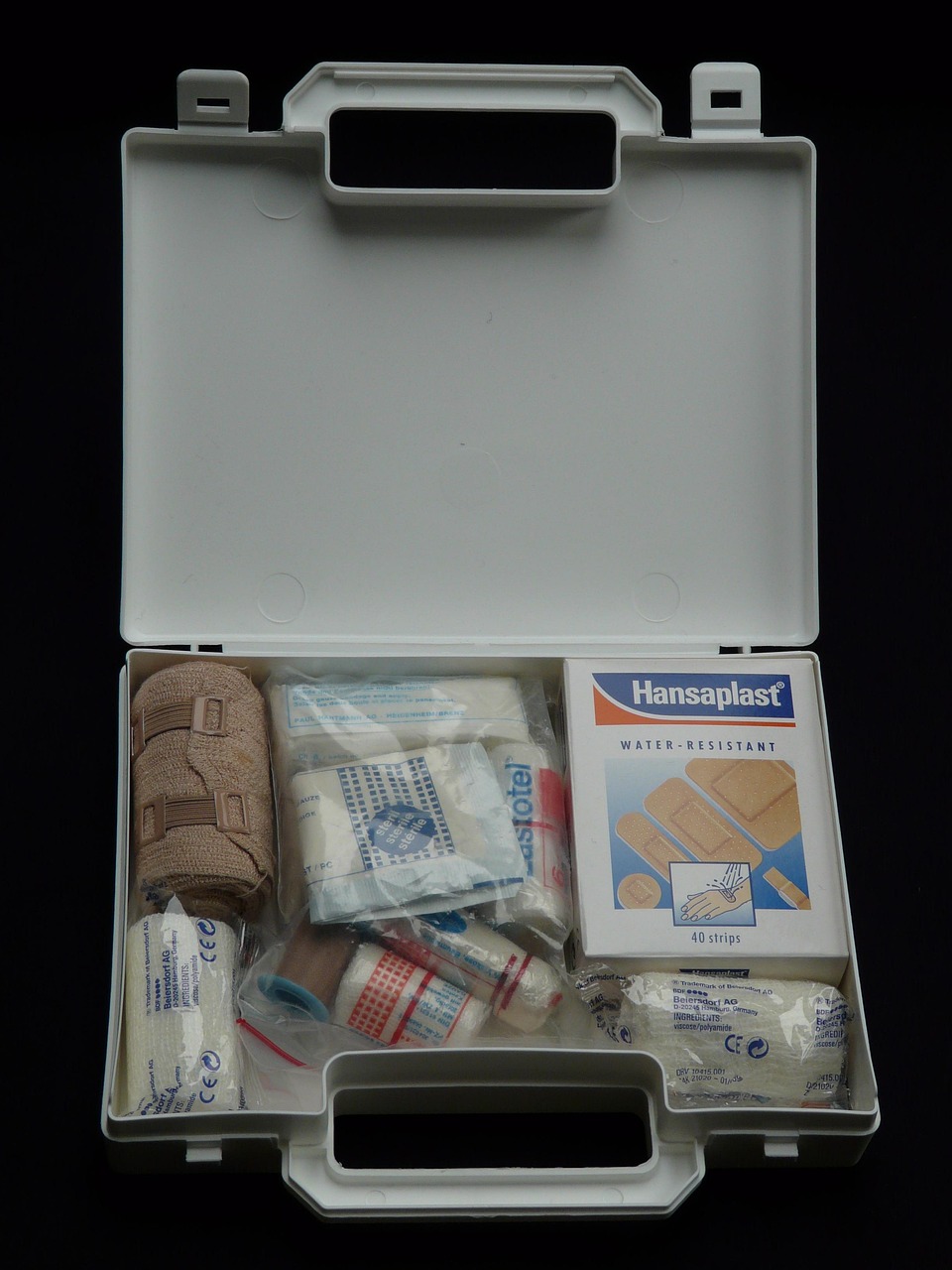
Acute malnutrition refers to a rapid loss of body weight and muscle mass, usually measured by a low weight‑for‑height ratio or a mid‑upper‑arm circumference (MUAC) below a defined threshold. In emergency settings, children with acute malnutrition are at high risk of infection and death. A typical practical application is the use of ready‑to‑use therapeutic foods (RUTF) for community‑based management of acute malnutrition (CMAM). Challenges include ensuring a reliable supply chain for RUTF, training community health workers, and monitoring adherence in displaced populations.
Chronic malnutrition is a long‑term deficiency of nutrients that leads to stunted growth, often assessed by height‑for‑age Z‑scores. In protracted crises, children may experience both acute and chronic forms simultaneously, complicating treatment protocols. For example, a refugee camp may have adequate caloric intake but lack micronutrients, resulting in stunting. Addressing chronic malnutrition requires fortified staple foods, nutrition education, and long‑term agricultural support, yet funding cycles are often short‑term, creating a mismatch between needs and resources.
Micronutrient deficiency denotes insufficient intake of vitamins and minerals such as vitamin A, iron, iodine, and zinc. Deficiencies can cause blindness, anemia, goitre, and impaired immune function. In emergencies, mass‑distribution of micronutrient powders (MNP) or fortified blended foods (FBF) is common. A practical example is the distribution of iron‑folic acid tablets to pregnant women to prevent maternal anemia. Challenges include cultural acceptance of supplements, storage conditions that affect potency, and ensuring that vulnerable groups receive the correct dosage.
Therapeutic feeding involves the provision of energy‑dense, ready‑to‑use therapeutic foods to treat severe acute malnutrition (SAM). The standard protocol uses RUTF, which contains a balanced mix of protein, fat, vitamins, and minerals. In field practice, health workers may set up outpatient therapeutic feeding centers where children receive daily RUTF portions and are monitored for weight gain. Obstacles include maintaining the cold chain for certain formulations, preventing sharing of the product within families, and navigating logistics in conflict zones where access is restricted.
Supplementary feeding targets individuals with moderate acute malnutrition (MAM) or those at risk of developing SAM. It typically uses fortified blended foods such as corn‑soy blend (CSB) or lipid‑based nutrient supplements (LNS). For instance, a shelter program may provide daily LNS sachets to children aged 6‑23 months. The main challenges are ensuring that the supplementary foods are not diverted for other household uses, that they meet local taste preferences, and that the distribution reaches remote or hard‑to‑reach populations.
Food security is the condition in which all people have physical, social, and economic access to sufficient, safe, and nutritious food that meets dietary needs for an active and healthy life. In emergencies, food security can be threatened by disrupted supply chains, loss of livelihoods, and market volatility. A practical approach is conducting rapid food security assessments using tools like the Food Consumption Score (FCS) or the Household Food Insecurity Access Scale (HFIAS). Challenges include quickly gathering reliable data in insecure areas, and translating findings into actionable interventions before the situation deteriorates.
Food insecurity describes the lack of reliable access to adequate food. In humanitarian contexts, it often results from displacement, loss of assets, or inflation. For example, families in an urban flood‑affected area may experience sudden spikes in food prices, leading to reduced meal frequency. Addressing food insecurity may involve cash‑based assistance (CBA), vouchers, or direct food distribution. Each modality has its own set of challenges: cash programs require functional markets, vouchers need robust verification systems, and direct distribution can be logistically complex and may create dependency if not phased out appropriately.
Nutritional assessment is the systematic process of evaluating the nutritional status of individuals or populations. Common methods include anthropometric measurements (weight, height, MUAC), biochemical tests (hemoglobin, serum retinol), and clinical examinations (presence of edema or skin lesions). In an emergency, rapid nutrition surveys such as SMART (Standardized Monitoring and Assessment of Relief and Transitions) are employed to generate prevalence data for acute malnutrition. Practical challenges include training assessors under time pressure, ensuring measurement accuracy, and dealing with language barriers that may affect consent and cooperation.
Anthropometry is the measurement of the human body to assess growth and nutritional status. Key indicators are weight‑for‑height (WFH), height‑for‑age (HFA), and MUAC. For instance, a field worker measuring MUAC on a child under five can quickly identify those with SAM (MUAC <115 mm) or MAM (115‑124 mm). The main challenges are maintaining calibrated equipment, standardizing measurement techniques across different teams, and dealing with cultural sensitivities that may limit exposure of children’s arms for measurement.
Mid‑Upper‑Arm Circumference (MUAC) is a simple, portable indicator of acute malnutrition, especially useful in community‑based screening. A MUAC tape is used to wrap around the upper arm, and a cutoff point determines risk categories. In practice, community volunteers may be trained to screen children using MUAC, allowing early detection and referral. However, challenges arise when volunteers lack confidence, when children are reluctant, or when environmental conditions (e.g., cold weather) affect arm circumference readings.
Weight‑for‑Height Z‑score (WHZ) expresses a child’s weight relative to his or her height, compared to a reference population. A WHZ below −2 indicates moderate acute malnutrition, while below −3 signals severe acute malnutrition. WHZ is calculated using growth reference tables or software. The practical application includes using WHZ in nutrition surveys to estimate prevalence. The main difficulty lies in obtaining accurate height measurements, especially in crowded or unstable settings where children may be uncooperative.
Height‑for‑Age Z‑score (HAZ) reflects linear growth and is a marker of chronic malnutrition or stunting. A HAZ below −2 signifies stunting. In emergency contexts, HAZ data can highlight long‑term nutritional deficits that may persist after the acute phase. For example, a protracted displacement camp may show high rates of stunting among school‑age children, indicating the need for school feeding programs and micronutrient fortification. Challenges include the time‑intensive nature of height measurement and the need for age verification, which can be difficult in populations lacking birth records.
Body Mass Index (BMI) is calculated as weight in kilograms divided by height in meters squared and is used to assess adult nutritional status. In emergencies, BMI can identify underweight adults (BMI < 18.5) and overweight or obese individuals, which may influence disease risk. For instance, a humanitarian health team may screen pregnant women for low BMI to prioritize them for supplementary feeding. Limitations include the inability of BMI to distinguish between muscle and fat mass, and the need for accurate height measurement, which may be logistically challenging in field settings.
Micronutrient powders (MNP) are single‑dose sachets containing a blend of vitamins and minerals that can be mixed into semi‑solid foods. They are often used to prevent or treat iron‑deficiency anemia in young children. A typical program distributes MNP to caregivers, providing instructions on how to incorporate the powder into porridge or mashed vegetables. Practical challenges include ensuring adherence, overcoming taste aversion, and preventing sharing of the powders with older siblings, which can dilute the intended impact.
Ready‑to‑Use Therapeutic Food (RUTF) is a high‑energy, nutrient‑dense paste that requires no preparation, water, or cooking. It is the cornerstone of community‑based management of SAM. In practice, RUTF is pre‑packaged in sachets and delivered to households or feeding centers. Challenges include maintaining product quality in hot climates, preventing diversion for resale, and managing the psychological impact of labeling children as “therapeutic food recipients,” which can lead to stigma.
Fortified blended foods (FBF) are staple food products enriched with vitamins and minerals, such as CSB‑plus, wheat‑soy blend, or millet‑soy blend. They are used for supplementary feeding of moderately malnourished individuals. For example, a camp nutrition program may provide CSB‑plus to families with children aged 6‑59 months. Practical issues include ensuring proper cooking instructions are followed, addressing cultural acceptability, and preventing contamination during storage.
Lipid‑Based Nutrient Supplements (LNS) are energy‑dense pastes or spreads that provide a balanced mix of macronutrients and micronutrients. They can be used for both prevention and treatment of malnutrition. In a field setting, LNS may be distributed to pregnant and lactating women to meet increased nutrient demands. The challenges involve cost, supply chain logistics, and ensuring that the supplement does not replace regular meals but rather complements them.
Cash‑Based Assistance (CBA) delivers cash or vouchers to beneficiaries, allowing them to purchase food or other essential items in local markets. This approach respects household preferences and can stimulate local economies. For instance, an emergency response may issue monthly cash transfers to displaced families, enabling them to buy fresh produce and maintain dietary diversity. However, CBA can be limited by market availability, inflation, and the risk that cash is diverted or misused.
Food vouchers are coupons that can be exchanged for specific food items at approved retailers. They give beneficiaries choice while ensuring that essential foods are purchased. A practical example is a voucher program that allows families to buy fortified wheat flour or legumes. Challenges include establishing a reliable network of vendors, preventing fraud, and ensuring that vouchers are not exchanged for cash in informal markets.
Direct food distribution involves delivering actual food commodities to affected populations. This method is often used when markets are disrupted or when beneficiaries lack purchasing power. For example, a humanitarian organization may air‑drop rice and beans to a remote mountain community after an earthquake. The main challenges are transportation logistics, storage capacity, and maintaining the nutritional quality of perishable items during transit.
Nutrition surveillance is the continuous systematic collection, analysis, and interpretation of nutrition data to monitor trends and inform timely interventions. In emergencies, surveillance may be integrated with health surveillance to detect spikes in malnutrition or disease. For instance, a weekly reporting system may capture the number of new SAM cases identified at health posts. Challenges include sustaining data flow amid security constraints, ensuring data quality, and rapidly translating findings into action.
Rapid nutrition assessment is a quick method to estimate the prevalence of acute malnutrition in a population, often using a limited number of indicators such as MUAC and weight‑for‑height. The SMART methodology is a common tool that combines nutrition, food security, and mortality indicators. In practice, a rapid assessment may be conducted within two weeks of a disaster to guide resource allocation. Limitations include reduced precision compared to full surveys, potential sampling bias, and the need for trained personnel to conduct measurements correctly.
Standardized Monitoring and Assessment of Relief and Transitions (SMART) is a set of tools and protocols designed for rapid, reliable nutrition surveys. It includes guidelines for sample size calculation, data collection, and analysis. For example, a SMART survey may be conducted in a refugee camp to determine the prevalence of SAM, MAM, and stunting. The challenges lie in securing sufficient trained enumerators, ensuring ethical consent, and managing data entry under time pressure.
Food Consumption Score (FCS) is a composite indicator of dietary diversity, food frequency, and relative nutritional importance of food groups. It is calculated based on household recall of food consumption over a seven‑day period. In emergency contexts, the FCS can help identify households at risk of food insecurity. A practical application is using FCS thresholds to prioritize cash assistance. However, recall bias, cultural differences in food classification, and seasonality can affect the accuracy of the score.
Household Food Insecurity Access Scale (HFIAS) measures the degree of food insecurity experienced by households, based on nine occurrence questions about anxiety and insufficient food quality or quantity. It is used in rapid assessments to capture subjective experiences of insecurity. For instance, an HFIAS survey may reveal that 40 % of households in a flood‑affected region report worrying about food availability. Challenges include ensuring that respondents understand the questions and that cultural norms do not lead to under‑reporting.
Livelihoods refers to the means by which people obtain food, income, and other necessities for survival. In humanitarian settings, livelihood restoration is critical to achieving long‑term food security. Programs may support small‑scale agriculture, livestock rearing, or cash‑for‑work schemes. For example, a post‑conflict intervention may provide seeds and training to restore subsistence farming. The main challenges are land tenure issues, market access, and the time lag between program initiation and tangible benefits.
Food safety encompasses the handling, preparation, and storage of food to prevent contamination and food‑borne illness. In emergencies, compromised infrastructure can increase the risk of unsafe food. Practical measures include training displaced families on proper cooking techniques, providing clean water for washing, and distributing safe‑packaged foods. Challenges include limited access to clean water, lack of refrigeration, and cultural practices that may conflict with recommended safety protocols.
Breastfeeding is the optimal source of nutrition for infants, providing essential nutrients and immune protection. In emergencies, protecting and promoting exclusive breastfeeding for the first six months is a priority. For example, humanitarian responders may establish “mother‑friendly spaces” where lactating mothers receive privacy and counseling. Barriers include stress, displacement, lack of privacy, and misinformation that formula is superior. Programs must address these challenges through psychosocial support and community education.
Infant and Young Child Feeding (IYCF) guidelines recommend timely introduction of complementary foods at six months while continuing breastfeeding. In crisis settings, IYCF counseling helps caregivers maintain appropriate feeding practices despite limited resources. Practical application includes distributing age‑appropriate complementary foods and providing cooking demonstrations. Challenges include food scarcity, cultural taboos, and the need for safe water for food preparation.
Maternal nutrition during pregnancy and lactation influences both maternal health and child outcomes. In emergencies, pregnant women may be at risk of anemia, micronutrient deficiencies, and inadequate caloric intake. Supplementary programs may provide iron‑folic acid tablets, calcium supplements, and fortified blended foods. For instance, a nutrition kit for pregnant women might contain 180 tablets of iron‑folic acid, a daily dose of calcium, and a sachet of fortified porridge mix. Challenges include ensuring compliance, addressing side effects, and integrating nutrition services with antenatal care in mobile or temporary clinics.
Supplementary feeding programs (SFP) aim to prevent malnutrition in at‑risk groups such as children 6‑59 months, pregnant and lactating women, and people with chronic illnesses. They typically provide fortified blended foods or LNS on a regular basis. For example, an SFP may distribute a weekly ration of CSB‑plus to children in a drought‑affected region. Operational challenges include maintaining consistent supply, monitoring consumption, and adjusting rations to seasonal changes in food availability.
Therapeutic feeding programs (TFP) focus on treating severe acute malnutrition using RUTF or specialized therapeutic milks. They operate through inpatient or outpatient models, with the latter being preferred for its cost‑effectiveness and community involvement. A practical scenario is a “stabilization center” where severely malnourished children receive intensive medical care before transitioning to outpatient therapeutic feeding. Challenges include ensuring referral pathways, managing medical complications (e.g., infections, edema), and preventing relapse after discharge.
Community health workers (CHWs) are trained laypersons who deliver basic health and nutrition services at the community level. In emergencies, CHWs can conduct MUAC screening, distribute RUTF, and provide nutrition counseling. For instance, a CHW network may be mobilized to visit households in a flood‑affected district, identifying children with SAM and linking them to treatment sites. Challenges include maintaining motivation, providing adequate supervision, and ensuring safety in insecure environments.
Logistics in nutrition emergencies encompasses procurement, transportation, storage, and distribution of food and nutrition commodities. Effective logistics require accurate forecasting, cold chain management for perishable items, and coordination with security agencies. A practical example is the pre‑positioning of RUTF pallets at strategic hubs before a hurricane season. Common challenges are road blockages, customs delays, limited warehousing space, and fluctuating fuel prices that can increase operational costs.
Supply chain management involves the end‑to‑end process of moving nutrition commodities from manufacturers to beneficiaries. In humanitarian contexts, supply chains must be flexible to adapt to sudden changes in access or demand. For example, a sudden influx of displaced people may require rapid scaling up of RUTF shipments. Potential bottlenecks include donor restrictions on procurement, limited local production capacity, and the need for quality assurance checks at each stage.
Cold chain refers to the temperature‑controlled environment required for certain nutrition products, such as therapeutic milks, to preserve potency. In emergencies, maintaining a cold chain can be difficult due to power outages and lack of refrigeration equipment. Practical solutions include solar‑powered refrigerators, insulated containers with ice packs, and using temperature‑stable formulations when possible. The main challenges are ensuring continuous temperature monitoring and training staff on proper handling procedures.
Quality assurance (QA) ensures that nutrition commodities meet established standards for safety, potency, and labeling. QA processes may involve batch testing, expiry date verification, and documentation of storage conditions. In the field, QA may be performed by a designated nutrition officer who checks RUTF sachets for integrity before distribution. Challenges include limited laboratory capacity, time constraints during emergencies, and the need to balance speed with thoroughness.
Quality control (QC) is a subset of QA that focuses on specific testing procedures to detect defects in products. In emergency nutrition, QC may involve rapid field tests for vitamin A content in fortified foods. Practical challenges include the availability of portable testing kits, training of personnel to interpret results correctly, and ensuring that QC findings are acted upon promptly to prevent distribution of substandard products.
Monitoring and Evaluation (M&E) tracks program performance, outcomes, and impact. In nutrition emergencies, M&E may involve collecting data on SAM admissions, recovery rates, and mortality. For example, a program may set a target of 85 % recovery among children treated for SAM and use monthly reports to assess progress. Challenges include data collection fatigue among staff, incomplete records, and the difficulty of attributing outcomes directly to specific interventions in complex emergencies.
Recovery rate is the proportion of malnourished individuals who achieve a predefined nutritional status after treatment, typically defined as a weight gain of at least 15 % of initial weight for SAM cases. Monitoring recovery rates helps assess the effectiveness of therapeutic feeding programs. A practical benchmark is a recovery rate of ≥ 75 % for SAM treatment. Challenges include loss to follow‑up, relapses, and co‑existing medical conditions that may hinder weight gain.
Default rate indicates the proportion of patients who discontinue treatment before achieving recovery. High default rates can undermine program success and increase mortality. In emergencies, factors such as displacement, insecurity, and stigma can drive defaults. For instance, a community‑based program may experience a 20 % default rate due to families moving to new camps. Strategies to reduce defaults include strengthening follow‑up mechanisms, providing transport vouchers, and engaging community leaders to promote adherence.
Mortality rate measures the number of deaths among a specific population over a defined period, often expressed per 10 000 or per 1 000 children under five. In nutrition emergencies, the case‑fatality rate for SAM is a critical indicator, with WHO recommending it stay below 10 %. Practical monitoring involves recording deaths at treatment sites and cross‑checking with local health records. Challenges include under‑reporting, attributing cause of death accurately, and dealing with incomplete data in chaotic settings.
Case‑fatality rate (CFR) is the proportion of individuals with a specific condition who die from that condition within a certain timeframe. For SAM, a CFR below 10 % is considered acceptable. In practice, program managers track CFR weekly to identify spikes that may signal emerging complications or gaps in care. Common challenges are delayed reporting, misclassification of deaths, and the need for rapid response to address identified issues.
Relapse rate refers to the proportion of individuals who return to a malnourished state after having been classified as recovered. High relapse rates may indicate inadequate post‑treatment support or ongoing food insecurity. For example, a study may find that 12 % of children discharged from a therapeutic feeding program relapse within three months. Mitigation strategies include linking discharged children to supplementary feeding programs, conducting follow‑up visits, and providing nutrition education to caregivers.
Anthropometric z‑scores are standardized scores that indicate how far an individual’s measurement deviates from a reference median. They are essential for classifying nutritional status (e.g., WHZ, HAZ, WAZ). In field surveys, software such as WHO Anthro is used to calculate z‑scores from raw measurements. Practical challenges include ensuring accurate age data for children, handling outliers, and interpreting results in the context of population‑specific growth patterns.
Weight‑for‑Age Z‑score (WAZ) assesses underweight status by comparing a child’s weight to age‑specific reference values. It is useful for children older than six months when height measurement may be difficult. A WAZ below −2 indicates underweight. In emergencies, WAZ can be used to screen for both acute and chronic malnutrition when height data are unavailable. Limitations include its inability to distinguish between stunting and wasting, and the need for reliable age information.
Growth monitoring involves regular measurement of children’s weight and height to track development over time. In humanitarian settings, growth monitoring can identify early signs of malnutrition and trigger timely interventions. Community health volunteers may conduct monthly growth checks using calibrated scales and height boards. Challenges include maintaining consistent measurement intervals, ensuring data is recorded accurately, and providing appropriate follow‑up for children who fall off growth curves.
Micronutrient powders (MNP) are single‑dose sachets that contain a blend of vitamins and minerals designed to be mixed into complementary foods. They are used to prevent micronutrient deficiencies in infants and young children. A typical program may distribute MNP to caregivers of children aged 6‑23 months, accompanied by counseling on proper use. Practical challenges include ensuring that the powders are mixed into foods that are not boiled (to preserve vitamin potency), overcoming taste aversion, and preventing sharing with older siblings.
Vitamin A supplementation (VAS) is a preventive intervention that provides high‑dose vitamin A capsules to children aged 6‑59 months, typically every six months. VAS reduces the risk of severe infections and blindness. In emergency contexts, VAS campaigns are often integrated with immunization drives to maximize coverage. For example, a joint VAS‑measles immunization campaign may reach 85 % of eligible children in a displaced population. Challenges include maintaining cold chain for the capsules, obtaining community acceptance, and coordinating with other health activities.
Iodized salt is a common vehicle for preventing iodine deficiency, which can lead to goitre and impaired cognitive development. In emergencies, distribution of iodized salt can be incorporated into general food aid. However, the effectiveness depends on the salt’s iodine content remaining stable during storage and cooking. Practical challenges include verifying iodine levels in supplied salt, ensuring that households do not replace it with non‑iodized alternatives, and addressing misconceptions about salt consumption.
Zinc supplementation is used to reduce the duration and severity of diarrhoeal episodes in children. In crisis settings, zinc tablets may be distributed alongside oral rehydration salts (ORS). For instance, a child with acute diarrhoea may receive a 10‑day course of zinc plus ORS. Challenges include ensuring adherence, avoiding over‑use, and integrating zinc distribution with broader diarrhoea management protocols.
Oral rehydration salts (ORS) are a cornerstone of diarrhoea treatment, providing the necessary electrolytes and glucose to prevent dehydration. In emergencies, ORS packets are often pre‑positioned in health posts and distributed by CHWs. Practical application includes training caregivers on how to prepare ORS correctly using clean water. Barriers may involve lack of clean water, cultural beliefs that favour traditional remedies, and the potential for misuse of ORS for unrelated illnesses.
Therapeutic milks such as F‑75 and F‑100 are specialized formulas used in the inpatient treatment of severe malnutrition, providing carefully calibrated energy and protein levels. They are administered in a stepwise fashion: F‑75 for stabilization and F‑100 for rehabilitation. In an emergency hospital, therapeutic milks require strict preparation protocols and temperature control. Challenges include ensuring the availability of clean water, maintaining the cold chain, and training staff on the correct dosing schedule.
Supplementary feeding for pregnant women (SFP‑PW) addresses the increased nutrient requirements during pregnancy and lactation. Programs may provide fortified blended foods, LNS, or micronutrient tablets. For example, a SFP‑PW may supply a daily ration of 100 g of fortified wheat‑soy blend plus iron‑folic acid tablets. Practical difficulties include identifying pregnant women in transient populations, ensuring that the supplement does not replace regular meals, and monitoring compliance.
Nutrition-sensitive interventions are actions that indirectly improve nutrition outcomes by addressing underlying determinants such as water, sanitation, hygiene (WASH), livelihoods, and education. In emergencies, integrating nutrition with WASH can reduce disease transmission that exacerbates malnutrition. For instance, constructing latrines and promoting handwashing can lower diarrhoea incidence, thereby supporting nutritional recovery. Challenges include coordinating multiple sectors, aligning timelines, and measuring indirect nutrition benefits.
Nutrition-specific interventions directly target the immediate causes of malnutrition, such as inadequate dietary intake and disease. Examples include therapeutic feeding, micronutrient supplementation, and breastfeeding promotion. In an emergency response, nutrition‑specific actions are often prioritized in the first weeks to address acute needs. However, without nutrition‑sensitive components, gains may be unsustainable, highlighting the necessity of a balanced approach.
Humanitarian health clusters are coordinated groups of agencies that plan and deliver health services in emergencies. The nutrition sub‑cluster works within this framework to harmonize nutrition activities across organizations. Practical implications include joint situation analysis, shared logistics, and coordinated monitoring. Challenges include differing organizational mandates, competition for funding, and varying technical standards that can lead to duplication or gaps in service delivery.
Cluster approach is a coordination mechanism whereby agencies with similar mandates collaborate under a lead organization. In nutrition, the cluster lead may be a UN agency such as UNICEF or WFP. The approach facilitates resource mapping, joint planning, and data sharing. However, it can also create bureaucratic delays, especially when consensus is needed for rapid procurement or when multiple partners have competing priorities.
Standard Operating Procedures (SOPs) are documented processes that guide staff in delivering nutrition services consistently. SOPs for screening, treatment, referral, and data management ensure quality and accountability. In practice, SOPs may dictate the exact steps for MUAC measurement, including positioning, tape placement, and recording. Common challenges include keeping SOPs up‑to‑date during evolving emergencies, ensuring staff understand them, and adapting them to context‑specific constraints.
Referral system connects individuals identified with malnutrition at the community level to appropriate treatment facilities. An effective referral system includes clear criteria, transportation mechanisms, and feedback loops. For example, a CHW who identifies a child with SAM using MUAC may arrange a motorbike ride to the nearest therapeutic feeding center. Barriers include distance, security risks, lack of transport, and insufficient capacity at referral sites.
Case management encompasses the complete set of actions from identification to discharge of a malnutrition case. It integrates medical treatment, nutrition support, and follow‑up. In practice, case management protocols outline admission criteria, treatment regimens, monitoring frequency, and discharge criteria. Challenges include ensuring that all components are delivered consistently, especially when staff turnover is high or when multiple agencies are involved.
Screening is the systematic identification of individuals at risk of malnutrition before symptoms become severe. In emergencies, community‑based screening using MUAC or weight‑for‑height is common. For example, a rapid screening campaign may cover an entire camp in a few days, identifying 2 % of children with SAM. Limitations include the risk of missing cases due to measurement errors, the need for repeat screening to capture new cases, and potential community fatigue.
Targeted supplementary feeding focuses resources on specific high‑risk groups rather than providing blanket food aid. Criteria may include age, pregnancy status, or presence of chronic disease. In a drought scenario, a program might target children under five and lactating women with LNS. Challenges involve accurately identifying and reaching the target population, avoiding exclusion errors, and ensuring that the targeted approach does not create perceptions of favoritism.
General food distribution (GFD) provides staple foods to all households in a defined area, regardless of individual nutritional status. GFD is often used when food markets are disrupted or when there is a need for equitable assistance. For instance, a GFD may deliver 10 kg of rice per household per month. While GFD can quickly alleviate hunger, it may not address micronutrient gaps, and it can strain local markets if not carefully calibrated.
Multi‑sectoral coordination involves aligning nutrition activities with other humanitarian sectors such as shelter, WASH, protection, and education. Effective coordination ensures that nutrition interventions are not undermined by, for example, poor shelter conditions that increase disease risk. Practical tools include joint planning meetings, shared data platforms, and cross‑sectoral training sessions. Challenges include differing sector priorities, siloed funding streams, and varying timelines for implementation.
Protection considerations in nutrition emergencies address the safety and dignity of beneficiaries, especially vulnerable groups such as women, children, and persons with disabilities. For example, distribution points must be designed to prevent gender‑based violence, and nutrition screening must respect privacy. Integrating protection into nutrition programs can reduce barriers to access, but it requires close collaboration with protection officers and adherence to humanitarian standards.
Gender‑responsive programming ensures that nutrition interventions address the distinct needs of men, women, and girls. In many crises, women are primary caregivers and may face additional burdens such as water collection. Programs may provide gender‑sensitive counseling, involve women in decision‑making, and adjust food rations to account for lactating mothers. Challenges include cultural norms that limit women’s participation, lack of gender‑disaggregated data, and ensuring that women’s workload is not increased by program activities.
Disability inclusion means designing nutrition services that are accessible to persons with physical, sensory, or cognitive impairments. Practical measures include providing wheelchair‑accessible screening sites, using visual aids for those with low literacy, and training staff on disability‑sensitive communication. Barriers often involve insufficient data on the prevalence of disability, lack of specialized equipment, and limited awareness among humanitarian workers.
Cash transfer programming (CTP) includes unconditional cash transfers (UCT) and conditional cash transfers (CCT) that may be tied to nutrition‑related behaviors such as attending growth monitoring sessions. In a CTP, households receive cash that they can allocate according to their needs, potentially improving dietary diversity. However, CTPs may be vulnerable to inflation, market shortages, and misuse. Rigorous monitoring and flexibility to adjust transfer amounts are essential for success.
Voucher schemes can be commodity‑based, allowing beneficiaries to select specific foods from a list, or market‑based, enabling purchase of any item within a set budget. In a nutrition emergency, a voucher for fortified blended foods can ensure that families receive the intended product while preserving choice. Operational challenges include establishing reliable vendor networks, preventing fraud, and ensuring that vouchers are accepted by local retailers.
Food basket analysis assesses the cost and composition of a set of foods that meet nutritional requirements for a typical household. It helps determine the adequacy of cash assistance and informs market‑based interventions. For example, a food basket may be calculated to provide 2 500 kcal per adult per day with adequate micronutrients. The analysis can reveal gaps where market prices exceed the cash assistance, prompting adjustments. Challenges include obtaining accurate price data, accounting for seasonality, and incorporating cultural food preferences.
Market assessments evaluate the availability, price, and quality of food items in local markets. In emergencies, market assessments guide decisions on whether to rely on cash, vouchers, or direct food aid. A practical approach includes conducting rapid price surveys and mapping market locations relative to displaced populations. Limitations involve rapidly changing market dynamics, limited access to remote markets, and the need for repeated assessments to capture trends.
Food price monitoring tracks fluctuations in staple food costs, which can affect household food security and the purchasing power of cash assistance. In a protracted crisis, rising prices may erode the effectiveness of cash programs. Monitoring mechanisms may involve weekly price checks at key market stalls and dissemination of findings to program managers. Challenges include ensuring data reliability, dealing with informal market structures, and responding swiftly to price spikes.
Nutrition surveillance systems provide ongoing data on malnutrition trends, mortality, and disease outbreaks. They enable early warning and timely response. In practice, a nutrition surveillance system may collect weekly reports from health facilities on SAM admissions, deaths, and discharge outcomes. Effective surveillance requires standardized data collection tools, trained staff, and a central database. Barriers include limited human resources, insecure communication networks, and data quality issues.
Early warning indicators are specific metrics that signal an increasing risk of nutrition crises, such as rising MUAC < 115 mm prevalence, deteriorating food security scores, or spikes in diarrhoeal disease. Programs use these indicators to trigger pre‑emptive actions. For example, a threshold of 5 % SAM prevalence may prompt scaling up of therapeutic feeding. The main challenge is establishing locally relevant thresholds and ensuring that early warnings translate into concrete response measures.
Rapid response teams (RRTs) are multidisciplinary groups that can be mobilized quickly to address emerging nutrition emergencies. An RRT may include a nutritionist, a logistician, a medical officer, and a community mobilizer. Their tasks involve conducting rapid assessments, setting up treatment sites, and coordinating with local authorities. Challenges include maintaining a ready pool of trained personnel, ensuring rapid deployment logistics, and integrating RRT activities with existing health structures.
Capacity building strengthens the skills and knowledge of local staff, volunteers, and partners to deliver nutrition interventions. Training topics can range from MUAC measurement to RUTF management. In an emergency, capacity building may be delivered through “train‑the‑trainer” models to cascade skills rapidly. Obstacles include limited training resources, high staff turnover, and the need to adapt training content to varying literacy levels.
Training of trainers (ToT) is a method where a small group of participants receives intensive training and then disseminates the knowledge to a larger audience. In nutrition emergencies, ToT can accelerate the scaling up of community screening capacity. For instance, a ToT workshop may produce 20 master trainers who each train 10 community volunteers. Challenges include ensuring quality control of the cascade training, providing ongoing supervision, and adapting training materials to diverse contexts.
Community engagement involves actively involving affected populations in the design, implementation, and evaluation of nutrition programs. It enhances relevance, acceptance, and sustainability. Practical examples include forming nutrition committees, conducting focus group discussions, and using local radio to disseminate key messages. Barriers include cultural norms that limit participation, language differences, and fatigue among communities already burdened by crisis.
Behavior change communication (BCC) uses targeted messages to influence nutrition‑related behaviors such as exclusive breastfeeding, safe food preparation, and appropriate complementary feeding. BCC strategies may include posters, drama performances, and interpersonal counseling. In emergencies, BCC must be concise, culturally appropriate, and delivered through trusted channels. Challenges include limited time for behavior change, competing survival priorities, and misinformation spread.
Social and behavior change communication (SBCC) expands BCC by incorporating social norms and community dynamics. It seeks to shift collective attitudes toward nutrition practices. For example, an SBCC campaign may promote the idea that “healthy children are a community responsibility,” encouraging neighbors to support breastfeeding mothers. Implementing SBCC requires deep understanding of community structures, which can be difficult to obtain quickly during a crisis.
Nutrition education provides knowledge about dietary requirements, food preparation
Key takeaways
- Acute malnutrition refers to a rapid loss of body weight and muscle mass, usually measured by a low weight‑for‑height ratio or a mid‑upper‑arm circumference (MUAC) below a defined threshold.
- Addressing chronic malnutrition requires fortified staple foods, nutrition education, and long‑term agricultural support, yet funding cycles are often short‑term, creating a mismatch between needs and resources.
- Challenges include cultural acceptance of supplements, storage conditions that affect potency, and ensuring that vulnerable groups receive the correct dosage.
- Obstacles include maintaining the cold chain for certain formulations, preventing sharing of the product within families, and navigating logistics in conflict zones where access is restricted.
- The main challenges are ensuring that the supplementary foods are not diverted for other household uses, that they meet local taste preferences, and that the distribution reaches remote or hard‑to‑reach populations.
- Food security is the condition in which all people have physical, social, and economic access to sufficient, safe, and nutritious food that meets dietary needs for an active and healthy life.
- Each modality has its own set of challenges: cash programs require functional markets, vouchers need robust verification systems, and direct distribution can be logistically complex and may create dependency if not phased out appropriately.