
Health and Wellness for Aging Adults
Health and Wellness for Aging Adults
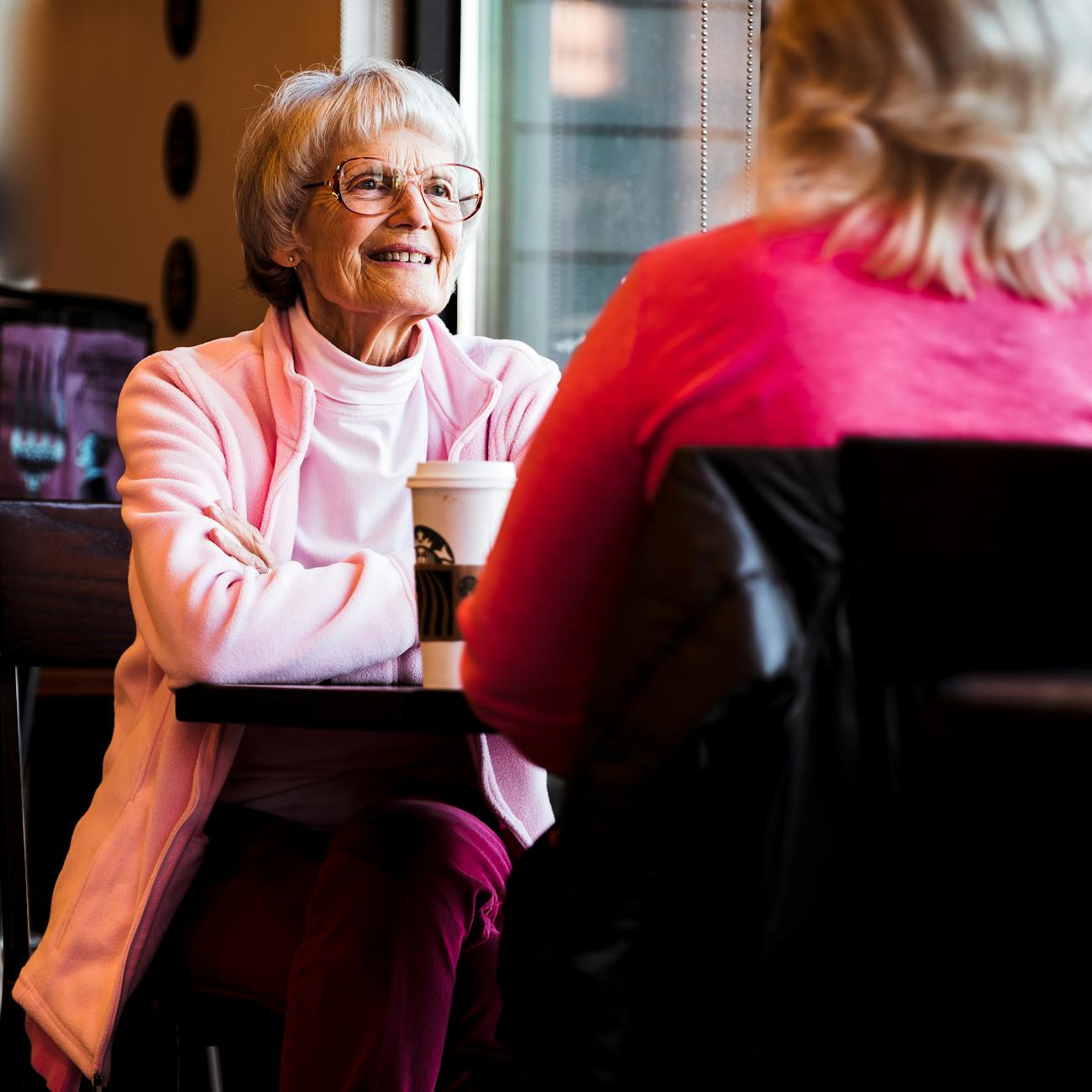
Health and Wellness for Aging Adults
As individuals age, their health and wellness become increasingly important factors in maintaining a high quality of life. Aging adults face unique challenges and considerations when it comes to their physical, mental, and emotional well-being. This course, the Certificate in Aging in Place, aims to provide a comprehensive understanding of the key terms and vocabulary related to health and wellness for aging adults.
1. Aging in Place
Aging in place refers to the ability of individuals to live independently and comfortably in their own homes as they age. This concept emphasizes the importance of creating a safe and supportive environment that allows aging adults to maintain their autonomy and quality of life.
Challenges and Considerations: - Accessibility: Ensuring that the home is accessible and free of hazards to prevent falls and injuries. - Social Support: Providing opportunities for social interaction and engagement to combat feelings of isolation and loneliness. - Healthcare Access: Ensuring access to healthcare services and support to manage chronic conditions and age-related health issues.
2. Functional Decline
Functional decline is the gradual loss of physical or cognitive abilities that can impact an individual's ability to perform daily tasks. This decline can be a natural part of the aging process but can also be influenced by lifestyle factors, health conditions, and environmental factors.
Examples: - Difficulty with mobility and balance, leading to an increased risk of falls. - Cognitive decline, affecting memory, decision-making, and problem-solving abilities. - Reduced strength and endurance, making it challenging to perform tasks such as housework or grocery shopping.
3. Activities of Daily Living (ADLs)
Activities of Daily Living (ADLs) are essential self-care tasks that individuals must be able to perform to maintain their independence and quality of life. These activities include tasks such as bathing, dressing, eating, toileting, and transferring.
Practical Applications: - Assessing an individual's ability to perform ADLs to determine their level of independence and need for support. - Implementing strategies and interventions to help aging adults maintain or improve their ability to perform ADLs. - Providing assistance or adaptive devices to help with tasks that have become challenging due to functional decline.
4. Instrumental Activities of Daily Living (IADLs)
Instrumental Activities of Daily Living (IADLs) are more complex tasks that are necessary for independent living and community participation. These activities include tasks such as managing finances, preparing meals, shopping for groceries, and using transportation.
Challenges: - Decline in cognitive abilities can make it difficult to manage complex tasks such as paying bills or scheduling appointments. - Physical limitations can impact an individual's ability to drive or use public transportation, limiting their access to essential services and social activities. - Lack of social support can make it challenging for aging adults to complete IADLs that require assistance or collaboration.
5. Chronic Conditions
Chronic conditions are long-term health conditions that require ongoing management and treatment. Aging adults are more likely to have one or more chronic conditions, such as diabetes, hypertension, arthritis, or heart disease, which can impact their quality of life and functional abilities.
Examples: - Diabetes: Requires regular monitoring of blood sugar levels, medication management, and lifestyle modifications to prevent complications. - Arthritis: Causes joint pain and stiffness, limiting mobility and making it challenging to perform daily tasks. - Heart Disease: Requires lifestyle changes, medication management, and regular monitoring to prevent heart attacks or strokes.
6. Polypharmacy
Polypharmacy refers to the use of multiple medications by an individual, often to manage multiple chronic conditions or health issues. Polypharmacy can increase the risk of adverse drug reactions, drug interactions, and medication errors, especially in aging adults who may have difficulty managing their medications.
Challenges: - Adverse Drug Reactions: Interaction between multiple medications can lead to side effects or complications that impact an individual's health and well-being. - Medication Errors: Confusion or forgetfulness can result in missed doses, incorrect dosages, or taking medications at the wrong time, affecting the effectiveness of treatment. - Complexity of Regimens: Managing multiple medications with different dosages, schedules, and instructions can be overwhelming for aging adults, leading to non-adherence or mistakes.
7. Geriatric Syndromes
Geriatric syndromes are common health conditions or issues that affect aging adults and are often multifactorial in nature. These syndromes can impact an individual's overall health and well-being, leading to functional decline, disability, or decreased quality of life.
Examples: - Falls: Falls are a common issue among aging adults and can result in injuries, fractures, or hospitalizations, affecting mobility and independence. - Delirium: Sudden onset of confusion or changes in mental status, often triggered by an underlying health condition, infection, or medication side effect. - Urinary Incontinence: Loss of bladder control, which can be embarrassing, uncomfortable, and impact an individual's social activities and quality of life.
8. Cognitive Impairment
Cognitive impairment refers to a decline in cognitive abilities, including memory, reasoning, attention, and language skills. Mild cognitive impairment (MCI) is a common condition among aging adults and can be a precursor to more severe cognitive disorders, such as dementia or Alzheimer's disease.
Practical Tips: - Encouraging cognitive stimulation through activities such as puzzles, games, reading, or social interactions to maintain cognitive function. - Creating a safe and supportive environment to prevent accidents or injuries due to confusion or forgetfulness. - Seeking medical evaluation and support if cognitive impairment is affecting daily functioning or quality of life.
9. Social Isolation
Social isolation refers to a lack of social contact or meaningful relationships with others. Aging adults are at increased risk of social isolation due to factors such as retirement, mobility limitations, loss of friends or family members, or health conditions that limit social interactions.
Challenges: - Loneliness: Feelings of loneliness or isolation can impact an individual's mental and emotional well-being, leading to depression, anxiety, or other mental health issues. - Lack of Support: Social isolation can make it challenging for aging adults to access help or assistance when needed, increasing their vulnerability and risk of adverse outcomes. - Limited Engagement: Reduced social interactions can lead to boredom, apathy, or lack of motivation, affecting an individual's overall quality of life and sense of purpose.
10. Palliative Care
Palliative care is specialized medical care that focuses on providing relief from the symptoms and stress of a serious illness. This type of care is designed to improve the quality of life for patients and their families by addressing physical, emotional, and spiritual needs, regardless of the stage of the illness.
Practical Considerations: - Palliative care can be provided in various settings, including hospitals, nursing homes, or the individual's own home, depending on their needs and preferences. - Palliative care teams may include doctors, nurses, social workers, chaplains, and other healthcare professionals who work together to provide holistic care and support. - Palliative care is not limited to end-of-life situations and can be integrated into a treatment plan at any stage of a serious illness to improve symptom management, communication, and quality of life.
In conclusion, understanding the key terms and vocabulary related to health and wellness for aging adults is essential for professionals working in the field of aging in place. By recognizing the unique challenges and considerations faced by aging adults, practitioners can develop tailored strategies and interventions to promote independence, well-being, and quality of life for this population. It is important to consider the multifaceted nature of aging and the diverse needs of aging adults to provide comprehensive and person-centered care that meets their individual preferences and goals.
Key takeaways
- This course, the Certificate in Aging in Place, aims to provide a comprehensive understanding of the key terms and vocabulary related to health and wellness for aging adults.
- This concept emphasizes the importance of creating a safe and supportive environment that allows aging adults to maintain their autonomy and quality of life.
- Challenges and Considerations: - Accessibility: Ensuring that the home is accessible and free of hazards to prevent falls and injuries.
- This decline can be a natural part of the aging process but can also be influenced by lifestyle factors, health conditions, and environmental factors.
- - Reduced strength and endurance, making it challenging to perform tasks such as housework or grocery shopping.
- Activities of Daily Living (ADLs) are essential self-care tasks that individuals must be able to perform to maintain their independence and quality of life.
- Practical Applications: - Assessing an individual's ability to perform ADLs to determine their level of independence and need for support.