
Global Certificate Course in War Crimes Investigation Techniques
War Crimes are serious violations of international humanitarian law (IHL) that occur during armed conflict. They include willful killing, torture, taking hostages, and extensive destruction of property not justified by military necessity. I…
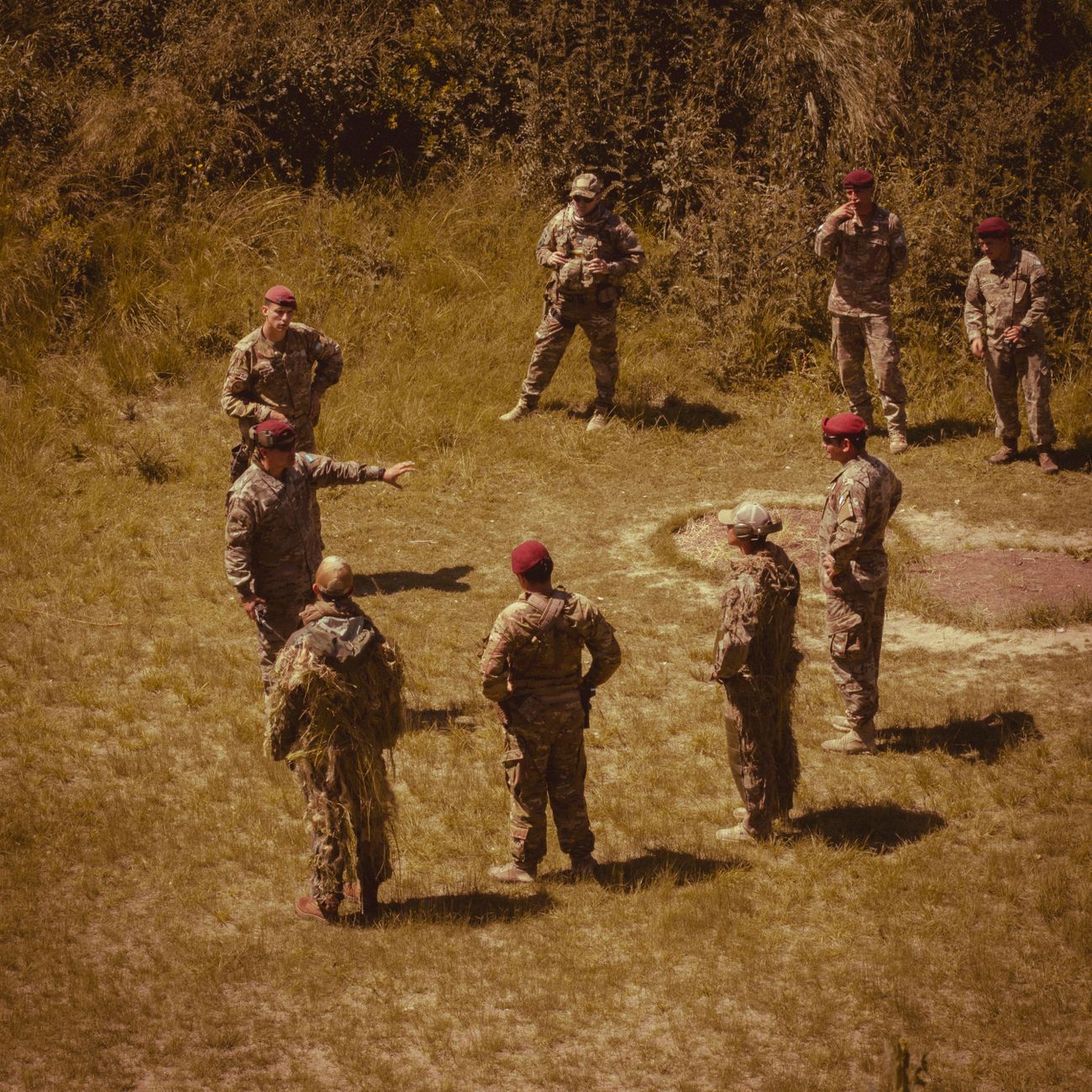
War Crimes are serious violations of international humanitarian law (IHL) that occur during armed conflict. They include willful killing, torture, taking hostages, and extensive destruction of property not justified by military necessity. In practice, investigators must first determine whether an incident falls within the definition of a war crime, which often requires a detailed factual matrix and legal analysis. For example, the intentional bombing of a civilian hospital, without any military objective, would be classified as a war crime because it breaches the principle of distinction and proportionality. The challenge lies in gathering sufficient evidence to prove intent, which may be obscured by propaganda or limited access to the site.
Crimes against Humanity differ from war crimes in that they can be committed in peacetime and do not require an armed conflict context. They involve widespread or systematic attacks directed against a civilian population. Common examples include murder, enslavement, deportation, and persecution based on political or racial grounds. Investigators must demonstrate the systematic nature of the offenses, often through patterns observed across multiple incidents. A practical application is the documentation of mass killings in a region where the perpetrating force is not engaged in active combat. The difficulty is establishing the link between individual acts and a broader policy or plan.
Genocide is defined as acts committed with the intent to destroy, in whole or in part, a national, ethnic, racial, or religious group. The element of specific intent (dolus specialis) makes genocide a particularly complex crime to prosecute. Investigators must collect evidence that shows both the physical acts (such as killings or forced sterilizations) and the mental element (the desire to eradicate the group). An illustrative case is the systematic killing of a minority group through coordinated mass graves, where forensic anthropology can reveal patterns consistent with genocidal intent. Challenges include the need for corroborating testimony from survivors, which may be scarce due to fear of reprisals.
International Humanitarian Law (IHL) provides the legal framework governing conduct during armed conflict. It is comprised of treaty law, primarily the four Geneva Conventions and their Additional Protocols, and customary international law. IHL establishes the principles of distinction, proportionality, and precaution. Understanding these principles is essential for investigators because they form the basis for classifying acts as war crimes. For instance, when analyzing an artillery strike, investigators must assess whether the target was a legitimate military objective (distinction) and whether the anticipated civilian harm was excessive relative to the anticipated military advantage (proportionality). The practical application often involves satellite imagery, which can show the location of the target and surrounding civilian structures. However, challenges arise when the imagery is of low resolution or when the time stamp is ambiguous, complicating the assessment of compliance with IHL.
Geneva Conventions are the cornerstone treaties of IHL, providing protections for wounded and sick combatants, prisoners of war, and civilians. Each Convention contains specific provisions that investigators must reference when evaluating alleged violations. For example, the Third Geneva Convention outlines the treatment of prisoners of war, prohibiting torture and mandating humane conditions. In a field investigation, an analyst may interview former detainees to determine whether the conditions described align with the Convention’s standards. The difficulty often lies in obtaining reliable testimony when detainees fear retaliation or have been subjected to coercive interrogation techniques.
Customary International Law consists of practices that are accepted as legally binding, even if not codified in a treaty. It includes norms such as the prohibition of perfidy, the use of chemical weapons, and the protection of cultural property. Because customary law is derived from state practice and opinio juris, investigators must gather evidence of both widespread practice and the belief that such practice is legally required. An example is the prohibition of the use of cluster munitions, which, although not universally ratified in a treaty, is considered customary. Demonstrating that a state consistently employed such weapons despite international condemnation can support a war crimes allegation. The challenge is that customary law can be fluid and subject to differing interpretations among states.
Command Responsibility is a doctrine that holds superiors criminally liable for crimes committed by subordinates if they knew, or should have known, about the offenses and failed to prevent them or punish the perpetrators. This principle is crucial for investigating hierarchical structures within armed forces or non‑state armed groups. Investigators must trace the chain of command, identify decision‑making nodes, and assess the flow of information. A practical scenario involves a brigade commander whose troops carried out unlawful killings; investigators would examine orders, communications logs, and after‑action reports to establish the commander’s knowledge. Challenges often include the “fog of war,” where documentation may be incomplete or deliberately destroyed to conceal liability.
Joint Criminal Enterprise (JCE) is a legal theory used to attribute responsibility to individuals who participate in a common plan to commit crimes. There are three categories: (1) Shared intent to commit a crime, (2) knowledge that the plan may lead to additional crimes, and (3) inadvertent crimes that are a natural and foreseeable consequence of the plan. In practice, investigators must identify the participants, the common purpose, and the nexus between the individual’s actions and the overall criminal outcome. For instance, a political leader who encourages the use of indiscriminate artillery in a civilian area may be implicated under JCE. The difficulty lies in proving the mental element and linking disparate acts to a unified enterprise.
Evidence in war crimes investigations encompasses physical, documentary, digital, and testimonial sources. The integrity of evidence is paramount, as it directly influences the credibility of the case. Investigators must adhere to strict standards of collection, preservation, and documentation. Physical evidence may include weapon fragments, ammunition casings, or human remains. Documentary evidence can be orders, logs, or maps. Digital evidence includes emails, metadata, and geolocation data from smartphones. Testimonial evidence involves interviews with survivors, witnesses, and perpetrators. A robust evidentiary chain ensures that the material can be admitted in court. Challenges often arise from the hostile environment, where evidence may be contaminated, destroyed, or inaccessible.
Chain of Custody refers to the chronological documentation that records the handling of evidence from the moment of collection to its presentation in court. It establishes that the evidence has not been altered, tampered with, or substituted. Investigators must maintain detailed logs, including the names of individuals who handled the evidence, the dates and times of each transfer, and the conditions of storage. For example, a recovered weapon must be sealed in a tamper‑evident container, photographed, and logged before being transferred to a forensic laboratory. The main challenge is maintaining an unbroken chain in conflict zones where security is unstable, and resources are limited.
Forensic Anthropology is the scientific study of human skeletal remains to determine identity, cause of death, and trauma patterns. In war crimes investigations, forensic anthropologists can identify mass graves, differentiate between combat‑related injuries and execution-style wounds, and assist in the repatriation of remains to families. A practical application involves exhuming a burial site and analyzing bone fractures to determine whether the victims were shot at close range or subjected to blunt force trauma. Challenges include decomposition, environmental factors that degrade remains, and the need for specialized equipment that may not be readily available in remote locations.
Ballistics examines the behavior of projectiles and firearms to link a weapon to a specific shooting incident. Investigators use ballistic analysis to compare recovered bullet markings with test‑fired ammunition from suspected weapons. In a war crime scenario, a bullet recovered from a victim’s body can be matched to a rifle seized from a militia group, establishing a direct link between the weapon and the killing. The reliability of ballistic evidence depends on meticulous documentation and the preservation of the firearm’s barrel condition. Challenges arise when weapons are deliberately altered, or when the environment (e.G., Sand, mud) obscures critical markings.
DNA Profiling provides a powerful tool for victim identification and for linking perpetrators to crime scenes. Biological samples, such as blood, tissue, or hair, can be analyzed to generate a unique genetic profile. In the context of war crimes, DNA can be used to identify victims in mass graves, confirm the identity of missing persons, and associate perpetrators with recovered evidence. For instance, a DNA sample from a bullet’s tip can be compared to the blood of a victim, confirming a direct connection. The main challenges include contamination of samples, degradation due to heat or moisture, and the logistical difficulties of establishing a DNA database in conflict‑affected regions.
Witness Protection is essential to encourage testimony from individuals who may face intimidation, retaliation, or re‑victimization. Effective protection programs may involve relocation, anonymity, security escorts, and psychological support. Investigators must coordinate with local authorities, international organizations, and NGOs to implement protection measures. An example is a former combatant who wishes to testify about illegal orders; without a robust protection plan, the witness may be targeted by former comrades. Challenges include limited resources, political interference, and the need to balance protection with the legal requirement for open testimony.
Victim Testimony offers crucial insight into the circumstances surrounding alleged crimes. It can corroborate physical evidence, provide context, and humanize the case. However, collecting reliable testimony requires culturally sensitive interviewing techniques, trauma‑informed approaches, and verification procedures. For example, a survivor’s account of a forced displacement can be cross‑checked with satellite imagery showing the destruction of villages. The challenges include language barriers, memory distortion caused by trauma, and the potential for witnesses to be coerced into false statements.
Satellite Imagery provides an objective visual record of terrain changes, infrastructure damage, and troop movements. High‑resolution images can reveal the presence of artillery positions, the destruction of schools, or the existence of mass graves. Analysts compare pre‑conflict and post‑conflict images to identify patterns of unlawful conduct. For instance, a series of images showing a town’s gradual demolition can be used to demonstrate a systematic campaign of destruction. Limitations include cloud cover, temporal gaps between image captures, and the need for expert interpretation to avoid misidentifying natural phenomena as conflict‑related damage.
Open‑Source Intelligence (OSINT) involves gathering information from publicly available sources, such as news reports, social media, and government publications. OSINT can complement traditional investigative methods by providing leads, corroborating evidence, and offering real‑time updates. In war crimes investigations, OSINT may uncover videos of alleged atrocities, geolocate them using metadata, and verify the authenticity of the content. Practical application includes monitoring Twitter feeds for reports of civilian casualties and cross‑referencing them with hospital records. Challenges include the prevalence of misinformation, deep‑fakes, and the need for rigorous verification protocols.
Human Rights Documentation refers to systematic recording of violations, often carried out by NGOs, UN bodies, or local civil society groups. Documentation includes victim statements, photographic evidence, and incident reports. Investigators rely on this material to build a comprehensive case file. For example, a human rights report describing the use of chemical weapons can be used as a secondary source, prompting further forensic testing of soil samples. The challenge is ensuring that documentation meets evidentiary standards, such as chain of custody and source reliability, especially when produced under duress.
Interrogation Techniques must comply with legal standards prohibiting torture and coercion. Effective techniques involve rapport building, open‑ended questioning, and the use of cognitive interviewing to elicit detailed recollections. In war crimes contexts, investigators may interrogate former combatants to uncover command structures, orders, and operational planning. An example is a detainee who provides the location of a hidden weapons cache after being asked to describe daily routines. Challenges include language barriers, cultural differences, and the risk of false confessions if coercive methods are employed.
Legal Standards such as reasonable doubt and the burden of proof dictate the level of certainty required for conviction. In international criminal proceedings, the standard is typically “beyond a reasonable doubt.” Investigators must therefore collect evidence that eliminates reasonable doubt about the perpetrator’s guilt. For instance, linking a weapon to a specific crime through ballistic analysis, combined with eyewitness identification, strengthens the case. The difficulty lies in meeting this high threshold in environments where evidence may be fragmented or contested.
Jurisdiction determines which court has the authority to hear a case. War crimes may be prosecuted by national courts, ad‑hoc tribunals, or the International Criminal Court (ICC). Jurisdiction can be based on territoriality, nationality, or the principle of universal jurisdiction for the most serious crimes. An investigator must understand which legal forum is appropriate for a given case, as this influences evidence collection and procedural requirements. For example, a crime committed on the territory of a non‑party state may still fall under ICC jurisdiction if the situation is referred by the UN Security Council. Challenges include political resistance, overlapping claims of jurisdiction, and the need for mutual legal assistance.
Complementarity is a core principle of the ICC, stating that the Court will only intervene when national jurisdictions are unwilling or unable to prosecute. Investigators must assess the capacity of domestic legal systems, including the existence of fair trial guarantees and the ability to conduct thorough investigations. If a state demonstrates genuine effort to prosecute, the ICC will defer. For instance, a country that initiates its own war crimes trials may satisfy the complementarity requirement, reducing the need for ICC involvement. The challenge is determining “unwillingness” or “inability,” which can be politically charged.
International Criminal Court (ICC) is a permanent institution established by the Rome Statute to prosecute individuals for genocide, crimes against humanity, war crimes, and the crime of aggression. The ICC’s investigative division conducts fact‑finding missions, gathers evidence, and prepares cases for the Pre‑Trial Chamber. An example of ICC involvement is the investigation of alleged war crimes in a conflict zone, where investigators deploy teams to collect forensic evidence, interview witnesses, and coordinate with national authorities. Challenges include limited enforcement powers, reliance on state cooperation, and the political sensitivities of prosecuting high‑level officials.
United Nations (UN) plays a pivotal role in war crimes investigations through its various bodies, including the Security Council, the General Assembly, and specialized agencies. UN fact‑finding missions, such as the Office of the High Commissioner for Human Rights (OHCHR), can gather evidence, issue reports, and refer cases to the ICC. For example, a UN commission may document alleged attacks on civilian infrastructure, providing a basis for further criminal investigation. The challenge is that UN resolutions can be vetoed by permanent Security Council members, limiting the ability to act decisively.
UN Security Council has the authority to refer situations to the ICC, even when the state concerned is not a party to the Rome Statute. This mechanism has been used for the situations in Darfur and Libya. When the Council adopts a resolution, it triggers the ICC’s jurisdiction, allowing investigators to commence formal inquiries. However, political dynamics often influence the Council’s decisions, and vetoes can block referrals, creating gaps in accountability.
Ad Hoc Tribunals are temporary courts established by the UN to address specific conflicts, such as the International Criminal Tribunal for the former Yugoslavia (ICTY) and the International Criminal Tribunal for Rwanda (ICTR). These tribunals set precedents for war crimes jurisprudence and develop investigative practices. For instance, the ICTY’s use of satellite imagery to locate mass graves pioneered a technique now standard in investigations. The challenge is that ad‑hoc tribunals are limited in duration and resources, and their closure can leave unresolved cases.
International Criminal Tribunal for the former Yugoslavia (ICTY) was created to prosecute crimes committed during the Balkan wars of the 1990s. The tribunal’s investigative legacy includes the development of forensic protocols for exhumations, the use of witness protection programs, and the establishment of a comprehensive case law on command responsibility. Lessons learned from the ICTY inform current investigations, particularly regarding the handling of complex command structures and the integration of multiple forms of evidence.
International Criminal Tribunal for Rwanda (ICTR) addressed the genocide that occurred in 1994. The ICTR’s work highlighted the importance of rapid evidence collection, as mass graves can become inaccessible due to environmental factors. The tribunal also emphasized the need for gender‑sensitive approaches, given the prevalence of sexual violence. Challenges encountered included the scarcity of reliable witnesses and the difficulty of preserving DNA evidence in a tropical climate.
Transitional Justice encompasses a range of mechanisms—trials, truth commissions, reparations, and institutional reforms—aimed at addressing past atrocities and fostering societal healing. War crimes investigations are a key component of transitional justice, providing the factual foundation for accountability. For example, a truth commission may rely on investigative findings to verify claims of systematic attacks. The challenge is balancing the pursuit of justice with the need for reconciliation, especially when former combatants remain influential in the post‑conflict political landscape.
Reparations involve compensation, rehabilitation, and guarantees of non‑repetition for victims of war crimes. Accurate documentation of the harm suffered is essential to calculate appropriate reparations. Investigators must quantify material losses, psychological trauma, and loss of life. An example is the calculation of compensation for families of civilians killed in an unlawful airstrike, based on established legal formulas. Challenges include limited state resources, differing standards of compensation, and the difficulty of measuring intangible harms.
Truth Commissions are bodies established to uncover the factual record of past violations, often operating alongside criminal proceedings. They rely heavily on investigative reports, witness testimonies, and documentary evidence. A practical application is the commission’s use of forensic findings to confirm the existence of clandestine detention sites. The challenge lies in ensuring that commissions have access to the same evidence as prosecutors, and that their findings are not undermined by political interference.
War Crime Classification involves categorizing violations according to the specific IHL provisions they breach. Common categories include unlawful attacks on civilians, use of prohibited weapons, and violations of protected status. Accurate classification helps determine the applicable legal standards and potential penalties. For instance, an unlawful attack on a school would be classified under Article 3 of the Fourth Geneva Convention, triggering specific obligations for restitution. The challenge is that some incidents may straddle multiple categories, requiring nuanced legal analysis.
Targeted Killing refers to the intentional killing of a specific individual, usually a combatant or a high‑value target, in accordance with IHL. While targeted killing can be lawful, it must comply with the principles of distinction and proportionality. Investigators must assess whether the target was a legitimate combatant and whether the operation minimized civilian risk. An example is a drone strike aimed at a militia leader, where investigators examine post‑strike assessments to determine compliance. Challenges include the secrecy surrounding operational decisions and the difficulty of verifying civilian casualties.
Indiscriminate Attacks are prohibited under IHL because they fail to distinguish between military objectives and civilians. Such attacks may involve the use of weapons that cannot be directed at a specific target, like cluster munitions in densely populated areas. Investigators must document the weapon type, launch method, and impact pattern to establish indiscrimination. Practical evidence includes unexploded sub‑munitions scattered across a village, indicating a lack of precision. The main challenge is that parties may claim the use of indiscriminate weapons was unintentional, requiring investigators to prove intent or knowledge.
Proportionality requires that the anticipated civilian harm from an attack not be excessive in relation to the concrete and direct military advantage anticipated. Determining proportionality involves a factual assessment of the expected damage and the military gain. For example, a strike on a weapons depot located near a hospital must be evaluated to see whether the expected reduction in enemy capability justifies potential civilian casualties. The challenge is that proportionality assessments are inherently subjective and may be contested by both sides.
Distinction obliges parties to a conflict to differentiate between combatants and civilians, and between military objectives and civilian objects. Violations of distinction are among the most serious war crimes. Investigators verify distinction by analyzing target selection processes, intelligence reports, and the actual impact on civilians. An illustrative case is the bombing of a marketplace that was used as a temporary command post; investigators would examine whether the military advantage outweighed the civilian presence. Challenges arise when combatants deliberately embed themselves within civilian populations, blurring the line between lawful and unlawful targets.
Military Necessity permits measures that are indispensable for achieving a legitimate military purpose, provided they are not prohibited by IHL. However, military necessity does not excuse violations of distinction or proportionality. Investigators must scrutinize claims of necessity by reviewing operational orders, mission objectives, and alternative options. For instance, a commander may argue that a particular artillery barrage was necessary to break enemy resistance; investigators would assess whether less harmful tactics were feasible. The difficulty lies in balancing operational imperatives with humanitarian considerations.
Siege Warfare involves encircling a city or region to cut off supplies and force surrender. International law imposes strict limitations on sieges, particularly regarding the provision of food, water, and medical aid to civilians. Investigators must document whether the besieging force allowed humanitarian corridors, provided essential supplies, or deliberately starved the population. A practical example is the examination of food distribution records in a besieged town to determine compliance. Challenges include limited access for investigators and the manipulation of data by parties to the conflict.
Use of Child Soldiers is prohibited under the Optional Protocol to the Convention on the Rights of the Child on the involvement of children in armed conflict. Recruiting, training, or using individuals under 18 in hostilities constitutes a war crime. Investigators gather evidence through interviews with former child soldiers, school records, and recruitment documents. An example is the identification of a militia unit that systematically drafted teenagers for frontline combat. Challenges include the trauma experienced by child witnesses, which may affect their ability to provide reliable testimony, and the risk of re‑recruitment if protection measures are insufficient.
Sexual Violence in armed conflict, including rape, sexual slavery, and forced prostitution, is recognized as a war crime and a crime against humanity. Investigators must document the occurrence, identify perpetrators, and assess the systematic nature of the acts. Medical examinations, survivor testimonies, and forensic evidence such as DNA can corroborate allegations. A case study might involve a series of rapes reported in a refugee camp, where investigators coordinate with health providers to collect medical evidence. The challenges are profound: Stigma may prevent survivors from speaking, and perpetrators may use intimidation to silence victims.
Rape as a Weapon of War is a specific form of sexual violence employed to terrorize populations, break social cohesion, and achieve strategic objectives. Documentation requires establishing intent, which may be inferred from patterns of systematic abuse. Investigators may analyze communication intercepts, orders, or propaganda that encourage such acts. An example is the use of mass rape in a village to force displacement of a particular ethnic group. Challenges include the difficulty of gathering physical evidence after the fact and the psychological impact on survivors, which may affect the consistency of testimonies.
Forced Disappearance occurs when a person is arrested, detained, or abducted by state or non‑state actors, and their fate remains unknown. This is both a war crime and a crime against humanity when widespread. Investigators must locate the missing person’s whereabouts, document the circumstances of the disappearance, and identify responsible parties. Techniques include searching detention facilities, analyzing phone records, and interviewing family members. An illustrative case involves a journalist who vanished after reporting on a military operation; investigators would trace the journalist’s last known movements and any interactions with security forces. Challenges include the deliberate concealment of evidence and the possibility that the victim’s remains have been destroyed.
Enforced Deportation involves the forced transfer of a civilian population from one area to another, without lawful justification. This act violates the Fourth Geneva Convention. Investigators gather evidence through migration records, testimonies of displaced persons, and satellite imagery showing the movement of large groups. A practical example is the mass relocation of a minority community from a contested region, documented through registration forms and aerial photographs. Challenges include the fluidity of displacement patterns and the difficulty of distinguishing forced movements from voluntary migration.
Looting is the unlawful appropriation of property during armed conflict. While looting may be considered a war crime, it also breaches the principle of respect for private property under IHL. Investigators must identify stolen items, trace their movement, and link them to the perpetrators. For instance, a team may discover that military vehicles have been used to transport cultural artifacts from a museum, violating the 1954 Hague Convention for the Protection of Cultural Property. Challenges involve the illicit art market’s secrecy and the difficulty of tracking items once they enter black‑market channels.
Cultural Heritage Destruction is prohibited under the 1954 Hague Convention and its protocols. The intentional targeting of monuments, museums, and historic sites constitutes a war crime. Investigators use satellite imagery, on‑site inspections, and expert assessments to document damage. An example is the demolition of an ancient shrine, where investigators compare pre‑conflict photographs with post‑conflict rubble to quantify loss. The challenge is that combatants may claim the site was used for military purposes, requiring careful analysis to separate legitimate military use from unlawful destruction.
Chemical Weapons are prohibited under the Chemical Weapons Convention (CWC) and their use in armed conflict constitutes a war crime. Investigators must detect the presence of toxic agents, collect environmental samples, and identify delivery mechanisms. For example, the analysis of soil and water samples from a contaminated village can confirm the use of a nerve agent. Challenges include the rapid degradation of certain chemicals, the need for specialized laboratories, and the potential for denial or concealment by the perpetrators.
Biological Weapons are likewise banned under the Biological Weapons Convention (BWC). Their deployment in conflict is a grave breach of IHL. Investigators must conduct epidemiological studies, collect biological specimens, and trace the source of the pathogen. An illustrative case is an outbreak of anthrax spores in a contested area, where investigators would coordinate with health authorities to isolate the strain and link it to a weaponized release. Challenges include the difficulty of distinguishing natural outbreaks from intentional releases, and the high level of biosafety required for handling samples.
Radiological Weapons involve the use of radioactive material to cause harm. Their use is prohibited under various treaties, and such acts are classified as war crimes. Investigators must measure radiation levels, map contamination zones, and identify the source. For instance, a fallout pattern following a detonated “dirty bomb” can be mapped using Geiger counters and remote sensing. The challenge lies in securing the area, protecting investigators from exposure, and managing the long‑term environmental impact.
Arms Trade regulation is essential to prevent the flow of prohibited weapons into conflict zones. The Arms Trade Treaty (ATT) establishes standards for the export, import, and transfer of conventional weapons. Investigators may track illicit arms shipments through customs records, shipping manifests, and intelligence reports. A practical example is tracing a shipment of small arms that ended up in the hands of a rebel group, using serial numbers and end‑user certificates. Challenges include falsified documents, covert routes, and the involvement of multiple intermediary actors.
Export Controls are national measures that restrict the sale of certain goods, technologies, and services that could be used for war crimes. Investigators may collaborate with customs authorities to identify violations. For example, a company exporting dual‑use technology to a sanctioned regime may be scrutinized for compliance. The difficulty is that exporters may use shell companies or re‑export mechanisms to evade detection.
Sanctions are diplomatic tools used to pressure violators by restricting financial transactions and trade. While not a direct investigative method, sanctions can facilitate investigations by limiting the resources of perpetrators. Investigators may provide evidence to sanction‑imposing bodies, such as the UN Security Council, to justify the measures. Challenges include ensuring that sanctions do not inadvertently harm civilian populations and that they are targeted effectively.
Asset Freezing is a complementary measure to sanctions, preventing individuals or entities from accessing funds that could be used to perpetuate war crimes. Investigators must identify financial trails, such as bank accounts, offshore holdings, and corporate structures. An example is tracing the proceeds from looted cultural artifacts to fund armed groups. The challenge is the opacity of financial systems, especially in jurisdictions with weak anti‑money‑laundering regimes.
Mutual Legal Assistance (MLA) involves cooperation between states to gather and exchange evidence, locate witnesses, and enforce judicial orders. Effective MLA is critical for cross‑border investigations, especially when evidence resides in multiple jurisdictions. For instance, a forensic lab in one country may analyze samples collected in another, requiring formal requests and assurances of chain of custody. Challenges include differing legal standards, bureaucratic delays, and political reluctance to cooperate.
Extradition is the formal process of surrendering a suspect from one jurisdiction to another for prosecution. In war crimes cases, extradition can be pivotal when the alleged perpetrator resides in a non‑cooperative state. Investigators must compile a comprehensive dossier demonstrating probable cause and adherence to treaty obligations. A practical scenario involves requesting the extradition of a former militia commander who fled to a neighboring country. Challenges include the absence of an extradition treaty, claims of political persecution, and the need to guarantee fair trial rights.
Witness Immunity may be granted to encourage testimony, protecting witnesses from prosecution for unrelated offenses disclosed during their testimony. Immunity can be limited (use immunity) or broader (transactional immunity). Investigators must coordinate with prosecutorial authorities to determine the scope of immunity. For example, a former combatant may be granted immunity for minor offenses in exchange for detailed testimony about command structures. The challenge is balancing the need for truthful testimony with the principle of accountability for all crimes.
Protective Orders are court‑issued directives that safeguard victims, witnesses, or evidence from intimidation, harassment, or destruction. They may include restraining orders, non‑contact provisions, or secure storage mandates. Investigators must notify courts of threats and request appropriate orders. An illustration is a judge issuing a protective order to prevent a witness from being approached by former comrades. Challenges include enforcing orders in areas with limited law enforcement presence and ensuring that protective measures do not impede the investigative process.
Documentation Standards establish the uniform methods for recording observations, evidence, and testimony. Standards cover aspects such as date‑time stamps, geolocation, photographer identification, and metadata preservation. Consistency enhances the admissibility of documentation in court. For instance, a photographer must embed GPS coordinates in each image file to verify the location of a destroyed school. The challenge is training field staff to adhere to standards under stressful conditions.
Photographic Evidence provides visual confirmation of alleged crimes. Images must be authentic, unaltered, and properly contextualized. Investigators often employ techniques such as photogrammetry to measure damage. An example is a series of photographs showing the before‑and‑after state of a village, demonstrating the extent of destruction. Challenges include the potential for image manipulation, the need for proper chain of custody, and the difficulty of obtaining clear images in hazardous environments.
Video Authentication is essential when using footage from smartphones, drones, or news outlets. Authentication involves verifying the source, time stamp, and integrity of the video. Analysts may examine metadata, frame‑by‑frame consistency, and audio cues. A practical case is the verification of a video purported to show an airstrike on a civilian convoy; investigators would compare the visual landmarks with satellite imagery to confirm location and timing. The challenge is the prevalence of deep‑fake technology, which can create convincing but fabricated videos.
Geolocation uses geographic coordinates to pinpoint the exact location of an event. It is critical for linking evidence to specific sites. Tools such as GIS software, satellite imagery, and GPS devices assist investigators. For example, a witness may describe a building’s features; investigators can geolocate the description by matching it with known landmarks. Challenges include limited GPS signal in urban canyons, errors in manual coordinate recording, and the need for precise calibration.
Time Stamping records the exact moment an event occurred or evidence was captured. Accurate timestamps are vital for establishing sequences of events and demonstrating compliance with procedural deadlines. Investigators use synchronized devices, NTP servers, and forensic tools to ensure reliability. An example is a digital log showing the time a weapon was fired, which can be cross‑referenced with eyewitness accounts. Challenges arise when devices have unsynchronized clocks, or when tampering alters timestamps.
Data Integrity refers to the assurance that information has not been altered or corrupted. Maintaining data integrity requires secure storage, checksums, and audit trails. Investigators must implement hash verification for digital files, ensuring that evidence presented in court matches the original collection. For instance, a forensic image of a hard drive must retain its hash value throughout analysis. Challenges include protecting data from cyber‑attacks, accidental deletion, or unauthorized access.
Anonymization protects the identity of victims and witnesses by removing personally identifying information from public documents. This practice balances transparency with safety. Investigators may redact names, addresses, or facial features before releasing reports. An example is a case file where the victim’s name is replaced with “Victim A” to prevent retaliation. The challenge is ensuring that anonymization does not compromise the evidentiary value of the document.
Ethical Considerations permeate every stage of war crimes investigation. Investigators must respect the dignity of victims, avoid retraumatization, and uphold impartiality. Ethical dilemmas may arise when dealing with coerced confessions, balancing the need for evidence against the rights of suspects, or navigating cultural sensitivities. For instance, an investigator might encounter a community that views certain practices as normal, yet they constitute violations under IHL. The challenge is to apply universal legal standards while respecting local contexts.
Confidentiality safeguards sensitive information, particularly when it involves protected witnesses or classified sources. Breaches can jeopardize ongoing investigations and endanger individuals. Investigators must employ secure communication channels, encrypted storage, and limited access protocols. A practical measure is the use of end‑to‑end encrypted messaging for field reports. The challenge is that limited technical infrastructure in conflict zones may make secure communication difficult.
Conflict of Interest arises when investigators have personal, financial, or political ties that could affect impartiality. Institutions must implement screening processes, disclosure requirements, and recusal mechanisms. For example, an investigator with familial ties to a party in the conflict must be reassigned to avoid bias. The challenge is detecting hidden conflicts, especially in small professional networks.
Bias can manifest consciously or unconsciously, influencing evidence interpretation, witness credibility assessments, and case strategy. Training in bias awareness, peer review, and methodological rigor helps mitigate its impact. An example is the tendency to over‑value testimony from a particular ethnic group while discounting others. The challenge is that bias can be deeply ingrained and subtle, requiring ongoing vigilance.
Cultural Sensitivity requires investigators to understand local customs, languages, and social norms. This awareness facilitates effective communication, builds trust, and reduces misunderstandings. For instance, using appropriate gender‑sensitive interview techniques when speaking with female survivors of sexual violence respects cultural expectations. Challenges include navigating societies where gender roles may restrict access to certain witnesses.
Key takeaways
- For example, the intentional bombing of a civilian hospital, without any military objective, would be classified as a war crime because it breaches the principle of distinction and proportionality.
- Crimes against Humanity differ from war crimes in that they can be committed in peacetime and do not require an armed conflict context.
- An illustrative case is the systematic killing of a minority group through coordinated mass graves, where forensic anthropology can reveal patterns consistent with genocidal intent.
- However, challenges arise when the imagery is of low resolution or when the time stamp is ambiguous, complicating the assessment of compliance with IHL.
- In a field investigation, an analyst may interview former detainees to determine whether the conditions described align with the Convention’s standards.
- Because customary law is derived from state practice and opinio juris, investigators must gather evidence of both widespread practice and the belief that such practice is legally required.
- Command Responsibility is a doctrine that holds superiors criminally liable for crimes committed by subordinates if they knew, or should have known, about the offenses and failed to prevent them or punish the perpetrators.