
Clinical Assessment and Examination in Pediatric Osteopathy Practice
Clinical Assessment and Examination in Pediatric Osteopathy Practice is a crucial aspect of providing effective care to young patients. It involves a systematic evaluation of a child's health, well-being, and physical condition to identify …
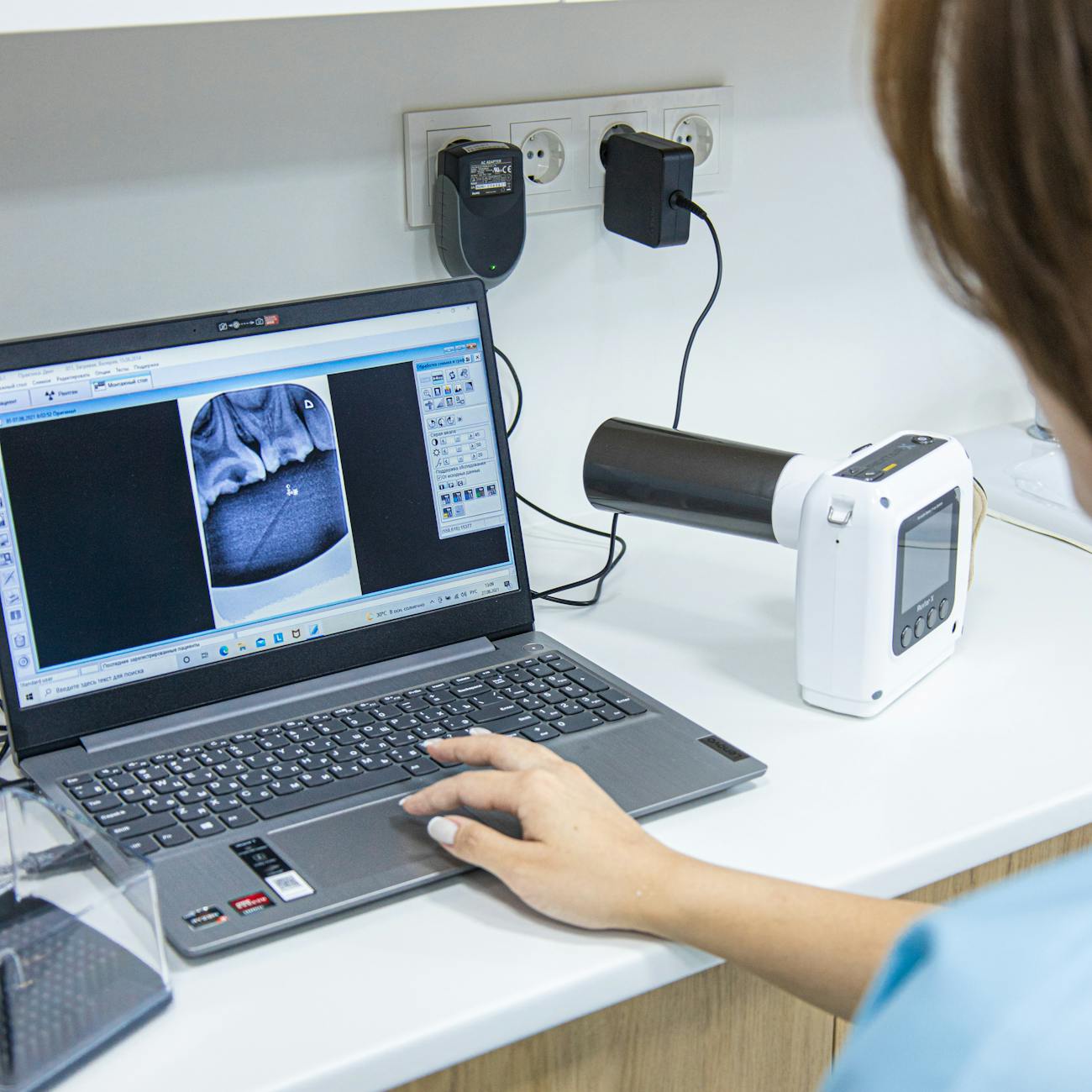
Clinical Assessment and Examination in Pediatric Osteopathy Practice is a crucial aspect of providing effective care to young patients. It involves a systematic evaluation of a child's health, well-being, and physical condition to identify any potential issues or concerns. This process allows osteopathic practitioners to make informed decisions about treatment options and develop personalized care plans tailored to each child's unique needs.
Key Terms and Vocabulary:
1. Pediatric Osteopathy: Pediatric osteopathy is a specialized branch of osteopathic medicine that focuses on the diagnosis, treatment, and prevention of musculoskeletal issues in children. It involves gentle manual techniques to address structural imbalances and promote overall health and well-being in pediatric patients.
2. Clinical Assessment: Clinical assessment refers to the process of gathering information about a child's health status through observation, physical examination, medical history review, and other diagnostic tests. This helps identify any underlying issues or conditions that may be affecting the child's well-being.
3. Examination: Examination in pediatric osteopathy involves a thorough physical assessment of a child's musculoskeletal system, including joints, muscles, and connective tissues. It helps assess range of motion, strength, flexibility, and any areas of tension or discomfort that may require treatment.
4. Palpation: Palpation is a hands-on technique used in pediatric osteopathy to assess the texture, temperature, and mobility of tissues in the body. Practitioners use their hands to feel for areas of tenderness, swelling, or restricted movement, which can help identify areas of dysfunction or imbalance.
5. Range of Motion: Range of motion refers to the extent to which a joint can move in various directions. Assessing a child's range of motion helps determine any limitations or restrictions that may be affecting their mobility and overall function.
6. Muscle Strength Testing: Muscle strength testing involves evaluating the strength and function of specific muscle groups in a child's body. This helps identify any weaknesses or imbalances that may contribute to musculoskeletal issues or affect the child's ability to perform daily activities.
7. Postural Assessment: Postural assessment involves observing a child's posture and alignment in various positions to identify any deviations or asymmetries. Poor posture can contribute to musculoskeletal problems and may indicate underlying issues that need to be addressed through osteopathic treatment.
8. Gait Analysis: Gait analysis involves observing a child's walking pattern to assess their biomechanics, balance, and coordination. Abnormalities in gait can be indicative of musculoskeletal issues or neurological conditions that may require intervention to improve mobility and function.
9. Neurological Assessment: Neurological assessment in pediatric osteopathy involves evaluating a child's reflexes, coordination, and sensory function to assess the integrity of the nervous system. This helps identify any neurological deficits or abnormalities that may be contributing to musculoskeletal symptoms.
10. Developmental Milestones: Developmental milestones are key skills or abilities that children are expected to achieve by a certain age. Assessing a child's developmental milestones can provide valuable information about their growth, motor skills, and overall development, helping identify any delays or concerns that may require intervention.
11. Red Flags: Red flags are warning signs or symptoms that may indicate serious underlying conditions or emergencies requiring immediate medical attention. Recognizing red flags during clinical assessment and examination is essential to ensure timely intervention and appropriate management of pediatric patients.
12. Differential Diagnosis: Differential diagnosis involves considering various possible causes of a child's symptoms or complaints to determine the most likely explanation. It requires careful evaluation of clinical findings, medical history, and test results to rule out potential conditions and identify the correct diagnosis.
13. Treatment Plan: A treatment plan in pediatric osteopathy outlines the recommended interventions, techniques, and goals for addressing a child's musculoskeletal issues and promoting their overall health and well-being. It may include manual therapy, exercises, lifestyle modifications, and other strategies tailored to the child's specific needs.
14. Follow-Up Care: Follow-up care involves monitoring a child's progress, reassessing their condition, and adjusting the treatment plan as needed to achieve optimal outcomes. Regular follow-up appointments help track improvements, address any new concerns, and ensure continuity of care for pediatric patients.
15. Communication: Effective communication is essential in pediatric osteopathy to establish rapport with children and their families, explain treatment options, and address any concerns or questions. Clear and empathetic communication helps build trust and collaboration, leading to better outcomes in pediatric care.
Examples:
1. During a clinical assessment, a pediatric osteopath may observe a child's posture while standing, sitting, and walking to identify any postural abnormalities or asymmetries that may be contributing to musculoskeletal issues.
2. When performing muscle strength testing, a pediatric osteopath may ask a child to perform specific movements or exercises to assess the strength and coordination of different muscle groups, such as lifting a leg or pushing against resistance.
Practical Applications:
1. In a pediatric osteopathy practice, clinical assessment and examination are essential components of every patient encounter, helping practitioners gather valuable information to inform diagnosis and treatment decisions.
2. By conducting a thorough examination and assessment, pediatric osteopaths can identify areas of dysfunction, develop targeted treatment plans, and monitor progress over time to optimize outcomes for their young patients.
Challenges:
1. One of the challenges in pediatric osteopathy is assessing and treating very young children or infants who may not be able to communicate their symptoms effectively. Practitioners must rely on observation, palpation, and parental input to understand the child's condition and provide appropriate care.
2. Another challenge in pediatric osteopathy is addressing the unique needs and concerns of children with developmental delays, chronic conditions, or complex medical histories. Practitioners must adapt their assessment and treatment approaches to accommodate these challenges and provide comprehensive care.
In conclusion, Clinical Assessment and Examination in Pediatric Osteopathy Practice play a vital role in identifying and addressing musculoskeletal issues in children, promoting their health and well-being. By utilizing key terms and vocabulary related to clinical assessment, practitioners can effectively evaluate pediatric patients, develop personalized treatment plans, and monitor progress to achieve optimal outcomes in pediatric osteopathic care.
Key takeaways
- This process allows osteopathic practitioners to make informed decisions about treatment options and develop personalized care plans tailored to each child's unique needs.
- Pediatric Osteopathy: Pediatric osteopathy is a specialized branch of osteopathic medicine that focuses on the diagnosis, treatment, and prevention of musculoskeletal issues in children.
- Clinical Assessment: Clinical assessment refers to the process of gathering information about a child's health status through observation, physical examination, medical history review, and other diagnostic tests.
- Examination: Examination in pediatric osteopathy involves a thorough physical assessment of a child's musculoskeletal system, including joints, muscles, and connective tissues.
- Practitioners use their hands to feel for areas of tenderness, swelling, or restricted movement, which can help identify areas of dysfunction or imbalance.
- Assessing a child's range of motion helps determine any limitations or restrictions that may be affecting their mobility and overall function.
- This helps identify any weaknesses or imbalances that may contribute to musculoskeletal issues or affect the child's ability to perform daily activities.