
Sustainability in Hospice Facility Design
Sustainability in hospice facility design refers to the practice of creating healthcare environments that are environmentally friendly, socially responsible, and economically viable over the long term. It involves integrating principles of …
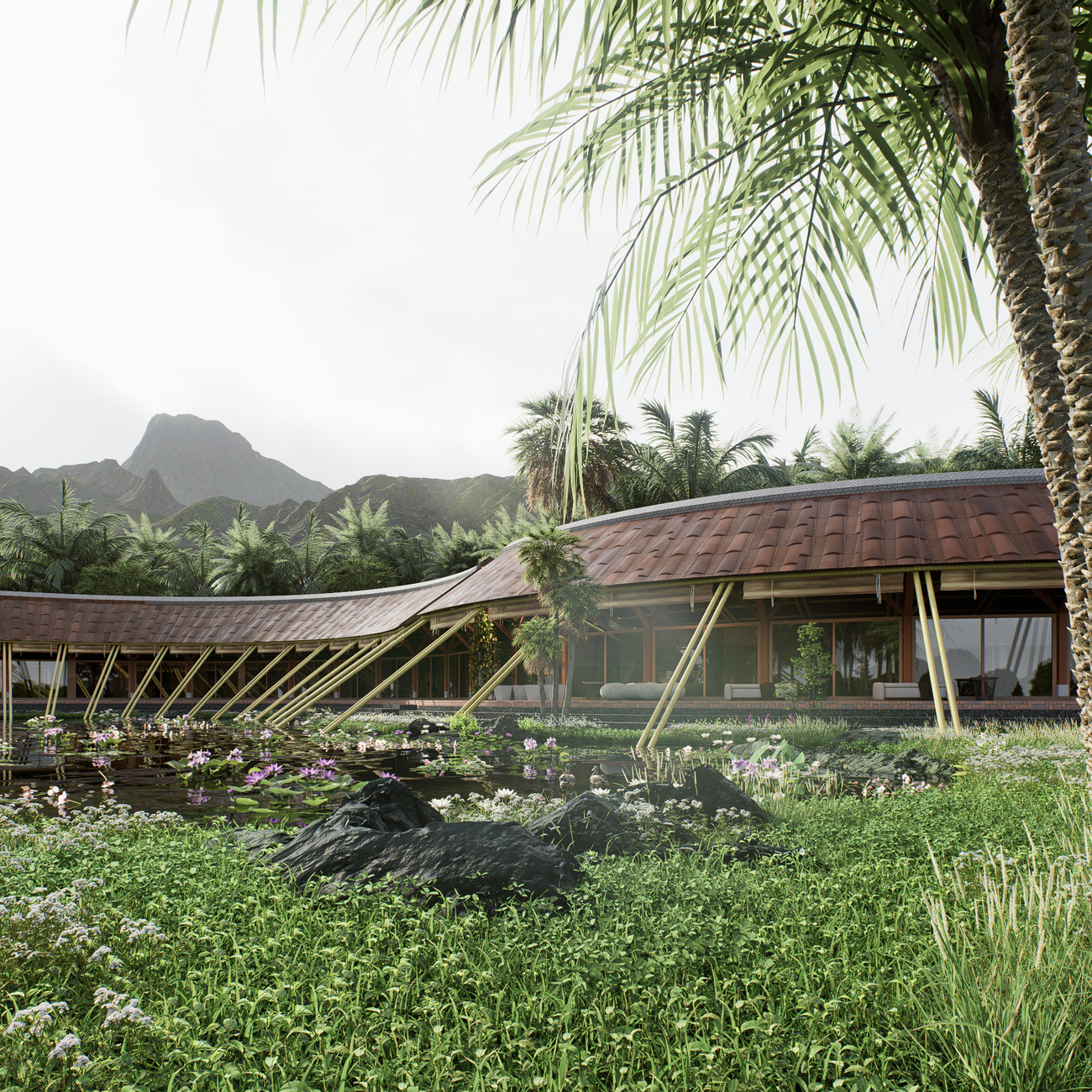
Sustainability in hospice facility design refers to the practice of creating healthcare environments that are environmentally friendly, socially responsible, and economically viable over the long term. It involves integrating principles of energy efficiency, resource conservation, and health and well-being into the design, construction, and operation of hospice facilities. Sustainability in hospice facility design is essential to minimize the environmental impact of healthcare facilities, promote the health and well-being of patients and staff, and ensure the long-term viability of hospice operations.
Key Terms and Vocabulary for Sustainability in Hospice Facility Design:
1. Green Building: Green building refers to the practice of designing, constructing, and operating buildings in an environmentally responsible and resource-efficient manner. Green building principles are essential in hospice facility design to minimize environmental impact and promote sustainability.
2. LEED Certification: LEED (Leadership in Energy and Environmental Design) certification is a globally recognized green building certification program that provides a framework for designing and constructing sustainable buildings. Hospice facilities can achieve LEED certification by meeting certain criteria related to energy efficiency, water conservation, indoor air quality, and sustainable materials.
3. Energy Efficiency: Energy efficiency refers to the practice of using less energy to provide the same level of service. In hospice facility design, energy-efficient technologies and strategies, such as high-efficiency lighting, heating, and cooling systems, can help reduce energy consumption and operational costs.
4. Renewable Energy: Renewable energy refers to energy derived from sources that are naturally replenished, such as sunlight, wind, and water. Hospice facilities can incorporate renewable energy technologies, such as solar panels and wind turbines, to reduce reliance on fossil fuels and lower carbon emissions.
5. Water Conservation: Water conservation involves using water efficiently and reducing water wastage. Hospice facilities can implement water-saving technologies, such as low-flow fixtures, rainwater harvesting systems, and native landscaping, to minimize water use and protect local water resources.
6. Waste Management: Waste management involves reducing, recycling, and properly disposing of waste generated by hospice facilities. Implementing waste reduction strategies, such as composting organic waste and recycling materials, can help minimize landfill waste and promote sustainability.
7. Healthy Indoor Environment: A healthy indoor environment in hospice facilities is essential to promote the well-being of patients, staff, and visitors. Design strategies, such as using non-toxic materials, providing adequate ventilation, and controlling indoor pollutants, can create a healthy and comfortable indoor environment.
8. Biophilic Design: Biophilic design involves incorporating elements of nature into the built environment to enhance health and well-being. Hospice facilities can use biophilic design principles, such as natural lighting, views of nature, and indoor plants, to create healing and restorative spaces for patients and staff.
9. Resilient Design: Resilient design aims to create buildings that can withstand and adapt to changing environmental conditions, such as extreme weather events and natural disasters. Hospice facilities can incorporate resilient design features, such as flood-resistant construction and backup power systems, to ensure continuity of care in emergencies.
10. Life Cycle Assessment: Life cycle assessment (LCA) is a methodology for evaluating the environmental impact of a product or building over its entire life cycle, from raw material extraction to disposal. Conducting an LCA for hospice facility design can help identify opportunities to reduce environmental impact and improve sustainability.
11. Adaptive Reuse: Adaptive reuse involves repurposing existing buildings or structures for new uses, rather than demolishing and building new. Hospice facilities can benefit from adaptive reuse by preserving historic buildings, reducing construction waste, and maintaining the character of the local community.
12. Universal Design: Universal design aims to create environments that are accessible and inclusive for people of all ages, abilities, and backgrounds. Hospice facilities can incorporate universal design principles, such as barrier-free entrances, wayfinding signage, and adjustable furniture, to ensure equitable access for all.
13. Community Engagement: Community engagement involves involving local residents, stakeholders, and healthcare providers in the design and planning of hospice facilities. Engaging the community can help build support for sustainable design initiatives, address local needs and concerns, and foster a sense of ownership and pride in the facility.
14. Regulatory Compliance: Regulatory compliance refers to adhering to local, state, and federal laws and regulations governing the design, construction, and operation of healthcare facilities. Hospice facilities must comply with building codes, zoning ordinances, and environmental regulations to ensure safety, quality, and sustainability.
15. Occupant Health and Well-being: Occupant health and well-being are paramount considerations in hospice facility design, as these environments directly impact the physical, emotional, and social well-being of patients, families, and staff. Designing for occupant health and well-being involves creating spaces that are safe, comfortable, and supportive of healing and end-of-life care.
16. Environmental Stewardship: Environmental stewardship involves taking responsibility for the environmental impact of hospice facilities and implementing practices to minimize harm to the natural world. Hospice facilities can demonstrate environmental stewardship through sustainable design, energy conservation, waste reduction, and ecosystem protection.
17. Financial Viability: Financial viability in hospice facility design refers to the ability of the facility to operate efficiently and effectively within budget constraints. Sustainable design practices, such as energy efficiency, water conservation, and waste management, can help reduce operating costs and improve long-term financial sustainability.
18. Climate Resilience: Climate resilience involves designing hospice facilities to withstand and adapt to the impacts of climate change, such as rising temperatures, extreme weather events, and sea-level rise. Building resilience into hospice facility design can help mitigate risks, protect vulnerable populations, and ensure continuity of care in a changing climate.
19. Green Infrastructure: Green infrastructure refers to natural or engineered systems that provide ecological benefits and support sustainable development. Hospice facilities can incorporate green infrastructure elements, such as green roofs, permeable paving, and rain gardens, to manage stormwater, improve air quality, and enhance biodiversity.
20. Healthcare Design Guidelines: Healthcare design guidelines provide best practices and recommendations for designing healthcare facilities that are safe, efficient, and patient-centered. Hospice facilities can follow healthcare design guidelines to ensure compliance with industry standards, promote healing environments, and enhance the quality of care.
21. Collaborative Design Process: A collaborative design process involves engaging healthcare providers, designers, architects, engineers, and stakeholders in a multidisciplinary approach to hospice facility design. Collaboration fosters creativity, innovation, and shared decision-making, leading to holistic and sustainable design solutions.
22. Post-Occupancy Evaluation: Post-occupancy evaluation (POE) involves assessing the performance of a hospice facility after it has been occupied to identify strengths, weaknesses, and opportunities for improvement. Conducting a POE can help optimize building performance, address user feedback, and inform future design decisions.
23. Energy Modeling: Energy modeling is a simulation tool used to predict the energy consumption and performance of a hospice facility based on design parameters, building materials, and systems. Energy modeling can help optimize energy efficiency, inform design decisions, and achieve sustainability goals.
24. Carbon Footprint: A carbon footprint measures the total greenhouse gas emissions, expressed in carbon dioxide equivalents, associated with the operation of a hospice facility. Reducing the carbon footprint of hospice facilities through energy conservation, renewable energy, and sustainable practices is essential for mitigating climate change.
25. Triple Bottom Line: The triple bottom line is a sustainability framework that considers the social, environmental, and economic impacts of hospice facility design. Balancing the triple bottom line involves optimizing benefits for people, planet, and profit to create sustainable and resilient healthcare environments.
26. Well Building Standard: The Well Building Standard is a performance-based system for measuring, certifying, and monitoring the impact of buildings on human health and well-being. Hospice facilities can achieve Well Building certification by meeting criteria related to air quality, water quality, thermal comfort, and biophilic design.
27. Responsible Sourcing: Responsible sourcing involves selecting building materials and products that are ethically produced, environmentally friendly, and socially responsible. Hospice facilities can prioritize responsible sourcing by choosing materials with low environmental impact, recycled content, and third-party certifications.
28. Occupant Engagement: Occupant engagement involves involving patients, families, and staff in the design, operation, and maintenance of hospice facilities to promote health, well-being, and sustainability. Engaging occupants can empower them to adopt sustainable behaviors, provide feedback on facility design, and enhance the overall care experience.
29. Biodegradable Materials: Biodegradable materials are substances that can be broken down by natural processes, such as bacteria, fungi, and enzymes, into harmless compounds. Using biodegradable materials in hospice facility design, such as compostable food containers and biodegradable cleaning products, can reduce waste and environmental impact.
30. Healthcare Waste Management: Healthcare waste management involves safely disposing of medical waste, hazardous materials, and infectious waste generated by hospice facilities. Implementing proper waste management practices, such as segregation, sterilization, and disposal, is essential to protect public health, staff safety, and environmental quality.
31. Green Healthcare Design: Green healthcare design integrates sustainable principles, practices, and technologies into the planning, design, and operation of healthcare facilities. Green healthcare design aims to reduce environmental impact, improve patient outcomes, and enhance the quality of care while ensuring long-term sustainability.
32. Daylighting: Daylighting is the practice of maximizing natural light in hospice facilities to reduce energy consumption, improve occupant well-being, and enhance the visual comfort of indoor spaces. Daylighting strategies, such as skylights, windows, and light shelves, can create bright and inviting environments for patients, families, and staff.
33. Thermal Comfort: Thermal comfort refers to the satisfaction of occupants with the thermal environment in hospice facilities, including temperature, humidity, and air movement. Designing for thermal comfort through proper insulation, shading, and ventilation can create spaces that are comfortable, healthy, and conducive to healing.
34. Healing Gardens: Healing gardens are outdoor spaces in hospice facilities designed to promote relaxation, reflection, and connection with nature. Healing gardens can provide patients, families, and staff with opportunities for respite, contemplation, and social interaction, enhancing the healing and end-of-life experience.
35. Integrated Design Process: An integrated design process involves bringing together stakeholders, experts, and decision-makers early in the design of hospice facilities to collaborate, share knowledge, and align goals. Integrated design promotes synergy, innovation, and holistic solutions that integrate sustainability, health, and well-being.
36. Green Cleaning Practices: Green cleaning practices involve using environmentally friendly, non-toxic cleaning products and methods in hospice facilities to protect indoor air quality, reduce chemical exposure, and minimize environmental impact. Green cleaning practices can create healthier, safer, and more sustainable environments for patients, families, and staff.
37. Energy Star: Energy Star is a program by the U.S. Environmental Protection Agency that promotes energy efficiency and helps consumers identify energy-efficient products and buildings. Hospice facilities can use Energy Star-rated equipment, appliances, and systems to save energy, reduce costs, and lower greenhouse gas emissions.
38. Sustainable Landscaping: Sustainable landscaping involves designing and maintaining outdoor spaces in hospice facilities that are environmentally friendly, water-efficient, and biodiverse. Sustainable landscaping practices, such as native plantings, rain gardens, and permeable paving, can enhance the beauty, functionality, and sustainability of outdoor environments.
39. Carbon Neutral: Carbon neutral refers to achieving a net-zero carbon footprint by balancing greenhouse gas emissions with carbon offsets or renewable energy credits. Hospice facilities can strive to be carbon neutral by reducing emissions, implementing energy-saving measures, and investing in renewable energy projects.
40. Healthy Materials: Healthy materials are building products and finishes that are free of harmful chemicals, toxins, and pollutants that can impact indoor air quality and occupant health. Choosing healthy materials in hospice facility design, such as low-VOC paints, formaldehyde-free furniture, and recycled content, can create healthier and more sustainable environments.
41. Smart Building Technology: Smart building technology involves integrating sensors, controls, and automation systems in hospice facilities to optimize energy use, enhance comfort, and improve operational efficiency. Smart building technology can monitor energy consumption, adjust lighting and HVAC systems, and provide real-time data to inform decision-making and improve sustainability.
42. Responsible Water Use: Responsible water use involves using water efficiently, reducing water waste, and protecting water quality in hospice facilities. Implementing responsible water use practices, such as water-saving fixtures, efficient irrigation systems, and leak detection, can conserve water resources, reduce costs, and promote sustainability.
43. Energy Management System: An energy management system is a software platform that monitors, controls, and optimizes energy use in hospice facilities to reduce consumption, lower costs, and improve efficiency. Energy management systems can track energy data, identify savings opportunities, and prioritize energy-saving measures to achieve sustainability goals.
44. Occupant Comfort: Occupant comfort refers to the physical, psychological, and emotional well-being of patients, families, and staff in hospice facilities. Designing for occupant comfort, through proper lighting, acoustics, temperature control, and ergonomic furniture, can create environments that are welcoming, healing, and supportive of end-of-life care.
45. Green Roof: A green roof is a vegetated or planted roof system installed on hospice facilities to provide insulation, reduce stormwater runoff, and improve air quality. Green roofs can enhance energy efficiency, create habitat for wildlife, and beautify outdoor spaces, contributing to sustainability and environmental stewardship.
46. Life Safety: Life safety in hospice facilities involves designing, constructing, and maintaining buildings to protect occupants from fire, natural disasters, and other emergencies. Implementing life safety measures, such as fire alarms, sprinkler systems, emergency exits, and evacuation plans, is essential to ensure the safety and well-being of patients, families, and staff.
47. Biomimicry: Biomimicry is a design approach that draws inspiration from nature to solve complex design challenges and create sustainable solutions. Applying biomimicry principles in hospice facility design, such as mimicking natural patterns, processes, and systems, can enhance sustainability, resilience, and innovation.
48. Regenerative Design: Regenerative design goes beyond sustainability to create environments that actively contribute to restoring and enhancing natural ecosystems and community well-being. Hospice facilities can embrace regenerative design principles, such as biodiversity, carbon sequestration, and social equity, to create thriving, resilient, and regenerative spaces.
49. Net Zero Energy: Net zero energy refers to producing as much energy as a hospice facility consumes over a specified period, typically a year. Achieving net zero energy requires maximizing energy efficiency, incorporating renewable energy sources, and balancing energy consumption with on-site generation to minimize environmental impact and energy costs.
50. Adaptive Design: Adaptive design involves creating flexible, adaptable spaces in hospice facilities that can respond to changing needs, technologies, and environmental conditions over time. Adaptive design features, such as modular furniture, movable partitions, and multi-purpose rooms, can accommodate diverse activities, users, and functions while promoting sustainability and resilience.
In conclusion, sustainability in hospice facility design involves integrating environmental, social, and economic considerations to create healing, resilient, and sustainable environments for patients, families, and staff. By incorporating green building principles, energy efficiency, water conservation, and occupant health and well-being into the design process, hospice facilities can minimize environmental impact, improve quality of care, and ensure long-term viability. Embracing key terms and vocabulary for sustainability in hospice facility design can help designers, architects, healthcare providers, and stakeholders collaborate effectively, innovate solutions, and achieve sustainable and resilient outcomes that support the well-being of all.
Key takeaways
- Sustainability in hospice facility design is essential to minimize the environmental impact of healthcare facilities, promote the health and well-being of patients and staff, and ensure the long-term viability of hospice operations.
- Green Building: Green building refers to the practice of designing, constructing, and operating buildings in an environmentally responsible and resource-efficient manner.
- LEED Certification: LEED (Leadership in Energy and Environmental Design) certification is a globally recognized green building certification program that provides a framework for designing and constructing sustainable buildings.
- In hospice facility design, energy-efficient technologies and strategies, such as high-efficiency lighting, heating, and cooling systems, can help reduce energy consumption and operational costs.
- Hospice facilities can incorporate renewable energy technologies, such as solar panels and wind turbines, to reduce reliance on fossil fuels and lower carbon emissions.
- Hospice facilities can implement water-saving technologies, such as low-flow fixtures, rainwater harvesting systems, and native landscaping, to minimize water use and protect local water resources.
- Implementing waste reduction strategies, such as composting organic waste and recycling materials, can help minimize landfill waste and promote sustainability.