
Introduction to Artisan Chocolate Making
Artisan Chocolate Making is a professional certificate course that focuses on the art and science of creating high-quality chocolate products. The course covers various aspects of chocolate making, including the history of chocolate, the ra…
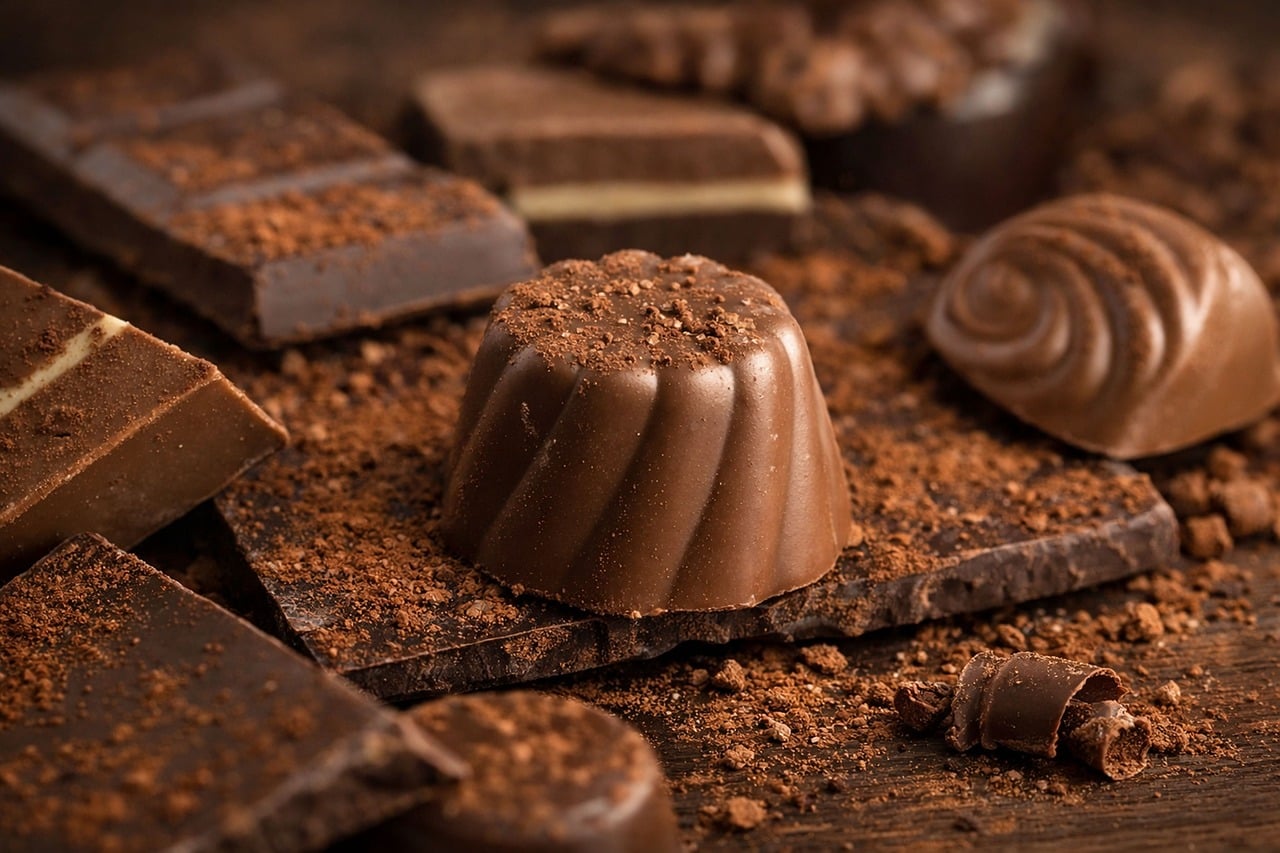
Artisan Chocolate Making is a professional certificate course that focuses on the art and science of creating high-quality chocolate products. The course covers various aspects of chocolate making, including the history of chocolate, the raw materials used, the chocolate-making process, and the techniques for creating artisanal chocolate products. This explanation will focus on the key terms and vocabulary used in the course.
1. Cacao: Cacao is the tree from which chocolate is derived. The scientific name for the cacao tree is Theobroma cacao, which means "food of the gods" in Greek. Cacao beans are the seeds of the cacao fruit, which grows on the trunk and branches of the tree. 2. Chocolate liquor: Chocolate liquor, also known as cocoa mass or cocoa liquor, is the solid or semi-solid substance obtained by grinding cacao nibs. It contains both cocoa solids and cocoa butter in equal proportions. 3. Cocoa butter: Cocoa butter is the fat extracted from cocoa beans. It is a solid at room temperature but melts at body temperature, giving chocolate its characteristic melt-in-the-mouth texture. 4. Cocoa solids: Cocoa solids, also known as cocoa powder, are the dry, powdery residue left after cocoa butter has been extracted from chocolate liquor. Cocoa solids contain flavonoids, which have antioxidant properties. 5. Chocolate making process: The chocolate-making process involves several steps, including fermentation, drying, roasting, grinding, conching, tempering, and molding. Each step plays a crucial role in determining the final flavor, texture, and quality of the chocolate. 6. Fermentation: Fermentation is the process by which cacao beans are fermented after they have been harvested. Fermentation enhances the flavor profile of the beans by breaking down the pulp and allowing enzymes to react with the sugars and acids in the beans. 7. Drying: Drying is the process by which cacao beans are dried after fermentation. Proper drying is essential to prevent mold growth and preserve the flavor of the beans. 8. Roasting: Roasting is the process by which cacao beans are roasted to develop their flavor and aroma. Roasting also kills any remaining bacteria and makes the beans easier to grind. 9. Grinding: Grinding is the process by which cacao beans are ground into chocolate liquor. This can be done using a variety of methods, including stone mills, ball mills, and roll refiners. 10. Conching: Conching is the process by which chocolate liquor is mixed, heated, and aerated to develop its flavor and texture. Conching can take several hours or even days, depending on the desired quality of the chocolate. 11. Tempering: Tempering is the process by which chocolate is heated and cooled to create a stable crystalline structure. This ensures that the chocolate has a glossy appearance and a snap when broken. 12. Molding: Molding is the process by which chocolate is poured into molds to create various shapes and sizes. The chocolate is then cooled and allowed to harden before being removed from the mold. 13. Couverture chocolate: Couverture chocolate is a high-quality chocolate that contains a high percentage of cocoa butter (at least 32%). It is used by professional chocolatiers for dipping, coating, and enrobing because of its superior flavor, texture, and gloss. 14. Single-origin chocolate: Single-origin chocolate is chocolate that is made from cacao beans sourced from a single geographical location. This allows the unique flavor profile of the beans to be showcased. 15. Chocolatier: A chocolatier is a person who creates artisanal chocolate products. A chocolatier may create chocolate bars, bonbons, truffles, and other chocolate products using a variety of techniques and ingredients. 16. Flavonoids: Flavonoids are antioxidants found in cocoa solids. They have been linked to various health benefits, including improved cardiovascular health and reduced inflammation. 17. Terroir: Terroir refers to the unique environmental factors that influence the flavor profile of cacao beans. This includes factors such as soil type, climate, and altitude. 18. Temperature control: Temperature control is crucial in chocolate making to ensure that the chocolate is heated and cooled properly. Proper temperature control ensures that the chocolate has a glossy appearance and a snap when broken. 19. Texture: Texture is an important aspect of chocolate making, as it affects the mouthfeel of the chocolate. A smooth, creamy texture is desirable in high-quality chocolate. 20. Aroma: Aroma is an important aspect of chocolate flavor, as it contributes to the overall sensory experience. Different cacao varieties and processing methods can produce unique aromas in chocolate. 21. Fillings: Fillings are ingredients used to fill chocolates, such as ganache, caramel, or fruit puree. Fillings can add flavor, texture, and visual appeal to chocolate products. 22. Decorations: Decorations are embellishments used to enhance the visual appeal of chocolate products, such as chocolate shavings, edible gold leaf, or sugar flowers. 23. Shelf life: Shelf life refers to the length of time that chocolate products can be stored before they begin to deteriorate. Proper storage conditions, such as cool temperatures and low humidity, can help extend the shelf life of chocolate.
Challenge:
Try making your own artisanal chocolate at home using the following recipe:
Ingredients:
* 1 cup cocoa butter * 1 cup cocoa powder * 1/2 cup honey or maple syrup * 1 tsp vanilla extract * Pinch of salt
Instructions:
1. Melt the cocoa butter over low heat. 2. Add the cocoa powder, honey or maple syrup, vanilla extract, and salt to the melted cocoa butter. 3. Stir until well combined and smooth. 4. Pour the chocolate into a mold and tap it gently to remove any air bubbles. 5. Allow the chocolate to cool and harden at room temperature or in the refrigerator. 6. Once the chocolate has hardened, remove it from the mold and enjoy!
By understanding the key terms and vocabulary used in artisan chocolate making, you can deepen your appreciation for this delicious and complex craft. Whether you're a professional chocolatier or a home chocolate maker, mastering these concepts will help you create high-quality chocolate products that delight the senses and satisfy the soul.
Key takeaways
- The course covers various aspects of chocolate making, including the history of chocolate, the raw materials used, the chocolate-making process, and the techniques for creating artisanal chocolate products.
- Chocolate making process: The chocolate-making process involves several steps, including fermentation, drying, roasting, grinding, conching, tempering, and molding.
- Add the cocoa powder, honey or maple syrup, vanilla extract, and salt to the melted cocoa butter.
- Whether you're a professional chocolatier or a home chocolate maker, mastering these concepts will help you create high-quality chocolate products that delight the senses and satisfy the soul.