
Art Therapy Techniques and Materials
Art Therapy Techniques
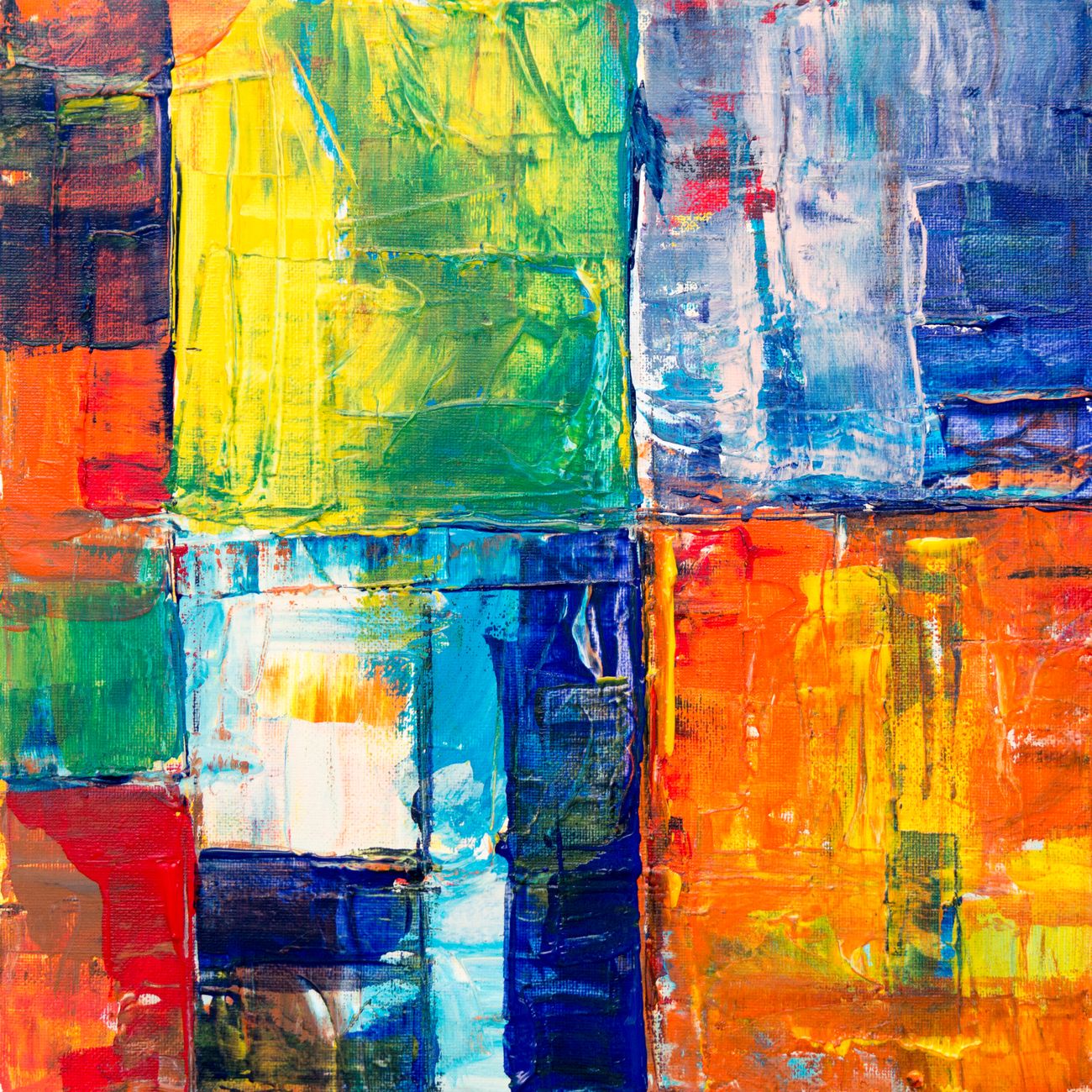
Art Therapy Techniques
Art therapy is a form of expressive therapy that uses the creative process of making art to improve a person’s physical, mental, and emotional well-being. Art therapists are trained professionals who use a variety of art therapy techniques to help their clients explore their feelings, reconcile emotional conflicts, foster self-awareness, manage behavior and addictions, develop social skills, improve reality orientation, reduce anxiety, and increase self-esteem.
Here are some key art therapy techniques:
1. Drawing and Painting: Drawing and painting are the most common art therapy techniques. Clients are encouraged to express their thoughts and feelings through colors, shapes, and lines. This technique is useful for clients who have difficulty verbalizing their emotions. 2. Collage: Collage is a technique that involves cutting and pasting images and materials to create a new artwork. This technique is useful for clients who struggle with drawing or painting, as it allows them to create art using pre-existing materials. 3. Sculpture: Sculpture is a three-dimensional art form that involves creating objects or figures from various materials such as clay, wire, or found objects. This technique is useful for clients who enjoy working with their hands and creating tangible objects. 4. Mask-making: Mask-making is a technique that involves creating masks that represent different aspects of the self. This technique is useful for clients who are exploring their identity or working through emotional issues. 5. Printmaking: Printmaking is a technique that involves creating an image on a surface and then transferring it to another surface. This technique is useful for clients who enjoy working with repetitive patterns and textures. 6. Photography: Photography is a technique that involves capturing images using a camera. This technique is useful for clients who enjoy visual storytelling and exploring their environment. 7. Music Therapy: While not strictly an art therapy technique, music therapy is often used in conjunction with art therapy. Music therapy involves using music to promote healing and well-being. This technique is useful for clients who enjoy music and find it helpful for expressing their emotions.
Art Therapy Materials
Art therapy materials are the tools and supplies used in art therapy techniques. Art therapists carefully select materials based on the needs and goals of their clients. Here are some common art therapy materials:
1. Paper: Paper is the most common art therapy material. Art therapists use a variety of paper types, including sketch paper, watercolor paper, and construction paper. 2. Paints: Paints are used in painting and printmaking techniques. Art therapists use a variety of paint types, including acrylic, watercolor, and oil paints. 3. Pencils: Pencils are used in drawing techniques. Art therapists use a variety of pencil types, including graphite, colored pencils, and pastels. 4. Markers: Markers are used in drawing and collage techniques. Art therapists use a variety of marker types, including fine-tip, broad-tip, and brush markers. 5. Clay: Clay is used in sculpture and mask-making techniques. Art therapists use a variety of clay types, including air-dry clay, polymer clay, and ceramic clay. 6. Glue: Glue is used in collage and mask-making techniques. Art therapists use a variety of glue types, including white glue, hot glue, and craft glue. 7. Scissors: Scissors are used in collage and mask-making techniques. Art therapists use a variety of scissor types, including safety scissors, fabric scissors, and detail scissors. 8. Musical Instruments: Musical instruments are used in music therapy techniques. Art therapists use a variety of musical instruments, including drums, guitars, and keyboards.
Challenges and Practical Applications
Art therapy can be challenging for both the therapist and the client. Clients may feel resistant to expressing themselves through art, and therapists may struggle to interpret the meaning behind the art. However, with practice and patience, art therapy can be a powerful tool for healing and growth.
Here are some practical applications of art therapy:
1. Addiction Recovery: Art therapy can be helpful for clients in addiction recovery as it allows them to express their feelings and emotions without relying on substances. 2. Trauma Recovery: Art therapy can be helpful for clients who have experienced trauma as it allows them to express their feelings and emotions in a safe and controlled environment. 3. Mental Health Disorders: Art therapy can be helpful for clients with mental health disorders such as depression, anxiety, and bipolar disorder as it allows them to express their feelings and emotions in a non-verbal way. 4. Stress Management: Art therapy can be helpful for clients who are experiencing stress as it allows them to relax and express their feelings and emotions in a creative way. 5. Personal Growth: Art therapy can be helpful for clients who are seeking personal growth as it allows them to explore their identity and self-awareness.
In conclusion, art therapy is a powerful tool for healing and growth. Art therapists use a variety of techniques and materials to help their clients express their thoughts and feelings in a safe and controlled environment. While art therapy can be challenging, it has many practical applications for clients seeking recovery, personal growth, and stress management.
Key takeaways
- Art therapy is a form of expressive therapy that uses the creative process of making art to improve a person’s physical, mental, and emotional well-being.
- Sculpture: Sculpture is a three-dimensional art form that involves creating objects or figures from various materials such as clay, wire, or found objects.
- Art therapists carefully select materials based on the needs and goals of their clients.
- Art therapists use a variety of scissor types, including safety scissors, fabric scissors, and detail scissors.
- Clients may feel resistant to expressing themselves through art, and therapists may struggle to interpret the meaning behind the art.
- Mental Health Disorders: Art therapy can be helpful for clients with mental health disorders such as depression, anxiety, and bipolar disorder as it allows them to express their feelings and emotions in a non-verbal way.
- Art therapists use a variety of techniques and materials to help their clients express their thoughts and feelings in a safe and controlled environment.