
Detoxification and Environmental Medicine
Detoxification is the process of removing toxic substances from the body. It is a crucial aspect of Environmental Medicine, which studies the impact of environmental factors on human health. In this explanation, we will cover key terms and …
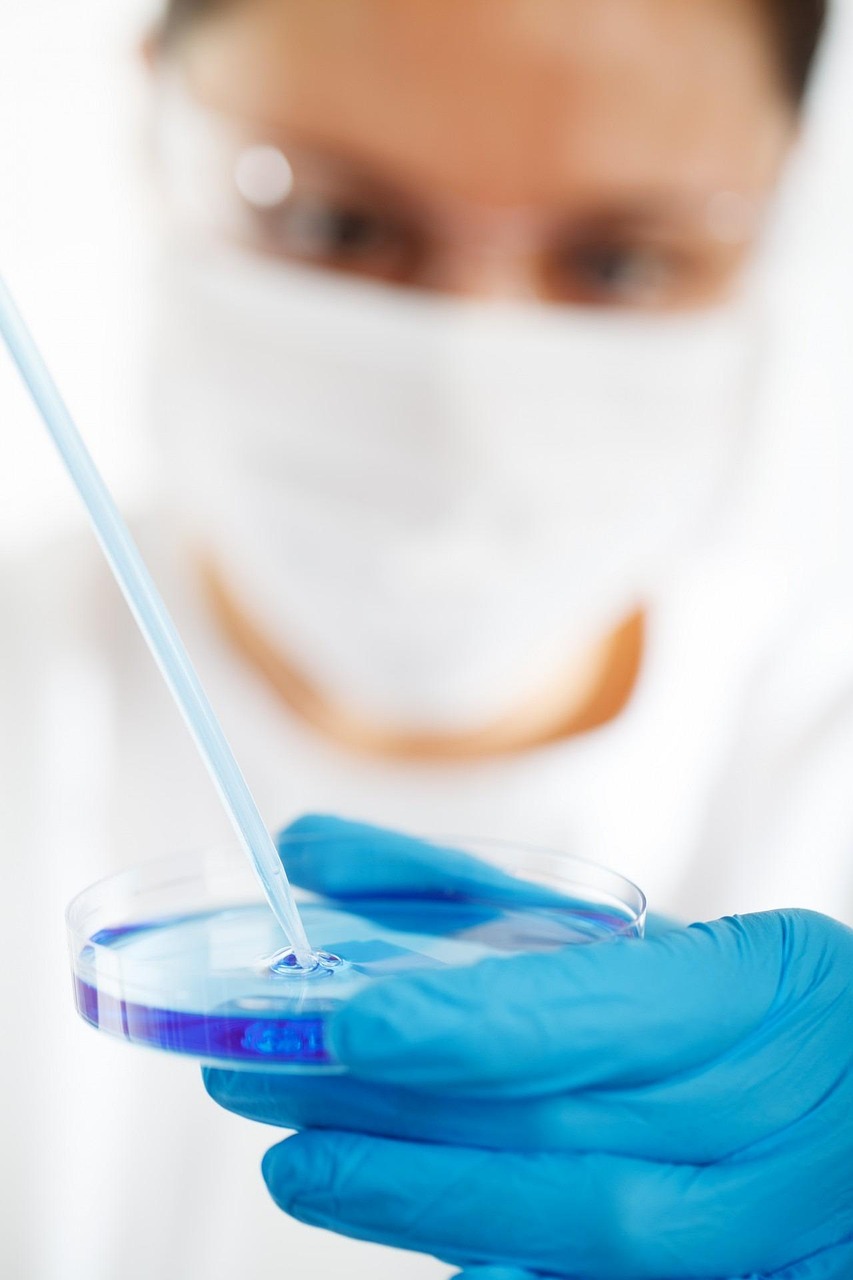
Detoxification is the process of removing toxic substances from the body. It is a crucial aspect of Environmental Medicine, which studies the impact of environmental factors on human health. In this explanation, we will cover key terms and vocabulary related to Detoxification and Environmental Medicine in the context of the Professional Certificate in Precision Functional Medicine.
1. Toxins: Toxins are harmful substances that can cause damage to the body's cells and interfere with normal bodily functions. They can be found in various sources, including food, water, air, and the environment. Examples of toxins include heavy metals, pesticides, and pollutants. 2. Detoxification: Detoxification is the process of removing toxins from the body. It can be achieved through various methods, including dietary changes, supplements, and medical procedures. The goal of detoxification is to support the body's natural detoxification systems and promote overall health and well-being. 3. Phases of Detoxification: The detoxification process involves two main phases: phase I and phase II. In phase I, toxins are converted into less harmful substances through a process called oxidation. In phase II, these substances are further broken down and eliminated from the body through a process called conjugation. 4. Nutrient Co-factors: Nutrient co-factors are essential nutrients that support the detoxification process. They include vitamins, minerals, and amino acids that help facilitate the oxidation and conjugation of toxins in phases I and II. Examples of nutrient co-factors include vitamin C, B vitamins, magnesium, and glutathione. 5. Biotransformation: Biotransformation is the process of converting toxic substances into less harmful forms through the phases of detoxification. It involves a series of chemical reactions that occur in the liver and other organs. 6. Antioxidants: Antioxidants are substances that protect the body's cells from damage caused by free radicals. They are essential for supporting the detoxification process, as free radicals can interfere with the normal functioning of the liver and other organs involved in detoxification. 7. Environmental Medicine: Environmental Medicine is a branch of medicine that studies the impact of environmental factors on human health. It focuses on identifying and addressing environmental triggers that can contribute to chronic illness and disease. 8. Toxic Exposure: Toxic exposure refers to the exposure to harmful substances in the environment. It can occur through various routes, including inhalation, ingestion, and skin contact. Examples of toxic exposure include exposure to polluted air, contaminated water, and pesticide-treated crops. 9. Bioaccumulation: Bioaccumulation is the buildup of toxic substances in the body over time. It occurs when the body is exposed to toxins at a faster rate than they can be eliminated. Bioaccumulation can lead to chronic illness and disease. 10. Genetic Polymorphisms: Genetic polymorphisms are variations in genes that can affect the way the body metabolizes toxins. They can impact the efficiency of the detoxification process and increase the risk of chronic illness and disease. 11. Detoxification Support: Detoxification support refers to interventions that support the body's natural detoxification systems. It can include dietary changes, supplements, and medical procedures that promote the elimination of toxins from the body. 12. Heavy Metals: Heavy metals are toxic substances that can cause damage to the body's cells and interfere with normal bodily functions. Examples of heavy metals include lead, mercury, and arsenic. 13. Pesticides: Pesticides are toxic substances used to control pests. They can be found in various sources, including food, water, and the environment. Examples of pesticides include organophosphates and pyrethroids. 14. Solvents: Solvents are toxic substances used to dissolve other substances. They can be found in various sources, including cleaning products, paint thinners, and adhesives. Examples of solvents include benzene and toluene. 15. Mycotoxins: Mycotoxins are toxic substances produced by mold and fungi. They can be found in various sources, including food, water, and the environment. Examples of mycotoxins include aflatoxins and ochratoxins. 16. Phthalates: Phthalates are toxic substances used to soften plastics. They can be found in various sources, including food packaging, personal care products, and building materials. 17. Volatile Organic Compounds (VOCs): VOCs are toxic substances that evaporate at room temperature. They can be found in various sources, including paints, solvents, and cleaning products. Examples of VOCs include formaldehyde and benzene. 18. Electromagnetic Fields (EMFs): EMFs are non-ionizing radiation produced by electronic devices. They can interfere with the normal functioning of the body's cells and increase the risk of chronic illness and disease. 19. Multiple Chemical Sensitivity (MCS): MCS is a condition characterized by sensitivity to multiple chemical substances. It can cause various symptoms, including headaches, fatigue, and respiratory problems. 20. Preventive Medicine: Preventive medicine is a branch of medicine that focuses on preventing illness and disease. It includes interventions that promote health and well-being, such as dietary changes, exercise, and stress management.
Detoxification and Environmental Medicine are critical aspects of Precision Functional Medicine. By understanding the key terms and vocabulary related to these fields, healthcare professionals can better support their patients in achieving optimal health and well-being. Examples of practical applications of Detoxification and Environmental Medicine include identifying and addressing environmental triggers of chronic illness, providing Detoxification support to promote the elimination of toxins from the body, and implementing preventive measures to reduce the risk of toxic exposure. Challenges in this field include the ubiquity of toxic substances in the environment, the complexity of the detoxification process, and the impact of genetic polymorphisms on Detoxification efficiency. However, with a comprehensive understanding of the key terms and concepts, healthcare professionals can effectively address these challenges and promote optimal health and well-being for their patients.
Key takeaways
- In this explanation, we will cover key terms and vocabulary related to Detoxification and Environmental Medicine in the context of the Professional Certificate in Precision Functional Medicine.
- They are essential for supporting the detoxification process, as free radicals can interfere with the normal functioning of the liver and other organs involved in detoxification.
- However, with a comprehensive understanding of the key terms and concepts, healthcare professionals can effectively address these challenges and promote optimal health and well-being for their patients.