
Ventilator Alarms and Troubleshooting
Ventilator Alarms
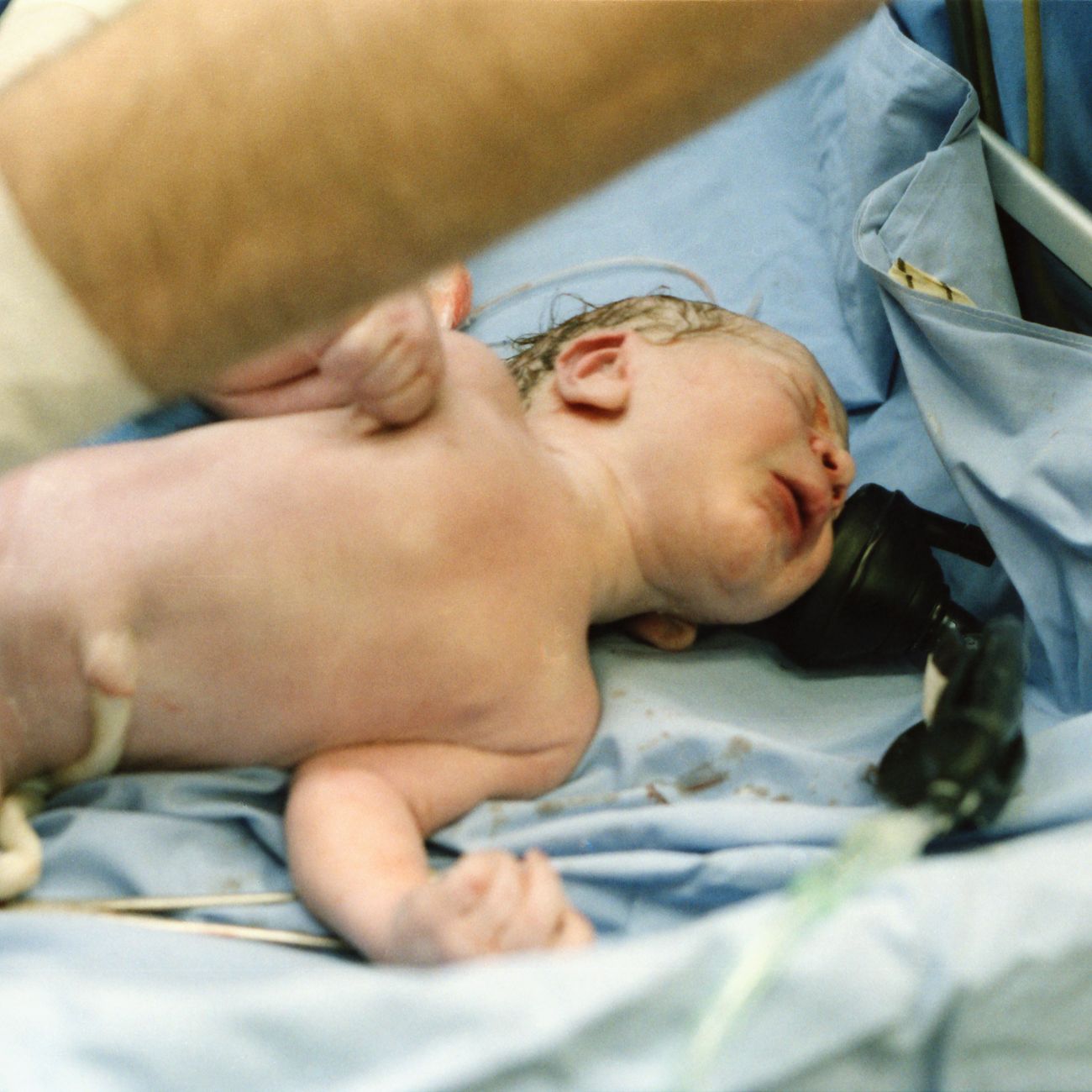
Ventilator Alarms
Ventilator alarms are crucial components of neonatal ventilation systems as they provide real-time feedback on the patient's respiratory status and the functioning of the equipment. Understanding the different types of alarms and troubleshooting common issues is essential for healthcare professionals working in neonatal intensive care units.
Types of Alarms
There are several types of alarms that may be present on a neonatal ventilator. These alarms are designed to alert healthcare providers to potential problems with the ventilation system or the patient's condition. Common types of alarms include:
1. High Peak Pressure Alarm This alarm indicates that the peak airway pressure during inspiration has exceeded a preset limit. High peak pressures can be caused by factors such as airway obstruction, lung overdistention, or mucus plugging. Troubleshooting this alarm may involve checking for kinks in the ventilator tubing, adjusting the ventilator settings, or suctioning the patient's airway.
2. Low Exhaled Tidal Volume Alarm A low exhaled tidal volume alarm signals that the amount of air being delivered to the patient during each breath is below the set threshold. This could be due to factors such as leaks in the ventilator circuit, improper positioning of the endotracheal tube, or lung compliance issues. Troubleshooting may involve checking for leaks, adjusting the ventilator settings, or repositioning the patient.
3. Apnea Alarm An apnea alarm is triggered when the ventilator detects a pause in the patient's breathing. This alarm is particularly important in neonatal patients who may be at risk for apnea or bradycardia. Troubleshooting may involve assessing the patient's respiratory effort, checking the ventilator settings, or providing manual ventilation if necessary.
4. High Respiratory Rate Alarm A high respiratory rate alarm alerts healthcare providers when the ventilator is delivering breaths at a rate higher than the set limit. This could be due to issues such as increased patient demand, improper ventilator settings, or circuit leaks. Troubleshooting may involve adjusting the ventilator settings, addressing patient comfort, or checking for leaks in the circuit.
5. Low Minute Volume Alarm A low minute volume alarm indicates that the total volume of air delivered to the patient over a minute is below the set threshold. This could be caused by factors such as leaks in the ventilator circuit, changes in patient compliance, or inadequate ventilator settings. Troubleshooting may involve checking for leaks, adjusting settings, or assessing the patient's respiratory status.
6. High FiO2 Alarm A high FiO2 alarm alerts healthcare providers when the fraction of inspired oxygen being delivered to the patient exceeds the set limit. This could be due to factors such as changes in the patient's oxygen requirements, improper FiO2 settings, or equipment malfunctions. Troubleshooting may involve adjusting FiO2 settings, assessing the patient's oxygenation status, or checking for leaks in the circuit.
7. Low FiO2 Alarm Conversely, a low FiO2 alarm indicates that the fraction of inspired oxygen being delivered to the patient is below the set threshold. This could be due to factors such as changes in the patient's oxygen requirements, improper FiO2 settings, or equipment malfunctions. Troubleshooting may involve adjusting FiO2 settings, assessing the patient's oxygenation status, or checking for leaks in the circuit.
Troubleshooting Ventilator Alarms
When a ventilator alarm is triggered, it is essential for healthcare providers to respond promptly and effectively to ensure the safety and well-being of the patient. Troubleshooting ventilator alarms involves a systematic approach to identifying and addressing the underlying cause of the alarm. Some general steps to take when troubleshooting ventilator alarms include:
1. Assess the Patient The first step in troubleshooting a ventilator alarm is to assess the patient's respiratory status. Check for signs of distress, changes in oxygen saturation, or abnormal breath sounds. Ensure that the patient is stable and receiving adequate ventilation before moving on to troubleshoot the alarm.
2. Check the Ventilator Settings Next, review the ventilator settings to ensure that they are appropriate for the patient's condition. Verify parameters such as tidal volume, respiratory rate, FiO2, and peak inspiratory pressure. Make any necessary adjustments to the settings based on the patient's needs and the alarm that was triggered.
3. Inspect the Ventilator Circuit Inspect the ventilator circuit for any leaks, kinks, or disconnections that could be causing the alarm. Check the integrity of the tubing, connections, and filters. Ensure that the circuit is properly secured and free of obstructions that could affect airflow to the patient.
4. Address Patient Positioning Check the patient's positioning to ensure that the endotracheal tube is correctly placed and secured. Verify that the patient is in a comfortable and stable position that allows for optimal ventilation. Reposition the patient if necessary to improve ventilation and reduce the risk of alarms.
5. Monitor Patient Response After taking steps to troubleshoot the alarm, monitor the patient's response to the interventions. Assess changes in vital signs, oxygen saturation, and respiratory effort. Ensure that the patient remains stable and that the alarm has been resolved before continuing with the ventilation process.
Challenges in Ventilator Alarm Troubleshooting
While troubleshooting ventilator alarms is a critical skill for healthcare providers working in neonatal intensive care units, there are several challenges that may arise during this process. Some common challenges in ventilator alarm troubleshooting include:
1. Time Sensitivity Ventilator alarms often require immediate attention to prevent adverse outcomes for the patient. Healthcare providers must be able to respond quickly and effectively to alarms while ensuring that patient care is not compromised.
2. Multifactorial Causes Ventilator alarms can be triggered by a variety of factors, including equipment malfunctions, patient conditions, and environmental issues. Identifying the underlying cause of an alarm may require a comprehensive assessment and troubleshooting approach.
3. Technical Complexity Neonatal ventilators are sophisticated devices with complex settings and functions. Healthcare providers must have a thorough understanding of ventilator operation and troubleshooting techniques to effectively address alarms and ensure patient safety.
4. Communication and Collaboration Troubleshooting ventilator alarms often requires effective communication and collaboration among members of the healthcare team. Clear communication of alarm status, interventions taken, and patient responses is essential for providing coordinated care and resolving alarms promptly.
5. Continuous Monitoring Even after troubleshooting a ventilator alarm, healthcare providers must continue to monitor the patient's respiratory status and the functioning of the ventilator. Continuous assessment and vigilance are necessary to ensure that alarms do not recur and that the patient remains stable.
Practical Applications of Ventilator Alarm Troubleshooting
Healthcare providers can apply their knowledge of ventilator alarms and troubleshooting techniques in various practical scenarios in the neonatal intensive care unit. Some practical applications of ventilator alarm troubleshooting include:
1. Newborn Resuscitation During newborn resuscitation, healthcare providers may encounter ventilator alarms due to factors such as inadequate ventilation, airway obstruction, or equipment malfunctions. Troubleshooting alarms promptly and effectively is essential for ensuring the successful resuscitation of the newborn.
2. Patient Transport When transporting a neonatal patient on a ventilator, healthcare providers must be prepared to troubleshoot alarms that may occur during the transfer. Maintaining vigilance and responding quickly to alarms can help ensure the safe transport of the patient to another location.
3. Critical Care Situations In critical care situations where the patient's condition is unstable, ventilator alarms may be more frequent and require immediate attention. Healthcare providers must be able to prioritize alarms, troubleshoot effectively, and communicate effectively with the healthcare team to ensure optimal patient care.
4. Equipment Maintenance Regular equipment maintenance and testing are essential for preventing ventilator alarms and ensuring the proper functioning of the ventilation system. Healthcare providers can play a role in performing routine checks, calibrations, and inspections to identify potential issues before they lead to alarms.
5. Quality Improvement Initiatives Analyzing ventilator alarm data, trends, and outcomes can help healthcare providers identify areas for improvement in ventilation practices and protocols. Participating in quality improvement initiatives can enhance patient safety, reduce alarm fatigue, and optimize the use of ventilator alarms in the neonatal setting.
Conclusion
In conclusion, understanding ventilator alarms and troubleshooting techniques is essential for healthcare providers working in neonatal intensive care units. By becoming familiar with the types of alarms, troubleshooting steps, challenges, and practical applications of ventilator alarm troubleshooting, healthcare providers can enhance patient safety, optimize ventilation outcomes, and improve the quality of care in neonatal settings.Continuous education and training in ventilator alarm management are essential for ensuring that healthcare providers are prepared to respond effectively to alarms and provide high-quality care to neonatal patients.
Key takeaways
- Ventilator alarms are crucial components of neonatal ventilation systems as they provide real-time feedback on the patient's respiratory status and the functioning of the equipment.
- These alarms are designed to alert healthcare providers to potential problems with the ventilation system or the patient's condition.
- Troubleshooting this alarm may involve checking for kinks in the ventilator tubing, adjusting the ventilator settings, or suctioning the patient's airway.
- Low Exhaled Tidal Volume Alarm A low exhaled tidal volume alarm signals that the amount of air being delivered to the patient during each breath is below the set threshold.
- Troubleshooting may involve assessing the patient's respiratory effort, checking the ventilator settings, or providing manual ventilation if necessary.
- High Respiratory Rate Alarm A high respiratory rate alarm alerts healthcare providers when the ventilator is delivering breaths at a rate higher than the set limit.
- Low Minute Volume Alarm A low minute volume alarm indicates that the total volume of air delivered to the patient over a minute is below the set threshold.