
Artistic Development and Creative Expression
Artistic Development and Creative Expression are essential components of the Certificate in Humanistic Foundations of Art Therapy. Let's explore key terms and vocabulary related to this course:
Artistic Development and Creative Expression are essential components of the Certificate in Humanistic Foundations of Art Therapy. Let's explore key terms and vocabulary related to this course:
1. Artistic Development: Artistic development refers to the growth and progression of an individual's artistic skills, creativity, and self-expression over time. It involves the exploration of various art forms, techniques, and styles to enhance one's artistic abilities. Artistic development is a continuous process that can be influenced by personal experiences, education, and exposure to different artistic influences.
Example: An artist who consistently practices painting may experience artistic development by experimenting with new color palettes or brush strokes, leading to a more refined and expressive artistic style.
Challenges: Some challenges in artistic development may include creative blocks, self-doubt, or fear of failure, which can hinder an individual's growth as an artist. Overcoming these challenges requires resilience, perseverance, and a willingness to explore new artistic avenues.
2. Creative Expression: Creative expression is the act of conveying thoughts, emotions, and ideas through various artistic mediums such as painting, drawing, sculpture, music, dance, or writing. It allows individuals to communicate and process their feelings in a non-verbal way, providing a unique outlet for self-expression and exploration.
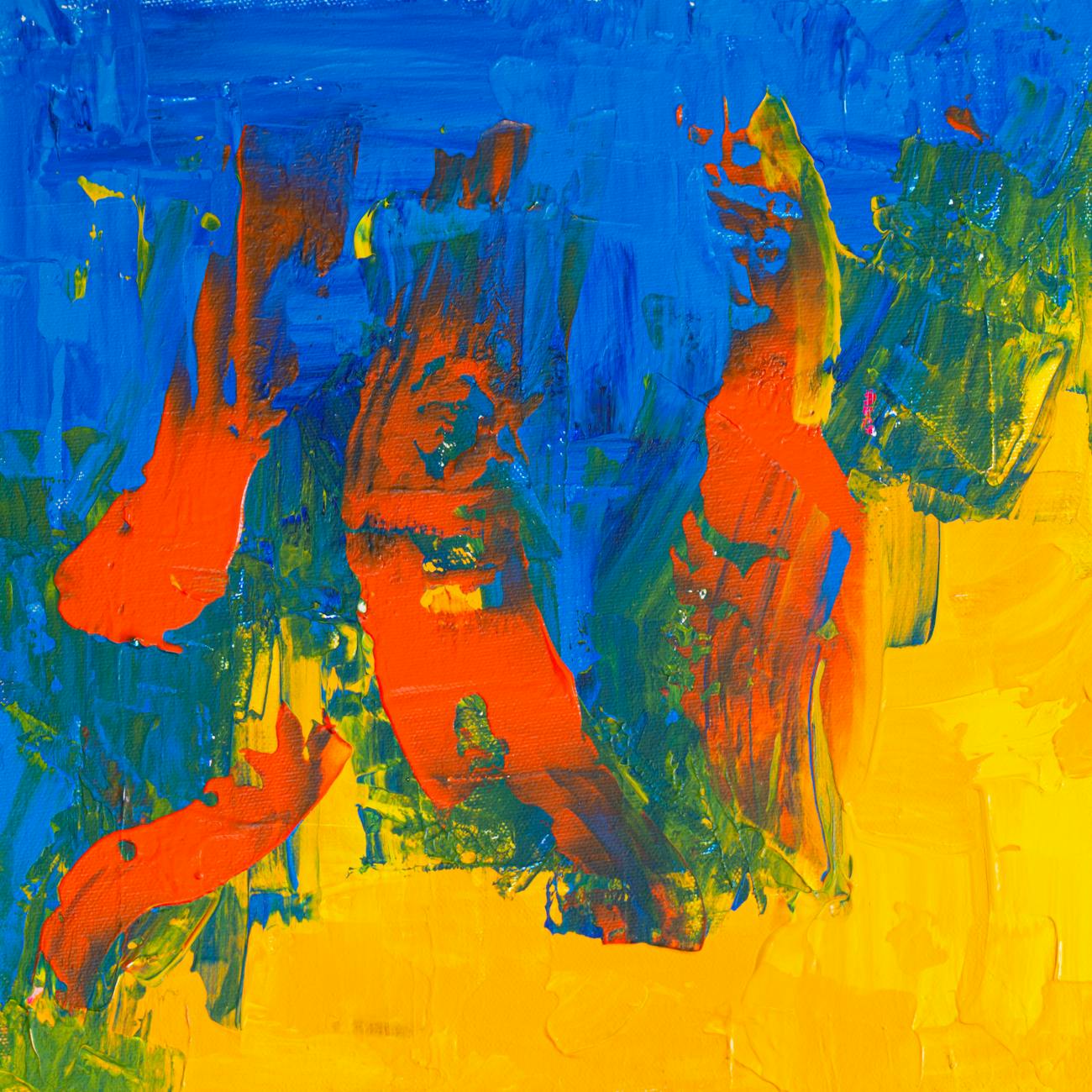
Example: A person struggling with anxiety may find solace in creating abstract paintings as a form of creative expression, allowing them to visually represent their inner turmoil and emotions.
Challenges: Challenges in creative expression may include self-censorship, perfectionism, or difficulty in translating inner experiences into tangible art forms. Overcoming these challenges involves embracing vulnerability, taking risks, and fostering a non-judgmental attitude towards one's creative process.
3. Art Therapy: Art therapy is a form of psychotherapy that utilizes artistic mediums and creative processes to help individuals explore their emotions, enhance self-awareness, and promote healing and personal growth. It provides a safe and supportive space for individuals to express themselves creatively, leading to insights, self-discovery, and emotional catharsis.
Example: A certified art therapist may use drawing exercises with a client to help them process trauma or grief, allowing the client to externalize their emotions and explore underlying issues in a non-verbal way.
Challenges: Challenges in art therapy may include establishing trust and rapport with clients, navigating resistance to creative expression, or addressing ethical considerations related to client confidentiality and boundaries. Overcoming these challenges requires empathy, cultural competence, and adherence to ethical guidelines.
4. Humanistic Foundations: Humanistic foundations in art therapy emphasize the importance of the individual's subjective experience, self-actualization, and personal growth within the therapeutic process. It values the inherent creativity and resilience of each person, focusing on self-expression, empowerment, and holistic well-being.
Example: A humanistic art therapist may prioritize the client's autonomy and self-determination in the therapeutic relationship, encouraging them to explore their unique artistic voice and inner wisdom.
Challenges: Challenges in humanistic foundations of art therapy may include balancing structure and spontaneity in sessions, addressing power differentials between therapist and client, or integrating cultural diversity and inclusivity in therapeutic practice. Overcoming these challenges involves ongoing self-reflection, openness to feedback, and a commitment to social justice and equity.
5. Symbolism: Symbolism in art refers to the use of symbols, imagery, and metaphors to convey deeper meanings, emotions, or concepts beyond their literal representation. Symbols can carry personal, cultural, or universal significance, allowing artists and viewers to engage with art on multiple levels of interpretation.
Example: A lotus flower in a painting may symbolize purity, enlightenment, or transformation, reflecting the artist's spiritual beliefs or emotional journey.
Challenges: Challenges in working with symbolism in art therapy may include misinterpretation of symbols, cultural differences in symbolic meanings, or over-reliance on predetermined interpretations. Overcoming these challenges involves engaging in open dialogue with clients, exploring personal associations with symbols, and respecting diverse perspectives and worldviews.
6. Therapeutic Alliance: The therapeutic alliance refers to the collaborative and trusting relationship between the therapist and client, characterized by empathy, respect, and mutual understanding. It serves as the foundation for effective therapy, promoting safety, authenticity, and growth within the therapeutic process.
Example: A strong therapeutic alliance between an art therapist and client may be evidenced by open communication, shared goals, and a sense of partnership in the healing journey.
Challenges: Challenges in developing a therapeutic alliance may include transference, countertransference, or ruptures in the therapeutic relationship that can hinder progress and trust. Overcoming these challenges requires self-awareness, reflection, and a commitment to maintaining boundaries and ethical standards.
7. Artistic Process: The artistic process refers to the series of steps and decisions involved in creating art, from conceptualization to execution and reflection. It encompasses ideation, experimentation, revision, and iteration, allowing artists to explore and refine their artistic vision through a dynamic and iterative creative journey.
Example: An artist may engage in the artistic process by sketching preliminary ideas, gathering inspiration from nature, experimenting with different materials, and reflecting on the emotional impact of their work.
Challenges: Challenges in the artistic process may include creative blocks, perfectionism, time constraints, or self-criticism that can impede creative flow and hinder artistic development. Overcoming these challenges involves embracing imperfection, cultivating resilience, and fostering a growth mindset towards creativity.
8. Imagination: Imagination is the capacity to envision, innovate, and create mental images or concepts that go beyond immediate sensory experiences. It plays a crucial role in artistic development and creative expression, allowing individuals to explore possibilities, problem-solve, and engage in symbolic thinking.
Example: A child may use their imagination to invent imaginary worlds, creatures, or narratives while drawing, reflecting their innate creativity and imaginative play.
Challenges: Challenges in cultivating imagination may include societal pressures, educational constraints, or lack of opportunities for imaginative play that can limit creative thinking and innovation. Overcoming these challenges involves fostering curiosity, playfulness, and divergent thinking in artistic practice and everyday life.
9. Mindfulness: Mindfulness is the practice of focusing attention on the present moment with openness, curiosity, and non-judgmental awareness. It enhances self-awareness, emotional regulation, and stress reduction, making it a valuable tool in art therapy for promoting relaxation, self-reflection, and creative flow.
Example: An art therapist may guide clients in mindfulness techniques such as deep breathing, body scans, or sensory awareness exercises to ground them in the present moment and cultivate a receptive mindset for creative expression.
Challenges: Challenges in practicing mindfulness may include distractions, resistance to stillness, or difficulty in sustaining attention that can disrupt the therapeutic process. Overcoming these challenges involves gentle redirection, self-compassion, and patience in building mindfulness skills over time.
10. Catharsis: Catharsis is the process of releasing pent-up emotions, tensions, or psychological burdens through artistic expression, leading to emotional relief, insight, and healing. It allows individuals to externalize and process difficult feelings, memories, or experiences in a safe and contained manner.
Example: A client may experience catharsis while painting a series of abstract works that reflect their journey of grief and loss, providing a transformative outlet for emotional release and integration.
Challenges: Challenges in facilitating catharsis may include emotional overwhelm, retraumatization, or unresolved issues that can arise during the artistic process. Overcoming these challenges involves creating a supportive environment, establishing boundaries, and providing emotional containment and processing techniques to support clients in their healing journey.
In conclusion, understanding key terms and vocabulary related to Artistic Development and Creative Expression is essential for students pursuing the Certificate in Humanistic Foundations of Art Therapy. By exploring concepts such as artistic development, creative expression, art therapy, symbolism, therapeutic alliance, artistic process, imagination, mindfulness, and catharsis, learners can deepen their knowledge and skills in using art as a therapeutic tool for personal growth, healing, and self-discovery. Embracing these concepts with empathy, creativity, and cultural humility can help art therapists create meaningful and transformative experiences for their clients, fostering holistic well-being and emotional resilience through the power of art.
Key takeaways
- Artistic Development and Creative Expression are essential components of the Certificate in Humanistic Foundations of Art Therapy.
- Artistic Development: Artistic development refers to the growth and progression of an individual's artistic skills, creativity, and self-expression over time.
- Example: An artist who consistently practices painting may experience artistic development by experimenting with new color palettes or brush strokes, leading to a more refined and expressive artistic style.
- Challenges: Some challenges in artistic development may include creative blocks, self-doubt, or fear of failure, which can hinder an individual's growth as an artist.
- Creative Expression: Creative expression is the act of conveying thoughts, emotions, and ideas through various artistic mediums such as painting, drawing, sculpture, music, dance, or writing.
- Example: A person struggling with anxiety may find solace in creating abstract paintings as a form of creative expression, allowing them to visually represent their inner turmoil and emotions.
- Challenges: Challenges in creative expression may include self-censorship, perfectionism, or difficulty in translating inner experiences into tangible art forms.