
Energy Market Analysis
Energy Market Analysis is a crucial aspect of Energy Procurement Management. It involves examining various factors that influence the supply and demand of energy, as well as the pricing mechanisms in place. To effectively navigate the energ…
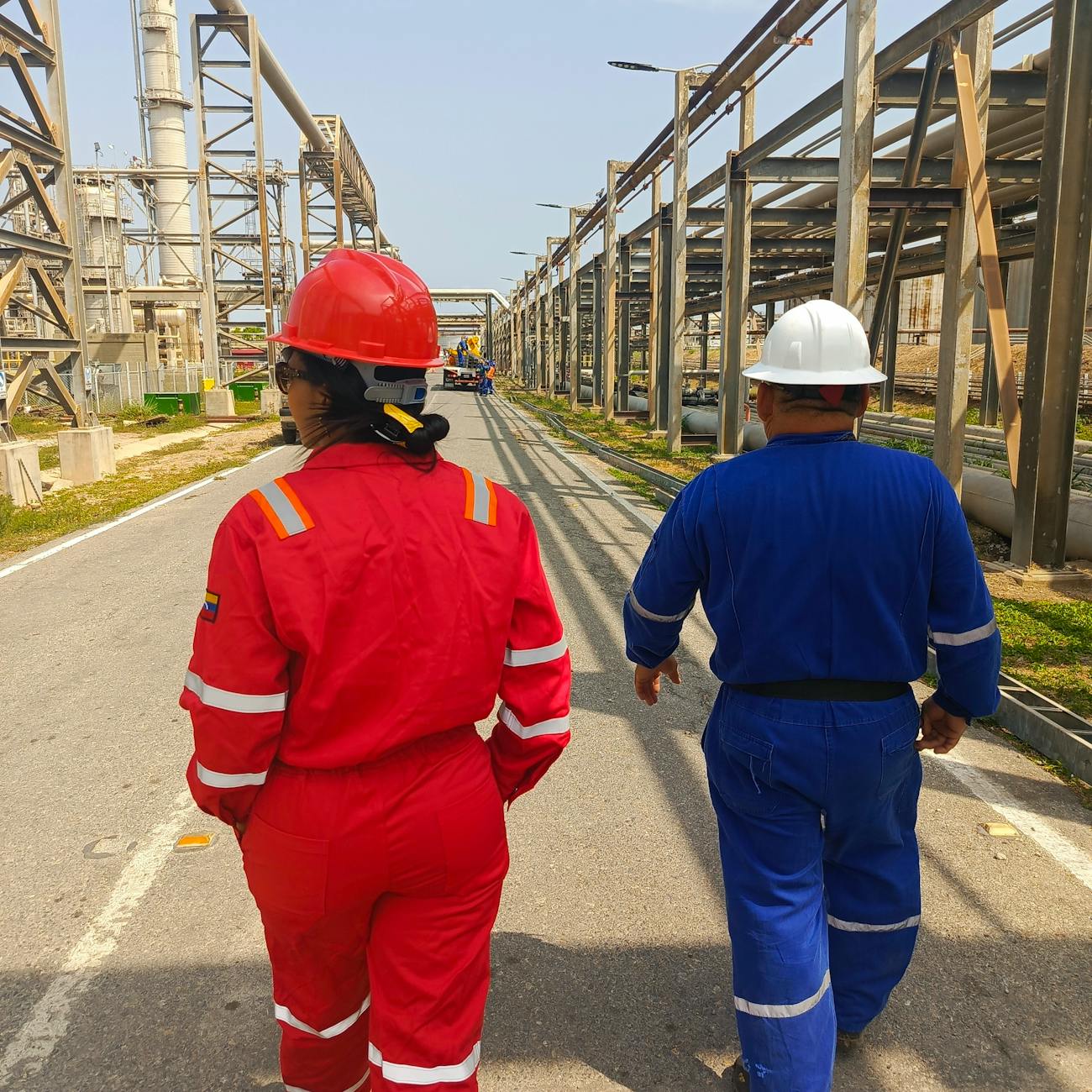
Energy Market Analysis is a crucial aspect of Energy Procurement Management. It involves examining various factors that influence the supply and demand of energy, as well as the pricing mechanisms in place. To effectively navigate the energy market landscape, professionals need to be well-versed in key terms and concepts that shape the industry. Below is an in-depth explanation of essential vocabulary for Energy Market Analysis:
1. **Energy Market**: The marketplace where electricity, natural gas, and other forms of energy are bought and sold. It includes physical and financial markets where energy products are traded.
2. **Supply and Demand**: The fundamental economic principle that governs the energy market. Supply refers to the amount of energy available for sale, while demand represents the quantity of energy that consumers are willing to purchase at a given price.
3. **Electricity Grid**: The interconnected network of transmission and distribution lines that transport electricity from power plants to consumers. It plays a critical role in ensuring a reliable supply of electricity.
4. **Renewable Energy**: Energy derived from natural resources that are replenished on a human timescale, such as sunlight, wind, and water. Renewable energy sources are considered environmentally friendly alternatives to fossil fuels.
5. **Fossil Fuels**: Non-renewable energy sources like coal, oil, and natural gas that are formed from the remains of plants and animals over millions of years. They are the primary sources of energy in many parts of the world.
6. **Energy Market Regulation**: Government policies and regulations that govern the operation of energy markets. Regulations can impact pricing, competition, and environmental standards within the industry.
7. **Energy Trading**: The buying and selling of energy products, such as electricity, natural gas, and oil, in financial markets. Energy traders aim to profit from price fluctuations by taking positions in various energy contracts.
8. **Market Participants**: Entities that actively engage in energy trading activities, including generators, suppliers, brokers, and consumers. Each participant plays a unique role in the energy market ecosystem.
9. **Market Clearing Price**: The price at which the total supply of energy matches the total demand in a given market. It is determined through the interaction of buyers and sellers in real-time or day-ahead markets.
10. **Capacity Market**: A market mechanism designed to ensure there is enough generation capacity to meet peak demand. Capacity markets provide incentives for generators to maintain sufficient reserves to avoid shortages.
11. **Forward Contracts**: Agreements between buyers and sellers to exchange energy at a predetermined price in the future. Forward contracts help hedge against price volatility and ensure price stability for both parties.
12. **Spot Market**: The market where energy is bought and sold for immediate delivery. Spot prices fluctuate based on real-time supply and demand conditions, making them a key indicator of market dynamics.
13. **Market Liquidity**: The degree to which an energy market can facilitate trading with minimal impact on prices. Liquid markets have a high volume of transactions and active participation from market participants.
14. **Price Volatility**: The degree to which energy prices fluctuate over a given period. Volatility can be influenced by factors such as weather conditions, geopolitical events, and supply disruptions.
15. **Arbitrage**: The practice of exploiting price differences between two or more markets to make a profit. Energy traders use arbitrage strategies to capitalize on discrepancies in pricing across regions or time periods.
16. **Demand Response**: Programs that incentivize consumers to reduce their energy consumption during peak periods. Demand response helps balance supply and demand in the electricity grid and avoid potential blackouts.
17. **Transmission Congestion**: The condition where there is insufficient transmission capacity to meet the demand for electricity in a specific area. Congestion can lead to higher prices and reliability issues within the grid.
18. **Market Power**: The ability of a market participant to influence prices by controlling a significant portion of the supply or demand. Market power can lead to anti-competitive behavior and higher prices for consumers.
19. **Energy Efficiency**: The practice of using less energy to accomplish the same tasks, such as lighting, heating, and cooling. Energy efficiency measures help reduce consumption and lower overall energy costs.
20. **Carbon Pricing**: Policies that put a price on carbon emissions to incentivize the reduction of greenhouse gases. Carbon pricing mechanisms include carbon taxes and cap-and-trade systems aimed at combating climate change.
21. **Virtual Power Plant**: A network of distributed energy resources, such as solar panels and battery storage, that are aggregated to function as a single power plant. Virtual power plants enhance grid flexibility and reliability.
22. **Grid Resilience**: The ability of the electricity grid to withstand and recover from disruptions, such as extreme weather events or cyber-attacks. Grid resilience measures ensure a reliable power supply under adverse conditions.
23. **Smart Grid**: An advanced electricity network that integrates digital technologies to enhance grid efficiency, reliability, and sustainability. Smart grids enable real-time monitoring and control of energy flows.
24. **Demand Forecasting**: The process of predicting future energy demand based on historical data, economic trends, and other relevant factors. Accurate demand forecasting is critical for energy market analysis and planning.
25. **Price Elasticity**: The responsiveness of energy demand to changes in price. Price elasticity helps assess how consumers and businesses adjust their energy consumption in response to price fluctuations.
26. **Merit Order**: The ranking of power plants based on their operating costs, with lower-cost plants dispatched first. Merit order dispatch helps optimize the use of generation resources and minimize overall production costs.
27. **Ancillary Services**: Support services necessary to maintain grid stability and reliability, such as frequency regulation and voltage control. Ancillary services are essential for ensuring the secure operation of the electricity grid.
28. **Capacity Factor**: The ratio of actual energy output to maximum potential output over a specific period. Capacity factors are used to assess the performance and efficiency of power generation assets.
29. **Load Profile**: A graphical representation of energy consumption patterns over time. Load profiles help utilities and grid operators understand when and how much electricity is used by different customer segments.
30. **Energy Storage**: Technologies that capture and store energy for later use, such as batteries, pumped hydro, and thermal storage. Energy storage systems help balance supply and demand and integrate renewable energy sources.
31. **Demand Side Management**: Strategies that involve modifying consumer behavior or load patterns to optimize energy consumption. Demand side management programs aim to reduce peak demand and overall energy costs.
32. **Power Purchase Agreement (PPA)**: A contract between an electricity generator and a buyer for the sale of power over a specified period. PPAs provide revenue certainty for generators and price stability for consumers.
33. **Renewable Energy Certificates (RECs)**: Tradable certificates that represent the environmental attributes of renewable energy generation. RECs are used to track and verify the use of renewable energy for compliance and reporting purposes.
34. **Net Metering**: A billing arrangement that allows customers with rooftop solar panels or other distributed generation systems to receive credit for excess energy they feed back into the grid. Net metering reduces electricity bills for consumers.
35. **Carbon Offset**: A unit of measurement representing the reduction, avoidance, or removal of one ton of carbon dioxide equivalent emissions. Carbon offsets are used to compensate for greenhouse gas emissions in a cost-effective manner.
36. **Energy Transition**: The global shift from fossil fuels to renewable energy sources and the adoption of sustainable energy technologies. Energy transition initiatives aim to reduce carbon emissions and mitigate the impacts of climate change.
37. **Decentralized Energy**: The trend towards smaller-scale energy generation and distribution systems located closer to end-users. Decentralized energy technologies include microgrids, rooftop solar, and community solar projects.
38. **Energy Market Integration**: The process of harmonizing energy markets across different regions or countries to facilitate cross-border trade and improve market efficiency. Market integration promotes competition and price convergence.
39. **Energy Policy**: Government initiatives and regulations that shape the energy sector, including incentives for renewable energy deployment, energy efficiency standards, and emissions reduction targets. Energy policies influence market dynamics and investment decisions.
40. **Energy Risk Management**: The practice of identifying, assessing, and mitigating risks associated with energy market volatility, supply disruptions, and regulatory changes. Effective risk management strategies help protect organizations from financial losses.
41. **Carbon Neutrality**: Achieving a balance between carbon emissions released into the atmosphere and carbon removed or offset through mitigation measures. Carbon-neutral organizations aim to reduce their carbon footprint and contribute to climate action.
42. **Liquefied Natural Gas (LNG)**: Natural gas that has been cooled to -162°C to convert it into a liquid form for transportation and storage. LNG enables the global trade of natural gas and expands access to diverse energy sources.
43. **Energy Security**: Ensuring a reliable and affordable energy supply to meet the needs of society and the economy. Energy security policies focus on diversifying energy sources, enhancing infrastructure resilience, and reducing dependence on imports.
44. **Electric Vehicle (EV) Charging Infrastructure**: The network of charging stations and equipment needed to support the widespread adoption of electric vehicles. EV charging infrastructure plays a crucial role in promoting sustainable transportation.
45. **Hydrogen Economy**: A future energy system based on the production, storage, and use of hydrogen as a clean and versatile energy carrier. The hydrogen economy offers opportunities to decarbonize various sectors and integrate renewable energy sources.
46. **Carbon Capture and Storage (CCS)**: Technologies that capture carbon dioxide emissions from industrial processes or power plants and inject them underground for long-term storage. CCS plays a role in reducing greenhouse gas emissions and combating climate change.
47. **Energy Poverty**: The lack of access to affordable, reliable, and clean energy services, particularly in developing countries. Energy poverty hinders socio-economic development and exacerbates inequalities in access to basic utilities.
48. **Energy Justice**: The equitable distribution of benefits and burdens in the energy transition, ensuring that all communities have access to clean, affordable, and reliable energy services. Energy justice addresses social, economic, and environmental disparities in energy access.
49. **Circular Economy**: An economic model that aims to minimize waste and maximize resource efficiency by promoting product reuse, recycling, and remanufacturing. The circular economy principles are applied to energy systems to reduce environmental impact and enhance sustainability.
50. **Blockchain Technology**: A decentralized digital ledger that securely records transactions and data across a network of computers. Blockchain technology is used in energy markets for transparent and traceable trading, peer-to-peer energy trading, and smart contracts.
By understanding and applying these key terms and concepts in Energy Market Analysis, professionals can make informed decisions, identify opportunities, and navigate the complexities of the evolving energy landscape. Energy Procurement Management requires a deep understanding of market dynamics, regulatory frameworks, and technological innovations to optimize energy sourcing strategies and drive sustainable outcomes.
Key takeaways
- To effectively navigate the energy market landscape, professionals need to be well-versed in key terms and concepts that shape the industry.
- **Energy Market**: The marketplace where electricity, natural gas, and other forms of energy are bought and sold.
- Supply refers to the amount of energy available for sale, while demand represents the quantity of energy that consumers are willing to purchase at a given price.
- **Electricity Grid**: The interconnected network of transmission and distribution lines that transport electricity from power plants to consumers.
- **Renewable Energy**: Energy derived from natural resources that are replenished on a human timescale, such as sunlight, wind, and water.
- **Fossil Fuels**: Non-renewable energy sources like coal, oil, and natural gas that are formed from the remains of plants and animals over millions of years.
- **Energy Market Regulation**: Government policies and regulations that govern the operation of energy markets.