
Biohacking for Performance Enhancement
Biohacking is a term that has gained popularity in recent years, especially in the realm of performance enhancement. It refers to the practice of using science, technology, and lifestyle strategies to optimize one's health, well-being, and …
Biohacking is a term that has gained popularity in recent years, especially in the realm of performance enhancement. It refers to the practice of using science, technology, and lifestyle strategies to optimize one's health, well-being, and performance. Biohackers often experiment with various interventions to improve cognitive function, physical fitness, and overall vitality. In the context of performance enhancement, biohacking can involve strategies such as optimizing nutrition, enhancing sleep quality, using supplements, and incorporating technology to monitor and improve various aspects of health and performance.
One key concept in biohacking for performance enhancement is **nutrigenomics**. This field explores how our genes interact with the nutrients we consume and how this interaction can influence our health and performance. By understanding our genetic predispositions, biohackers can tailor their diets to optimize their genetic potential. For example, someone with a genetic predisposition for inflammation may benefit from consuming anti-inflammatory foods like turmeric or omega-3 fatty acids.
Another important term in biohacking is **epigenetics**. Epigenetics refers to changes in gene expression that are not caused by alterations in the DNA sequence itself. These changes can be influenced by various factors such as diet, exercise, stress, and environmental exposures. By making lifestyle modifications that positively impact gene expression, biohackers can potentially enhance their performance and overall well-being. For instance, engaging in regular exercise has been shown to promote positive epigenetic changes that can improve cardiovascular health and metabolic function.
**Biofeedback** is a technique used in biohacking to monitor physiological functions such as heart rate, brain waves, and muscle tension in real-time. By receiving feedback on these functions, individuals can learn to control and optimize them for better performance. For example, biofeedback devices that measure heart rate variability can help individuals improve their stress management skills by teaching them to regulate their heart rate in response to stressors.
**Intermittent fasting** is a dietary approach that has gained popularity in the biohacking community for its potential health and performance benefits. This eating pattern involves cycling between periods of eating and fasting, which can have positive effects on metabolism, cellular repair, and gene expression. By strategically timing their meals, biohackers can optimize their energy levels, cognitive function, and physical performance.
**Nootropics** are substances that are used to enhance cognitive function, memory, creativity, and motivation. These compounds can include natural substances like caffeine and ginseng, as well as synthetic drugs like modafinil and racetams. Biohackers often experiment with different nootropics to improve their focus, alertness, and mental clarity. However, it is important to note that the long-term effects and safety of some nootropics are still being researched.
**Sleep optimization** is a critical aspect of biohacking for performance enhancement. Quality sleep is essential for cognitive function, mood regulation, immune function, and physical recovery. Biohackers may use strategies such as creating a bedtime routine, optimizing their sleep environment, and tracking their sleep patterns with wearable devices to improve their sleep quality. By prioritizing sleep, biohackers can enhance their overall performance and well-being.
**Cold exposure** is a biohacking technique that involves exposing the body to cold temperatures to stimulate various physiological responses. Cold exposure can activate brown adipose tissue, increase metabolic rate, improve circulation, and boost immune function. Biohackers may use techniques such as cold showers, ice baths, or cryotherapy to harness the benefits of cold exposure for enhancing performance and recovery.
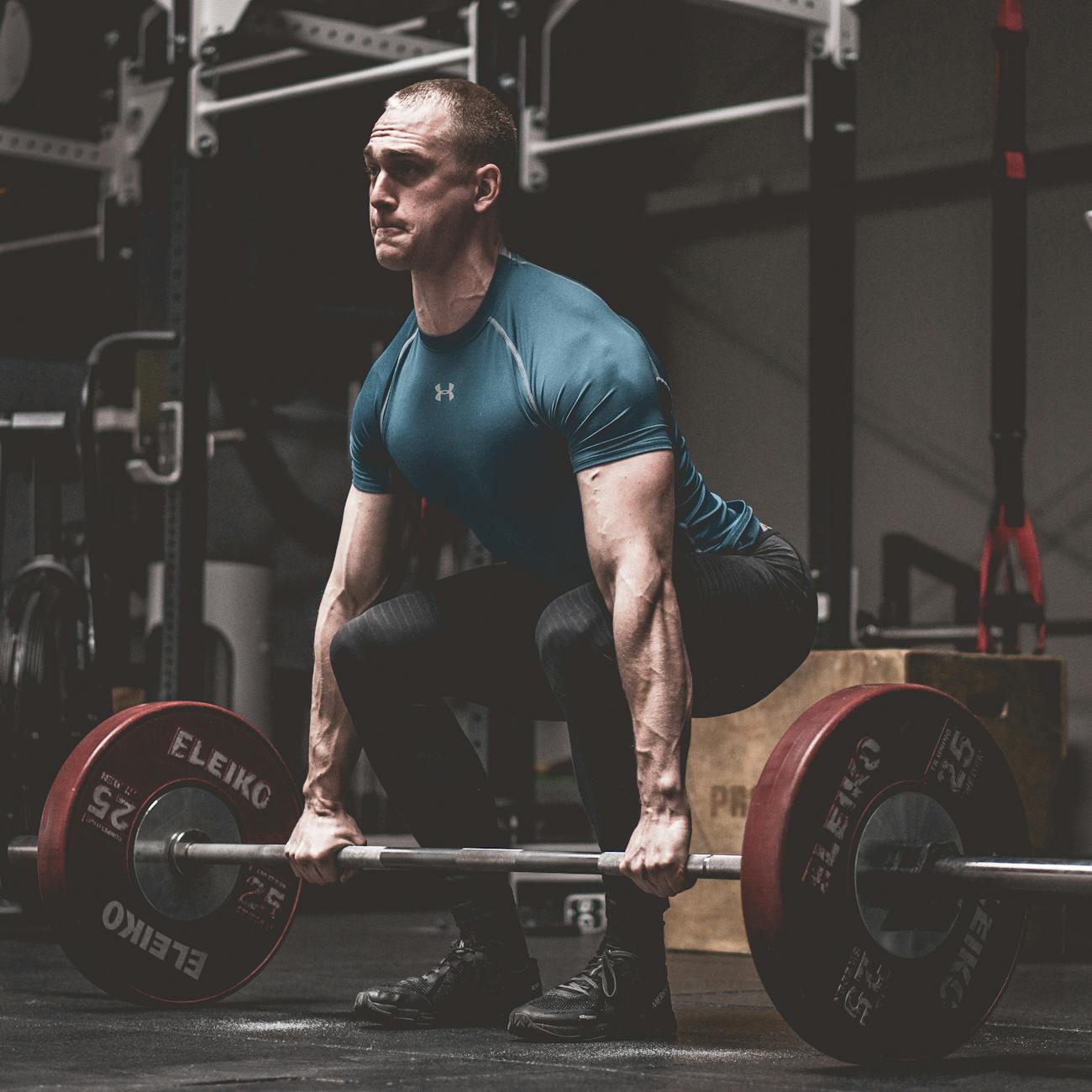
**Exercise optimization** is another key aspect of biohacking for performance enhancement. By tailoring their exercise routines to their individual goals and needs, biohackers can maximize the benefits of physical activity. This may involve incorporating high-intensity interval training (HIIT), resistance training, mobility exercises, or specific sports training protocols to improve strength, endurance, flexibility, and skill performance.
**Mindfulness and meditation** are practices that are often embraced by biohackers to optimize mental performance and emotional well-being. Mindfulness involves being fully present in the moment and cultivating awareness of one's thoughts, feelings, and sensations. Meditation techniques can help biohackers reduce stress, improve focus, enhance emotional resilience, and promote overall mental clarity. By integrating mindfulness and meditation practices into their daily routines, biohackers can enhance their cognitive function and emotional regulation.
**Biohacking challenges** may arise when individuals experiment with new interventions without fully understanding their potential risks and benefits. It is important for biohackers to approach their self-experimentation with caution and to consult with healthcare professionals or experts in the field when necessary. Additionally, biohacking requires a commitment to self-monitoring, data collection, and continuous learning to effectively optimize health and performance. By embracing the principles of biohacking and implementing evidence-based strategies, individuals can unlock their full potential and achieve their performance enhancement goals.
Key takeaways
- It refers to the practice of using science, technology, and lifestyle strategies to optimize one's health, well-being, and performance.
- For example, someone with a genetic predisposition for inflammation may benefit from consuming anti-inflammatory foods like turmeric or omega-3 fatty acids.
- For instance, engaging in regular exercise has been shown to promote positive epigenetic changes that can improve cardiovascular health and metabolic function.
- For example, biofeedback devices that measure heart rate variability can help individuals improve their stress management skills by teaching them to regulate their heart rate in response to stressors.
- This eating pattern involves cycling between periods of eating and fasting, which can have positive effects on metabolism, cellular repair, and gene expression.
- These compounds can include natural substances like caffeine and ginseng, as well as synthetic drugs like modafinil and racetams.
- Biohackers may use strategies such as creating a bedtime routine, optimizing their sleep environment, and tracking their sleep patterns with wearable devices to improve their sleep quality.